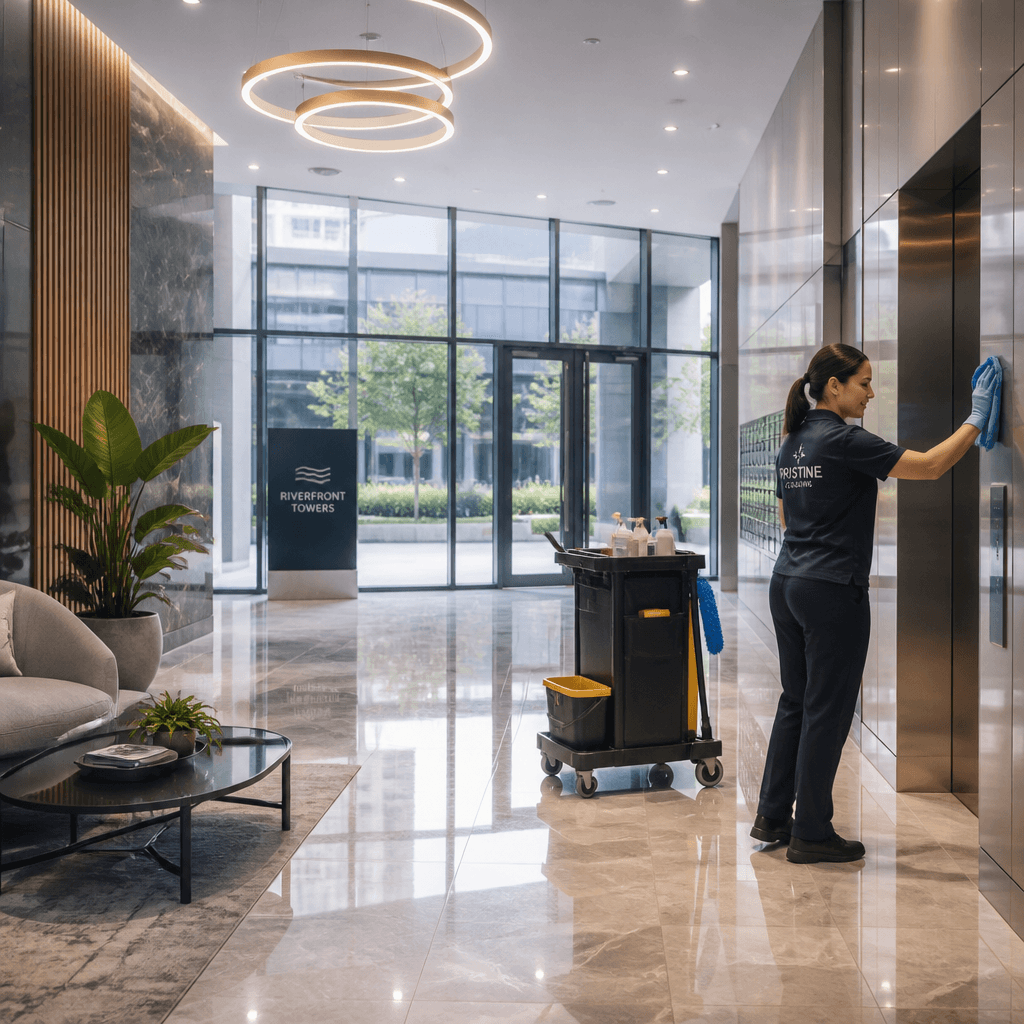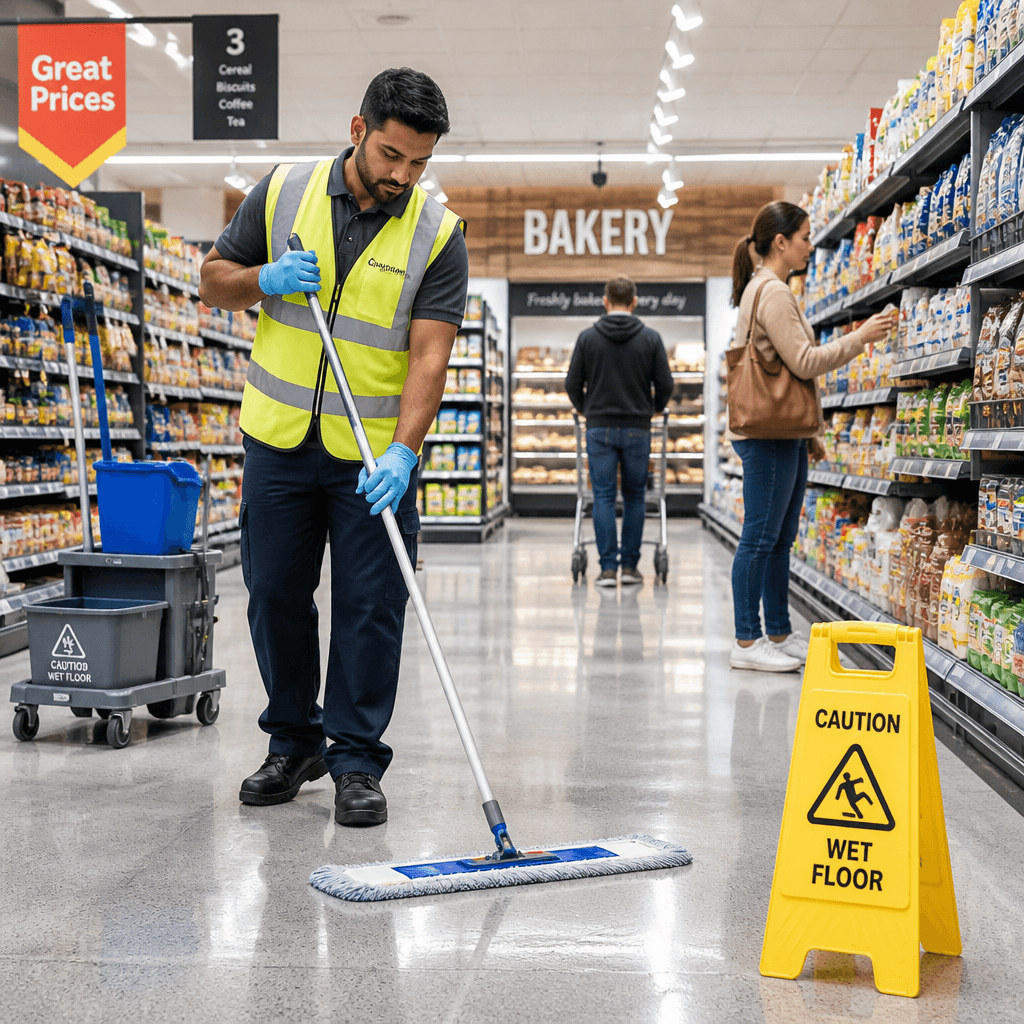

Choosing the wrong commercial cleaning company in Melbourne can cost you far more than a dirty floor. A failed contract means disrupted operations, compliance risks in regulated environments like childcare or medical facilities, and the time-consuming process of starting over. With dozens of companies competing for your business, the gap between a reliable partner and a liability is not always obvious from a website. This guide gives you the specific criteria, red flags, and comparison frameworks you need to make a confident decision, whether you manage a single office or a multi-site facility portfolio across Melbourne.
Table of Contents
- Quick Takeaways
- Why the Stakes Are Higher Than You Think
- Key Criteria for Evaluating a Commercial Cleaning Company
- Industry-Specific Cleaning Requirements
- Comparing Your Options
- Red Flags That Signal a Bad Fit
- Questions to Ask Before Signing a Contract
- What a Quality Service Agreement Looks Like
- Frequently Asked Questions
- References
Quick Takeaways
| Key Insight | Explanation |
|---|---|
| Industry experience matters more than company size | A company with 15 or more years cleaning medical and childcare environments brings compliance knowledge that a general cleaner simply cannot replicate. |
| Insurance and police checks are non-negotiable | Any legitimate commercial cleaning company in Melbourne should carry public liability insurance and provide police-checked staff, especially for sensitive sites. |
| Tailored scope beats one-size-fits-all packages | A supermarket has completely different cleaning demands to a medical centre. Demand a site-specific proposal, not a generic price list. |
| Consistency of personnel reduces risk | High staff turnover in a cleaning company means unfamiliar people accessing your premises repeatedly, creating security and quality risks. |
| References from comparable industries carry real weight | A testimonial from a school or aged care facility tells you far more about real-world performance than a generic five-star rating. |
| Response time to complaints is a direct quality indicator | Ask specifically how complaints are handled and within what timeframe. Vague answers are a warning sign. |
| Environmental product standards are increasingly expected | In childcare and medical settings especially, the use of TGA-listed or eco-certified products is a health and compliance requirement, not a marketing preference. |
Why the Stakes Are Higher Than You Think
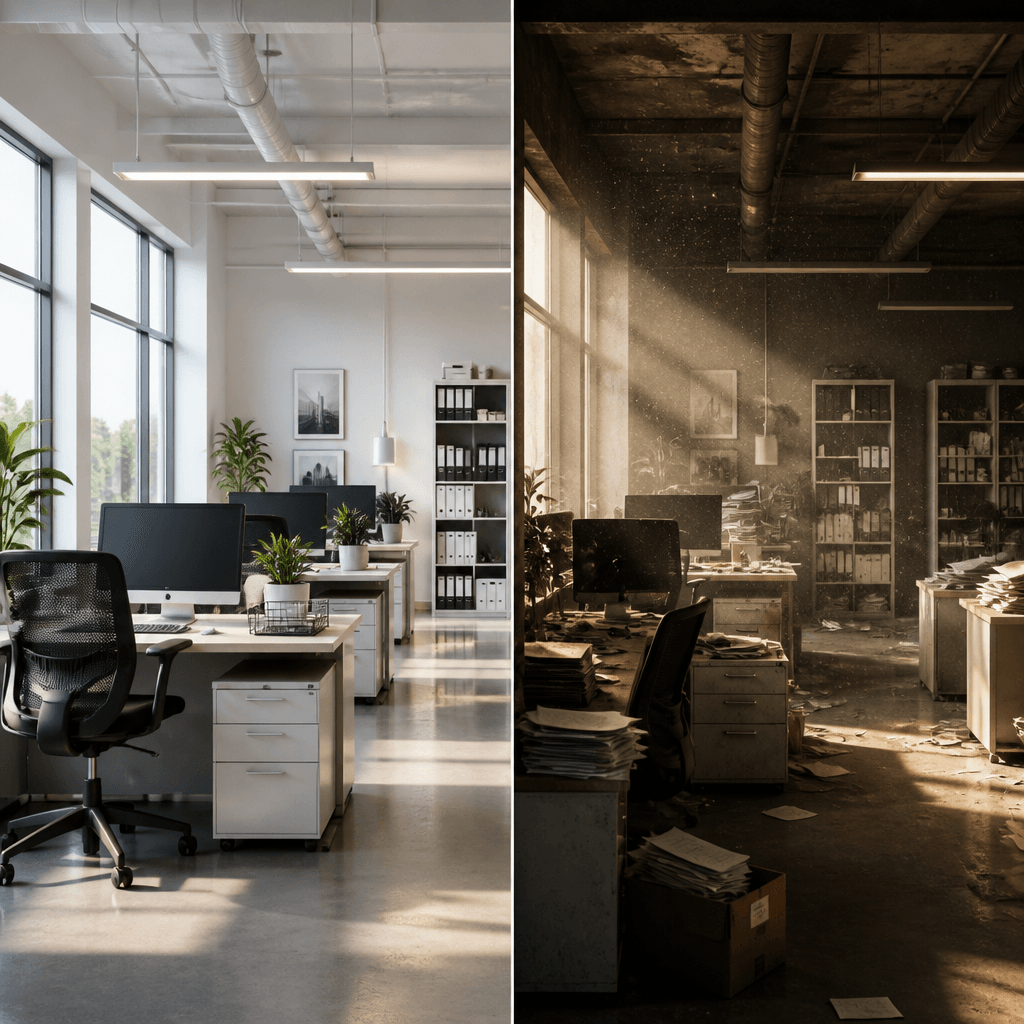
Most facility managers underestimate how much damage a poor cleaning contract can do. The immediate cost is visible: dusty surfaces, uncleaned bathrooms, missed tasks. The hidden cost is worse. In regulated sectors like aged care or childcare, inadequate cleaning can trigger compliance failures with serious legal consequences.
According to the Australian Institute of Health and Safety, hygiene failures in workplaces are a direct contributing factor to employee sick days and productivity losses. For commercial property managers across Melbourne, that is not an abstract risk. It translates directly into tenant complaints, lease renewals, and building reputation.
In practice, the businesses that suffer most are those that chose on price alone. A cleaning quote that looks 20 percent cheaper often reflects reduced staff hours, lower-grade products, or no insurance coverage. That saving evaporates quickly when the work is substandard.
Key Criteria for Evaluating a Commercial Cleaning Company
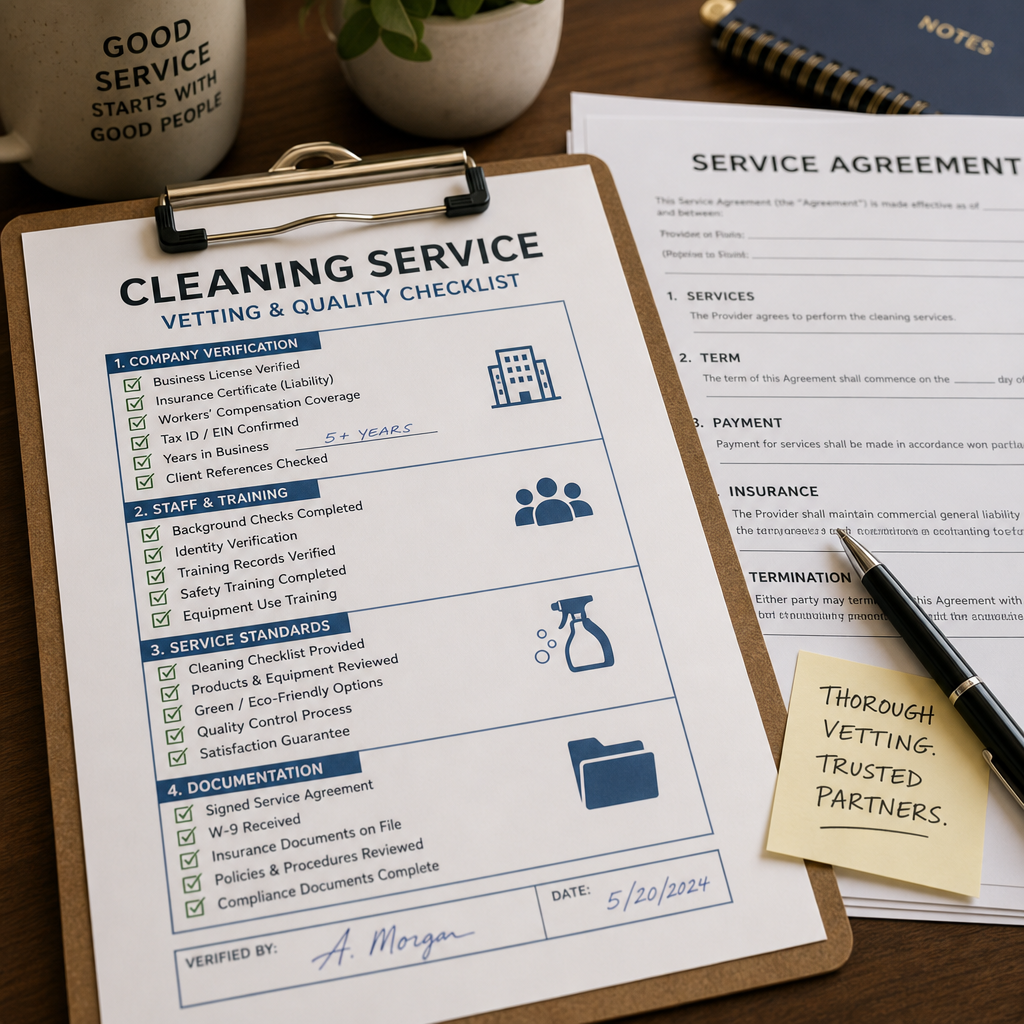
When you are choosing a cleaning service in Melbourne, there is a specific set of criteria that separates professional operators from those who will disappoint you within three months. These are not theoretical checkboxes. They are the practical factors that determine whether a cleaning company can consistently deliver.
Verified Industry Experience
Years in business is a starting point, not a final answer. What matters more is relevant sector experience. A company that has cleaned warehouses for a decade is not automatically qualified to clean a childcare centre or medical facility. Ask for a portfolio of clients in your specific industry and verify at least two references personally.
Vibrant Property Services, for example, has built over 15 years of experience across childcare centres, aged care facilities, schools, hotels, warehouses, supermarkets, and medical environments. That range is operationally significant because each sector has distinct hygiene standards, access requirements, and chemical protocols.
Licensing, Insurance, and Staff Vetting
Any commercial cleaning company in Melbourne operating in 2024 should carry a minimum of $10 million in public liability insurance. Confirm this with a certificate, not just a verbal assurance. For sites that involve vulnerable populations, police checks for all cleaning staff are a baseline requirement, not an optional extra.
Ask directly: are your staff employed or subcontracted? Subcontracted labour is harder to vet and control. Direct employment is a better indicator of accountability and training consistency.
Cleaning Products and Equipment Standards
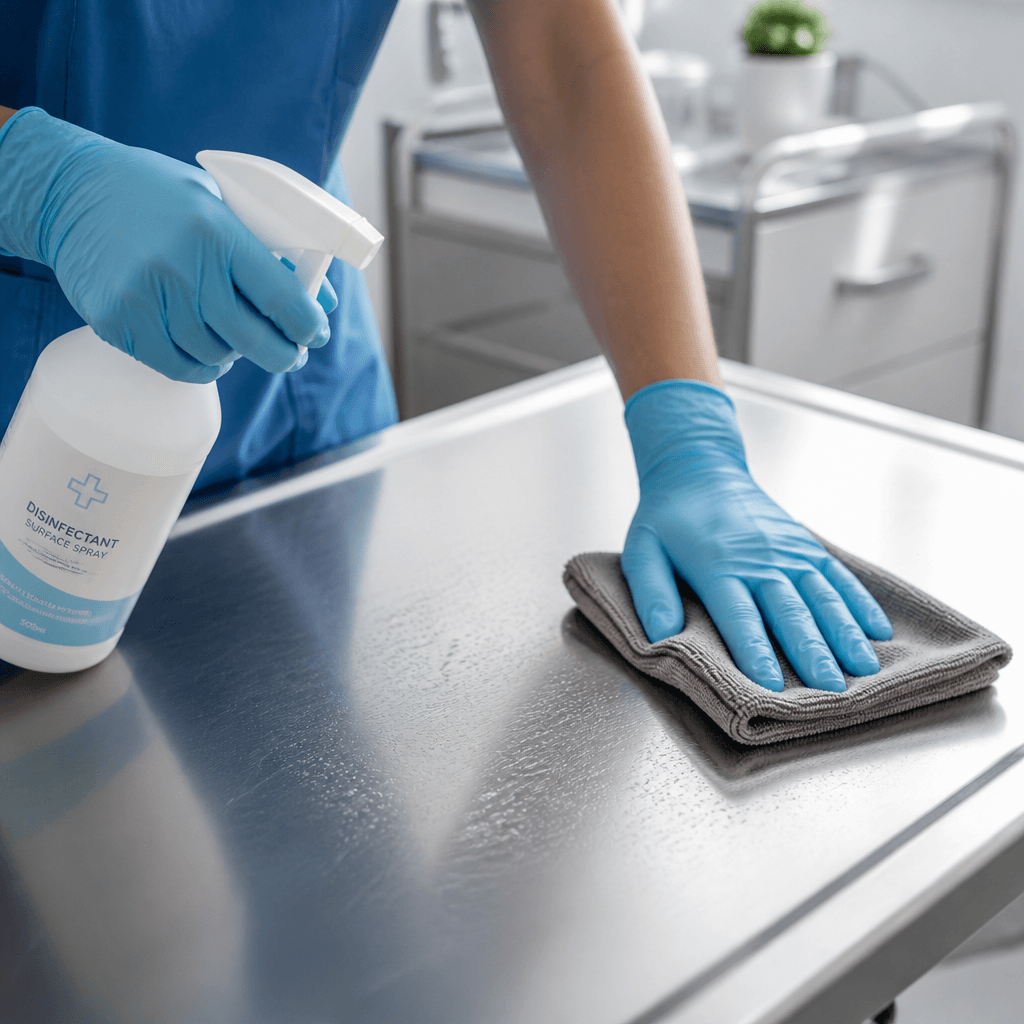
The products used matter enormously in environments like medical centres and childcare facilities. TGA-listed disinfectants are required in clinical settings. In childcare, low-toxicity, child-safe products are a health obligation. Ask for a product list and check it against the requirements of your industry’s governing body.
Pro tip: Request a Material Safety Data Sheet (MSDS) for any chemical the company plans to use on your premises. A professional company will provide this without hesitation. Hesitation is a red flag.
Industry-Specific Cleaning Requirements
Generic commercial cleaning and specialized facility cleaning are not the same service. The best commercial cleaners in Melbourne understand this distinction clearly. Choosing a company that does not specialise in your sector is one of the most common and costly mistakes facility managers make.
Childcare and Educational Facilities
Childcare centres in Victoria are subject to the National Quality Standard framework, which includes specific requirements around hygiene and sanitation. Cleaning must happen around children’s schedules, using products that meet child safety standards. Staff must be police-checked. Cross-contamination between activity zones must be actively managed.
A cleaner who has worked primarily in offices is not equipped for this environment. The protocols are more complex, the accountability is higher, and the consequences of failure are serious.
Medical and Aged Care Facilities
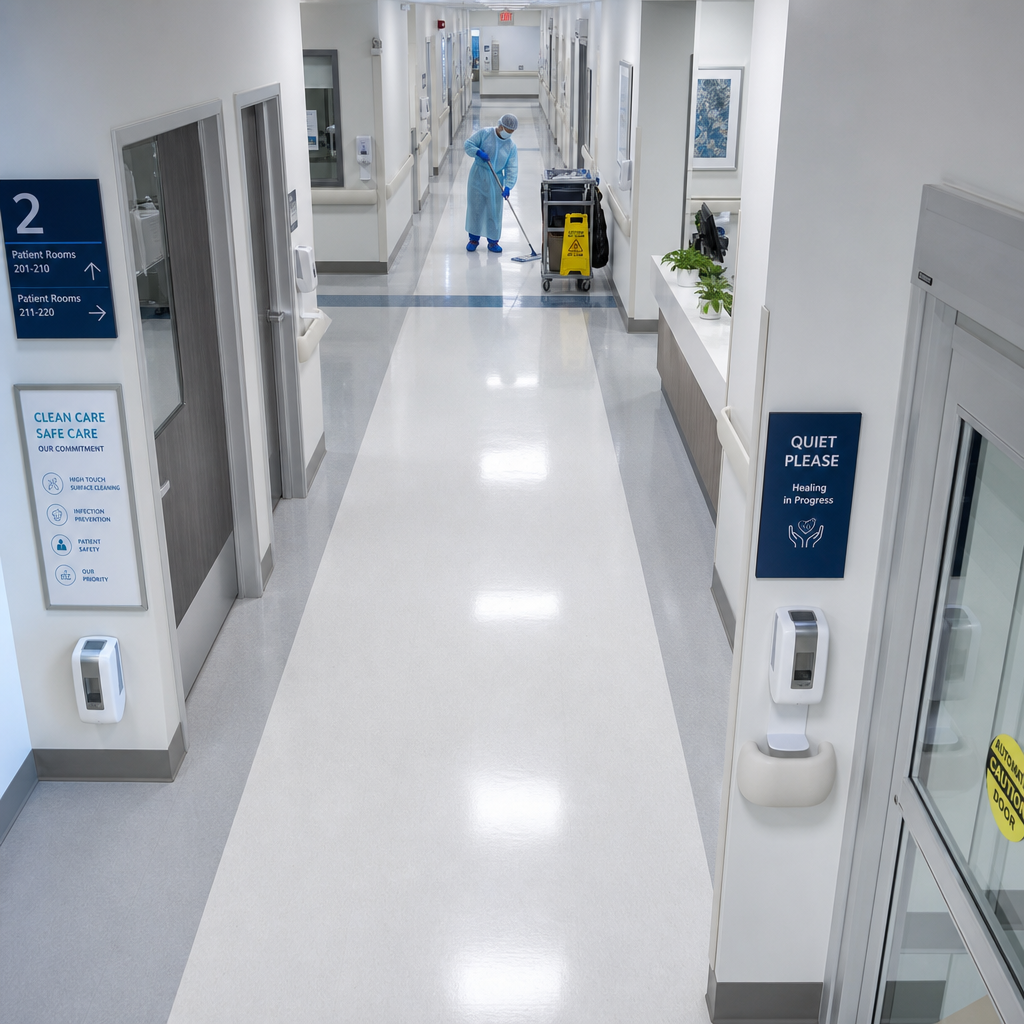
In medical environments, cleaning is a clinical function, not just an aesthetic one. It directly affects infection control outcomes. The Australian Commission on Safety and Quality in Health Care sets the standard for environmental cleaning in healthcare settings. A company working in this space must understand the difference between cleaning, sanitising, and disinfecting, and must apply them correctly in different zones of a facility.
For aged care, the Aged Care Quality Standards include requirements for a clean and safe physical environment. A cleaning company servicing aged care facilities must be briefed on these standards and able to demonstrate compliance.
Warehouses, Supermarkets, and High-Traffic Commercial Sites
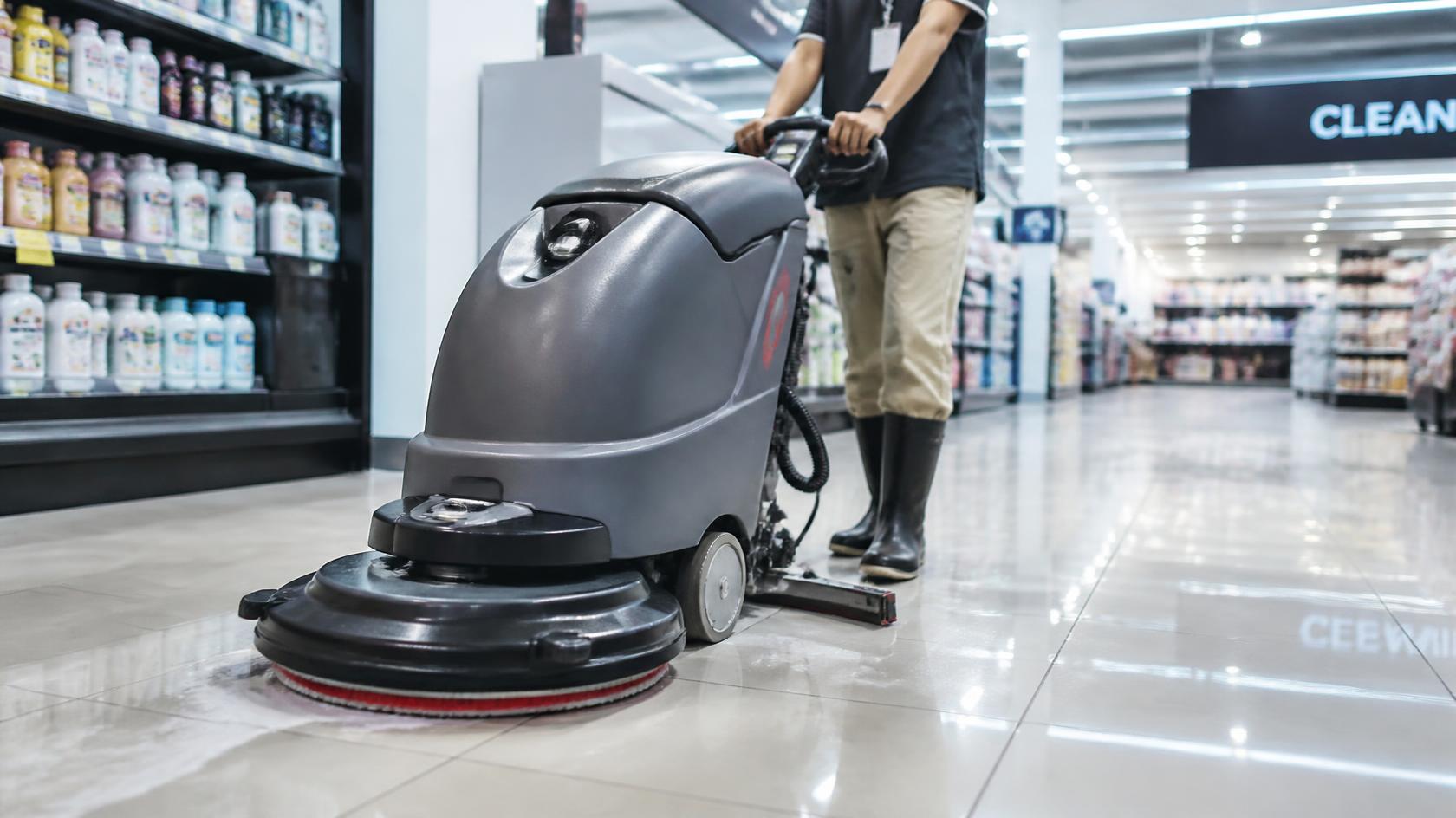
Large-footprint commercial sites require not only volume capacity but also specialist equipment. High-pressure cleaning, floor scrubbing machinery, and industrial-grade product handling are standard requirements. Equally important is the ability to work outside business hours without disrupting operations.
Comparing Your Options
Not every cleaning company in Melbourne is positioned to handle the same scope of work. Understanding the difference between a generalist, a mid-tier specialist, and a full-service provider helps you match the right company to your actual needs. The table below compares these three types across the criteria that matter most to commercial clients.
| Criteria | Generalist Cleaning Company | Full-Service Specialist (e.g. Vibrant Property Services) |
|---|---|---|
| Industry-specific protocols | Limited or none for regulated sectors | Tailored protocols for medical, childcare, aged care, and commercial sites |
| Staff vetting | Variable, often subcontracted | Police-checked, directly employed staff with sector-specific training |
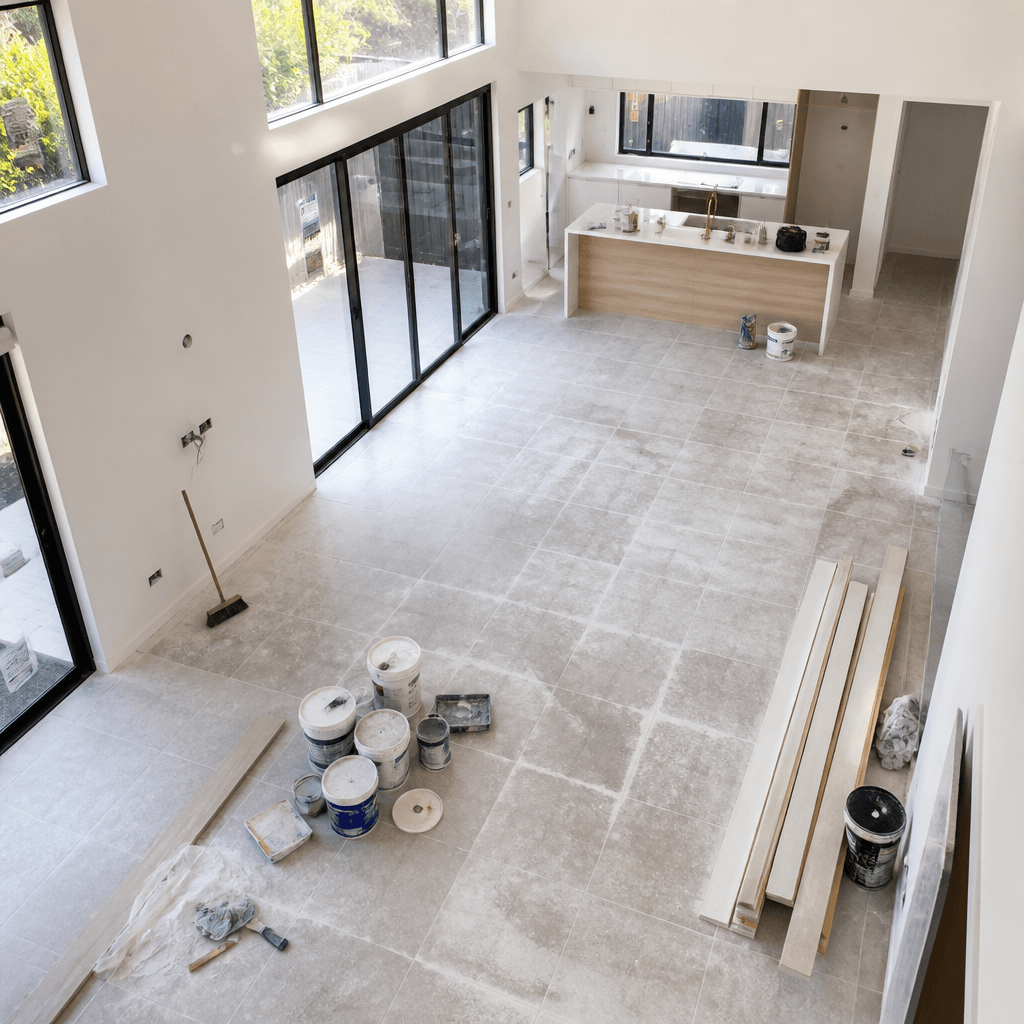
| Service range | Basic office and residential cleaning | Window cleaning, high-pressure cleaning, tile and grout restoration, builder’s cleans |
| Compliance documentation | Rarely available | Insurance certificates, MSDS sheets, quality assurance processes provided on request |
| Flexibility and scheduling | Standard business hours only | After-hours, weekends, and emergency cleans available across Melbourne |
| Customised scope of work | Generic package pricing | Site inspection followed by a tailored proposal |
“The businesses that consistently get the best results from cleaning contracts are those that treat the selection process like any other professional services procurement. They check credentials, ask for references, and require a site visit before signing.” – Facilities Management Association of Australia
Check out your best option by Clicking Here
Red Flags That Signal a Bad Fit
Knowing what to avoid is as valuable as knowing what to look for. After 15 years in the commercial cleaning industry across Melbourne, the patterns of poor-fit providers are consistent and recognisable.
The first red flag is a quote provided without a site visit. Accurate pricing requires a physical inspection. Any company that quotes purely over the phone or email, without seeing your facility, is either guessing or underpitching to win the contract and cut corners later.
The second is vague contracts. A professional agreement should specify exactly which tasks are performed, at what frequency, by how many staff, and using which products. A contract that says simply “regular cleaning services” gives you no basis to enforce standards or request corrections.
The third is no clear point of contact for complaints. If you cannot identify who handles quality issues and within what timeframe, you will have no recourse when things go wrong, and in a long-term cleaning contract, something will eventually go wrong.
Pro tip: Run a short trial clean before committing to a long-term contract. A company confident in its work will welcome this. One that resists it is telling you something important about their reliability.
Questions to Ask Before Signing a Contract
These questions are not meant to be confrontational. They are standard due diligence for any professional services contract. A competent commercial cleaning company in Melbourne will answer every one of them clearly and without delay.
Ask the following before committing to any provider:
- Can you provide current public liability insurance documentation and worker’s compensation certificates?
- Are your cleaning staff directly employed or subcontracted? Are they police-checked?
- Have you worked in facilities similar to ours? Can you provide two references from comparable sites?
- What products do you use, and can you provide MSDS documentation for each?
- Who is the dedicated account manager for our site, and how do we report a quality issue?
- What is your process when a scheduled clean is missed or a staff member does not show?
- Can the contract scope be adjusted if our needs change?
The answers to these questions will tell you more about a company’s professionalism than any marketing material they produce.
What a Quality Service Agreement Looks Like
A well-structured cleaning contract protects both parties. For the client, it defines the standard of service and provides grounds for remedy when that standard is not met. For the cleaning company, it defines the scope and prevents scope creep without renegotiation.
At minimum, a professional commercial cleaning agreement should include: a detailed task list with frequencies, the names or roles of assigned staff, the products and equipment to be used, an escalation path for complaints, and a review clause that allows the scope to be reassessed at defined intervals.
Month-to-month contracts with notice periods are generally preferable to lock-in agreements of 12 months or more, particularly for a new cleaning relationship. They create the right incentive structure: the cleaning company earns your continued business through performance, not contractual obligation.
If a provider pushes hard for a long lock-in without a trial period, treat that as a signal that they are more focused on securing revenue than earning trust.
Frequently Asked Questions
How much does commercial cleaning cost in Melbourne?
Commercial cleaning costs in Melbourne vary significantly based on site size, frequency, and the type of facility. Office cleaning typically ranges from $35 to $55 per hour per cleaner. Specialist environments like medical centres or childcare facilities will generally cost more due to compliance requirements, specialised products, and higher staff training standards. Always request a site-specific quote rather than relying on published hourly rates.
What is the difference between commercial and residential cleaning?
Commercial cleaning involves larger spaces, higher foot traffic, regulated environments, and more complex scheduling requirements than residential cleaning. Commercial cleaners must also understand industry-specific compliance standards, such as infection control in medical settings or hygiene codes in food-handling areas. Residential cleaning is primarily about aesthetics and routine maintenance in private homes.
How do I verify that a cleaning company is legitimate in Melbourne?
Ask for their Australian Business Number (ABN) and verify it through the ABN Lookup tool on the Australian Business Register website. Request copies of their public liability insurance certificate and, where relevant, workers’ compensation insurance. For sites involving vulnerable people, ask for evidence of police checks for their staff. A legitimate company will provide all of this documentation without resistance.
How often should commercial premises be cleaned?
This depends entirely on the type of facility and its traffic volume. A high-traffic retail or food service environment may require daily cleaning and multiple service visits. A small professional office may only need three cleans per week. Medical and childcare facilities typically require daily cleaning with additional sanitisation protocols. The right answer starts with a site assessment, not a general rule.
Can I switch cleaning companies if I am unhappy with the service?
Yes, though this depends on the terms of your contract. If you are locked into a long-term agreement, review the termination clauses carefully before proceeding. This is why shorter initial contracts or contracts with a performance review clause are preferable. Document quality failures in writing as they occur, as this creates the basis for a justified termination if necessary.
What cleaning services should a Melbourne commercial cleaner be able to provide?
A full-service commercial cleaning company in Melbourne should be able to handle general office and facility cleaning, window cleaning, high-pressure cleaning, tile and grout restoration, builder’s cleans, and specialist cleaning for regulated environments such as medical, childcare, and aged care facilities. If a company only offers basic office cleaning, it is not equipped to service more complex commercial or specialised sites.
If you are currently evaluating cleaning providers for your Melbourne facility, share what criteria you found most useful, or what tripped you up during the selection process. Your experience helps other facility managers make better decisions.
References
- Safe Work Australia: workplace health and hygiene standards guidance for Australian employers
- Aged Care Quality and Safety Commission: quality standards for safe and clean aged care environments
- Australian Commission on Safety and Quality in Health Care: environmental cleaning guidelines for healthcare facilities
- Forbes: business advice on evaluating and selecting professional service providers
- Statista: commercial cleaning industry market size and growth statistics