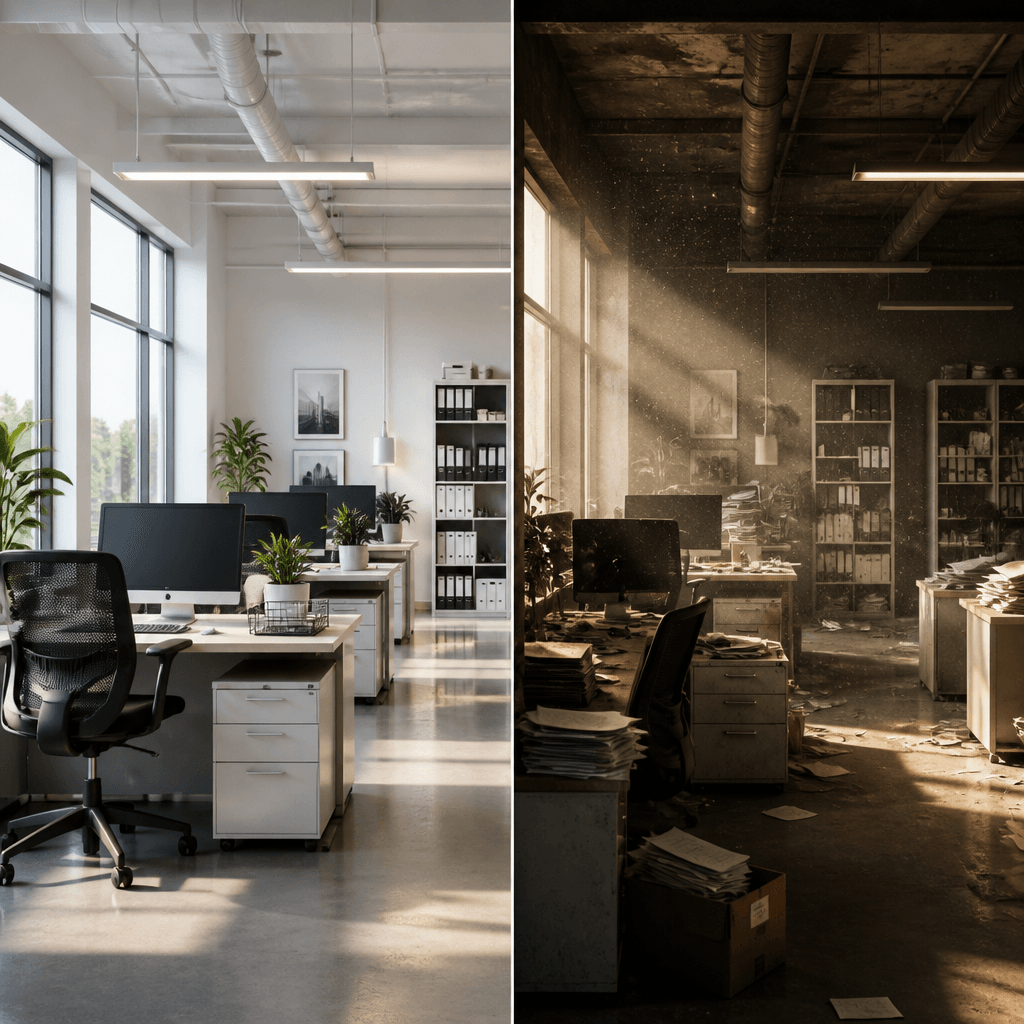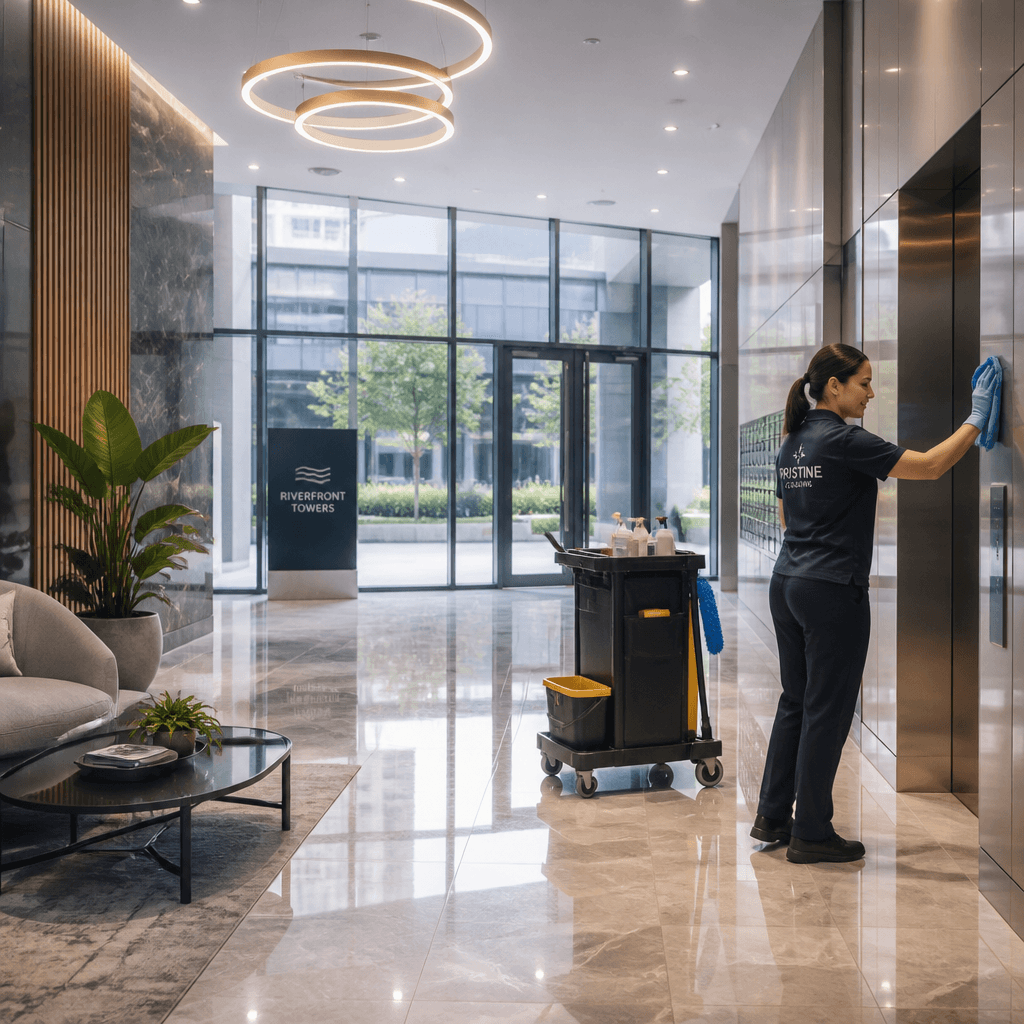

Most Melbourne business owners think about commercial cleaning costs in one direction only: what they pay on the invoice. That framing is dangerously incomplete. The real question is what neglecting regular cleaning actually costs, because those costs are silent, cumulative, and far higher than any cleaning contract. A dirty office does not just look unprofessional. It drains productivity, inflates sick leave bills, puts you on the wrong side of WorkSafe Victoria, and sends clients quietly to your competitors. This article breaks down every layer of that cost, with specifics for Melbourne businesses operating in sectors from offices and warehouses to childcare centres and medical facilities.
Table of Contents
- Quick Takeaways
- The Sick Leave Bill Nobody Sees Coming
- Surface and Asset Damage: The Slow-Burn Cost
- Client and Brand Perception in a Melbourne Market
- Legal and Compliance Exposure Under WorkSafe Victoria
- High-Risk Sectors Where Neglect Costs Most
- Cleaning Frequency Comparison: What the Numbers Actually Show
- Frequently Asked Questions
- References
Quick Takeaways
| Key Insight | Explanation |
|---|---|
| Sick leave costs $340 to $578 per employee per day in Australia | Lost productivity, workflow disruption, and replacement costs make every preventable sick day an expensive event. Regular cleaning of high-touch surfaces directly reduces transmission rates. |
| Victorian businesses lose roughly $573 per employee annually from preventable workplace illnesses | Poor hygiene practices in shared workspaces drive this figure. The cost compounds quietly across teams of 10, 20, or 50 staff. |
| Over 70% of customers say a dirty business environment damages their brand perception | First impressions in reception areas, restrooms, and meeting rooms directly influence whether a client returns or refers others. |
| Surface neglect causes material degradation that requires costly repairs or replacement | Grout breakdown, floor coating erosion, and stained upholstery are not cosmetic problems. They are capital expenditure items that regular maintenance prevents. |
| WorkSafe Victoria can act on cleaning-related safety breaches without waiting for an injury to occur | Under the Occupational Health and Safety Act 2004 (Vic), employers must maintain a safe workplace. A dirty, hazardous environment is a compliance risk, not just a housekeeping issue. |
| Childcare, medical, and aged care facilities carry the highest legal and reputational exposure | Regulatory bodies in these sectors audit hygiene compliance directly. Failing an inspection can result in closure, not just a fine. |
| Professional cleaning cuts sick leave by an estimated 30 to 40 percent | Consistent, scheduled cleaning of shared surfaces and high-traffic areas is the single most cost-effective workplace wellness strategy available to most Melbourne businesses. |
The Sick Leave Bill Nobody Sees Coming
Walk through a busy Melbourne CBD office and count the shared surfaces: keyboards, door handles, lift buttons, kitchen benchtops, meeting room chairs. Each one is a transmission point. When cleaning is irregular or superficial, those surfaces accumulate bacteria and viruses that cycle through a team repeatedly, especially during autumn and winter.
The numbers here are not abstract. Each sick day costs an Australian business an estimated $340 to $578, once you account for lost output, workflow disruption, and any temporary cover arrangement. The average Australian worker takes between 9.7 and 13.8 sick days per year. Not all of those are cleaning-related, but a meaningful proportion of respiratory and gastrointestinal illness in office settings is contact-transmitted from shared surfaces, the exact surfaces a thorough cleaning program targets.
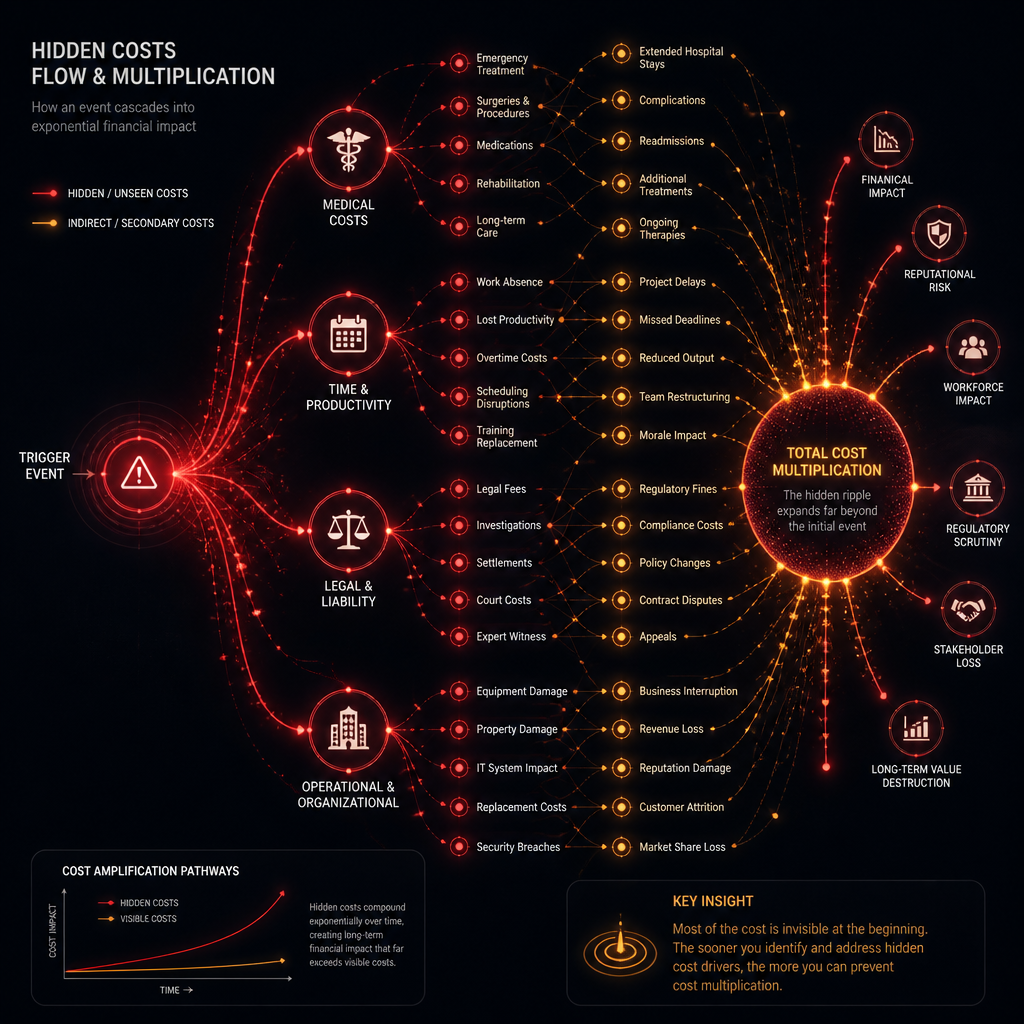
Victorian businesses lose an average of around $573 per employee every year to preventable workplace illnesses linked to poor hygiene. For a Melbourne office with 20 staff, that is over $11,000 in dead productivity, before accounting for deadlines missed or client work delayed. The case for a professional cleaning contract is often made and closed by this calculation alone.
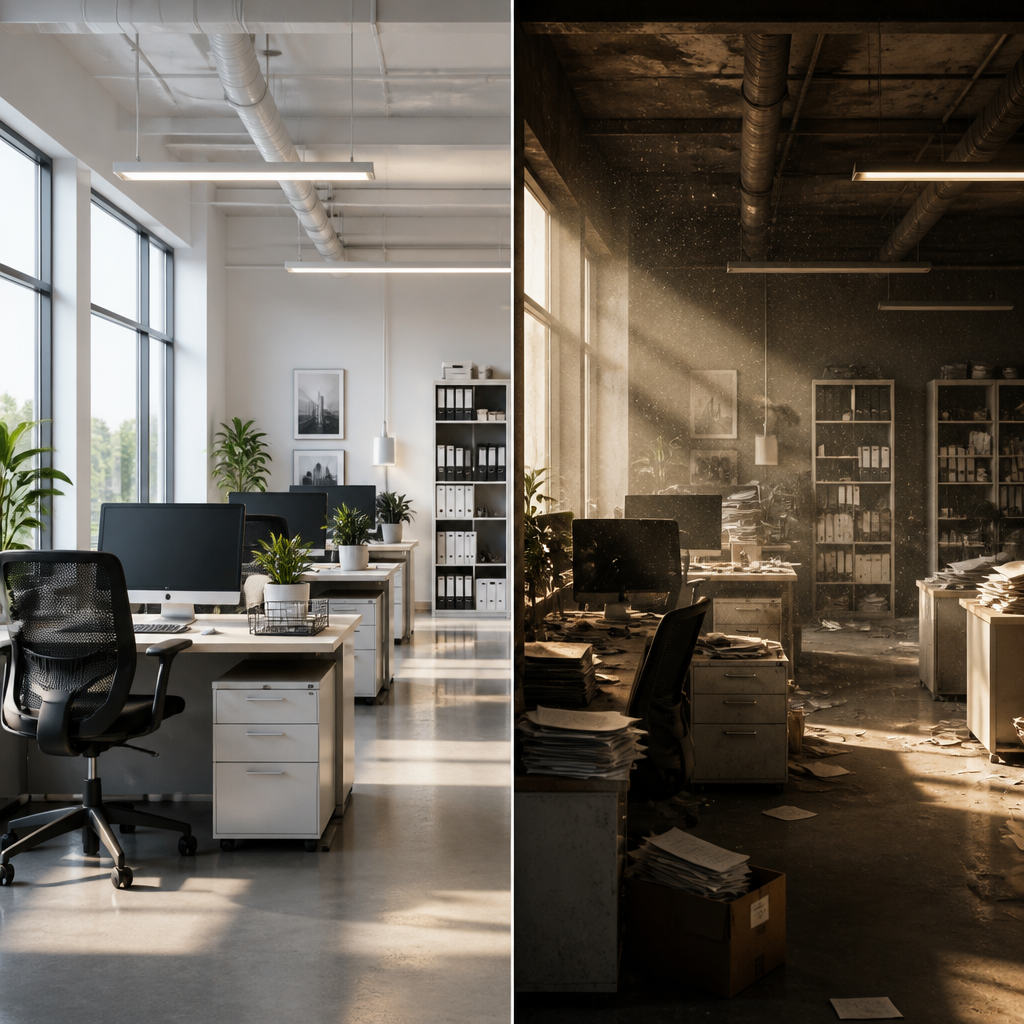
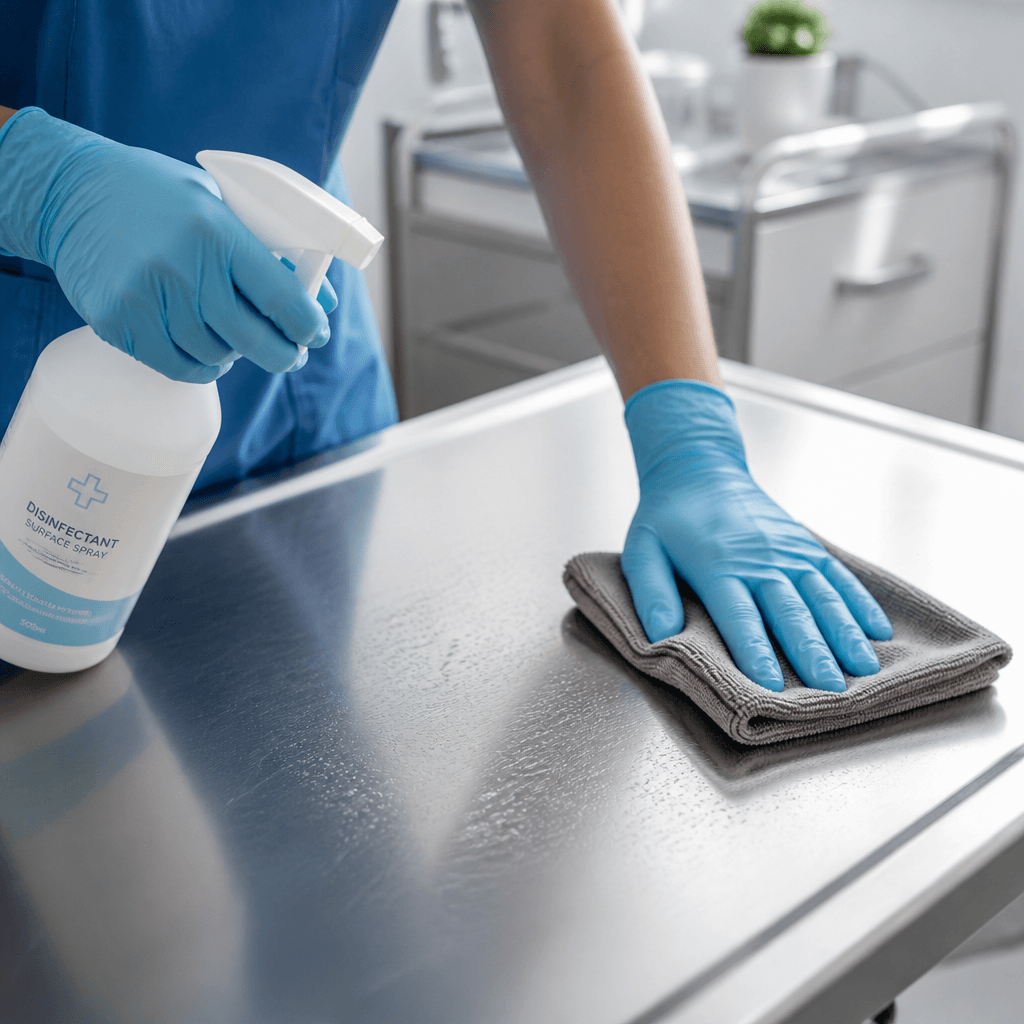
Pro tip: Ask your cleaning provider to specify the high-touch surface protocol in writing. A general “wipe down” is not the same as a systematic disinfection schedule covering door handles, light switches, shared equipment, and kitchen tapware at defined frequencies. If they cannot produce that in writing, the protection you think you have does not exist.
Presenteeism, turning up to work while unwell, is an equally serious cost that rarely appears on any budget sheet. Sick employees working through illness spread infection further and produce lower-quality work. Regular professional cleaning, particularly in high-density shared spaces, reduces the conditions that drive both absenteeism and presenteeism at the same time.
Surface and Asset Damage: The Slow-Burn Cost
Neglecting cleaning does not just affect people. It destroys the physical environment around them. This is the cost that hits capital budgets rather than operating budgets, making it easy to overlook until the repair bill arrives.
Floor Surfaces and Grout
Hard floors and tile grout are among the first casualties of irregular maintenance. Dirt and grit act as abrasives, grinding into surface coatings with every footstep. Over months, this erodes floor finishes that cost significant money to restore or replace. Grout, particularly in commercial kitchens, bathrooms, and aged care wet areas, absorbs bacteria and organic matter when it is not regularly cleaned and sealed. Restoring neglected grout through specialist tile and grout cleaning is far more expensive than maintaining it through routine service.
Upholstery, Carpets, and Fit-Out Components
Commercial carpets in high-traffic areas that go without regular extraction cleaning develop permanent staining and fibre damage that no single deep clean can reverse. Office upholstery, reception seating, and fabric partitions accumulate allergens, dust mites, and odours that affect air quality and staff comfort long before they become visually obvious.
The pattern is consistent across every commercial fit-out: deferred cleaning creates deferred capital expenditure. A Melbourne business that skips professional carpet maintenance for 12 months may save a modest cleaning fee but trigger a carpet replacement costing several times more within two to three years.
Pro tip: Schedule periodic builder’s cleans and high-pressure cleans for external surfaces, loading docks, and carparks. Organic build-up on concrete and pavers accelerates surface degradation and creates slip hazards that WorkSafe Victoria would classify as an employer responsibility under general duty of care provisions.

Client and Brand Perception in a Melbourne Market
Melbourne’s commercial districts, whether you are operating in the CBD, South Yarra, Richmond, or a suburban business park in Dandenong or Moorabbin, are competitive environments where clients have choices. The physical condition of your space is a signal they read whether or not they consciously register it.
Research cited by the Cleaning Council of Australia indicates that over 70% of customers say a dirty business environment negatively affects their perception of a brand. That figure is not surprising to anyone who has walked into an office with grimy glass at the entrance, overflowing bins, or a reception area that smells stale. The feeling is immediate and it colours everything that follows, the pitch meeting, the proposal, the decision to sign.
A clean workplace is not a hospitality amenity. It is a business asset that signals to clients, staff, and regulators that this organisation operates with attention and discipline.
Negative impressions in Melbourne’s market also travel fast. Customer photographs of dirty environments circulate rapidly on Google reviews and social media channels, creating brand exposure that is disproportionate to the original lapse. A single viral review mentioning unhygienic conditions in a medical practice, a childcare centre, or a hotel can do lasting commercial damage that no marketing spend easily repairs.
For businesses in sectors like hospitality, retail, and healthcare, where the physical environment is part of the service experience itself, maintaining consistent cleanliness is not optional. It is a commercial baseline.
Legal and Compliance Exposure Under WorkSafe Victoria
Most Melbourne employers understand that WorkSafe Victoria enforces safety standards. Fewer appreciate that cleaning standards sit directly within that framework. Under the Occupational Health and Safety Act 2004 (Vic), employers carry a general duty to provide and maintain a workplace that is safe and without risks to health, as far as reasonably practicable.
A workplace that is routinely dirty, has slippery floors from built-up grease or moisture, has blocked emergency exit paths, or has pest conditions resulting from poor hygiene is a workplace in breach of that duty. WorkSafe Victoria can commence investigations and prosecutions whether or not a breach has resulted in an actual injury. The regulator has stated this position publicly in its enforcement policy.
Penalties under the OHS Act are material. Breaching the general duty of care can expose an employer to civil penalties, criminal prosecution, and compensation claims. For small and medium-sized Melbourne businesses, the reputational damage of a WorkSafe prosecution can be more damaging than the fine itself.
For regulated sectors, the compliance stakes are even higher. Childcare centres in Victoria are subject to hygiene standards under the Education and Care Services National Regulations. Medical and aged care facilities face oversight from AHPRA, the Aged Care Quality and Safety Commission, and infection control standards that treat cleaning as a clinical activity, not a facilities management afterthought. A failed audit in these environments can trigger operational restrictions or facility closure.
High-Risk Sectors Where Neglect Costs Most
Not every Melbourne business faces identical exposure from poor cleaning. These sectors carry the steepest combined risk of health, legal, and reputational cost.
Medical and Healthcare Facilities
Cross-contamination in medical environments is a clinical risk, not just a comfort issue. Healthcare-associated infections spread through inadequately cleaned surfaces, and the liability exposure for a practice or clinic where a patient contracts an infection from a dirty environment is significant. Specialised medical-grade cleaning protocols, using appropriate hospital-grade disinfectants and documented procedures, are not optional in this context.
Childcare Centres
Children in care settings are immunologically more vulnerable than adults. Regulatory compliance requires documented cleaning schedules and infection control procedures. Centres that rely on cursory cleaning or use untrained staff for hygiene-critical tasks face both compliance failures and parent-driven reputational damage that spreads quickly through school communities.
Aged Care Facilities
Residents in aged care are among the highest-risk populations for infection. The Aged Care Quality Standards explicitly address the physical environment, including cleanliness. A facility that cannot demonstrate consistent, professional cleaning standards is a facility at risk in its next accreditation review.
Warehouses and Industrial Spaces
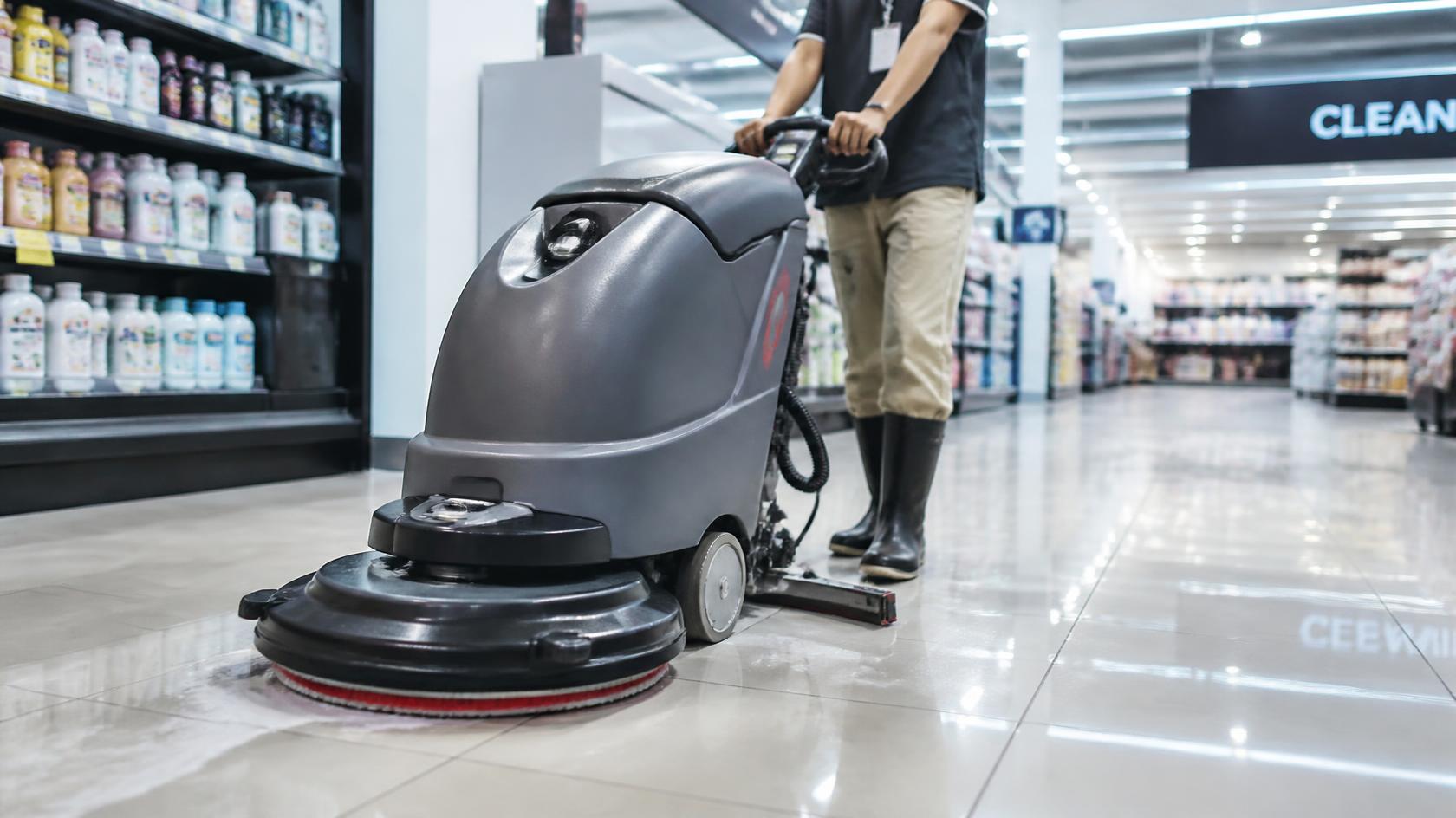
Neglected warehouses accumulate dust, debris, and spills that create slip hazards and fire risks. Regular high-pressure cleaning of loading areas and floors is a WorkSafe Victoria obligation, not just a preference. A slip-and-fall incident in a dirty warehouse is both a human tragedy and a significant legal liability event.
Cleaning Frequency Comparison: What the Numbers Actually Show
Business owners often debate whether to clean daily, a few times a week, or just when it looks like it needs it. The cost difference between these approaches is not where most people expect to find it.
| Cleaning Approach | Typical Melbourne Cost Range | Real-World Risk and Hidden Cost |
|---|---|---|
| Reactive cleaning (only when visibly dirty) | Lower upfront spend, irregular and unpredictable cost | Highest long-term cost. Surface damage accumulates, sick leave increases, compliance exposure is highest. Emergency or remedial cleaning is significantly more expensive per engagement than scheduled service. |
| 2 to 3 sessions per week scheduled cleaning | Approximately $800 to $2,500 per month for mid-sized offices, depending on scope and service level | Moderate protection. Suitable for low-traffic offices with limited shared facilities. Insufficient for childcare, medical, food, or high-traffic retail environments where daily pathogen load is high. |
| Daily professional cleaning with documented protocols | Higher monthly investment, consistent and forecastable | Lowest total cost when sick leave reduction, surface preservation, and compliance protection are factored in. The baseline standard for medical, childcare, aged care, and high-footfall commercial premises in Melbourne. |
The per-square-metre rate for regular commercial cleaning contracts in Melbourne generally sits around $2 to $3 per square metre for standard scheduled service, with specialist services such as medical facility cleaning or post-construction builder’s cleans priced higher based on scope and compliance requirements. Hourly rates for commercial cleaning in Melbourne commonly range from $45 to $85 per hour, varying with specialisation level.
The calculation that most business owners miss is straightforward: take the annual cost of a professional cleaning contract and compare it against just two or three sick leave events, one remedial floor restoration, and one client lost because of a poor impression. In most cases, the contract cost is less than the sum of those outcomes, often considerably less.
Melbourne businesses working with Vibrant Property Services benefit from tailored cleaning programs designed around their specific environment, sector compliance requirements, and foot traffic patterns. Whether the need is routine office cleaning, specialist medical or childcare hygiene protocols, high-pressure washing, or tile and grout restoration, a structured program prevents the compounding costs this article has outlined. The difference between a cleaning contract and no cleaning contract is not the invoice. It is everything that invoice prevents.
Frequently Asked Questions
How much does neglecting commercial cleaning actually cost a Melbourne business per year?
The total varies by business size and sector, but the components are consistent: preventable sick leave costs roughly $573 per employee per year in lost productivity from workplace illness alone. Add surface and asset degradation that shortens the replacement cycle of floors, carpets, and fit-out components, plus the risk of losing clients from a poor physical impression or failing a compliance audit. For a 20-person Melbourne office, the combined figure often exceeds $15,000 to $20,000 annually in preventable costs. The cleaning contract that prevents this typically costs a fraction of that amount.
What are the main health risks from a dirty commercial workplace in Melbourne?
The primary transmission risks are respiratory infections, gastrointestinal illness, and skin contact infections spread through high-touch surfaces including keyboards, door handles, shared kitchen equipment, and bathroom tapware. In high-density workplaces, one infected surface can expose an entire team within a standard working day. Allergens from accumulated dust also affect employees with asthma and hay fever, contributing to presenteeism even when workers do not take a formal sick day.
Is a business legally required to maintain cleaning standards in Victoria?
Yes. Under the Occupational Health and Safety Act 2004 (Vic), employers have a general duty to provide a safe workplace. A dirty, hazardous, or unhygienic environment can constitute a breach of that duty. WorkSafe Victoria has the authority to investigate and prosecute breaches whether or not an injury has occurred. Regulated sectors including childcare, aged care, and medical facilities carry additional specific hygiene obligations under their respective regulatory frameworks.
How often should a commercial office in Melbourne be professionally cleaned?
For a standard office with 10 to 20 staff, a minimum of two to three cleaning sessions per week is a practical baseline for general cleanliness. However, any space with higher foot traffic, shared kitchen or bathroom facilities, or client-facing areas benefits from daily cleaning of high-touch surfaces at minimum. Medical, childcare, and aged care environments require daily professional cleaning as a compliance baseline, not a preference. The right frequency depends on occupancy density, the nature of the work, and regulatory requirements for the sector.
What happens to floors and surfaces when cleaning is deferred for months?
Hard floors lose their protective coating as abrasive dirt grinds into the surface with foot traffic. Tile grout absorbs bacteria, staining agents, and organic matter that becomes increasingly difficult and expensive to remove. Carpets develop permanent staining and fibre damage that cannot be reversed by a single deep clean. Commercial upholstery accumulates allergens and odours. Across all these surfaces, deferred cleaning converts a low-cost maintenance item into a high-cost remediation or replacement project.
Can a dirty workplace affect staff retention in Melbourne businesses?
It can and it does. Employees form judgements about how much an employer values them partly from the physical condition of their workspace. A persistently dirty, unhygienic, or poorly maintained office signals indifference. In Melbourne’s competitive employment market, particularly in professional services, healthcare, and education sectors, the physical workplace is a factor in how staff assess whether to stay or move on. A clean, well-maintained environment is a low-cost retention tool that most businesses underestimate.
Have you calculated what poor workplace hygiene is actually costing your business, and does the number surprise you? Share your experience or questions below.
References
- How professional commercial cleaning saves Australian businesses money through reduced sick leave and productivity losses
- The hidden costs of inadequate commercial cleaning on brand perception and workplace health in Australia
- WorkSafe Victoria enforcement policy on compliance with occupational health and safety laws
- Melbourne commercial cleaning comprehensive business guide covering costs and compliance for Victorian businesses
- Office cleaning costs in Melbourne: 2026 pricing guide for businesses across CBD and suburban locations