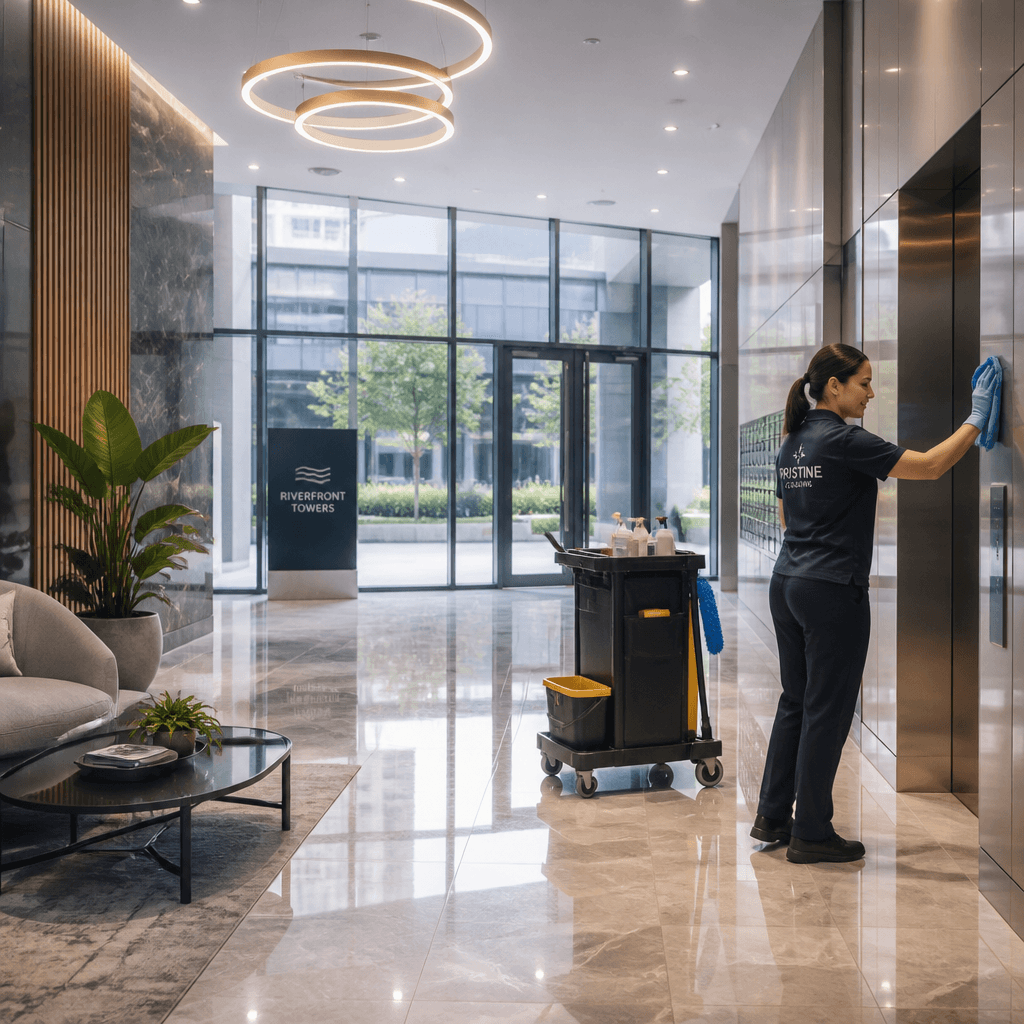

Grout lines that started white are now grey, brown, or something you’d rather not identify. If you manage a commercial property, childcare centre, aged care facility, or simply own a Melbourne home with tiled floors, you already know the problem: surface mopping does almost nothing for embedded dirt and mould. Tile and grout cleaning Melbourne property managers search for is not about aesthetics alone. It is about hygiene compliance, slip hazard reduction, and avoiding a full floor replacement that costs five to ten times more than a professional restoration. This article gives you the practical information you need to make a smart decision.
Table of Contents
- Why Standard Mopping Fails Your Tiles
- Quick Takeaways
- What Deep Tile Cleaning Actually Involves
- Grout Restoration Melbourne: When Cleaning Is Not Enough
- Commercial vs. Residential Tile Cleaning: Key Differences
- How to Evaluate a Tile Cleaning Company in Melbourne
- Cost Comparison: Restore vs. Replace
- Frequently Asked Questions
- References
Why Standard Mopping Fails Your Tiles
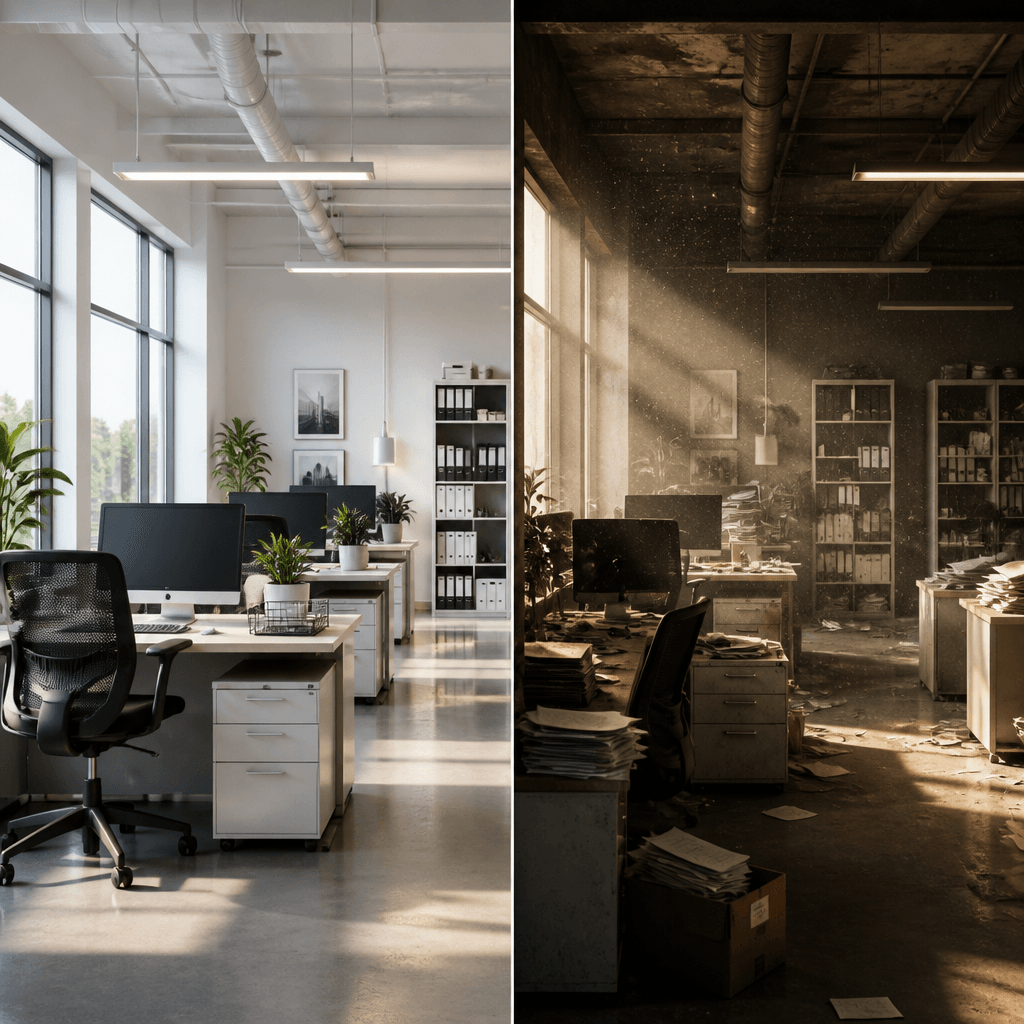
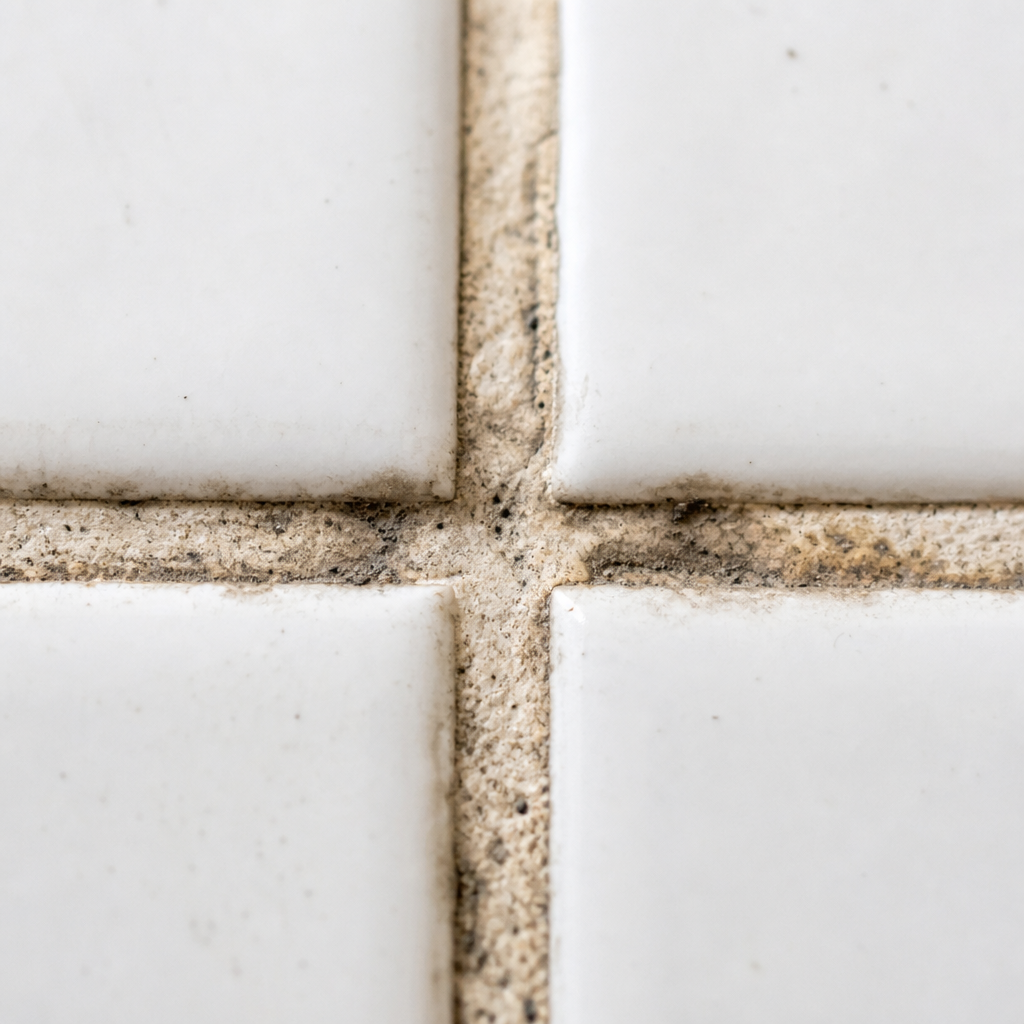
A standard mop moves surface water around. It does not generate enough pressure or heat to break down the biofilm, mould spores, and compacted soil that live inside porous grout. In practice, repeated mopping with a dirty mop head actually pushes contamination deeper into grout channels, which is why floors look worse after six months of regular mopping than they did on day one.
Grout is typically a cement-based material with a porosity rating that absorbs oils, food residue, cleaning chemical buildup, and biological matter. Once that material is below the surface, consumer-grade cleaners and scrubbing pads cannot reach it. This is not a failure of effort. It is a physics problem that requires commercial-grade hot water extraction or rotary pressure systems to solve.
Quick Takeaways
| Key Insight | Explanation |
|---|---|
| Grout is porous by nature | Standard mopping cannot remove embedded contaminants. Only pressurised hot water extraction or rotary scrubbing systems reach below the surface. |
| Professional restoration costs a fraction of replacement | Floor tile replacement in Melbourne typically runs $50 to $120 per square metre installed. Professional deep cleaning and grout restoration averages $8 to $25 per square metre depending on tile type and condition. |
| Grout sealing is not optional after deep cleaning | Without a penetrating sealer applied post-clean, cleaned grout reabsorbs contaminants within weeks. Sealing extends the clean for 12 to 24 months. |
| Mould in grout is a compliance issue in regulated environments | Childcare centres, aged care facilities, and medical environments in Victoria are subject to infection control standards. Visibly mouldy grout can trigger compliance failures during audits. |
| Not all tiles respond to the same method | Polished porcelain, natural stone, terracotta, and ceramic each require different pressure levels and chemical pH ranges. Using the wrong approach causes permanent etching or surface damage. |
| Grout colour restoration is possible without replacement | Grout colourants and sealers can restore the original colour of grout lines that are stained but structurally intact, saving full re-grouting costs. |
| Frequency matters for commercial properties | High-traffic commercial floors such as supermarkets, hotel lobbies, and warehouse amenities typically need professional deep cleaning every three to six months to prevent permanent staining. |
What Deep Tile Cleaning Actually Involves
Professional deep tile cleaning is a multi-step process, not just a stronger mop. Understanding what is involved helps you assess whether a quote you have received is for a genuine deep clean or a glorified scrub-and-rinse.
Step 1: Pre-treatment with pH-appropriate cleaning agents
A technician should apply a dwell-time cleaner matched to your tile type and the nature of the soiling. Alkaline solutions work on grease and organic matter. Acidic solutions dissolve mineral deposits and soap scum. Applying the wrong pH to natural stone like marble or travertine causes irreversible etching. This is one of the most common mistakes made by non-specialist operators.
Step 2: Mechanical agitation
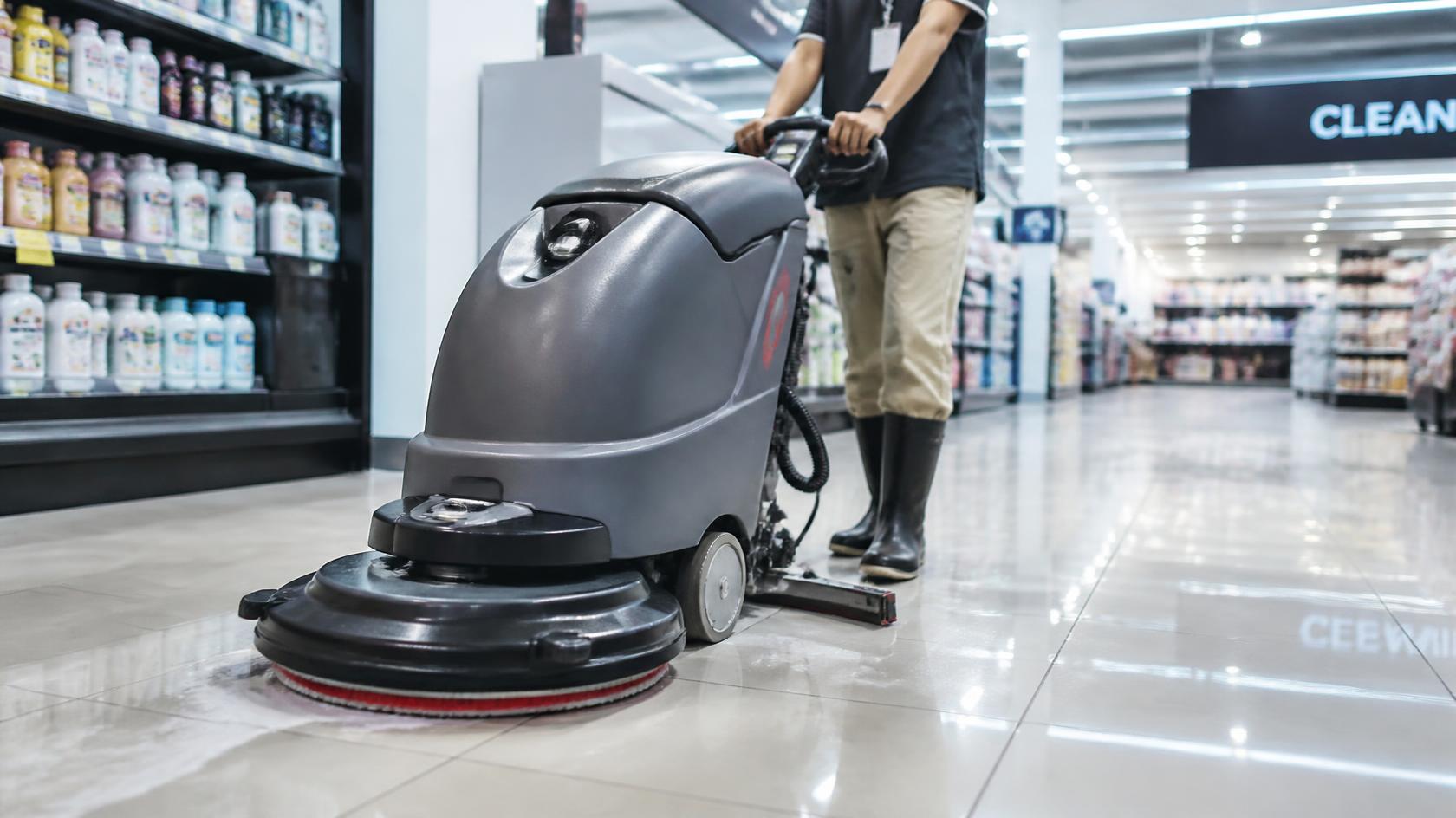
Rotary floor machines with soft or medium bristle heads work the loosened contaminants out of the grout channels and tile surface. The rotation speed and pad type must match the tile hardness. Polished porcelain requires softer pads at lower RPM. Unglazed terracotta can tolerate more aggressive agitation.
Step 3: Hot water extraction
Truck-mounted or portable hot water extraction units flush the loosened material out of the grout with heated water under controlled pressure, then simultaneously vacuum it away. This is what a domestic steam mop cannot replicate. The water temperature and pressure combination is what kills mould spores and bacteria that survive at lower temperatures.
Step 4: Grout sealing
Once dried, usually two to four hours after extraction, a penetrating or topical sealer is applied to the grout lines. This is the step most property managers skip when they try to DIY the process, and it is the reason results do not last. A properly sealed grout line resists recontamination for 12 to 24 months under normal traffic conditions.
Pro tip: Ask any tile cleaning company you are considering whether they carry pH testing strips or a meter on site. Companies that cannot tell you the pH of the product they are applying to your floor are operating by guesswork, and that guesswork can cost you a natural stone floor worth thousands of dollars.
Grout Restoration Melbourne: When Cleaning Is Not Enough
Grout restoration Melbourne property owners and facility managers need covers a broader set of interventions than cleaning alone. When grout is cracked, crumbling, or so deeply stained that colour cannot be recovered through cleaning, restoration options include re-grouting, grout colouring, and epoxy grout overlay.
Re-grouting vs. grout colouring
Re-grouting involves removing the existing grout with an oscillating tool or grout saw, then applying fresh grout. This is necessary when grout is structurally compromised, loose, or deeply cracked. It is labour-intensive and produces dust, which matters in operating commercial environments like aged care facilities where dust must be managed around vulnerable residents.
Grout colouring, sometimes called grout staining or grout painting, is appropriate when the existing grout is structurally sound but permanently discoloured. A technician applies a penetrating colourant directly over cleaned grout lines. The result is a uniform, refreshed appearance at roughly 40 to 60 percent of the cost of full re-grouting.
Epoxy grout for high-moisture environments
Epoxy grout is non-porous, chemical-resistant, and does not support mould growth. For commercial kitchens, food processing areas, and wet areas in childcare or medical facilities, epoxy grout overlay over existing grout lines is a long-term solution that eliminates the ongoing mould battle entirely. It costs more upfront but dramatically reduces ongoing cleaning frequency and compliance risk.
“Grout failure is one of the leading causes of tile floor damage in commercial settings. In most cases, the tiles themselves are fine. It is the grout that fails first, and restoring it early prevents water ingress that leads to adhesive failure and full floor replacement.” – Australian Tile Council technical guidance on floor maintenance
Commercial vs. Residential Tile Cleaning: Key Differences
The physical chemistry of tile and grout is the same whether you are in a Melbourne home or a supermarket. But the operational requirements, scale, and compliance context are fundamentally different, and treating them the same is a mistake that leads to inadequate results or unnecessary disruption.
Scale and equipment requirements
A residential bathroom or kitchen tiled area might be 20 to 40 square metres. A supermarket floor, warehouse amenity block, or hotel lobby might be 500 to 2,000 square metres. Truck-mounted extraction units with large-diameter hoses and wider rotary heads are required for commercial scale. Portable units used in residential work take too long and do not achieve the same water temperature or suction levels at commercial scale.
Scheduling around business operations
Commercial tile cleaning for schools, childcare centres, hotels, and medical facilities must happen outside operating hours. This means early morning starts, night shifts, or weekend work. A cleaning company that cannot commit to after-hours scheduling is not a viable commercial partner regardless of how competitive their pricing is.
Compliance documentation
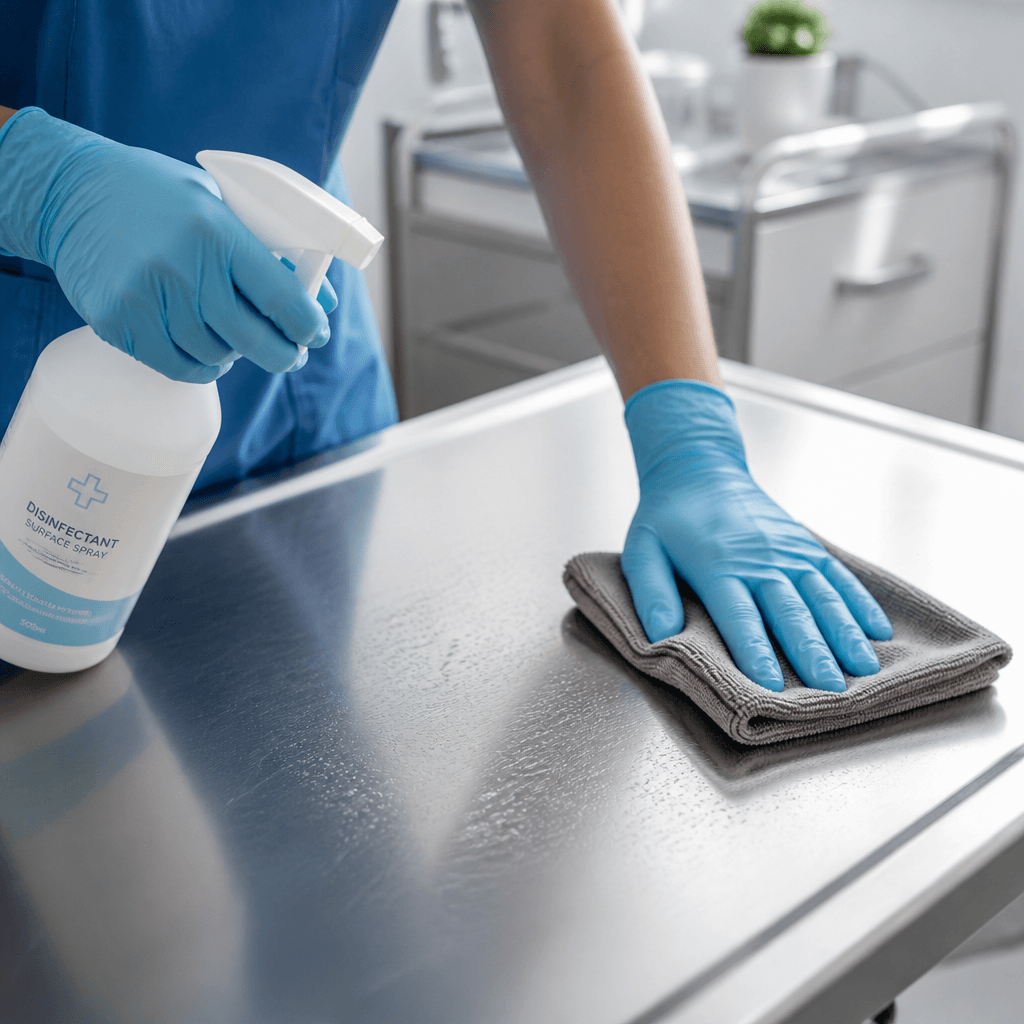
Aged care facilities, childcare centres, and medical environments in Victoria operate under specific infection control and maintenance standards. Professional tile and grout cleaning in these settings should come with documented service records, product safety data sheets, and evidence of appropriate insurance. This is non-negotiable for facilities that undergo regulatory audits.
Pro tip: If you manage a childcare centre or aged care facility in Melbourne, require your tile cleaning contractor to provide TGA-registered or APVMA-approved disinfectant data sheets alongside their cleaning methodology. Regulatory inspectors increasingly ask for this documentation, and a contractor who cannot provide it puts your compliance record at risk.
How to Evaluate a Tile Cleaning Company in Melbourne
Melbourne has no shortage of companies advertising tile and grout cleaning. The variation in quality, equipment, and knowledge between operators is significant. Here is how to separate the capable from the convincing.
Ask about their extraction method
Truck-mounted hot water extraction is the industry standard for serious tile cleaning. If a company is quoting for a large commercial floor but only uses portable steam cleaners, they are not equipped for the job. Ask directly: do you use truck-mounted extraction or portable units, and what is the water temperature at the nozzle?
Verify industry experience in your sector
A company with 15 years of experience cleaning commercial environments including medical facilities, childcare centres, and warehouses understands the operational constraints that a purely residential operator does not. Sector-specific experience means fewer disruptions, better chemical selection, and familiarity with the compliance requirements that apply to your facility type.
Check insurance and licensing
Public liability insurance of at least $10 million is standard for commercial cleaning operators in Victoria. Workers compensation coverage is also required. Licensing requirements for cleaning businesses in Victoria sit with Consumer Affairs Victoria. Any company unwilling to provide certificate of currency documentation should be disqualified immediately.
Request references from comparable facilities
A tile cleaning company claiming to service aged care facilities should be able to provide references from aged care facility managers, not just homeowners. The operational context is different enough that residential references do not validate commercial capability.
Cost Comparison: Restore vs. Replace
The financial case for professional tile and grout restoration over floor replacement is straightforward, but many property managers do not have the specific numbers in front of them when the decision needs to be made. The table below compares the three main options for a deteriorated tiled floor in a Melbourne commercial or residential setting.
| Option | Typical Cost per Square Metre (Melbourne, 2024) | Best Suited For |
|---|---|---|
| Professional deep cleaning and grout sealing | $8 to $25 depending on tile type, condition, and access | Floors with sound grout that is heavily soiled or stained. Ideal for most commercial and residential situations where tiles are intact. |
| Grout colouring or re-grouting (restoration) | $20 to $50 for colouring. $40 to $80 for partial re-grouting | Floors where grout is permanently discoloured or partially failing but tiles are structurally sound. Good for childcare, hotel, and residential bathrooms. |
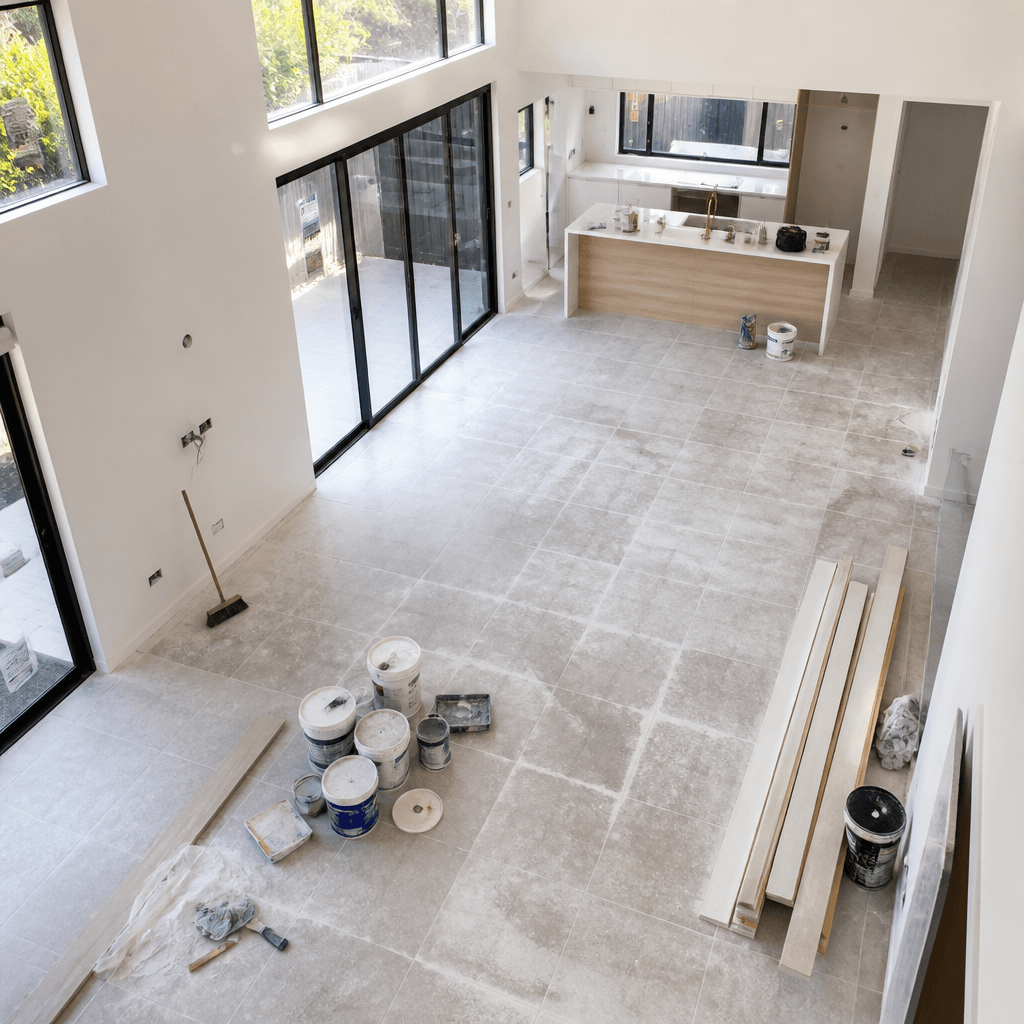
| Full tile floor replacement | $50 to $120 for materials and installation. Add $10 to $30 for tile removal | Only justified when tiles are cracked, hollow, or the subfloor is damaged. For most discoloured or dirty floors, this is the most expensive and least necessary option. |
The data consistently shows that property managers who invest in regular professional deep cleaning every three to six months for commercial floors avoid the $60 to $150 per square metre total replacement cost entirely. A 200 square metre commercial floor replacement costs $12,000 to $30,000. A maintenance cleaning program for the same floor costs $1,600 to $5,000 per year. The compounding saving over five years is not marginal. It is the entire financial argument for preventive maintenance.
Vibrant Property Services works with facility managers across Melbourne to schedule tile and grout maintenance programs that align with operational schedules, compliance requirements, and budget cycles. Their experience across sectors including childcare centres, aged care facilities, schools, hotels, and warehouses means the team understands the specific constraints each environment presents.
Frequently Asked Questions
How often should commercial tile floors be professionally cleaned?
High-traffic commercial environments such as supermarkets, hotel lobbies, and childcare centres should have professional deep cleaning every three to six months. Lower-traffic commercial offices and warehouses typically need it once or twice per year. The right frequency depends on foot traffic volume, the type of soiling, and whether the grout is sealed. Sealed grout extends the interval between professional cleans significantly.
Can badly stained grout ever be fully restored without replacement?
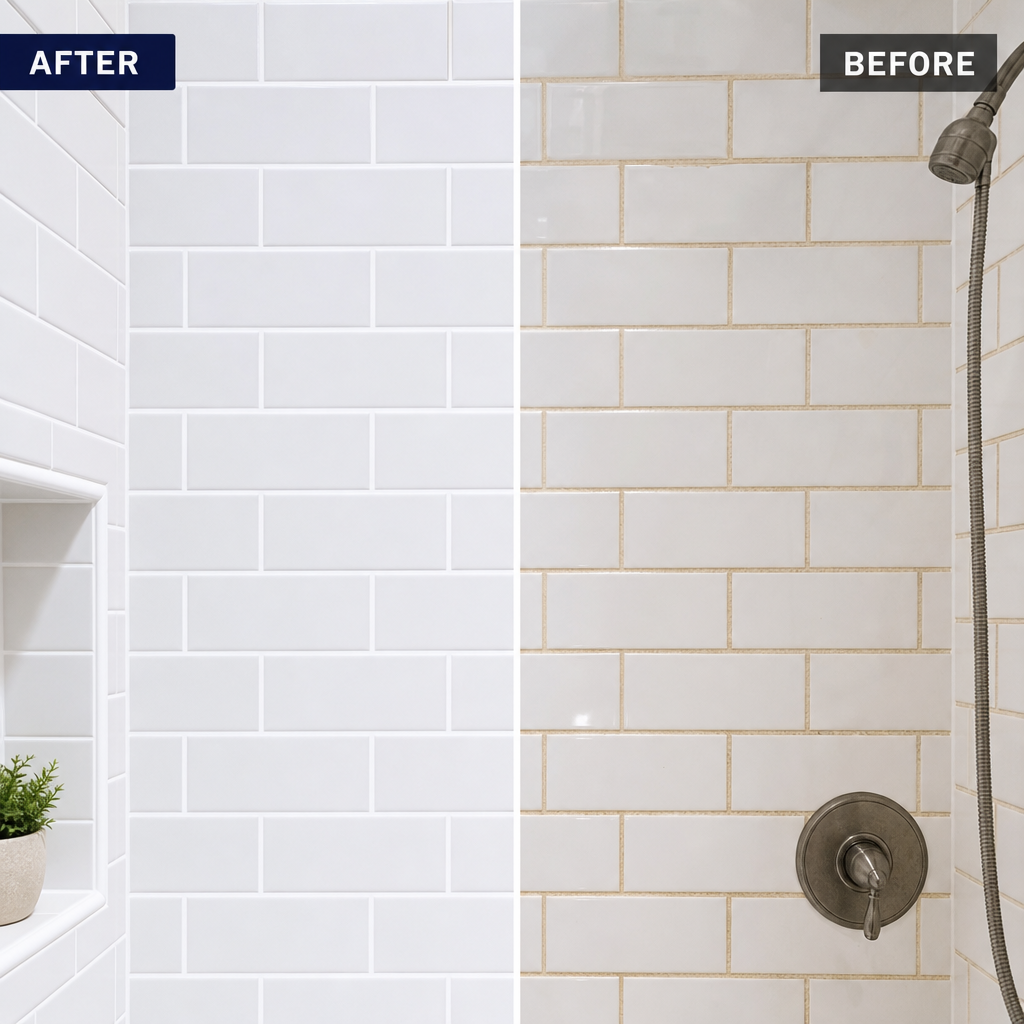
In most cases, yes. Grout that appears black or brown is often heavily soiled rather than permanently damaged. Professional hot water extraction combined with pre-treatment chemicals removes the vast majority of embedded contamination. When staining is permanent due to chemical damage or very old organic matter, grout colouring is a cost-effective alternative to full re-grouting. Full replacement is only necessary when the grout is crumbling or the tile adhesion is failing.
What types of tiles require special care during deep cleaning?
Natural stone tiles including marble, travertine, limestone, and slate require pH-neutral cleaning agents only. Acidic cleaners etch the surface permanently. Polished porcelain is sensitive to scratching from abrasive pads. Terracotta and unglazed ceramic are highly porous and benefit from sealing after cleaning. Any competent tile cleaning company in Melbourne should be able to identify your tile type before applying any product and adjust their method accordingly.
How long does a professional tile and grout clean take to dry?
With hot water extraction, grout lines are typically dry enough to walk on within two to four hours under normal Melbourne indoor temperature and ventilation conditions. Full cure of the grout sealer applied post-cleaning takes 24 hours. For commercial facilities, this means a late-night or early-morning cleaning session typically allows normal operations to resume by opening time without any wet floor risk.
Is grout sealing a marketing upsell or genuinely necessary?
It is genuinely necessary, and this is one point worth being direct about. Unsealed grout reabsorbs contaminants within weeks because cement-based grout is inherently porous. Without sealing after a professional deep clean, you are accelerating the re-soiling process. The cost of sealing is modest relative to the cleaning itself and extends the results by 12 to 24 months. Any operator who tells you sealing is optional is prioritising repeat business over your floor’s condition.
Can tile and grout cleaning be done while a business is operating?
For most commercial environments, it is not advisable. Wet floors create slip hazards, extraction equipment generates noise, and chemical pre-treatments need dwell time without foot traffic contaminating the treated surface. Schools, childcare centres, medical facilities, and hospitality venues almost always schedule professional tile cleaning outside operational hours. A professional cleaning company should be willing to work after hours or on weekends to accommodate your schedule.
How do I know if my grout needs cleaning, restoration, or replacement?
A professional inspection is the most reliable answer. As a general guide: if grout is dark and dirty but structurally intact, cleaning is sufficient. If grout is permanently discoloured or inconsistently coloured after a thorough clean, grout colouring or re-grouting is appropriate. If grout is crumbling, hollow-sounding when tapped, or missing in sections, and if tiles are loose or cracked, then partial or full re-grouting and potentially tile replacement is necessary. A reputable Melbourne tile cleaning company will give you an honest assessment rather than recommending the most expensive option by default.
Have you recently had tile and grout restoration done in your Melbourne property? Share what method was used and whether the results matched your expectations. Your experience helps other property managers and homeowners make better-informed decisions.
References
- Victorian Government Department of Health: Infection prevention and control guidelines for healthcare and regulated facilities in Victoria
- Australian Competition and Consumer Commission: Consumer rights and service quality standards for professional cleaning services in Australia
- Statista: Commercial cleaning industry market size, revenue data, and service demand trends for Australia
- Forbes: Property maintenance cost analysis and the financial case for preventive facility management over reactive replacement
- EPA Victoria: Cleaning product chemical use, wastewater management, and environmental compliance requirements for commercial cleaning operators