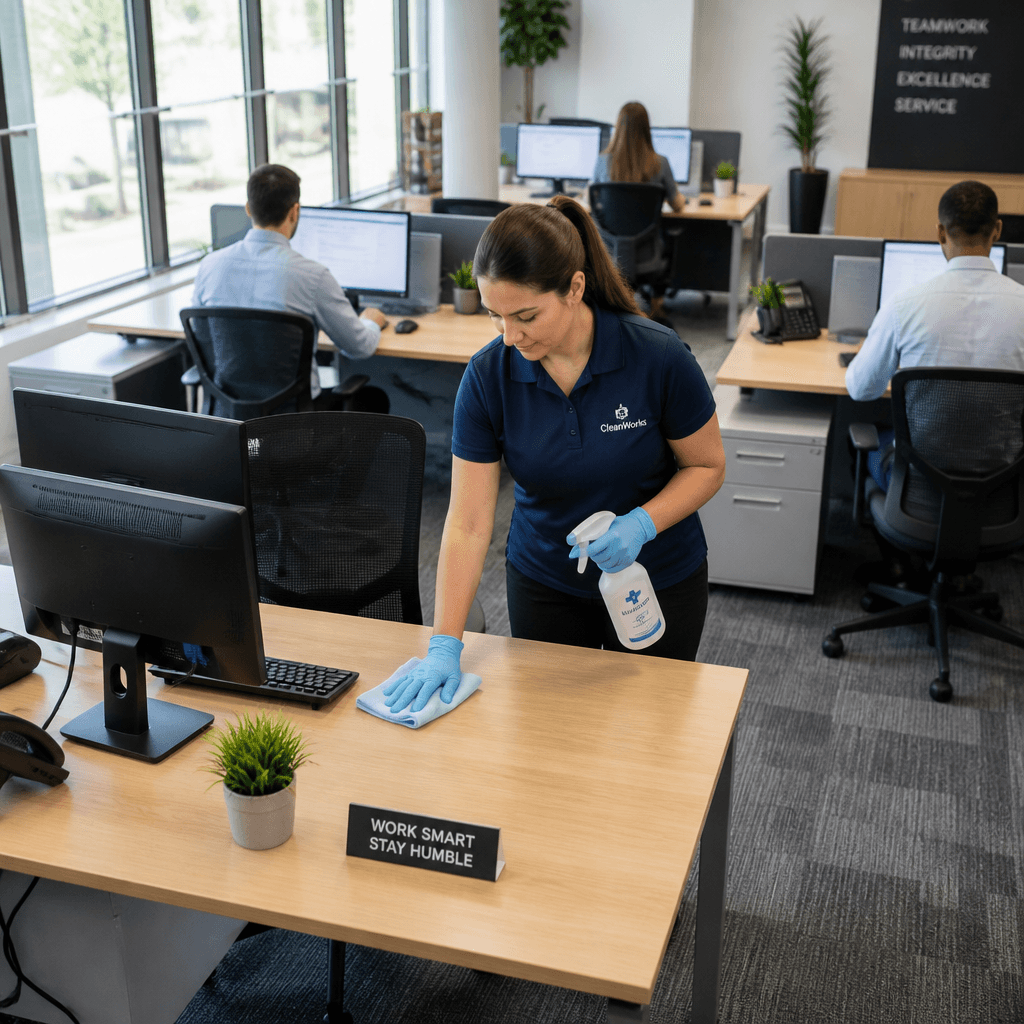

Stay Spotless Year-Round
Most Melbourne homeowners don’t realise how quickly a home slips from clean to chaotic, especially across four distinct seasons that each bring their own mess. Muddy winter boots, spring pollen, summer humidity, and autumn leaf debris all demand different responses. Residential cleaning Melbourne isn’t a one-size-fits-all task, and treating it like one is where most people go wrong. With over 15 years of hands-on experience serving Melbourne homes and commercial properties, Vibrant Property Services has seen firsthand what separates homes that stay spotless from those that spiral into a constant, exhausting catch-up cycle.
Table of Contents
- Quick Takeaways
- Why Year-Round Cleaning Matters in Melbourne
- A Practical Seasonal Cleaning Schedule for Melbourne Homes
- Common Mistakes Melbourne Homeowners Make
- Professional vs. DIY Cleaning: What Actually Works
- High-Impact Areas to Prioritise in Your Home
- Choosing the Right Home Cleaning Services in Melbourne
- Frequently Asked Questions
- References
Quick Takeaways
Key Insight | Explanation |
|---|---|
Seasonal cleaning beats reactive cleaning | Melbourne’s weather variations require proactive seasonal routines, not just cleaning when things look visibly dirty. |
Grout and tile are the first things to degrade | In Melbourne bathrooms and kitchens, grout deteriorates fast without routine maintenance, leading to costly restoration work later. |
High-pressure cleaning is underused by homeowners | Driveways, patios, and external surfaces in Melbourne accumulate mould and grime seasonally. Pressure washing twice a year prevents permanent staining. |
DIY cleaning misses what professionals catch | Most homeowners clean surfaces. Professionals clean systems, including ventilation grilles, behind appliances, and window tracks that trap allergens. |
Consistent scheduling reduces total cleaning time | Homes cleaned on a consistent fortnightly or monthly schedule require 40% less effort per session compared to irregular deep cleans. |
Window cleaning affects indoor air quality | Dirty windows with blocked tracks accumulate dust and mould spores that circulate inside the home, particularly during Melbourne’s windy spring months. |
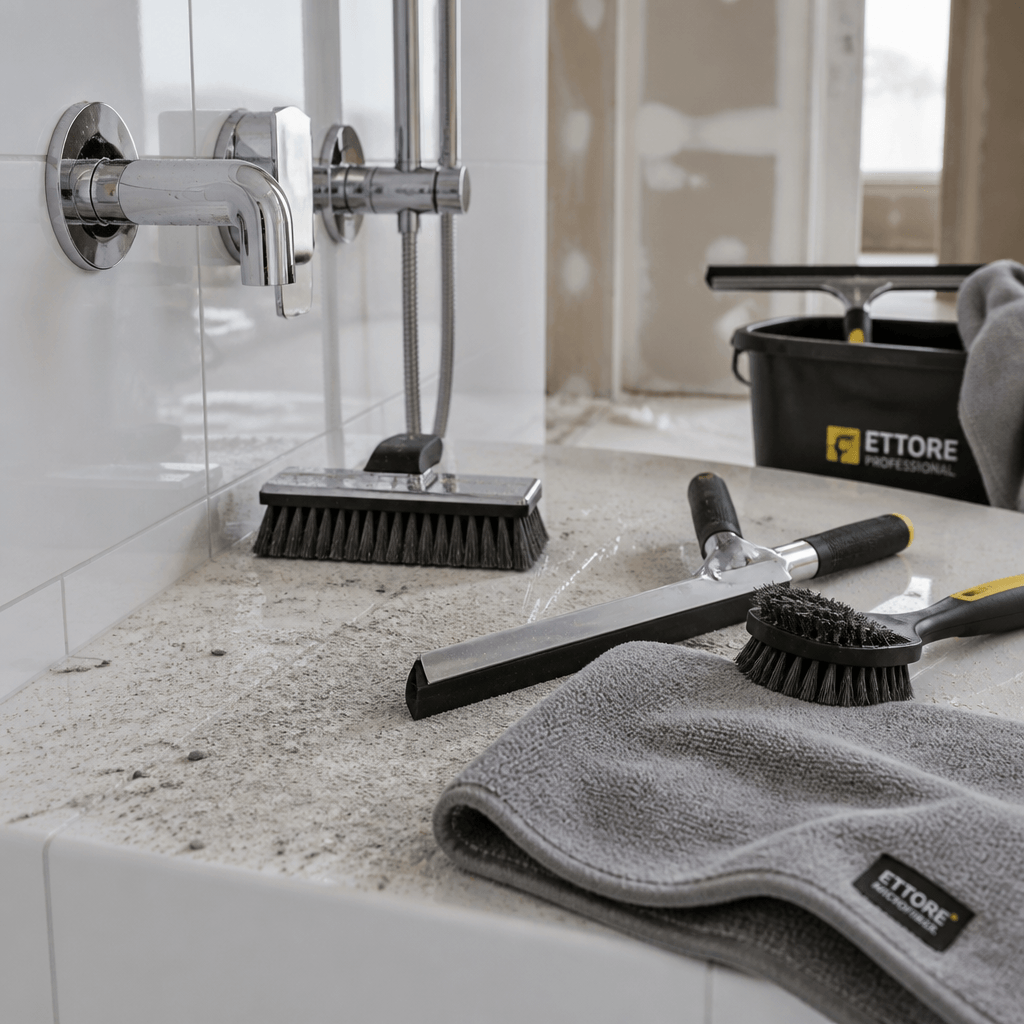
Builder’s cleans are not optional after renovations | Post-renovation dust is ultrafine and settles into HVAC systems and cabinetry. A professional builder’s clean removes hazards standard vacuums miss entirely. |
Why Year-Round Cleaning Matters in Melbourne
Melbourne’s climate is notoriously unpredictable. A single week can deliver four seasons, and each weather shift deposits something new in your home. Spring brings pollen and open-window dust. Summer brings humidity that feeds mould growth in bathrooms and kitchens. Autumn brings tracked-in debris and decaying leaves near entryways. Winter brings mud, condensation on windows, and reduced ventilation that traps airborne particles indoors.
The data consistently shows that indoor air quality drops significantly during winter months when homes are sealed. According to the Australian Department of Health, Australians spend approximately 90% of their time indoors, making indoor cleanliness a direct health factor, not just an aesthetic one. Dust mite populations, mould spores, and allergen buildup all increase when cleaning is irregular or reactive.
Year-round residential cleaning in Melbourne is not about obsessive tidiness. It is about managing a predictable cycle of environmental inputs that, left unaddressed, compound into expensive problems. Grout that discolours, carpet that permanently traps odour, and window seals that grow mould are all outcomes of deferred maintenance, not bad luck.
“A clean home is not the result of cleaning more. It is the result of cleaning smarter, at the right times, with the right methods.” – Vibrant Property Services, Melbourne
In practice, the Melbourne homes that stay consistently clean share one common habit: they do not treat cleaning as an event. They treat it as a system with scheduled inputs at predictable intervals. That shift in thinking is what separates low-effort, high-result homes from the ones that require a full weekend of cleaning every few months just to get back to baseline.


A Practical Seasonal Cleaning Schedule for Melbourne Homes
Generic cleaning checklists ignore geography. A cleaning routine built for a dry Sydney climate does not account for Melbourne’s humidity spikes or its specific pollen calendar. What follows is a schedule built specifically around Melbourne’s seasonal realities, drawn from years of servicing Melbourne homes across suburbs from the inner city to the outer south-east.
Summer Cleaning Priorities (December to February)
Summer humidity in Melbourne accelerates mould growth in bathrooms, laundries, and under kitchen sinks. The priority tasks in summer are ventilation cleaning, bathroom grout treatment, and external window washing. If you have an evaporative cooling system, the filters require cleaning before the season peaks. Ceiling fans accumulate significant dust and become active allergen distributors once turned on for the first time.
Pro tip: Before running your ceiling fans for the first time each summer, wipe each blade with a damp microfibre cloth. The layer of settled dust, if circulated, will coat every surface in the room within hours.
Autumn Cleaning Priorities (March to May)
Autumn is the season most Melbourne homeowners underestimate. Leaves and organic debris tracked into the home begin to break down and attract insects if left in entry mats and floor corners. This is also the ideal time for a thorough carpet clean before winter seals the house. Gutters require clearing to prevent water ingress that leads to internal wall damp and mould.
Winter Cleaning Priorities (June to August)
Reduced ventilation makes winter the most important season for indoor air quality management. Condensation on windows creates mould on sills and frames within weeks. Bathroom exhaust fans must be cleaned so they actually function. Hard floors need more frequent mopping because tracked-in moisture and mud dry into a fine grit that scratches surfaces over time.
Spring Cleaning Priorities (September to November)
Spring is when Melbourne’s infamous wind carries pollen, dust, and spores through every open window. This is the season for a full window clean, inside and out, including tracks and seals. It is also the right time for high-pressure cleaning of driveways, patios, and external tiles before summer entertaining begins. Internal vents and rangehood filters should be cleaned before the warmer months increase cooking frequency.
Pro tip: Schedule your annual professional deep clean for late August or early September. You capture the end of winter buildup and prepare the home for spring before the dust and pollen season arrives.
Common Mistakes Melbourne Homeowners Make
A common mistake is confusing surface cleaning with actual cleaning. Wiping down benchtops and vacuuming visible floors addresses about 30% of the actual particulate load in a home. The remaining 70% lives in soft furnishings, window tracks, behind appliances, inside vents, and in grout lines that standard cleaning tools simply do not reach.
Another frequent error is using the wrong products on Melbourne’s most common surfaces. Many Melbourne homes feature polished concrete, Victorian-era timber floors, or natural stone tiles. Applying standard supermarket cleaning sprays to these surfaces causes long-term damage. Acidic cleaners etch natural stone. Ammonia-based products dull polyurethane timber floor finishes. The result is surfaces that look dirtier faster because the protective coating has been compromised.
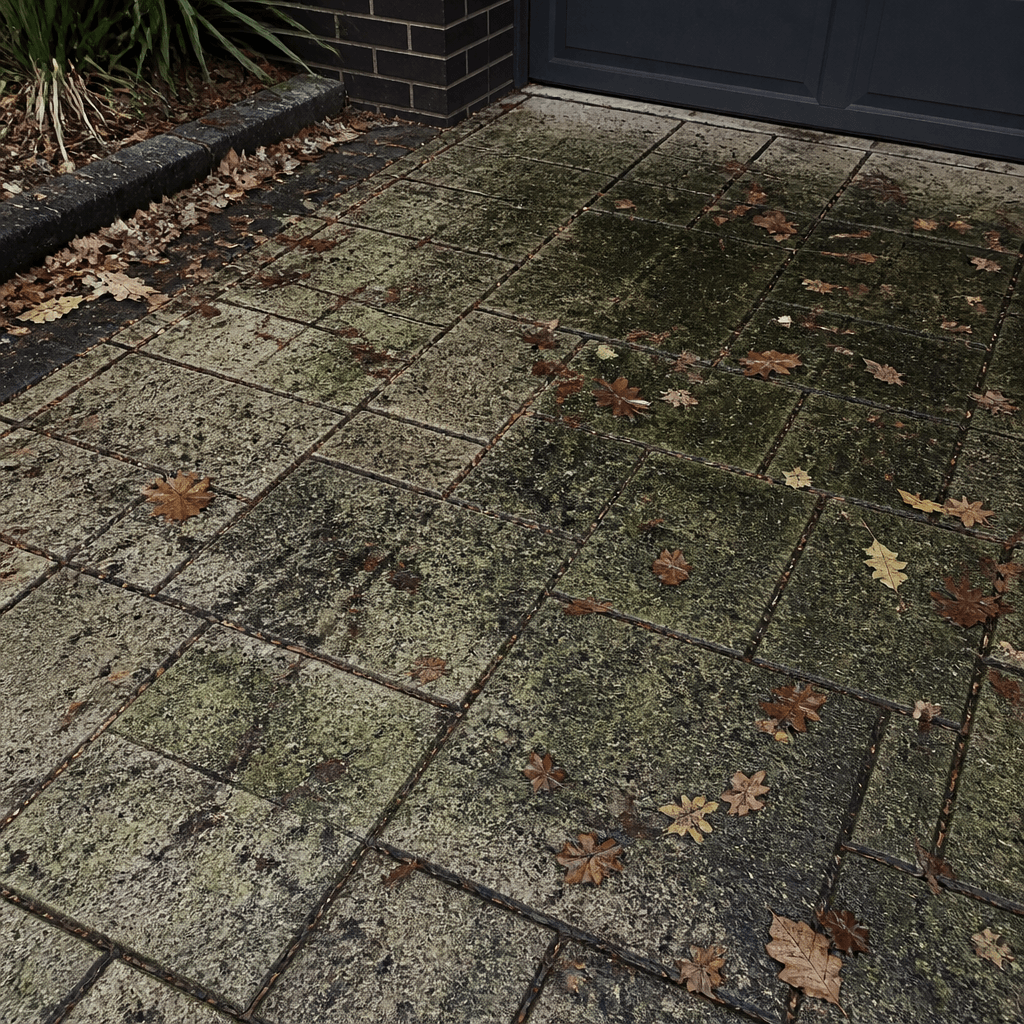
The third most common mistake is ignoring external surfaces until they become a problem. Melbourne’s south-facing walls, driveways, and paved entertaining areas develop algae and mould colonies that, once established, require aggressive treatment to remove. Twice-yearly high-pressure cleaning prevents this entirely at a fraction of the remediation cost.

Professional vs. DIY Cleaning: What Actually Works
The honest answer is that both have a role, but most homeowners misallocate their effort between them. DIY cleaning is effective for maintenance tasks performed frequently: daily surface wipe-downs, regular vacuuming, and weekly bathroom cleans. These tasks prevent buildup and are well within the capability of any motivated homeowner with the right products.
Professional house cleaning services Melbourne deliver measurable value in three specific scenarios: deep cleaning tasks that require commercial-grade equipment, post-event or post-renovation cleaning, and periodic resets that go beyond what regular maintenance covers. The difference is not effort. It is access. Commercial vacuums operate at filtration levels that consumer models cannot match. Professional tile cleaning machines remove embedded grime from grout that no scrubbing brush will reach.
Comparison: DIY vs. Professional vs. Hybrid Approach
Approach | Best For | Limitations |
|---|---|---|
DIY Only | Weekly maintenance, surface tidying, basic bathroom and kitchen upkeep | Misses deep-set grime, grout, vents, window tracks, and allergen-heavy zones. Time-intensive for busy Melbourne households. |
Professional Only | Homes with minimal daily maintenance between professional visits, rental properties, post-construction sites | Cost-prohibitive if used as a substitute for all daily upkeep. Booking gaps can allow maintenance issues to escalate. |
Hybrid (DIY maintenance + scheduled professional cleans) | Most Melbourne households wanting consistent results with managed cost | Requires discipline to maintain the DIY component between professional visits. Best results come from clear task division. |
In practice, the hybrid model works best for the majority of Melbourne homeowners. Fortnightly or monthly professional visits from a provider like Vibrant Property Services handle the deep work, while daily and weekly DIY routines maintain the baseline. This approach reduces the total hours spent cleaning and produces consistently better results than either approach alone.
High-Impact Areas to Prioritise in Your Home
Not all cleaning effort delivers equal results. The areas that most directly affect how clean a home feels and how healthy it is to live in are often not the ones homeowners instinctively focus on. Understanding where impact concentrates changes how you allocate time and resources.
Bathrooms: Grout and Ventilation First
Grout lines in bathroom tiles are the single fastest-degrading surface in any Melbourne home. Moisture, soap residue, and organic matter combine to create mould colonies within weeks if grout is not sealed and regularly cleaned. A professional tile and grout restoration service can reverse years of discolouration and re-seal surfaces to make ongoing maintenance dramatically easier. This is not a cosmetic service. Mould in bathroom grout affects air quality in adjacent rooms.
Kitchen: Behind and Below Appliances
The space behind and beneath the refrigerator, oven, and dishwasher accumulates grease, dust, and food particles that are invisible but actively attract pests and degrade appliance performance. Most homeowners clean these areas once every two to three years. In practice, twice yearly is the minimum for a hygienic kitchen in a Melbourne home.
Windows and Tracks: The Overlooked Air Quality Factor
Window tracks collect dead insects, dust, mould spores, and moisture. In Melbourne’s windy spring and summer months, these tracks become active sources of indoor air contamination every time a window is opened. Professional window cleaning that includes track cleaning removes this source entirely. The visual improvement is secondary to the health benefit.
Entryways and Mudrooms: The First Line of Defence
Everything that enters your home from outside, whether shoes, bags, or pets, passes through the entry zone. A common mistake is having entry mats that are never cleaned. Mats that are not regularly washed become concentrated deposits of bacteria, pollen, and soil that redistribute every time someone walks across them. Washing entry mats weekly during winter and bi-weekly at other times is one of the highest-ROI cleaning habits a Melbourne homeowner can adopt.
Choosing the Right Home Cleaning Services in Melbourne
Melbourne has no shortage of cleaning providers, but the quality variance is significant. Choosing a cleaning service based on price alone is a reliable way to end up with inconsistent results, missed areas, and the recurring frustration of re-cleaning after the professionals have left. The selection criteria that actually matter are experience, scope of services, and whether the provider understands the specific demands of Melbourne properties.
Experience with diverse property types matters far more than years in business alone. A provider who has cleaned childcare centres, aged care facilities, medical environments, and residential homes brings a discipline and attention to hygiene standards that is not found in services focused exclusively on basic domestic cleaning. Vibrant Property Services applies the same systematic approach to residential clients that their commercial and specialist facility work demands.
Scope matters because home cleaning needs are not static. A provider who only offers general cleaning will not be able to support you when you need a post-renovation builder’s clean, high-pressure driveway work, or tile and grout restoration. Working with one trusted provider for multiple service types produces better results because they understand your property’s history and specific requirements.
Look for providers who offer tailored cleaning plans rather than fixed packages. Melbourne homes vary enormously, from inner-city apartments to large family homes in Melbourne’s south-eastern suburbs. A provider who applies the same checklist to every property will inevitably underserve both ends of that spectrum.
Pro tip: Ask any cleaning service provider how they handle product selection for specialty surfaces. If they cannot immediately describe their approach to natural stone, polished timber, or evaporative cooling systems, they are not the right fit for Melbourne homes with these common features.
Frequently Asked Questions
How often should I book a professional residential cleaning service in Melbourne?
For most Melbourne households, a professional clean every two to four weeks delivers the best balance of results and cost. Homes with pets, children, or allergy sufferers benefit most from fortnightly visits. Properties with fewer occupants or very consistent DIY maintenance can stretch to monthly professional visits without quality degradation.
What is included in a standard home cleaning service in Melbourne?
A standard residential clean from a reputable Melbourne provider covers kitchen surfaces and appliance exteriors, bathroom and toilet cleaning, vacuuming and mopping of all floor surfaces, dusting of accessible surfaces and fixtures, and rubbish removal. Deep cleans extend to oven interiors, window tracks, skirting boards, rangehood filters, and behind appliances. Always confirm scope in writing before booking.
How much does residential cleaning cost in Melbourne?
Costs vary based on property size, frequency, and scope. General house cleaning in Melbourne ranges from approximately $150 to $350 per session for a standard three-to-four bedroom home. Specialised services such as tile and grout restoration, high-pressure cleaning, or end-of-lease cleans are priced separately. Providers offering rates significantly below market typically cut corners on time, products, or staff qualifications.
Is high-pressure cleaning necessary for Melbourne homes?
Yes, particularly for driveways, exposed aggregate paths, paved entertaining areas, and south-facing walls. Melbourne’s weather creates consistent algae and mould growth on external surfaces that standard cleaning cannot remove. High-pressure cleaning twice a year, ideally in spring and autumn, prevents permanent staining and reduces slip hazards on wet surfaces.
What should I do before a professional cleaner arrives?
Clear clutter from surfaces and floors so the cleaning team can access and clean rather than organise. Identify any areas of specific concern or specialty surfaces that require particular products. If you have pets, secure them and inform the provider in advance. The more access cleaners have to surfaces, the more effective and efficient the clean will be.
Can professional cleaning help with allergies in Melbourne homes?
Significantly, yes. Melbourne ranks among Australia’s highest cities for allergic rhinitis and asthma prevalence, partly due to its grass pollen levels. Professional cleaning with HEPA-filter equipment removes allergens that standard vacuums recirculate. Grout mould treatment, window track cleaning, and rangehood filter maintenance all reduce the allergen load that circulates through the home’s air system.
How do I maintain cleanliness between professional visits?
Focus on high-traffic zones: entryways, bathrooms, kitchen benches, and dining areas. A 15-minute daily routine that addresses these zones prevents the accumulation that makes deep cleaning necessary. Consistent habits between professional visits reduce the total scope of professional sessions, which means either lower cost per visit or more time spent on areas that genuinely need deep attention.
What cleaning challenge in your Melbourne home has been the hardest to solve? Share your experience and we can help point you toward the most effective approach.
References
Statista: cleaning industry market data and consumer behaviour statistics for Australia
Forbes: expert insights on home maintenance costs, scheduling, and property value preservation