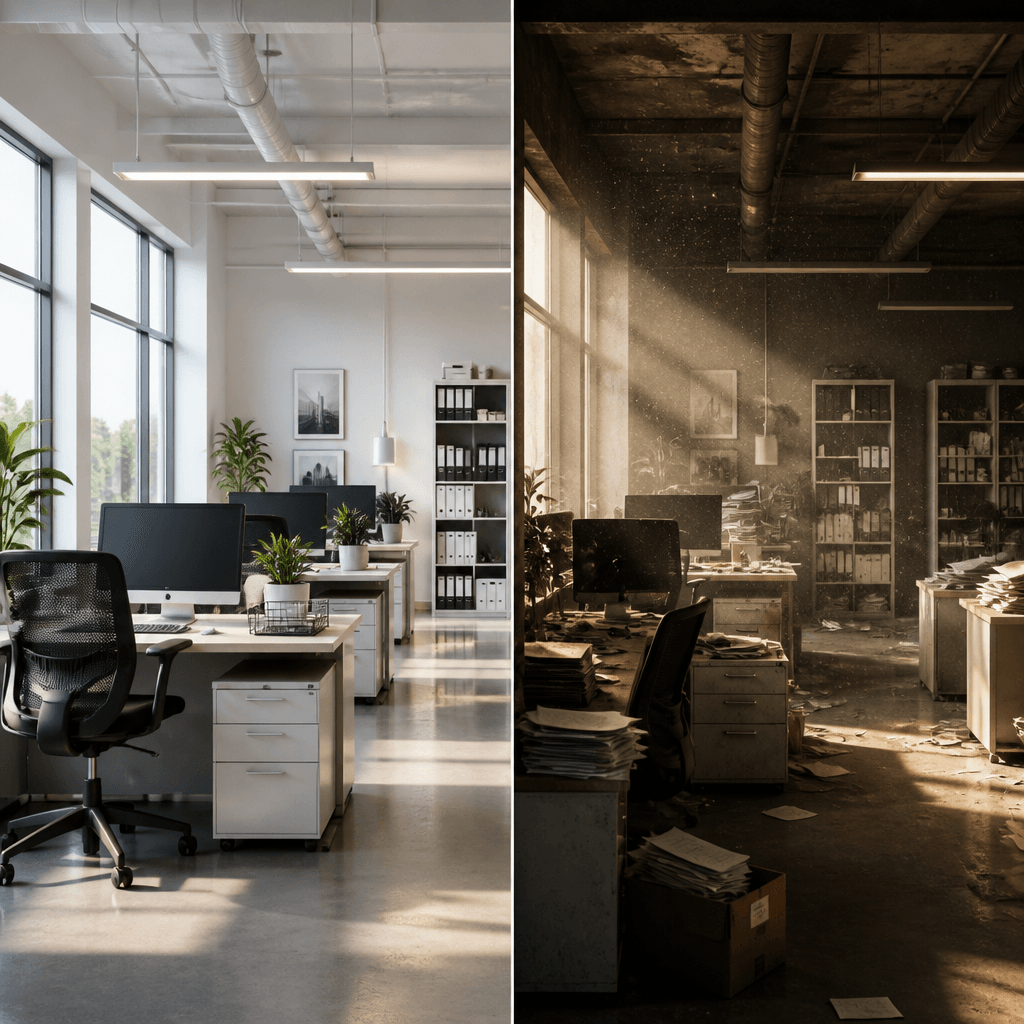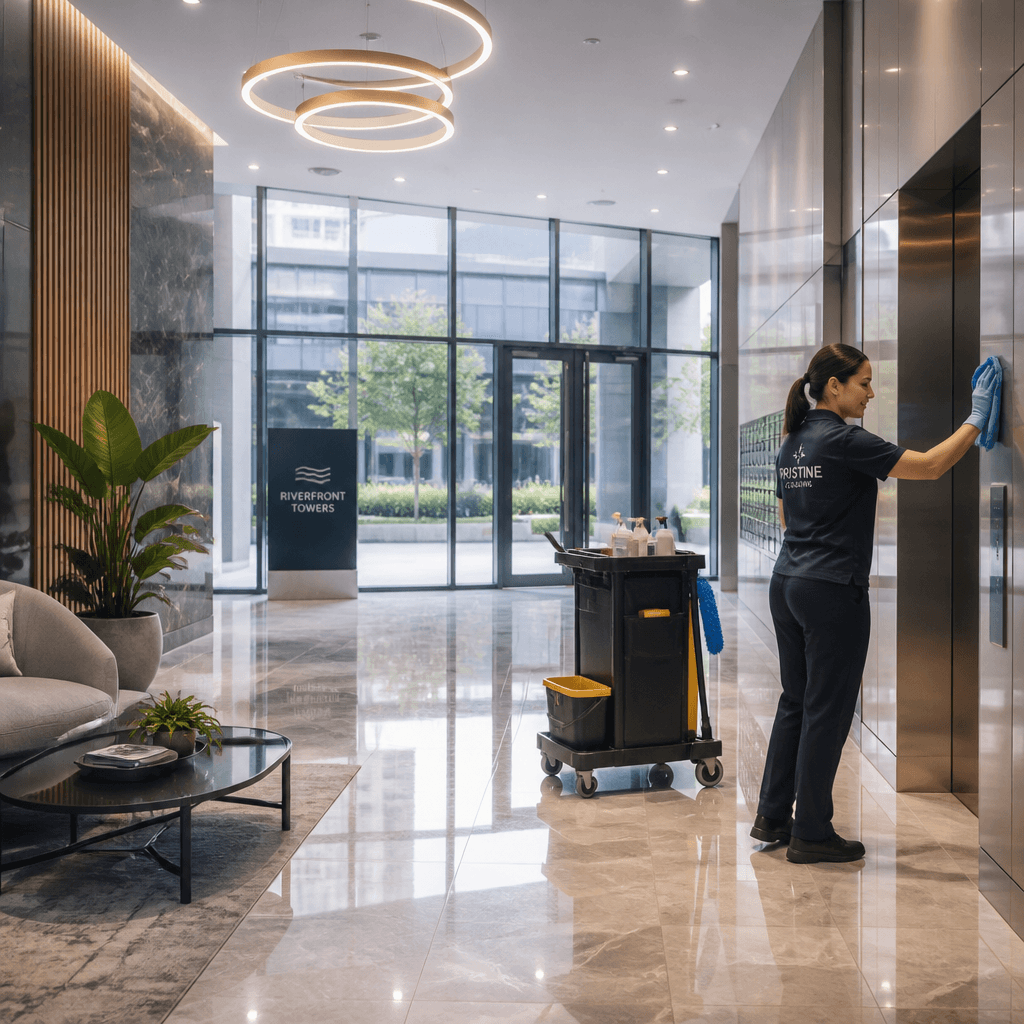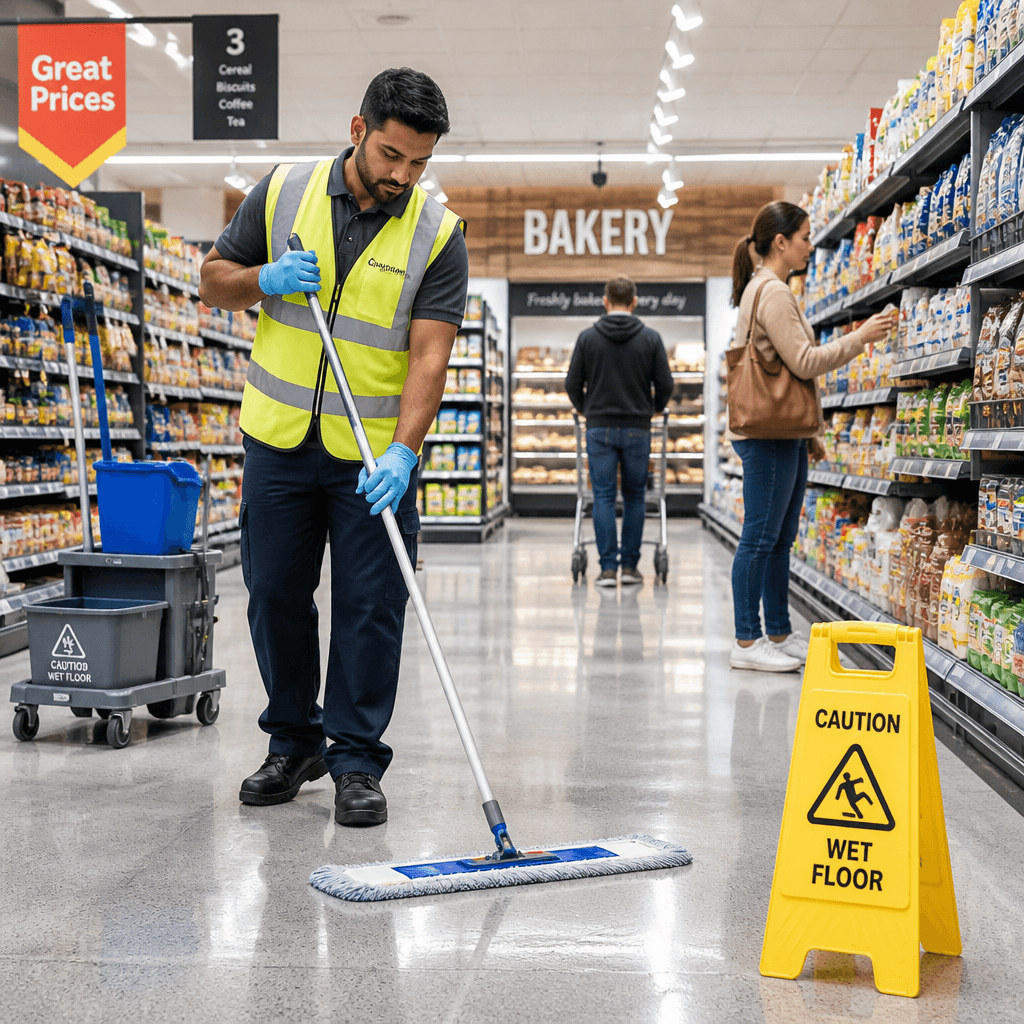

Most commercial floor problems are not caused by poor-quality flooring. They are caused by neglect of one maintenance step: proper stripping and sealing. Walk into any Melbourne childcare centre, supermarket, or aged care facility where the floors look dull, scratched, and perpetually grimy no matter how often they are mopped, and you will almost certainly find a sealant layer that has broken down, built up unevenly, or was never applied correctly in the first place. Floor stripping and sealing in Melbourne is not a cosmetic luxury. It is the single most effective way to protect a hard floor investment, maintain hygiene standards, and reduce long-term replacement costs across any commercial environment.
Table of Contents
- Quick Takeaways
- What Is Floor Stripping and Sealing?
- Which Commercial Floors Need Stripping and Sealing?
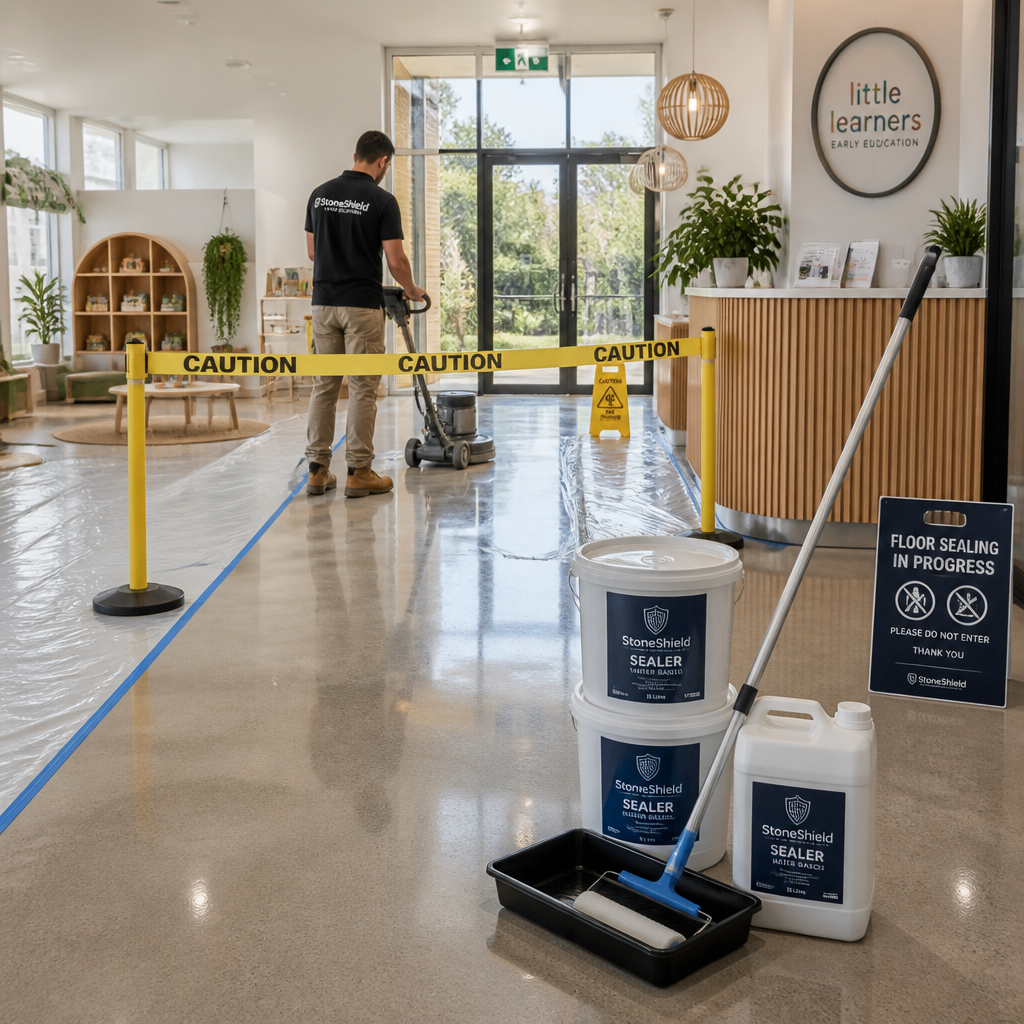
- The Step-by-Step Stripping and Sealing Process
- How Often Should Commercial Floors Be Stripped and Sealed?
- Choosing the Right Sealer for Your Floor Type
- Comparing Sealing Approaches for Commercial Environments
- Common Mistakes That Destroy Commercial Floor Finishes
- Maintaining Sealed Floors Between Professional Services
- Frequently Asked Questions
- References
Quick Takeaways
| Key Insight | Explanation |
|---|---|
| Stripping must come before sealing | Applying fresh sealer over old, degraded layers traps dirt and creates an uneven finish that fails faster than a properly stripped surface. |
| High-traffic commercial floors need attention every 6 to 12 months | Spaces like supermarkets, childcare centres, and hospital corridors wear through sealant far faster than low-traffic offices. |
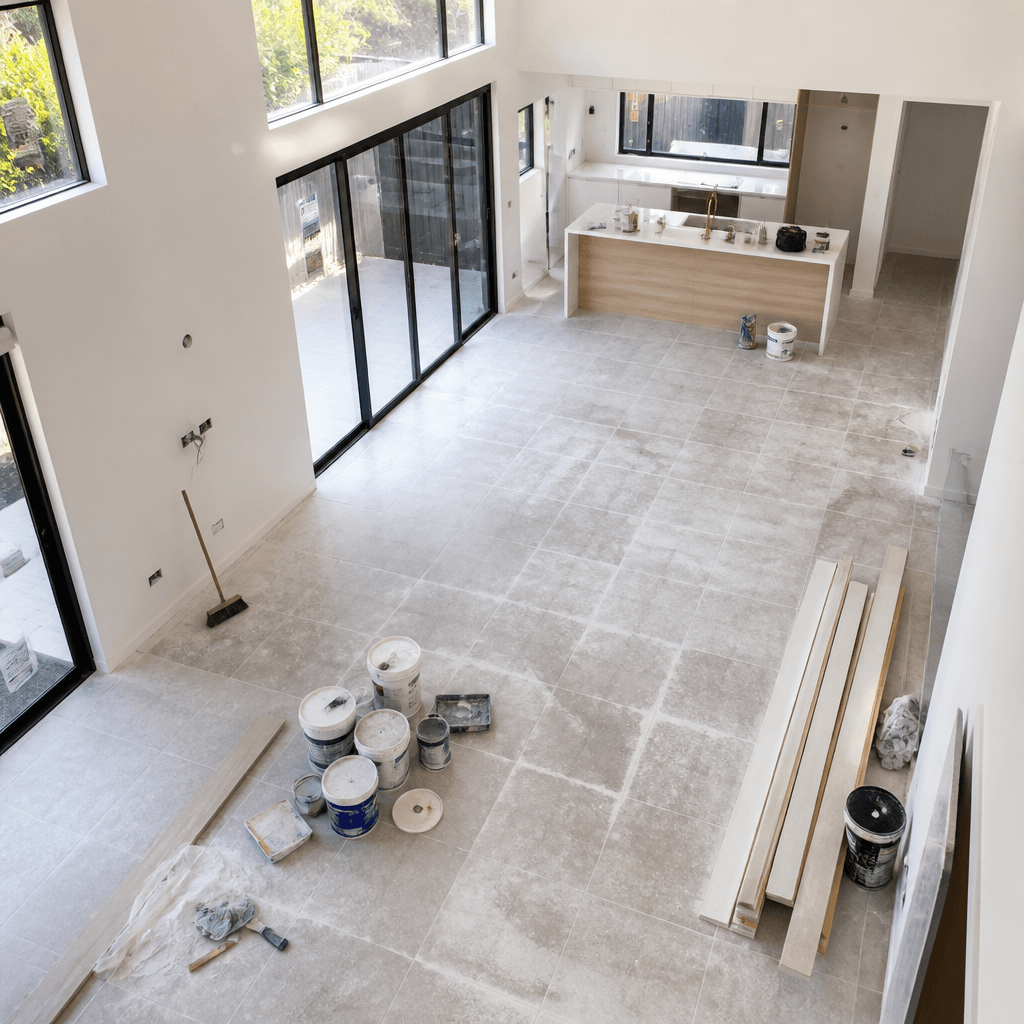
| New floors can be sealed immediately without stripping | Freshly installed flooring skips the stripping stage entirely. Sealing straight away prevents stains, scratches, and bacteria absorption from day one. |
| Multiple thin coats outperform one thick coat | A single heavy application of sealer is prone to peeling and uneven curing. Two to four thin coats, each fully dried before the next, deliver a far more durable bond. |
| The wrong stripping chemical will damage certain floor types | Acidic strippers destroy natural stone and some tile grout. Matching the chemical to the floor material is not optional. |
| Slip resistance is a compliance issue, not just aesthetics | A fresh sealant layer restores consistent slip resistance, which directly supports workplace health and safety obligations under Australian law. |
| DIY floor stripping carries real financial risk | Using the wrong dilution ratio or leaving stripper on too long can permanently etch or warp the floor surface, creating a repair bill far larger than professional servicing. |
What Is Floor Stripping and Sealing?
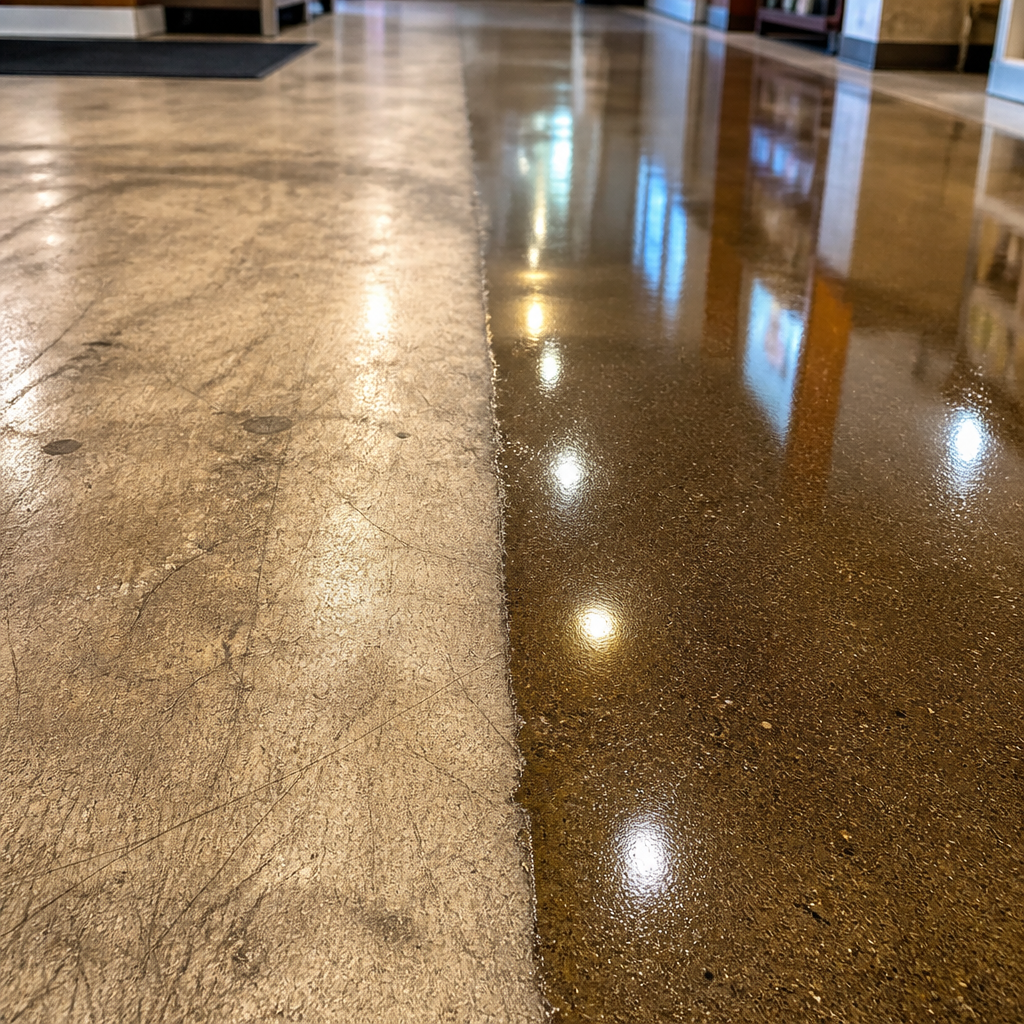
Floor stripping and sealing is a two-stage hard floor restoration process. Stripping removes every layer of old sealant, wax, and embedded grime from the floor surface. Sealing then applies a fresh, protective coating that bonds to the clean substrate and forms a durable barrier against future wear, staining, and moisture penetration.
These two stages cannot be separated if you want a lasting result. Sealing over a contaminated or unevenly stripped surface is one of the most common and expensive mistakes made in commercial floor maintenance. The old layers prevent proper adhesion, and the new sealer begins to peel or yellow within weeks.
The process is most commonly applied to vinyl, linoleum, hardwood, tiles, stone, and concrete floors. Each material requires a specific approach to both the stripping chemical and the sealer type, which is why product knowledge and surface assessment are non-negotiable steps before any work begins.
Which Commercial Floors Need Stripping and Sealing?
Not every floor type requires the full strip-and-seal cycle, but most hard commercial floors benefit from it. The key question is not whether your floor needs sealing, but how often and with what product.
Vinyl and Linoleum
These are the most common candidates for regular stripping and sealing across Melbourne’s commercial sector. Vinyl is found in childcare centres, aged care facilities, medical environments, and commercial kitchens precisely because it is durable and easy to maintain. Over time, however, cleaning chemicals and foot traffic degrade the polymer finish. A professional strip-and-seal cycle restores both the appearance and the protective barrier that makes vinyl hygienic and slip-resistant.
Hardwood and Timber
Timber floors in offices, hotels, and retail spaces require a gentler approach. The stripping chemical must be carefully matched to avoid raising the grain or causing warping. Hardwood floors typically carry a polyurethane or water-based sealant that, when properly maintained, can last for years. The mistake most facility managers make is buffing over a degraded finish instead of stripping it properly and starting fresh.
Tiles and Natural Stone
Ceramic tiles, porcelain, and natural stone such as marble or terrazzo all benefit from sealing, but stripping must be approached carefully. Acidic strippers will etch grout and damage polished stone surfaces. The correct product is an alkaline or neutral-pH stripper, followed by a penetrating sealer that protects without altering the tile’s appearance.
Concrete
Sealed concrete is increasingly common in Melbourne warehouses, industrial facilities, and modern retail environments. Concrete sealers prevent dusting, reduce porosity, and make the surface far easier to clean. Stripping aged or peeling concrete sealer typically requires a mechanical grinding or scarifying step alongside chemical application, which is why this floor type demands the most specialised equipment of the group.
Pro tip: If your floor surface feels tacky underfoot even after mopping, or shows a yellowish tint in areas that should be neutral, the old sealant has broken down and is attracting rather than repelling dirt. That is your signal that stripping cannot be delayed further.
The Step-by-Step Stripping and Sealing Process
A properly executed strip-and-seal job follows a clear sequence. Cutting corners at any stage compromises every stage that follows. Here is what the process looks like when done correctly on a commercial floor.
Stage 1: Pre-Inspection and Surface Preparation
Before any chemical is applied, the floor is assessed for type, condition, and existing coating thickness. Furniture and equipment are moved. The floor is dry-mopped and swept thoroughly to remove loose debris and grit. Failing to remove surface particles before applying stripper allows abrasive material to be spread across the floor during the mechanical scrubbing stage, creating micro-scratches that show through the new sealer.
Stage 2: Applying the Stripping Solution
The stripping solution is diluted according to the manufacturer’s specification and applied evenly across the floor. It is left to dwell for several minutes, allowing it to penetrate and loosen the old sealant layers. A common mistake at this stage is applying too little product or allowing it to dry before scrubbing, which means the old coating never fully releases and the scrubber just pushes dirty chemical around rather than lifting the sealant off.
Stage 3: Mechanical Scrubbing and Slurry Removal
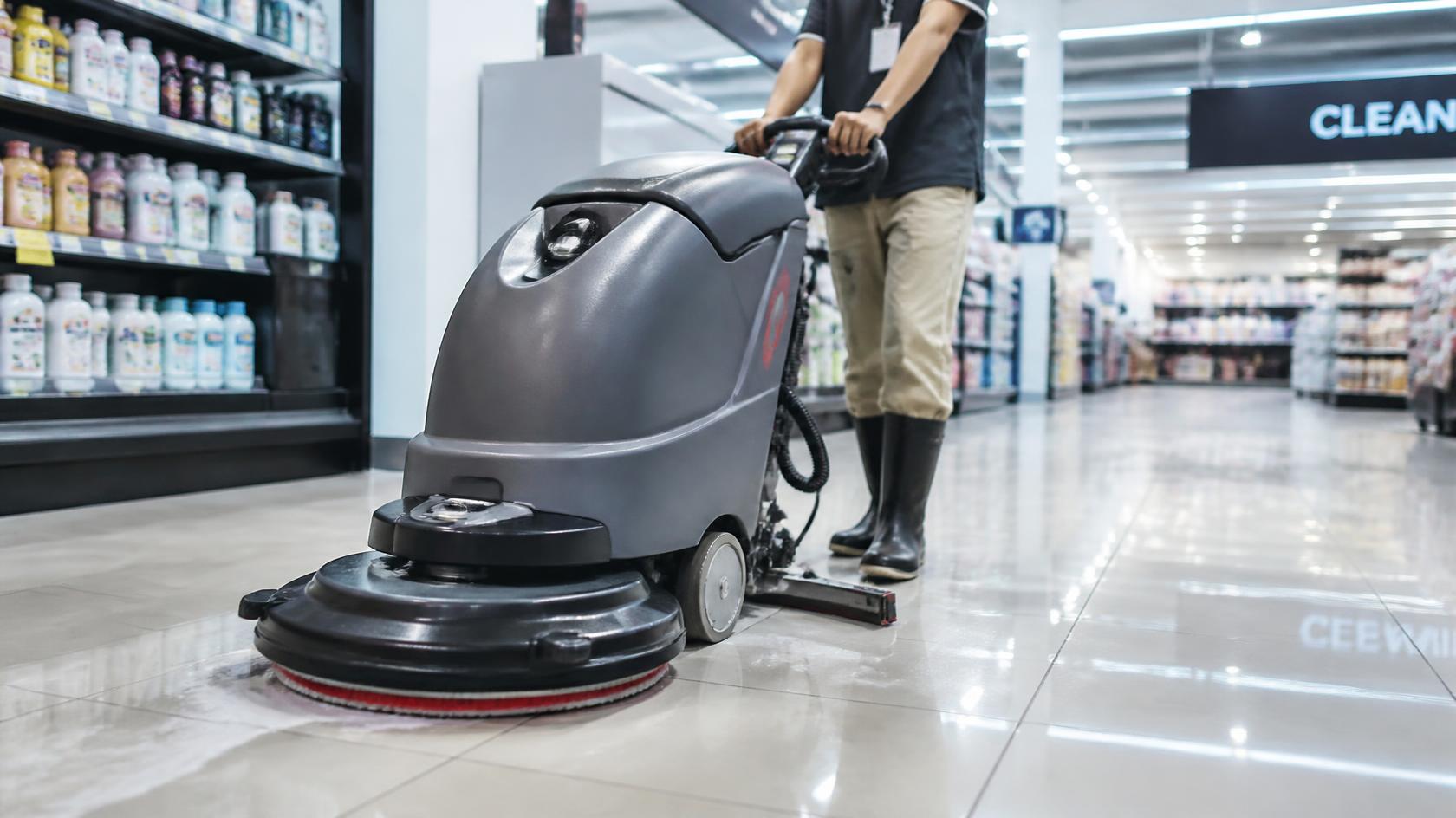
A rotary floor scrubbing machine or auto-scrubber removes the emulsified sealant and chemical slurry. Edges and corners, where machines cannot reach, are worked manually using hand pads or stiff brushes. The slurry is then collected using a wet vacuum or squeegee and removed from the floor entirely. In practice, this stage often requires two passes on heavily built-up floors before the surface is genuinely clean.
Stage 4: Rinsing and Drying
The floor is rinsed thoroughly with clean water to remove all stripping solution residue. This step is frequently underestimated. Any alkaline stripper residue left on the floor will prevent the new sealer from curing correctly and cause it to peel within days. The surface must then be allowed to dry completely before sealing begins. Applying sealer to a damp floor is one of the primary causes of white clouding and adhesion failure.
Stage 5: Applying the Sealer in Multiple Coats
The sealer is applied using a clean applicator pad or brush in thin, even layers. Each coat must cure fully, typically for one to two hours, before the next is applied. Most commercial applications require three to five coats for adequate durability in high-traffic areas. Applying a single thick coat is tempting when time is short, but it causes uneven curing and a surface that peels or scuffs prematurely.
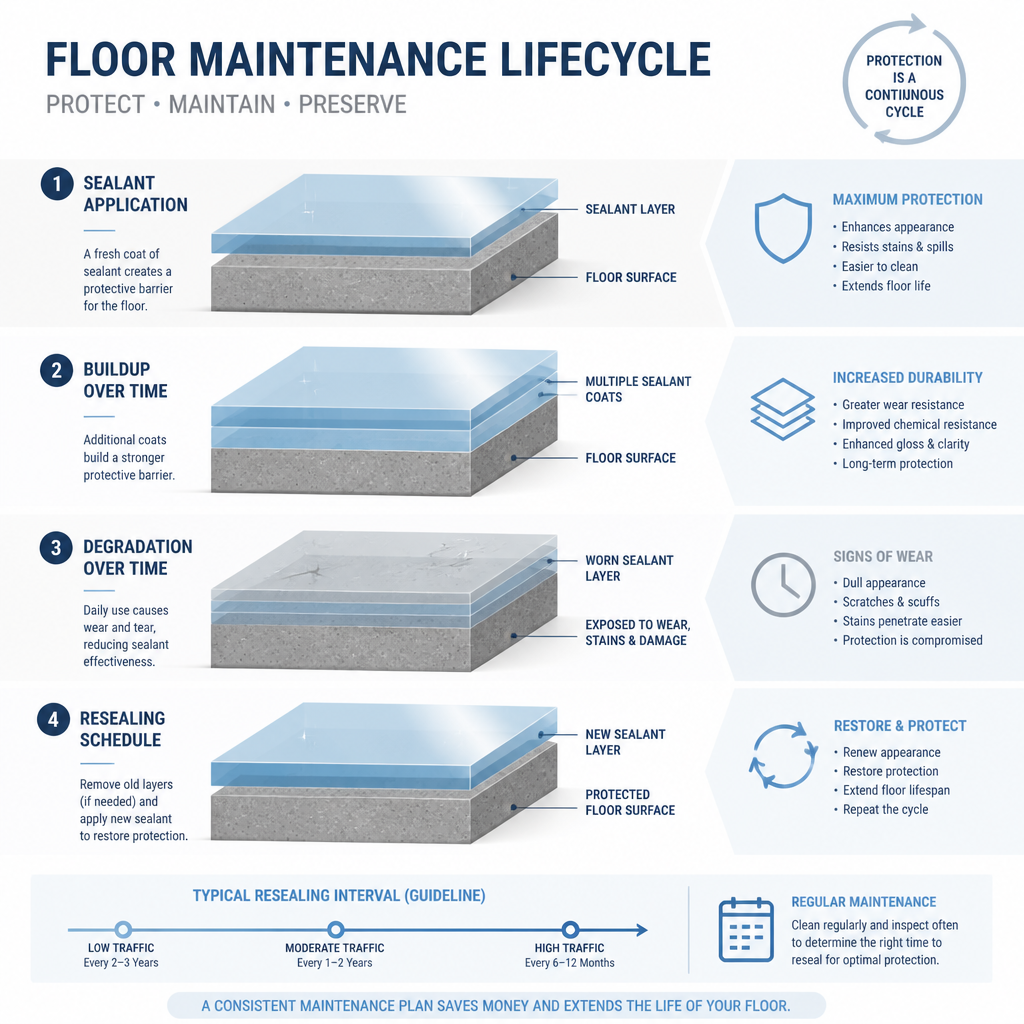
A floor sealed in a hurry will need to be stripped again in a fraction of the time a properly cured multi-coat finish would last. The time saved during application is always paid back with interest in the next service cycle.
How Often Should Commercial Floors Be Stripped and Sealed?
The honest answer is: it depends on foot traffic volume, floor type, and the quality of interim maintenance, but it is possible to give clear working ranges for most Melbourne commercial environments.
High-traffic commercial spaces such as supermarkets, hospital corridors, school hallways, and warehouse floors typically require stripping and sealing every six to twelve months. Medium-traffic environments, including offices, childcare centres, and hotel lobbies, can generally go twelve to twenty-four months between full strip-and-seal cycles, provided regular buffing and top-coat maintenance are performed between services.
Residential floors and low-traffic commercial spaces may only require the full process every two to three years. The key indicator is not a calendar date but the condition of the floor itself. When the finish is visibly dull in high-traffic pathways, when cleaning is no longer restoring the shine, or when scratches are appearing through the surface layer, the stripping cycle is overdue.
Pro tip: Schedule floor stripping and sealing after hours or across a weekend to avoid disrupting operations. For businesses like childcare centres and aged care facilities, this is not just a convenience consideration. It is a compliance and safety obligation. The team at Vibrant Property Services regularly works outside business hours to ensure zero disruption to clients across Melbourne.
Choosing the Right Sealer for Your Floor Type
Sealer selection is where many commercial floor maintenance programmes fall apart. Using the wrong product on the wrong surface does not just produce a substandard result. It can void manufacturer warranties, create slip hazards, or cause irreversible surface damage.
Acrylic-Based Sealers
Acrylic sealers are the most common choice for vinyl and linoleum commercial floors. They are water-based, low in volatile organic compounds (VOCs), and dry to a hard, glossy finish that resists scuffing and staining. They are also the easiest to strip on the next service cycle, which is an important practical advantage in a busy commercial schedule.
Polyurethane Sealers
Polyurethane sealers, available in both water-based and solvent-based formulations, offer greater durability and chemical resistance. They are the preferred choice for timber and hardwood floors, as well as for concrete surfaces in industrial environments. Water-based polyurethane has lower VOC content and is safer for use in occupied buildings such as schools and medical facilities. Solvent-based versions provide a harder, more abrasion-resistant finish but require strong ventilation during application and are generally not suitable for use in childcare or healthcare settings during operating hours.
Penetrating Sealers for Natural Stone and Tile
Natural stone and unsealed tiles require a penetrating sealer rather than a surface-coat product. Penetrating sealers soak into the pores of the material and form an internal barrier that repels moisture and staining agents without altering the surface appearance. They are invisible once applied, which is critical for materials like marble, terrazzo, and textured ceramic tile where a glossy surface coat would look out of place and create slip risks.
Comparing Sealing Approaches for Commercial Environments
| Sealer Type | Best For | Key Advantage / Limitation |
|---|---|---|
| Water-based acrylic | Vinyl, linoleum, and general commercial floors with high foot traffic | Low VOC, quick drying, easy to re-strip. Less durable than polyurethane under heavy chemical exposure. |
| Water-based polyurethane | Hardwood floors, timber in offices and hotels, concrete in food-safe environments | Strong adhesion and chemical resistance. Safer for occupied buildings. Harder to strip than acrylic. |
| Solvent-based polyurethane | Industrial concrete, heavily trafficked warehouse and factory floors | Highest abrasion resistance. Not suitable for use in occupied or poorly ventilated spaces due to high VOC content. |
| Penetrating sealer (impregnator) | Natural stone, terrazzo, unglazed tile, textured ceramic | Invisible finish preserves the floor’s natural look. No surface build-up. Cannot be stripped conventionally as it sits within the material. |
Common Mistakes That Destroy Commercial Floor Finishes
Most premature floor failures are predictable and preventable. Having seen the results of these errors across Melbourne’s commercial properties, the following are the mistakes that cause the most damage and the most expensive remediation work.
Applying Sealer Over Incompletely Stripped Floors
Old sealant layers build up over time and, if not fully removed before the next application, create a thick, uneven coating that eventually yellows, cracks, and peels. Stripping is not complete until the floor surface shows its bare substrate colour without patches of old finish remaining. If the floor still shows sheen in low-traffic areas during stripping, the process is not finished.
Using Cleaning Chemicals That Degrade Sealers
Strong alkaline cleaners and floor stripping chemicals are sometimes used as everyday mop solutions by cleaning staff who are not trained in floor care. A single application of undiluted stripper used as a mop-on cleaner can degrade a freshly sealed floor significantly. This is a common source of unexplained finish failures in facilities where multiple cleaning contractors or staff members have access to the floor chemical storage.
Rushing the Drying Time Between Coats
Sealer applied before the previous coat has cured properly will not bond correctly. The result is a finish that looks good initially but begins to peel or cloud within weeks of reopening to foot traffic. Each coat needs full drying time, not a partial dry. In Melbourne’s cooler winter months, curing times can be longer than the product label suggests, particularly in poorly ventilated spaces.
Ignoring Edges and Transitions
Machine strippers and applicators cannot reach right to the wall edge or into doorway transition strips. These areas, if left untreated, become accumulation points for old sealant, dirt, and bacteria. Over time they create a visible tidemark around the perimeter of the room and harbour hygiene risks that are particularly problematic in healthcare and food service environments.
Maintaining Sealed Floors Between Professional Services
A properly sealed commercial floor does not maintain itself. The interval between strip-and-seal cycles is extended significantly by the right daily and periodic maintenance programme. Without it, even a premium application will degrade faster than necessary.
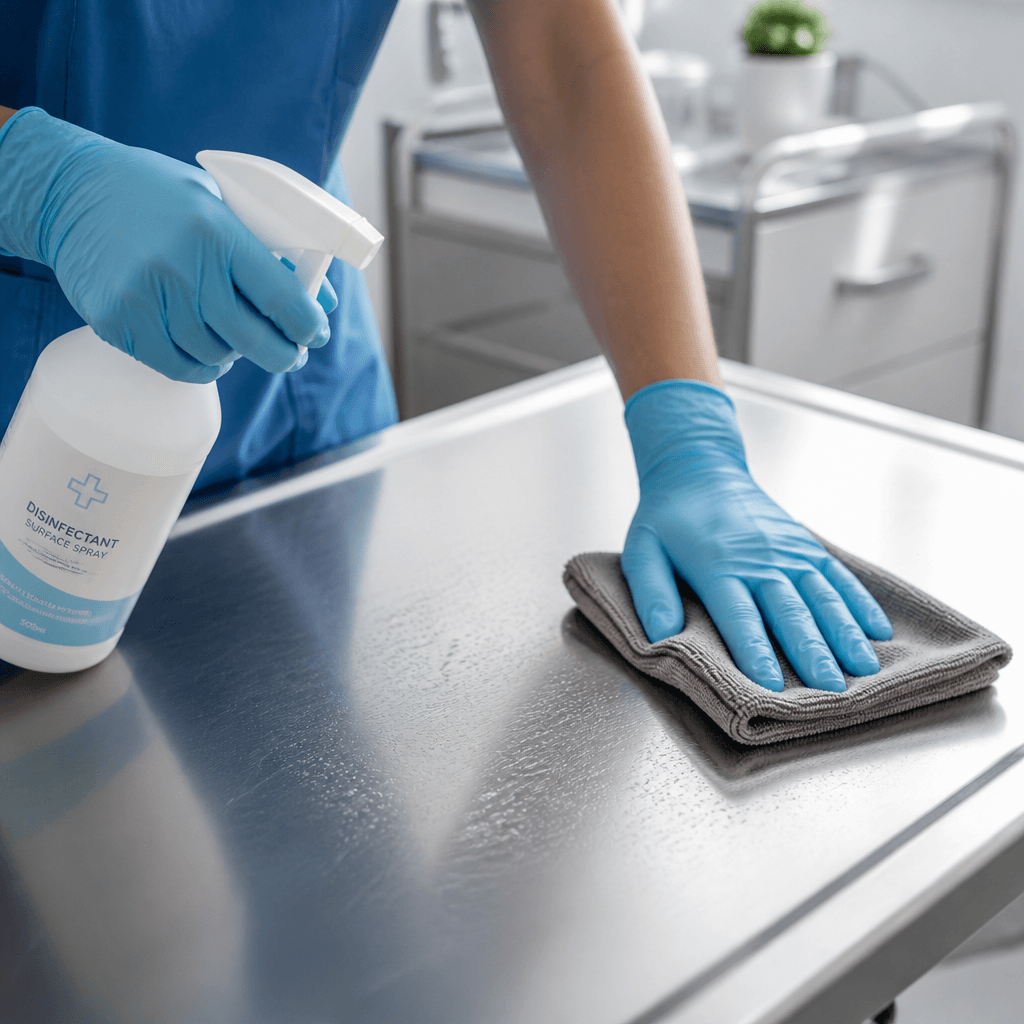
Daily maintenance should include dry dust mopping to remove grit and debris before it is ground into the surface by foot traffic. Grit is the primary cause of micro-scratching that dulls the sealer finish and allows contaminants to enter the surface. Wet mopping should use a neutral pH cleaner specifically formulated for sealed floors. Using the wrong mop-on chemical, even once, can strip micro-layers of sealer with each use.
Periodic buffing or burnishing, typically every one to four weeks depending on traffic volume, restores surface gloss and compresses the sealer layer to maintain its integrity. This is distinct from stripping. Buffing does not remove the sealer. It maintains it, and when done consistently, it extends the working life of the sealed surface considerably.
When specific areas show wear through the sealant, spot re-coating is sometimes possible. However, this is only effective if the surrounding sealant is in good condition and the spot-coat product is compatible with the existing finish. In practice, spot re-coating on heavily used floors often looks uneven because the freshly applied sealer sheen does not match the buffed tone of the surrounding area.
For Melbourne businesses operating in specialised environments like childcare, medical, or aged care settings, floor maintenance is also a hygiene and accreditation matter. Vibrant Property Services’ childcare and medical cleaning programmes integrate floor care into a broader cleaning schedule that accounts for the specific hygiene requirements and foot traffic patterns of those environments. Similarly, their commercial cleaning services include ongoing floor maintenance tailored to the needs of offices, retail, and industrial clients across Melbourne.
Pro tip: Place entrance matting at all entry points to commercial buildings. A quality entry mat system can reduce the volume of grit and moisture reaching sealed floors by a substantial margin, directly extending the time between full strip-and-seal cycles and reducing the wear on high-traffic pathways near doors.
Frequently Asked Questions
How long does a floor stripping and sealing service take for a commercial property?
The duration depends on the floor area, the number of sealant layers being removed, and the number of sealer coats being applied. A medium-sized commercial space of around 200 to 300 square metres typically takes one full working shift, including drying time between coats. Larger facilities may require overnight or multi-night scheduling to allow the floor to be back in service by the next business day.
Can floor stripping and sealing be done while the business is operating?
It is strongly not recommended. The stripping chemicals and sealer produce fumes that are unsuitable for occupied spaces, especially childcare centres and medical facilities. The wet surfaces also create significant slip hazards. Most professional services in Melbourne schedule floor stripping and sealing outside of business hours, on weekends, or during business closure periods for exactly this reason.
What is the difference between floor sealing and floor polishing?
Sealing applies a protective polymer layer that bonds to the floor surface and creates a durable, long-term barrier. Polishing or buffing is a maintenance process that restores the gloss of an existing sealed surface by burnishing it mechanically. Polishing does not replace sealing. It maintains and extends the life of a sealed floor between professional strip-and-seal cycles.
Is floor stripping and sealing suitable for all hard floor types?
The process is suitable for the vast majority of hard commercial floors including vinyl, linoleum, hardwood, concrete, tiles, and natural stone. However, the specific stripping chemicals and sealer products must be matched to the floor type. Not all strippers are safe for all surfaces. Natural stone, for example, requires alkaline or neutral-pH products. A professional assessment before any work begins is the correct approach.
How do I know if my commercial floor needs stripping rather than just re-coating?
If the floor looks dull and cannot be restored by buffing, if there is visible yellowing or a brownish tinge to the finish, if the surface feels rough or gritty even after cleaning, or if the sealant is visibly flaking or peeling in any area, the floor requires a full strip before any new product is applied. Re-coating over a degraded finish is a short-term fix that creates bigger problems at the next service.
Does Vibrant Property Services provide floor stripping and sealing for all of Melbourne?
Yes. Vibrant Property Services provides professional floor stripping and sealing across Melbourne and its surrounding suburbs, serving a broad range of commercial environments including offices, schools, childcare centres, aged care facilities, hotels, supermarkets, warehouses, and medical facilities. Services are available during after-hours and weekends to minimise disruption. You can find details and request a quote directly at vibrantproperty.com.au/stripping-and-sealing.
What floor types does Vibrant Property Services cover for stripping and sealing?
The service covers vinyl, linoleum, hardwood, tiles, and stone. The team assesses each floor type before selecting the appropriate stripping method and premium sealant to ensure maximum protection and a lasting, polished finish for both new floors and worn, high-traffic surfaces.
Have you recently had a floor stripping and sealing service at your Melbourne property? Share what worked, what surprised you, or what you wish you had known beforehand in the comments below.
References
- Strip and seal services in Melbourne: process overview and when to schedule
- Commercial floor strip and seal: service delivery and maintenance frequency guide
- Floor stripping and sealing frequency for commercial and high-traffic spaces
- Step-by-step guide to cleaning, stripping, sealing, and finishing commercial floors
- Vinyl floor stripping and sealing: steps, products, and best practices