
If you manage or operate a childcare centre in Melbourne, your cleaning program is not optional and it is not a box-ticking exercise. Victoria’s regulatory framework for early childhood environments sets specific hygiene obligations, and a failure to meet them can trigger compliance action, infection outbreaks, and real reputational damage. The demand for reliable childcare centre cleaning services Melbourne providers has grown sharply because facility managers have learned the hard way that general-purpose cleaning crews simply do not understand the risks unique to child-occupied spaces. This guide breaks down exactly what the standards require, where most centres fall short, and what good practice actually looks like on the ground.
Table of Contents
- What the Regulations Actually Require
- Quick Takeaways
- High-Risk Zones in Childcare Environments
- Cleaning vs Sanitising vs Disinfecting
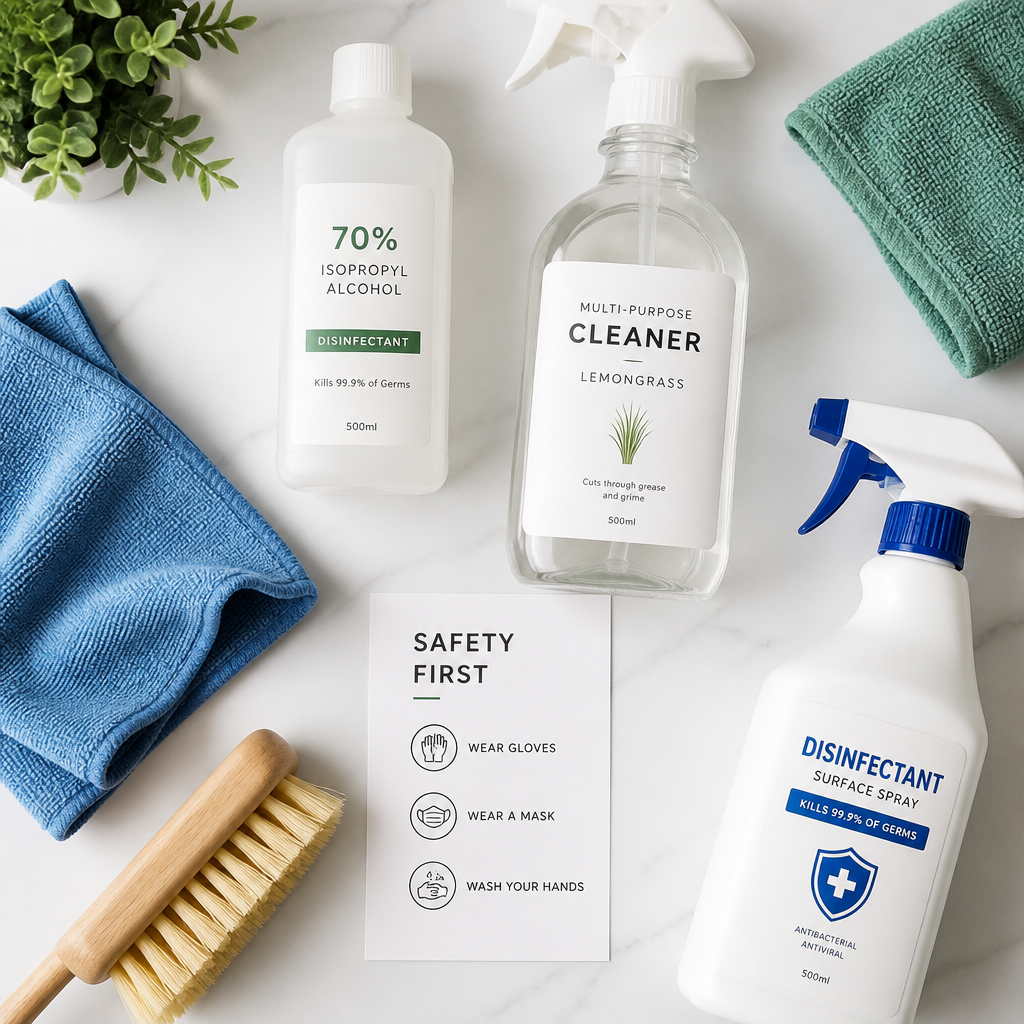
- Chemical Safety and Product Selection
- Frequency Schedules That Actually Work
- Comparing Cleaning Approaches for Childcare Centres
- What to Look for in a Childcare Cleaning Provider
- Frequently Asked Questions
- References
What the Regulations Actually Require
Childcare centres in Victoria operate under the Education and Care Services National Law Act 2010 and the accompanying National Quality Standard (NQS), specifically Quality Area 2, which covers children’s health and safety. Regulation 77 of the Education and Care Services National Regulations directly requires approved providers to ensure that their premises, furniture, and equipment are maintained in a safe, clean, and hygienic condition at all times.
The Australian Children’s Education and Care Quality Authority (ACECQA) reinforces this through its assessment and rating framework. Centres that receive an “Exceeding” rating almost universally have documented, scheduled cleaning protocols that go well beyond a basic daily sweep and mop. In practice, inspectors look for written cleaning schedules, product safety data sheets on site, and evidence that staff understand the difference between cleaning and disinfection.
The Department of Health’s Infection Prevention and Control guidelines for early childhood settings add another layer. These guidelines specify requirements for nappy change areas, sick bay rooms, food preparation zones, and shared play equipment. A common mistake facility managers make is treating these guidelines as suggestions. They are not. Failure to comply can result in improvement notices, suspended ratings, or in serious cases, closure orders.
Quick Takeaways
Key Insight | Explanation |
|---|---|
NQS Quality Area 2 governs hygiene obligations | All Victorian childcare centres must meet the National Quality Standard, which requires documented and enforced cleaning protocols as a non-negotiable baseline. |
Cleaning and disinfecting are not the same step | Cleaning removes visible soil and organic matter. Disinfecting kills pathogens. Both must happen in sequence, especially on nappy change tables and food surfaces. |
TGA-listed disinfectants are required in high-risk areas | Products used on surfaces that contact children must be registered with the Therapeutic Goods Administration to ensure proven efficacy against bacteria and viruses. |
Cleaning frequency differs by zone risk level | Toilets and nappy change areas require multiple cleans per day. General floors and furniture require daily attention. Soft furnishings and sleeping equipment have weekly schedules. |
Chemical storage and ventilation rules are strict | All cleaning products must be stored in locked, child-inaccessible locations. Cleaning must not occur when children are present in the space being cleaned. |
Documentation protects centres during audits | Signed cleaning logs and product records are the first documents an ACECQA assessor or Department of Health inspector will request during an unannounced audit. |
Specialist commercial cleaners outperform general providers | Providers with specific childcare cleaning experience understand infection control sequencing, chemical restrictions, and regulatory documentation requirements that general cleaners do not. |
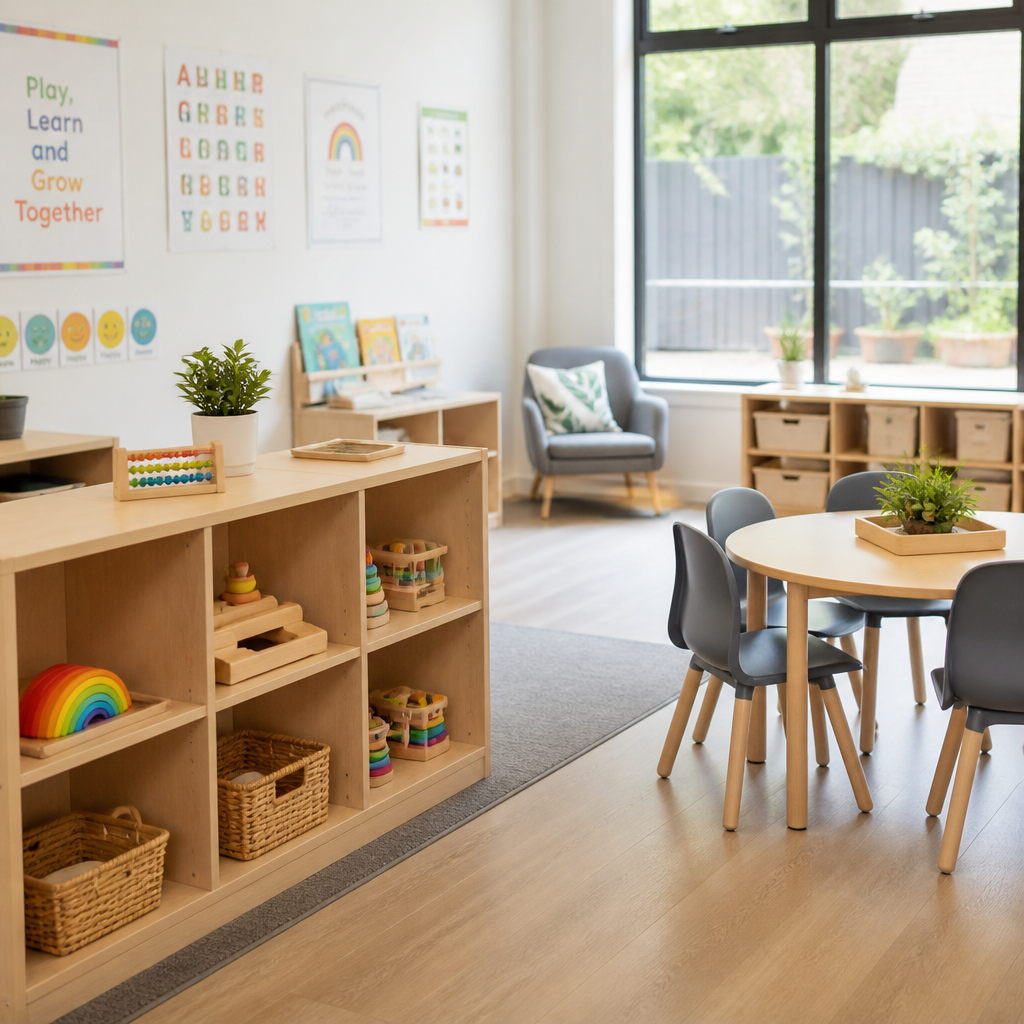
High-Risk Zones in Childcare Environments which require childcare centre cleaning
Not all areas of a childcare centre carry equal infection risk. Prioritising resources and cleaning frequency based on zone risk is one of the most important decisions a facility manager can make. In practice, the four zones that drive the most cross-contamination events in early childhood settings are nappy change areas, bathrooms, food preparation and eating areas, and sleep rooms.
Nappy Change Areas
Nappy change tables are the single highest-risk surface in any childcare facility. They must be cleaned and disinfected between each use, not just at the end of the session. The Victorian Department of Health specifies that a clean liner must be used for each child, the surface must be wiped with a TGA-listed disinfectant after each change, and waste must be double-bagged and removed immediately. A common mistake is cleaning the table but leaving the surrounding wall splashback and floor untouched. Pathogens do not stay on the table.
Food Preparation and Eating Surfaces
Kitchen benches, high chair trays, and dining tables must be cleaned and sanitised before and after every meal service. The Australian Standard AS 4674 for food premises construction and fitout provides the underlying benchmark, but for childcare specifically, the key risk is cross-contamination between food handling and nappy change duties. Staff and cleaners must maintain strict hand hygiene and never use the same cloths or equipment between food zones and toilet zones. Colour-coded microfibre cloth systems are not optional in compliant childcare environments. They are standard practice.
Sleep Rooms and Soft Furnishings
Sleep rooms are often underestimated as an infection risk. Shared cots, mattresses, and sleeping bags accumulate respiratory droplets, skin cells, and moisture. Mattress covers must be wiped with a disinfectant solution between each child use, and full mattress laundering or replacement schedules must be documented. Soft toys and fabric items in the sleep room should be laundered weekly at a minimum, or after any illness event.
Cleaning vs Sanitising vs Disinfecting
This distinction is where the knowledge gap between specialist childcare cleaning services and general commercial cleaners becomes most visible. The three processes are sequential and each serves a different purpose. Skipping or combining them reduces their effectiveness significantly.
Cleaning means physically removing dirt, grease, and organic matter using detergent and water. This step must come first. Disinfectants do not work properly on surfaces that still carry organic soil, because the organic material neutralises the active ingredient before it can kill pathogens.
Sanitising reduces microbial load to a level considered safe for food contact surfaces. It requires a lower concentration of active ingredient than full disinfection and is appropriate for dining tables and food prep areas.
Disinfecting uses a higher concentration of active ingredient to kill a broader range of pathogens, including viruses. This is required for nappy change areas, toilet surfaces, and sick bay rooms. The ACECQA infection control guide specifies that disinfectants used in childcare settings must have demonstrated efficacy against the specific organisms relevant to early childhood, including rotavirus, norovirus, and Staphylococcus aureus.
“The most effective infection control programs in childcare are built on consistent process, not just product selection. Using the right chemical in the wrong sequence, or at the wrong concentration, gives a false sense of security.” – Australian Children’s Education and Care Quality Authority guidance on infection prevention in early childhood settings.
Pro tip: Always check the contact time listed on a disinfectant’s label. Many products require the surface to remain visibly wet for 30 to 60 seconds to achieve the stated kill rate. Wiping dry immediately after application renders the product much less effective.
Chemical Safety and Product Selection
Chemical selection in childcare environments is not purely a performance question. It is a safety question. Children under five have developing respiratory systems and immune responses that make them significantly more vulnerable to chemical residues and off-gassing than adults. This is why the choice of cleaning products in a childcare facility requires more scrutiny than it does in a standard commercial office environment.
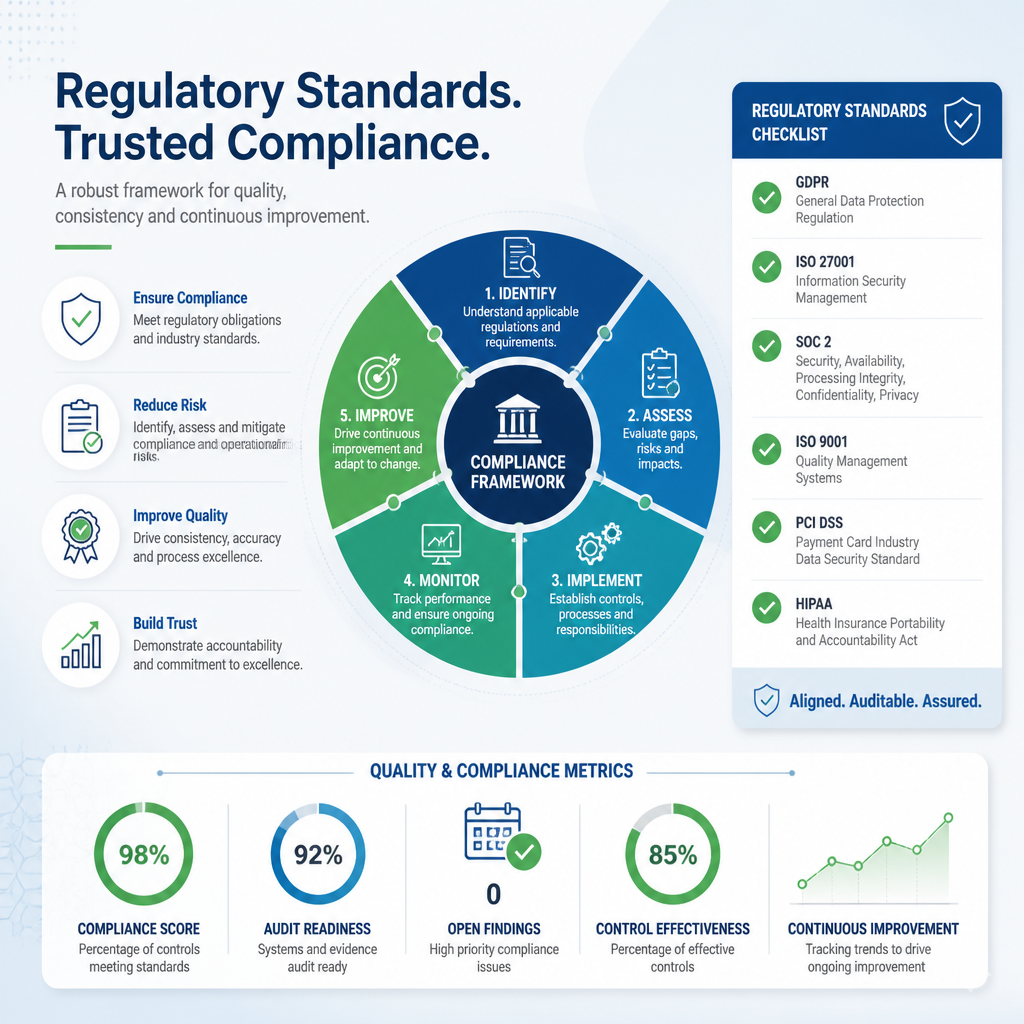
TGA registration (ARTG listing) is the minimum standard for any disinfectant used in a childcare setting. Products must carry a current ARTG entry number on their label, confirming they have been assessed for safety and efficacy by the Therapeutic Goods Administration. Products that claim to be disinfectants but lack an ARTG number should not be used in child-occupied spaces, regardless of marketing claims.
Fragrance-Free and Low-VOC Products
Fragrance additives in cleaning products are among the most common triggers for respiratory irritation in young children. Low-VOC (volatile organic compound) formulations are now widely available from commercial suppliers and should be specified in any cleaning contract for a childcare facility. The trade-off in cleaning power is minimal. The safety benefit is real.
Storage and Access Controls
All cleaning chemicals must be stored in a locked cupboard or room that is completely inaccessible to children. Safety Data Sheets (SDS) for every product must be physically on site, not just available digitally, and the cleaning staff or contractor must be able to demonstrate familiarity with the SDS contents. This is specifically checked during ACECQA assessments and Department of Education compliance visits.
Pro tip: Request that your cleaning contractor provide a current chemical register listing every product used on your premises, along with their ARTG numbers and corresponding SDS. If a contractor cannot produce this within 24 hours of a request, that is a strong signal they are not operating to childcare-specific standards.
Frequency Schedules That Actually Work
Generic cleaning schedules fail childcare centres because they are written for standard commercial environments. A childcare facility has a higher density of people per square metre, a higher rate of surface contact, and a far higher infectious disease transmission risk than an office building. The schedule must reflect that reality.
In practice, a compliant cleaning schedule for a Victorian childcare centre operates on three tiers: tasks completed multiple times per day by centre staff (nappy change surfaces, toilet handles, high chairs), tasks completed daily by a contracted cleaning provider (floors, bathrooms, kitchen surfaces, sleeping equipment, rubbish removal), and tasks completed weekly or after illness events (soft furnishings, mattresses, outdoor equipment, behind furniture).
The daily professional clean should ideally occur after children have left the premises. This allows the use of appropriate chemical concentrations without the need to restrict children from areas and eliminates the risk of children contacting wet chemical surfaces. Some centres require a morning clean before opening as well, particularly for the kitchen and bathroom zones. Vibrant Property Services structures its childcare cleaning programs around this three-tier model, with documented sign-off for every task completed, which directly supports centres during ACECQA assessments.
Comparing Cleaning Approaches for Childcare Centres
Facility managers evaluating their options for childcare cleaning services will generally encounter three distinct provider types. Understanding the trade-offs between them is essential before signing a contract.
Approach | What It Looks Like in Practice | Key Risk or Limitation |
|---|---|---|
General commercial cleaning company | Offers a standard office or retail cleaning program adapted for childcare. Uses general-purpose products and a basic frequency schedule. | Staff rarely trained in infection control sequencing. Products often not TGA-listed. Documentation typically inadequate for ACECQA audits. Competitors such as general office cleaning providers fall into this category. |
In-house cleaning by centre staff | Daily tasks handled by educators or support staff using products sourced by the centre. Low external cost but high internal time cost. | Staff are not professional cleaners. Risk of incorrect product use, inadequate disinfection, and incomplete documentation. Creates staff liability during illness outbreaks. |
Specialist childcare cleaning provider (e.g., Vibrant Property Services) | Trained staff using TGA-listed products, colour-coded equipment, documented schedules, and signed completion logs. Program built around NQS compliance requirements. | Higher per-visit cost than general commercial cleaners, but substantially lower risk exposure and a documented compliance record that protects the centre operator. |
What to Look for in a Childcare Cleaning Provider
Choosing a provider for childcare centre hygiene in Victoria is a procurement decision with direct compliance and safety consequences. The following criteria are non-negotiable for any centre that takes its obligations under the NQS seriously.
First, the provider must carry current public liability insurance of at least $20 million, which is the standard minimum for commercial cleaning contractors operating in child-occupied environments in Victoria. Police checks for all staff are mandatory, not optional. Any provider that hesitates on this point should be eliminated from consideration immediately.
Second, the provider must demonstrate specific experience with childcare cleaning standards, not just general commercial cleaning experience. Ask directly: how many childcare centres do they currently service? Can they provide a reference from another approved provider in Victoria? Do their staff receive specific training in infection control for early childhood settings?
Third, the provider must supply written documentation. This includes a tailored cleaning schedule specific to your centre’s layout, a chemical register, SDS sheets for every product used, and signed completion logs for every visit. Vibrant Property Services has delivered this documentation standard across Melbourne and surrounding suburbs for over 15 years, including for childcare and early learning centres where the compliance stakes are particularly high.
Pro tip: During the quote process, ask the provider to walk you through how they handle an illness outbreak scenario at your centre. A specialist provider will describe a specific deep-clean protocol, enhanced disinfection of contact surfaces, and communication with centre management. A general commercial cleaner will likely have no answer prepared.
The distinction between providers matters most not during a routine visit, but when something goes wrong. A gastro outbreak, a hand-foot-and-mouth cluster, or an ACECQA compliance audit will reveal exactly whether your cleaning contractor is equipped for the environment they are working in. Centres that use Vibrant Property Services’ specialised childcare programs have documented cleaning records readily available, reducing audit stress and demonstrating the proactive hygiene management that ACECQA assessors reward with higher quality ratings.
Frequently Asked Questions
What cleaning frequency is required for childcare centres under Victorian regulations?
Victorian childcare centres must clean and disinfect high-touch and high-risk surfaces multiple times per day. Nappy change tables must be cleaned and disinfected between each use. Toilets, taps, and door handles in bathroom areas require cleaning at least twice daily during operating hours. General floor areas, sleeping rooms, and kitchen surfaces require a full professional clean daily, typically after children have left the premises.
Do cleaning products used in childcare centres need to be TGA-listed?
Yes. Any product used as a disinfectant in a childcare setting must carry an ARTG registration number from the Therapeutic Goods Administration. This confirms the product has been assessed for both safety and efficacy. Using non-TGA-listed products on high-risk surfaces such as nappy change tables or food contact surfaces does not satisfy the requirements under Regulation 77 of the Education and Care Services National Regulations.
Can childcare centre staff handle all cleaning tasks without a professional contractor?
In-house cleaning by staff is permitted but carries significant risk. Staff are generally not trained in infection control sequencing, proper chemical dilution, or documentation requirements. During an illness outbreak or an ACECQA compliance assessment, gaps in training and recordkeeping become immediately visible. Most centres that have experienced a compliance issue related to hygiene had relied entirely on untrained in-house cleaning. A professional contractor with childcare-specific experience provides both better outcomes and better documentation.
What documentation should a childcare centre keep for cleaning compliance?
At minimum, centres should maintain a signed cleaning schedule showing which tasks were completed, by whom, and at what time. A current chemical register listing every product used, its ARTG number, and its Safety Data Sheet must be physically accessible on site. Records of any deep-clean events following illness outbreaks should be retained for at least 12 months. ACECQA assessors and Department of Health inspectors routinely request these documents during visits.
How do I assess whether my current cleaning contractor meets childcare cleaning standards?
Request a copy of their chemical register, their SDS folder, and the last three signed cleaning completion logs. Ask whether their staff have received specific training in infection control for early childhood settings and whether they carry current police checks. If they cannot produce these within 24 hours or if staff are unable to explain the difference between cleaning and disinfecting, the contractor does not meet the standard required for a regulated childcare environment in Victoria.
What happens if a childcare centre fails a hygiene-related compliance assessment in Victoria?
ACECQA can issue a notice to improve, which requires the centre to demonstrate corrective action within a specified timeframe. Repeated or serious failures can result in a downgraded quality rating, which is publicly visible on the national register. In the most serious cases, particularly those involving illness outbreaks linked to inadequate cleaning, the Department of Education can issue a compliance notice or direct the centre to close until the issue is resolved. The reputational and operational consequences make proactive compliance far less costly than reactive damage control.
Have you recently reviewed your childcare centre’s cleaning program against the current NQS requirements? Share what worked, what you changed, or what questions came up in your own compliance review.