
Ending a lease can be a daunting experience, especially when it comes to ensuring you receive your full bond back. One of the critical aspects is the end of lease cleaning, which often intimidates renters due to its thorough nature and the expectations set by landlords. This article provides you with 10 essential tips for conducting hassle-free end of lease cleaning, securing your 100% bond back guarantee, and reducing any potential stress associated with the moving process.
1. Creating a Cleaning Checklist
Importance of a Comprehensive Checklist
A detailed cleaning checklist is indispensable for a successful end of lease cleaning. It serves as a roadmap, ensuring that no area is overlooked and that your cleaning efforts align with the expectations of your landlord. By outlining specific tasks, a checklist helps you manage your time effectively, allowing for a more organized approach to cleaning. Additionally, it provides peace of mind as you can visually track your progress.
Furthermore, a cleaning checklist can reduce the likelihood of disputes over the condition of the property. By completing every item on your checklist, you can confidently present the property to your landlord, demonstrating your commitment to maintaining the space. This can be particularly helpful if you need to negotiate the return of your bond, as you will have proof of your cleaning efforts.
Key Areas to Include
- Kitchen: Oven, stovetop, refrigerator, countertops, and cabinets.
- Bathrooms: Sink, toilet, shower, mirrors, and tiles.
- Living Areas: Dusting, vacuuming, and cleaning windows.
- Bedrooms: Wardrobes, carpets, and any light fixtures.
- Outdoor Spaces: Balconies, patios, and gardens.

2. Hiring Professional Cleaners
Benefits of Professional Services
While some may choose to clean their rental properties themselves, hiring professional cleaners can provide numerous advantages. Professional cleaning services have the expertise and experience necessary to meet the high standards often required for end of lease cleaning. They understand what landlords expect and can ensure every corner is impeccably cleaned.
Moreover, hiring professionals can save you significant time and energy, allowing you to focus on other aspects of your move. The cost of professional cleaning services is often outweighed by the potential for recovering your full bond, making this investment worthwhile.
How to Choose the Right Company
When selecting a cleaning service, consider their reputation and experience. Reading customer reviews can provide insights into their reliability and quality of work. Additionally, ensure that the company you choose is familiar with end of lease cleaning requirements and offers a satisfaction guarantee. Obtaining quotes from multiple services can help you compare prices and find a service that fits your budget.
Don’t forget to check for certifications or licenses that confirm the legitimacy of the cleaning company. Asking for recommendations from friends or family members can also lead you to trustworthy cleaning services that have proven their worth.
3. Deep Cleaning Techniques
Effective Methods for Different Surfaces
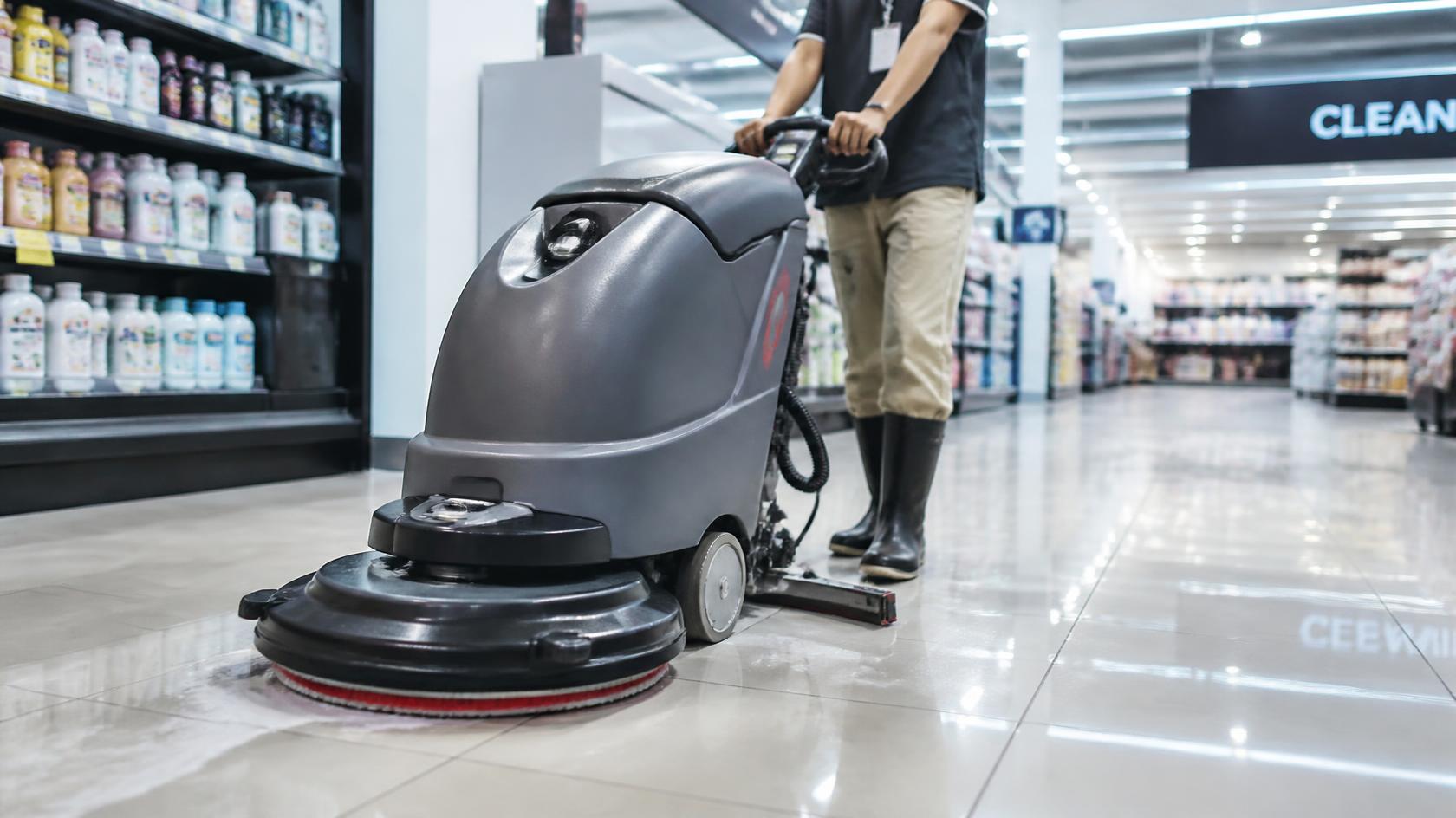
Deep cleaning requires a tailored approach to various surfaces in your property. For hard floors, a combination of sweeping and mopping with appropriate floor cleaners will yield the best results. Carpets, on the other hand, often require vacuuming followed by steam cleaning or shampooing to remove embedded dirt and stains.
For surfaces such as countertops and tables, a mixture of warm water and dish soap can effectively remove grime without causing damage. It’s essential to choose the right cleaning products based on the material to avoid scratches or discoloration. For instance, using vinegar or baking soda can effectively clean glass and stainless steel surfaces.
Essential Tools and Products
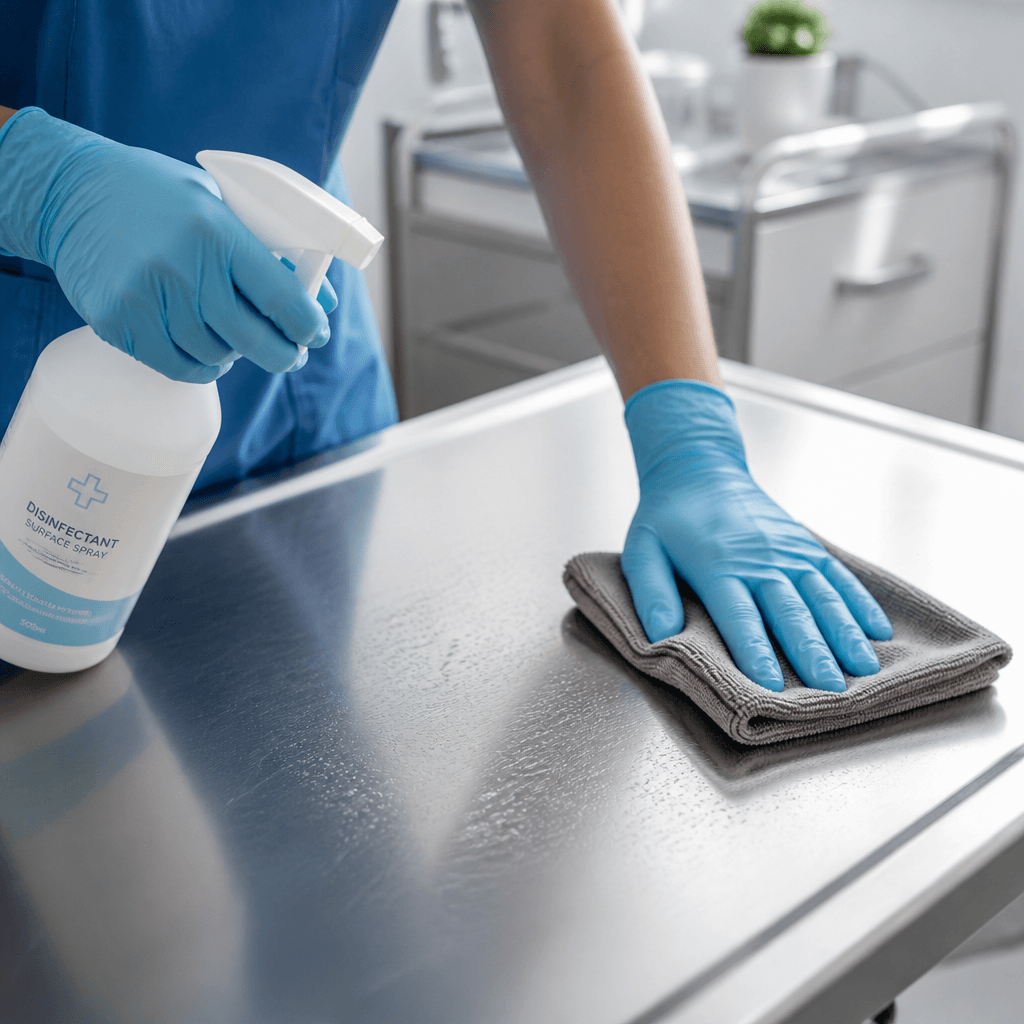
Having the right tools at your disposal can significantly facilitate the cleaning process. Essential tools include microfiber cloths, a vacuum cleaner, a mop, brushes, and scrubbers. Additionally, stocking up on cleaning products such as all-purpose cleaner, glass cleaner, disinfectants, and specific products for kitchen appliances will ensure you’re well-prepared.
Consider investing in eco-friendly cleaning products as they are less abrasive and better for the environment. Many landlords appreciate tenants who leave the property in a clean state while also considering the health implications of harsh chemicals.
4. Addressing Common Problem Areas
Kitchen Cleaning Tips
The kitchen is often a focal point for landlords, and it requires meticulous attention. Start with the appliances, cleaning the oven, stovetop, and refrigerator inside and out. Don’t forget to clean behind and underneath these appliances, as dirt and grease often accumulate in those areas. Wiping down countertops and cabinets with a suitable cleaner will ensure they are spotless.
Pay attention to other areas like the sink, where food debris can hide, and the floor, which may require a deep clean to remove stains. Lastly, ensure that the garbage disposal and any drains are clean and free from odors.
Bathroom Sanitation Techniques
Bathrooms can be a breeding ground for bacteria, so thorough sanitation is crucial. Scrub the toilet with a disinfectant cleaner, ensuring to clean beneath the rim and around the base. The sink, shower, and tub also need attention; use specialized bathroom cleaners to tackle soap scum and mildew effectively.
Mirrors should be cleaned with glass cleaner for a streak-free finish. Finally, don’t overlook ventilation fans, which can collect dust and grime over time. A clean bathroom significantly enhances your chances of receiving your bond back.
Living Room and Bedroom Considerations
In the living room, focus on dusting all surfaces, including furniture and light fixtures. Vacuum carpets thoroughly, ensuring to get into corners and under furniture. If your living space has curtains, consider washing or dusting them as well.
For bedrooms, ensure that wardrobes are cleaned out and wiped down. Vacuum carpets and check for any stains that may need treatment. Overall, a tidy and clean living space will leave a positive impression on your landlord.
5. Documenting the Condition
Taking Before and After Photos
Documenting the condition of the property before and after cleaning can serve as valuable evidence should disputes arise later. Take clear photos of each room, paying special attention to areas that require extensive cleaning. Before photos can provide a baseline, while after photos can demonstrate your efforts to restore the property’s condition.
This documentation can be particularly helpful if your landlord disputes the return of your bond, as it serves as proof of your cleaning diligence. Ensure to capture both wide-angle images and close-ups of problem areas.
Creating an Inventory of Items
Alongside photographs, create an inventory of items included in the rental agreement, such as furniture fixtures and appliances. This list can be crucial for both you and your landlord. Having a detailed inventory can help avoid any misunderstandings regarding the property’s condition and any items that may be missing or damaged.
Consider using a checklist format for your inventory for ease of use and clarity. This can streamline the process and ensure that both parties have a mutual understanding of what is expected upon lease termination.
6. Final Inspection Checklist
What Landlords Look For
During the final inspection, landlords will typically look for cleanliness, damages, and any alterations made to the property. Ensure that all cleaning tasks have been completed to a high standard, as landlords will assess whether the property meets their expectations. Pay special attention to areas outlined in your checklist, as any overlooked spots can raise red flags.
Landlords also consider the functionality of appliances and fixtures. Make sure everything is in working order. A well-maintained property not only increases your chances of receiving your bond back but can also leave a good impression should a future rental reference be needed.
Checklist for Your Final Walkthrough
- Check all appliances and ensure they are clean.
- Inspect floors and carpets for stains or damage.
- Verify that all windows and doors are functioning correctly.
- Ensure bathrooms and kitchens are pristine.
- Confirm that no personal items are left behind.
7. Importance of Communication
Keeping Open Lines with Your Landlord
Maintaining open communication with your landlord throughout the cleaning process is crucial. This dialogue can clarify expectations and address any concerns. If you are working with a professional cleaning service, inform your landlord of when the service will take place and what it entails.
Being proactive in your communication can foster goodwill and help create a more positive interaction during your final inspection. If there are issues discovered during the cleaning, notifying your landlord promptly can lead to quicker resolutions.
Discussing Expectations and Concerns
It’s essential to discuss what your landlord expects in terms of cleaning and property condition. This can help avoid misunderstandings and ensure that you are aligned on the standards required for receiving your bond back. If you have concerns about any aspects of the cleaning or the property, express these openly and seek guidance.
Proactive communication not only demonstrates professionalism but can also create a more amicable relationship, enhancing your chances of receiving your bond back without any issues.
8. Additional Resources and Support
Online Resources and Guides
Many online resources can assist you in preparing for your end of lease cleaning. Websites dedicated to renters’ rights often provide detailed guides on what landlords can deduct from your bond and cleaning requirements specific to your location. Utilizing these resources can enhance your understanding and prepare you for the process ahead.
Additionally, cleaning blogs and YouTube channels offer practical cleaning tips and tricks, making the process more manageable. These resources can equip you with knowledge on best practices and techniques that can streamline your cleaning efforts.
Local Cleaning Services and Recommendations
Exploring local cleaning services can provide additional support, especially if you choose not to handle cleaning yourself. Websites like Yelp or Google Reviews can guide you to reputable cleaning services in your area. Asking friends or family for recommendations can also lead you to trusted professionals who have delivered quality service in the past.
Ultimately, seeking assistance from local businesses can ease the burden of cleaning and ensure that your property is left in immaculate condition.
Conclusion
Successfully navigating the end of lease cleaning process is integral to securing your bond back. By creating a comprehensive cleaning checklist, considering professional cleaning services, using effective cleaning techniques, and maintaining open communication with your landlord, you position yourself well for a smooth transition out of your rental property.
Additionally, documenting the condition of the property and addressing common problem areas will further strengthen your case for receiving your full bond back. Remember to utilize available resources and support to mitigate any challenges that may arise. By following these tips, you can alleviate the stress of moving and ensure a hassle-free end of lease cleaning experience.
FAQs
1. How much should I expect to pay for professional end of lease cleaning? Prices can vary widely based on the size of the property and the company you choose. Generally, you can expect to pay between $200 to $600.
2. Are there specific cleaning products I should use for end of lease cleaning? Yes, using suitable cleaning products for different surfaces is crucial. All-purpose cleaners, bathroom cleaners, and eco-friendly options are often recommended.
3. How can I prepare for the final inspection? Ensure the property is clean, damage-free, and that all items are moved out. Use a final inspection checklist to guide your preparations.
4. What should I do if I disagree with my landlord’s assessment of the property? Document your cleaning efforts with photos and receipts, and communicate openly with your landlord. If necessary, refer to your lease agreement and local renters’ rights.
5. Can I clean the property myself and still get my bond back? Yes, you can clean the property yourself, but it is crucial to meet the cleaning standards typically expected by landlords to ensure you receive your full bond back.