
Melbourne winters are tough on outdoor surfaces. Mould, algae, grime, and built-up dirt from autumn rain do not wait for warmer weather to become a problem. If you manage a commercial property, a childcare centre, or even a residential home in Melbourne, neglected outdoor surfaces become slip hazards, damage-prone eyesores, and in regulated environments, compliance risks. High pressure cleaning Melbourne services are the most cost-effective way to reverse months of surface deterioration in a single visit, and winter is genuinely the best time to book.
Table of Contents
- Quick Takeaways
- Why Winter Is the Best Time for High Pressure Cleaning in Melbourne
- Surfaces That Benefit Most from Pressure Washing Melbourne
- Commercial vs Residential High Pressure Cleaning: What Changes
- How the High Pressure Cleaning Process Actually Works
- Comparing High Pressure Cleaning Methods for Melbourne Properties
- Common Mistakes That Make Outdoor Cleaning Winter Worse
- Choosing a High Pressure Cleaning Provider in Melbourne
- Frequently Asked Questions
- References
Quick Takeaways
Key Insight | Explanation |
|---|---|
Winter mould is the biggest outdoor threat in Melbourne | Melbourne’s wet winters accelerate mould and algae growth on concrete, pavers, and decking, making pressure washing essential before surfaces deteriorate further. |
High pressure cleaning is not just cosmetic | For commercial and childcare facilities, built-up biofilm on walkways creates genuine slip-and-fall liability. Cleaning is a risk management step, not an aesthetic preference. |
Not all surfaces take the same pressure settings | Soft sandstone, render, and timber decking require lower PSI and wider spray angles. Using the wrong setting causes permanent surface damage. |
Booking in winter means faster scheduling | Demand for outdoor cleaning peaks in spring and summer. Winter bookings typically get priority scheduling and more flexible timeframes for commercial properties. |
Tile and grout restoration pairs naturally with pressure cleaning | Outdoor tiles cleaned in winter can be sealed before spring traffic increases, extending the life of the restoration significantly. |
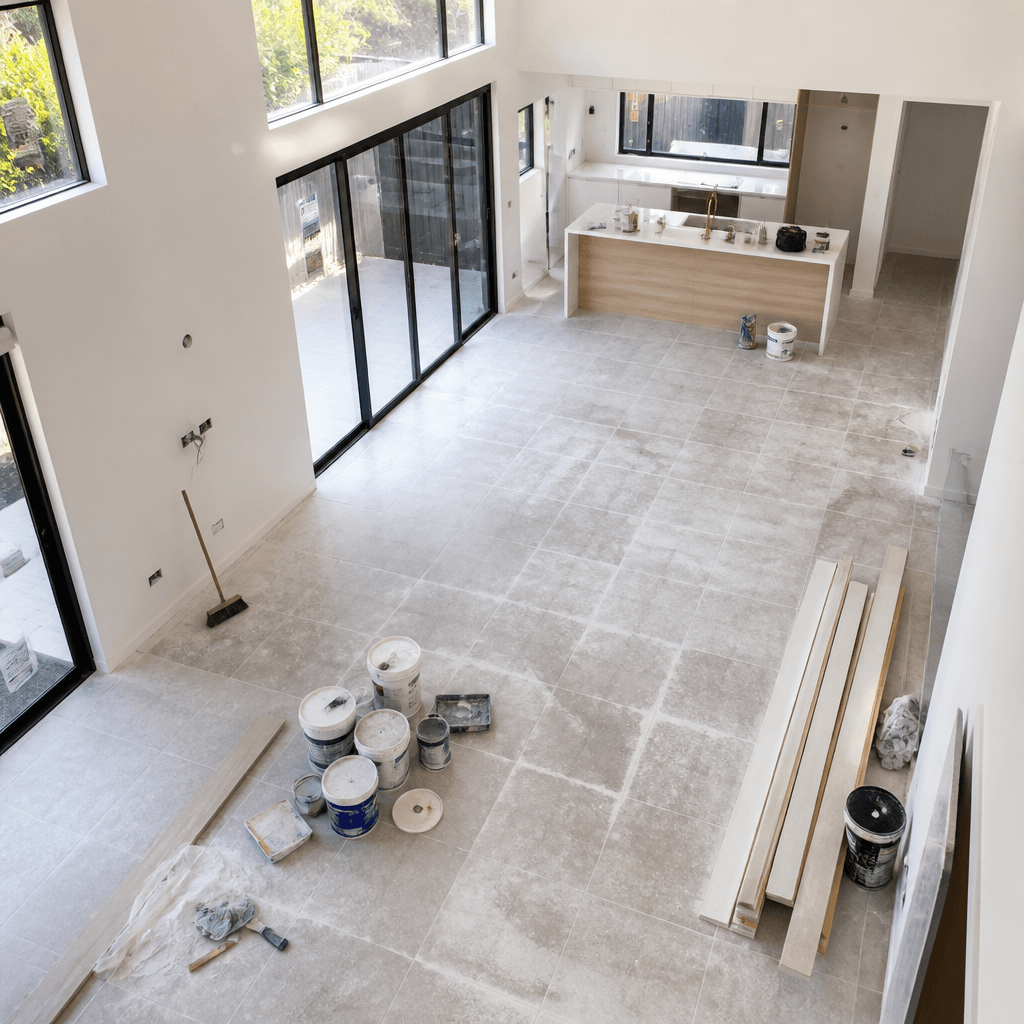
Builder’s cleaning and pressure washing are often combined | Post-construction sites in Melbourne accumulate cement residue and dust that require high pressure cleaning before any surface finishing or inspection. |
Commercial providers use hot water systems for grease and oil | Cold water pressure washing does not remove grease effectively on warehouse loading docks or commercial kitchen surrounds. Hot water systems are required for those surfaces. |
Why Winter Is the Best Time for High Pressure Cleaning in Melbourne
Most people assume outdoor cleaning is a spring job. That assumption is wrong, and it costs property managers real money. By the time spring arrives, mould colonies that started forming in April have had three months to penetrate porous concrete and grout. Removing them then requires more time, more passes, and sometimes chemical pre-treatment that adds to the cost.
Tackling outdoor cleaning in winter means you address mould and algae at their early growth stage, before they permanently stain or structurally compromise the surface. For a Melbourne aged care facility or school with outdoor walkways, this is not a minor detail. It directly affects resident and student safety during the wettest months of the year.
There is also a scheduling argument. Spring is peak demand for pressure washing Melbourne providers. Winter bookings move faster, and a quality cleaning company has more availability to work around your facility’s operational hours without rushing the job.
Pro tip: If your commercial property has outdoor car parks, loading docks, or covered walkways, book high pressure cleaning in June or July rather than September. You will get a cleaner result and avoid the spring backlog that pushes quality providers to three-week wait times.
Surfaces That Benefit Most from Pressure Washing Melbourne
Not every outdoor surface responds the same way to high pressure cleaning. Understanding which surfaces benefit most, and which need a modified approach, is what separates a professional result from one that causes damage.
Concrete Driveways and Car Parks
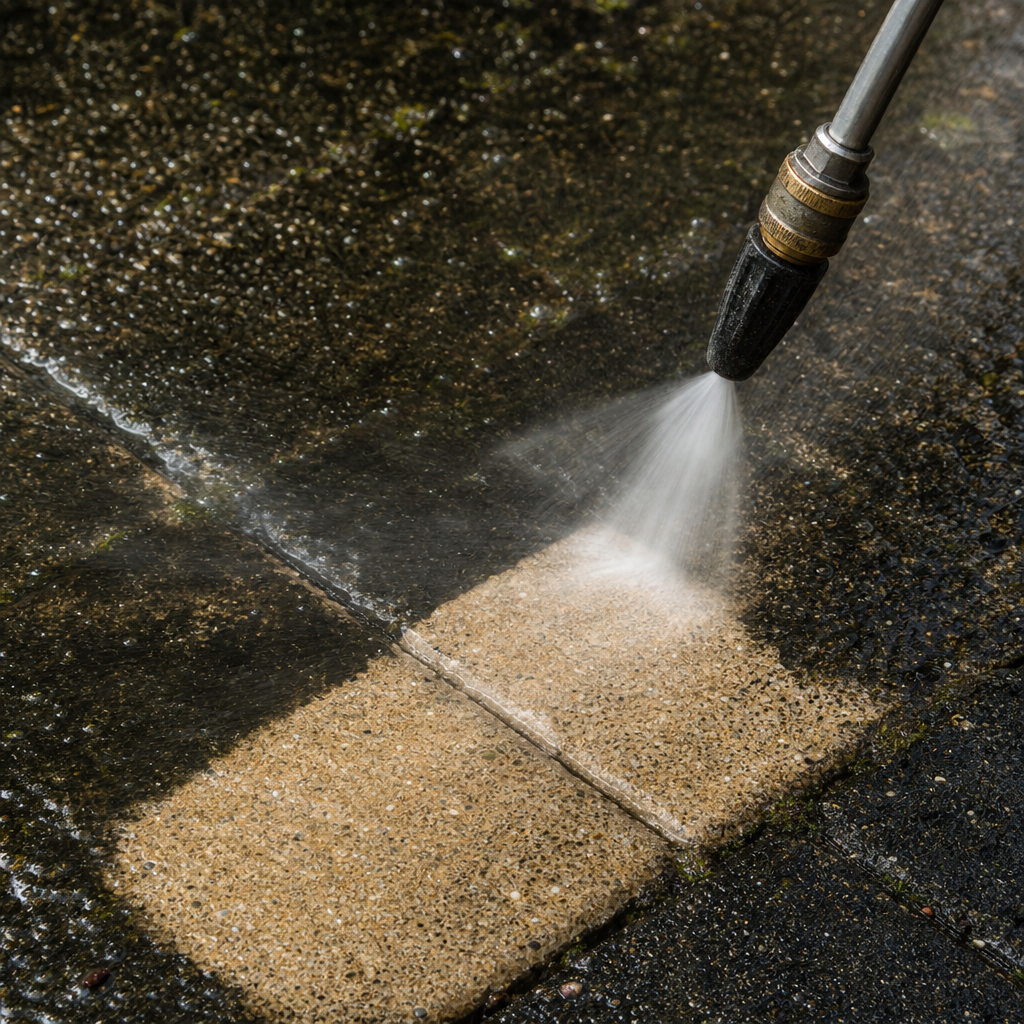
Concrete is the most pressure-washed surface in Melbourne’s commercial sector, and for good reason. Oil drips from vehicles, tyre rubber residue, and general grime embed into concrete’s porous surface. A professional hot water pressure wash combined with a degreaser pre-soak removes these contaminants completely. For shopping centres, supermarkets, and warehouse facilities, this is standard quarterly or biannual maintenance.
Pavers and Outdoor Tiling
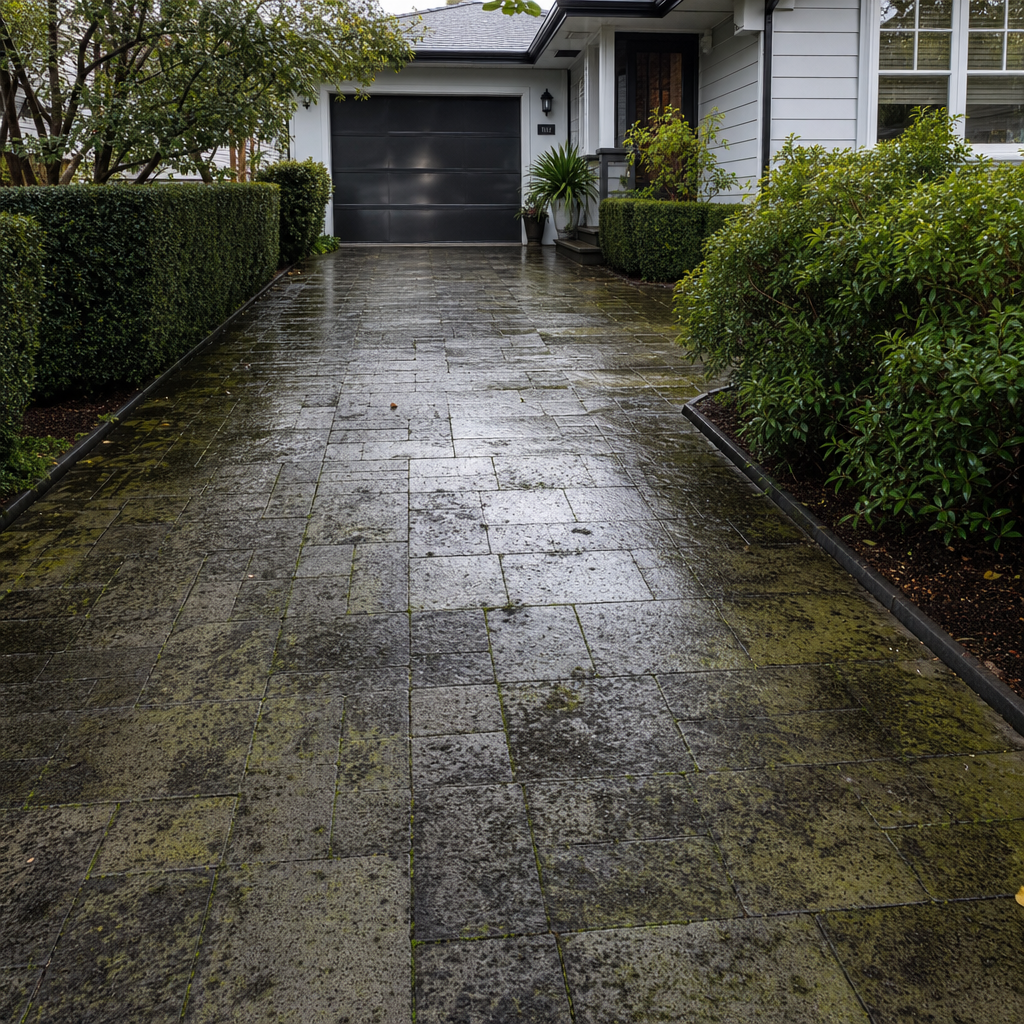
Pavers and outdoor tiles require a calibrated approach. Too high a pressure setting on aged or improperly bedded pavers dislodges the jointing sand and can crack thin tiles. In practice, experienced operators use a rotating surface cleaner attachment at controlled PSI rather than a direct lance. This produces a far more even clean without surface damage. After cleaning, pavers benefit from re-sanding and sealing, which pairs directly with tile and grout restoration services.
Decking and Timber Surfaces
Timber decking in Melbourne accumulates green algae through winter at a faster rate than almost any other surface. A low-pressure wash with an appropriate biocide pre-treatment is the correct method here. High PSI on timber raises the grain, splinters the surface, and pushes water into the timber structure, accelerating rot rather than preventing it.
Building Exteriors and Rendered Walls
Soft render, brick, and painted masonry can be pressure washed but require a soft-wash approach, typically below 1,500 PSI with a wide fan nozzle. This removes moss, lichen, and dirt without stripping render or dislodging mortar. For aged care facilities and schools with rendered exteriors, this kind of cleaning dramatically improves the appearance and reduces surface degradation costs over time.
Commercial vs Residential High Pressure Cleaning: What Changes
The underlying technology is the same, but commercial and residential high pressure cleaning jobs differ in almost every other respect. Scale, access requirements, chemical use regulations, and scheduling constraints all change when you move from a home driveway to a Melbourne warehouse or childcare centre.
Commercial sites often require operators to hold specific public liability insurance, know how to work safely around operational staff, and understand surface-specific requirements for regulated environments. A childcare centre, for example, cannot use certain chemical pre-treatments without child-safe alternatives. Medical facilities have similar requirements around residual chemical exposure. Providers without experience in these environments cut corners that create compliance problems for facility managers.
Residential high pressure cleaning jobs are typically simpler in scope but require attention to runoff management. In Melbourne, stormwater regulations prohibit directing chemical-laden runoff into street drains. A professional residential cleaning provider manages containment and disposal correctly.
“Surfaces cleaned professionally and sealed correctly last up to 40% longer than those left to seasonal weathering.” Source: Master Painters Australia industry technical guidance on surface preparation and maintenance.
Pro tip: When requesting a quote for commercial high pressure cleaning Melbourne, always ask specifically whether the provider carries public liability insurance of at least $20 million and whether their operators have experience in your facility type. A childcare or aged care environment is not the place to test a new operator’s site management skills.
How the High Pressure Cleaning Process Actually Works
Understanding the process helps property managers and homeowners set realistic expectations and spot providers who are cutting corners.
Pre-Treatment and Surface Assessment
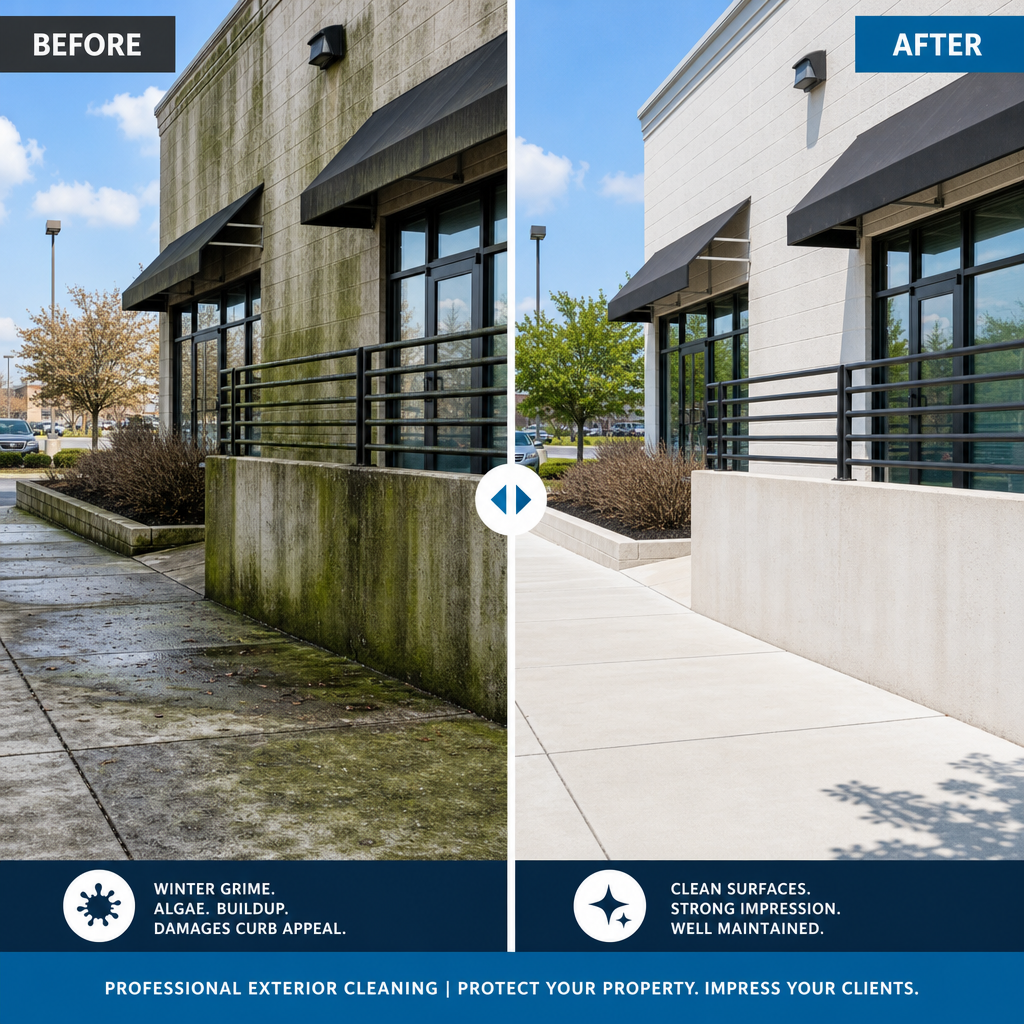
A proper high pressure cleaning job starts before the machine is turned on. The operator assesses the surface type, identifies existing damage or vulnerable areas, and applies a pre-treatment agent where needed. For heavily moulded surfaces, a biocide or alkaline cleaner is applied and left to dwell for 10 to 20 minutes. Skipping this step means the pressure wash pushes surface mould around rather than killing and removing it.
Pressure Selection and Equipment Setup
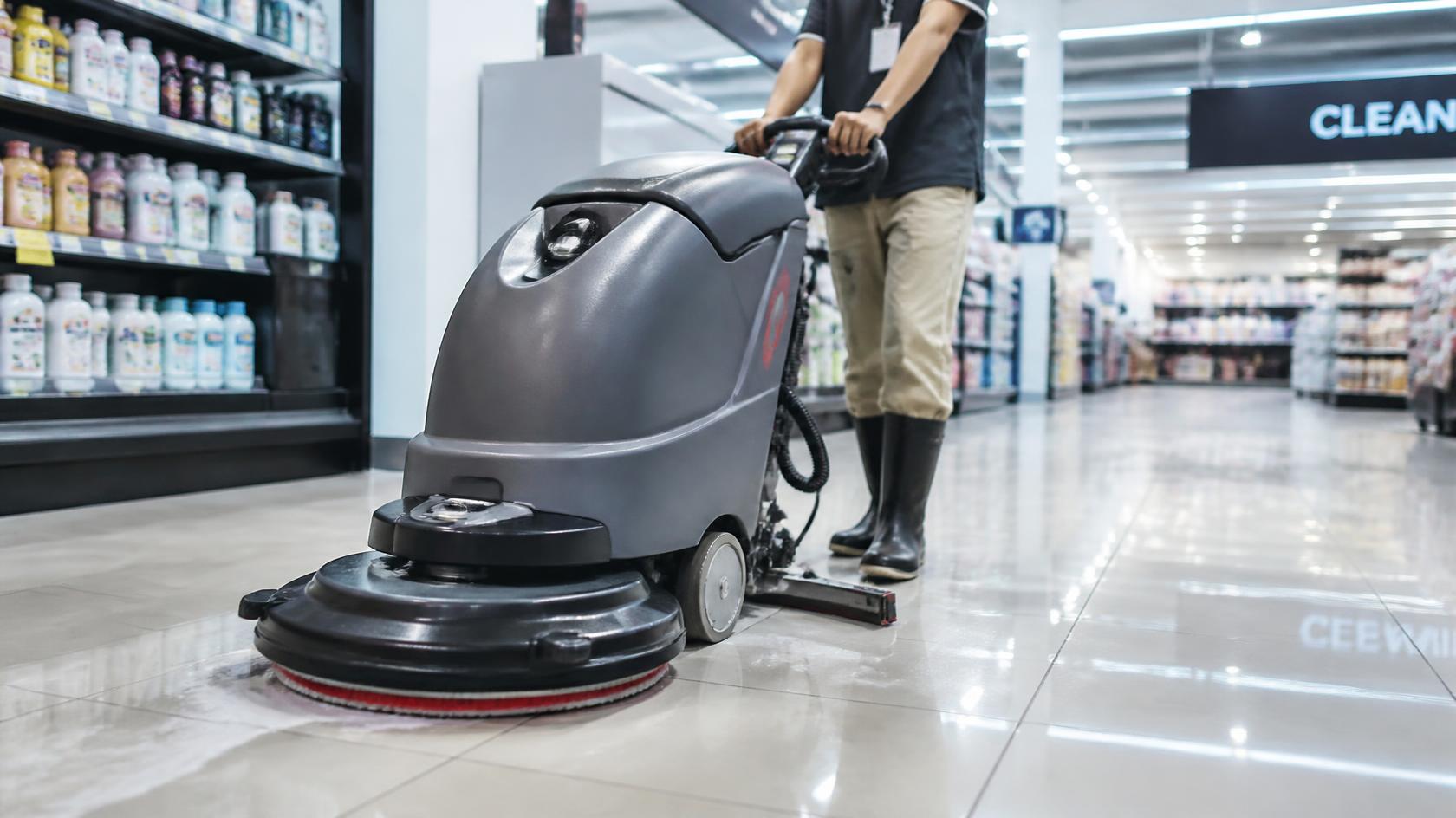
Residential cold water pressure washers typically operate between 1,500 and 3,000 PSI. Commercial hot water units used by professional Melbourne cleaning providers operate at higher pressures with water heated to 80-95 degrees Celsius. The heat is what makes the difference on grease, oils, and stubborn biological growth. For surface-specific work, operators switch between a 0-degree pencil jet for stubborn spots, a 25-degree fan nozzle for general cleaning, and a rotating surface cleaner for large flat areas.
Post-Clean Treatment and Sealing
Once the surface is cleaned and dried, applying a penetrating sealer on concrete, pavers, or grout significantly extends the time between cleanings. Sealed surfaces repel water, reduce mould reattachment, and are easier to maintain. This step is often bundled with tile and grout restoration services and represents genuine long-term value for commercial properties managing maintenance costs across multiple surfaces.
Comparing High Pressure Cleaning Methods for Melbourne Properties
Method | Best For | Key Limitation |
|---|---|---|
Cold Water High Pressure Cleaning | General dirt and dust on concrete, brick, and pavers. Residential driveways and paths. | Ineffective against grease, oil, and heavy biological growth without significant chemical pre-treatment. |
Hot Water High Pressure Cleaning | Commercial loading docks, warehouse floors, kitchen surrounds, grease removal, heavy mould on commercial properties. | Higher equipment and operational cost. Not necessary for light residential cleaning jobs. |
Soft Wash (Low Pressure with Chemical Dwell) | Rendered walls, painted surfaces, timber decking, roofing, and aged or fragile surfaces. | Slower process. Requires careful chemical selection for regulated environments like childcare or medical facilities. |
Common Mistakes That Make Outdoor Cleaning Winter Worse
The data consistently shows that most surface damage attributed to pressure washing is actually caused by operator error, not by the method itself. Three mistakes account for the majority of damage and poor results seen on Melbourne commercial and residential properties.
The first is using the wrong pressure setting for the surface. A common mistake is applying 3,000 PSI directly to outdoor tiles or render because the operator assumes more pressure equals a better result. It does not. It causes pitting, etching, and in the case of render, structural damage that costs significantly more to repair than the original clean.
The second mistake is skipping pre-treatment on heavily moulded surfaces. Without a biocide dwell period, mould spores are physically displaced but not killed. They reattach and regrow within weeks. This is why some property managers feel like pressure washing never lasts. The process was incomplete, not ineffective.
The third mistake is neglecting post-clean sealing. Unsealed concrete and grout reabsorb dirt and biological matter within weeks of cleaning. Sealing after a professional clean extends the maintenance interval from roughly six months to 18-24 months on commercial properties with moderate foot traffic.
Choosing a High Pressure Cleaning Provider in Melbourne
Melbourne has no shortage of pressure washing operators. The quality gap between providers is significant, and it matters most when you are managing a regulated facility, a large commercial site, or a property where surface damage creates real liability.
Vibrant Property Services has over 15 years of experience delivering high pressure cleaning across Melbourne’s commercial sector, including childcare centres, aged care facilities, schools, hotels, warehouses, and supermarkets. That breadth of experience matters because each facility type has different surface requirements, chemical use constraints, and scheduling considerations. A provider without that background treats every job the same, which is exactly the wrong approach.
When evaluating any Melbourne pressure washing provider, check for these specifics. First, do they offer hot water systems for commercial grease and oil situations, or are they running cold water units only. Second, do they carry out a surface assessment before quoting. Third, can they provide verifiable references from commercial clients in regulated environments. Fourth, do they include post-clean sealing as a standard option, or do they treat cleaning as a one-step process.
Providers like Vibrant Property Services integrate high pressure cleaning with complementary services including window cleaning, tile and grout restoration, and builder’s cleaning, which means one provider manages the full scope of your outdoor surface maintenance rather than you coordinating multiple contractors across a single site visit.
Pro tip: Ask any prospective high pressure cleaning Melbourne provider how they handle stormwater runoff on your site. If they cannot give you a specific answer about containment and disposal, they are not compliant with Melbourne Water and EPA Victoria regulations, and that becomes your liability as the property manager or owner.
Frequently Asked Questions
How often should commercial properties in Melbourne schedule high pressure cleaning?
For most commercial properties in Melbourne, the standard is twice per year: once in autumn before the wet season embeds mould, and once in late winter or early spring after peak mould growth. High-traffic sites like supermarkets, schools, and warehouses with loading docks may need quarterly cleaning, particularly for car parks and entry points where organic matter and grease accumulate faster.
Is high pressure cleaning safe for outdoor tiles around a childcare centre or aged care facility?
Yes, but it requires the right approach. Outdoor tiles in childcare and aged care settings need a soft-wash or controlled-PSI clean with child-safe and resident-safe chemical pre-treatments. A specialist provider with experience in these environments will select the appropriate cleaning agents and pressure settings. Always confirm that the provider has worked in regulated care environments before booking.
What is the difference between pressure washing and high pressure cleaning?
In the Melbourne cleaning industry, the terms are used interchangeably. Both refer to using a motorised pump to deliver water at high velocity to remove dirt, mould, algae, and other contaminants from hard outdoor surfaces. The meaningful distinction is between cold water and hot water systems, and between consumer-grade machines and commercial-grade equipment, not the name used to describe the service.
Can high pressure cleaning remove oil stains from concrete driveways and car parks?
Cold water pressure washing alone will not fully remove set oil stains from concrete. You need a hot water system combined with an alkaline degreaser pre-soak. The hot water emulsifies the oil, and the pressure then flushes it from the porous concrete surface. For a commercial car park or loading dock with regular vehicle traffic, this combination is the only method that produces a genuinely clean result.
How long does a high pressure cleaning job take for a typical Melbourne commercial site?
It depends entirely on the surface area and condition. A standard commercial driveway or car park up to 500 square metres typically takes three to five hours including pre-treatment and post-clean inspection. A large warehouse loading area or a school with multiple outdoor paved zones may take a full day. A professional provider will conduct a site assessment before quoting and give you a realistic timeframe based on actual conditions, not a generic estimate.
Will high pressure cleaning damage older pavers or heritage brickwork?
It can, if done incorrectly. Older pavers and heritage brick are often softer and more porous than modern materials. They require pressure settings below 1,500 PSI and a wide fan nozzle or surface cleaner attachment rather than a direct lance. An experienced operator will identify these surfaces during the pre-job assessment and adjust their equipment accordingly. If a provider does not ask about your surface type before quoting, that is a warning sign.
If you manage a Melbourne property and have tried pressure washing in winter, or if you have questions about what surfaces in your facility need attention before spring, leave a comment below with your experience.
We would love your feedback and any insights you would share with others. What perspective would you add?