
Introduction
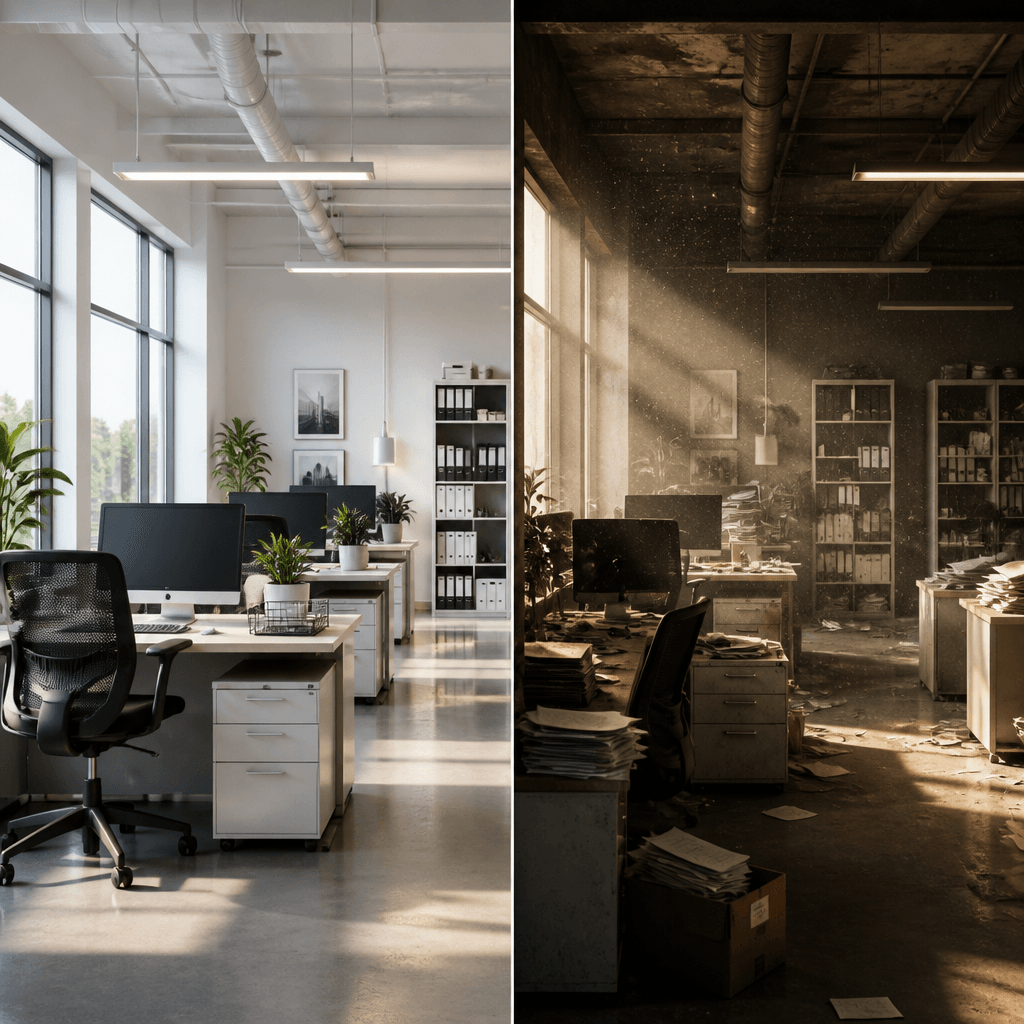
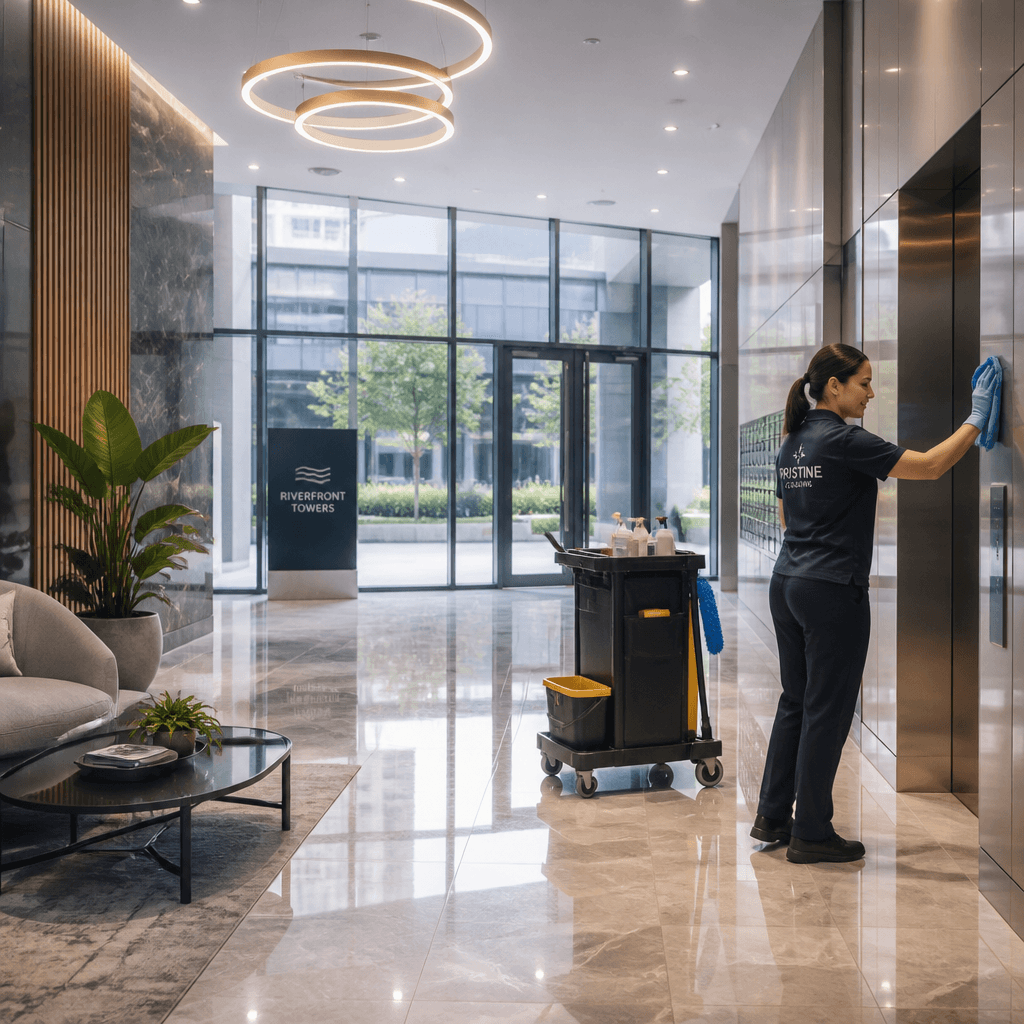
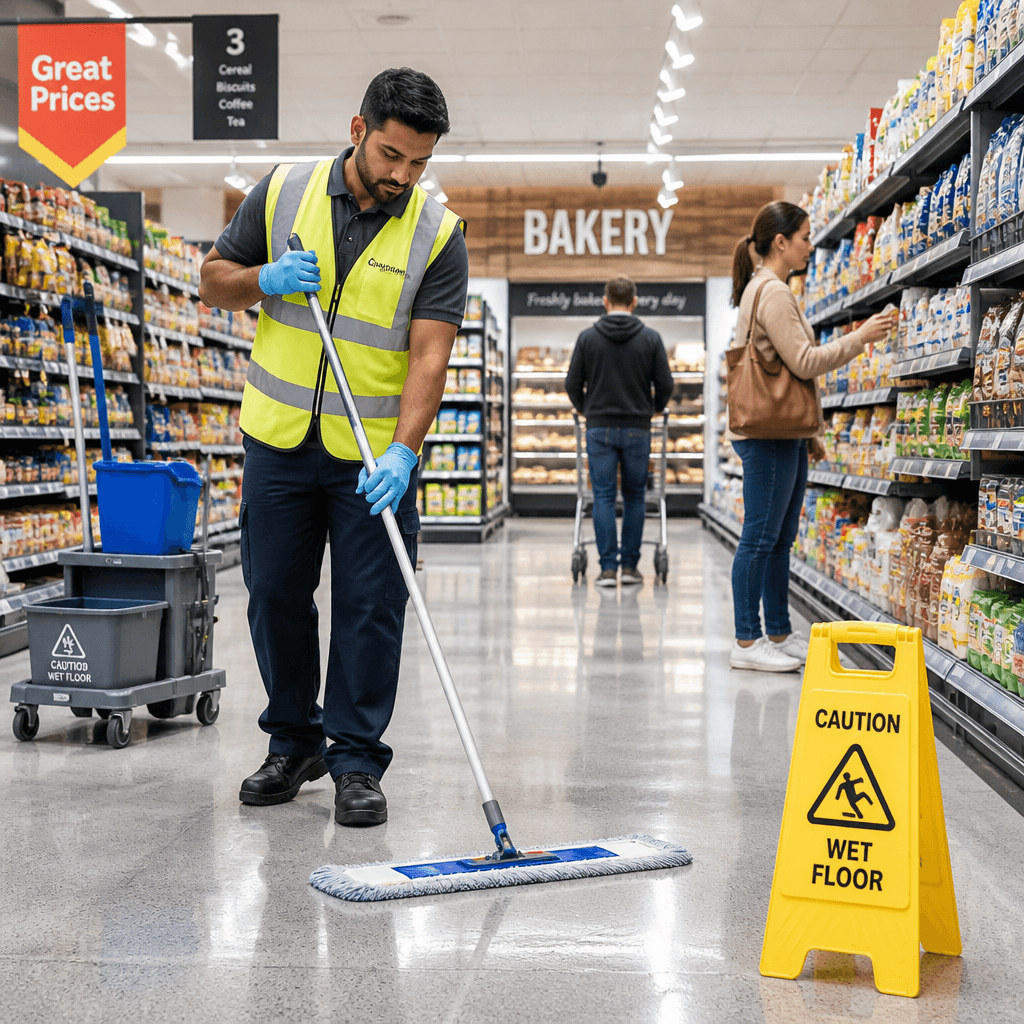
Having a comprehensive Office Cleaning Checklist is essential for maintaining a clean and healthy work environment. Most Melbourne businesses think they are getting a thorough office clean when they are really getting a surface wipe-down. Research from Safe Work Australia shows that contaminated workspaces contribute significantly to employee illness and lost productivity, yet the majority of office cleaning contracts lack any structured checklist to verify what was actually completed.
If you are managing a commercial property in Melbourne and relying on vague verbal agreements with your cleaning provider, you are almost certainly paying for less than you think. This guide breaks down exactly what office cleaning services Melbourne businesses depend on should cover during every single visit, room by room, task by task.
Table of Contents
- Introduction
- Quick Takeaways
- Why a Checklist Matters More Than a Verbal Agreement
- Reception and Common Areas: First Impressions Are Cleaned First
- Workstations and Open-Plan Offices: The Daily Non-Negotiables
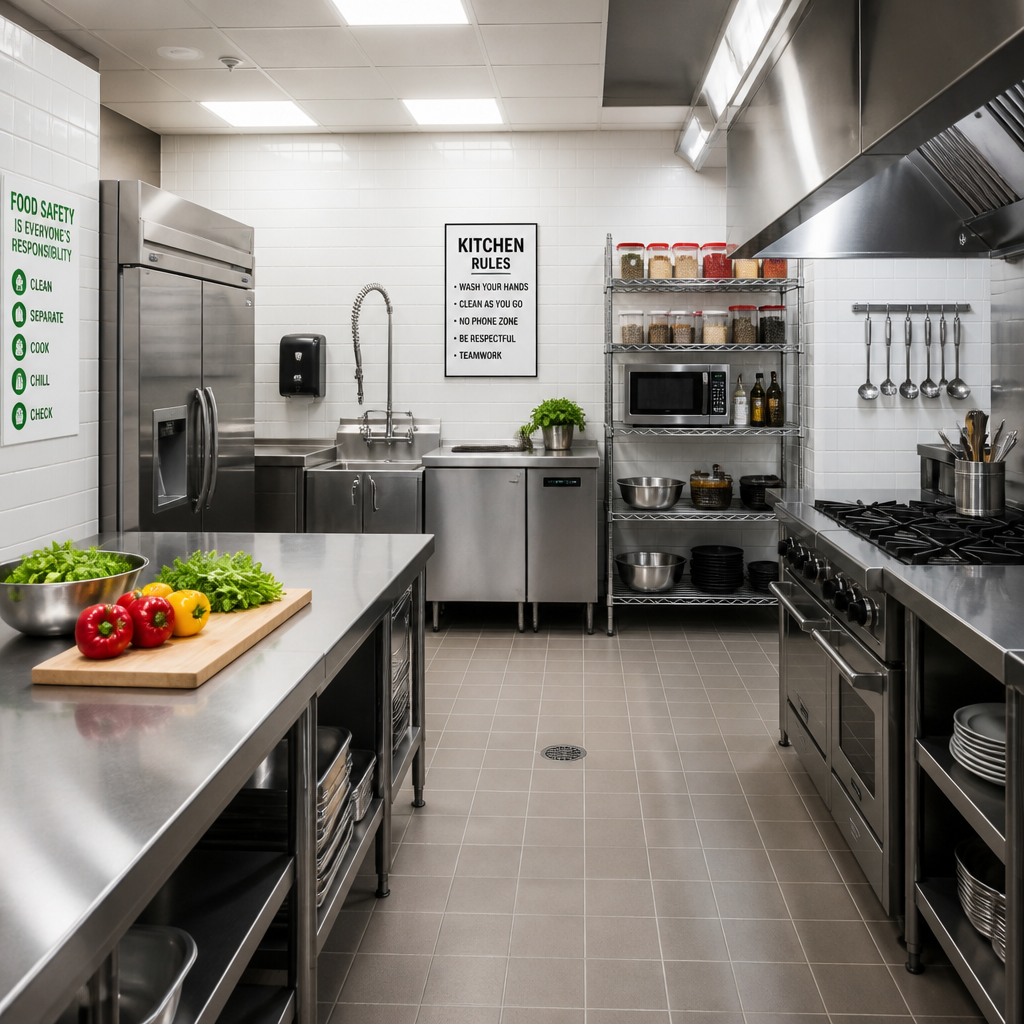
- Kitchen and Break Rooms: The Highest-Risk Zone in Any Office
- Bathrooms and Amenities: Where Standards Get Tested
- Meeting Rooms and Boardrooms: Overlooked Between Sessions
- Cleaning Frequency Comparison: Daily vs Weekly vs Periodic Tasks
- What Separates a Quality Provider From a Cheap One
- Frequently Asked Questions
- References
Quick Takeaways
Key Insight | Explanation |
|---|---|
A checklist is a compliance tool, not just a to-do list | Without a signed-off checklist after each visit, there is no accountability for what was or was not completed. |
High-touch surfaces need daily attention | Door handles, light switches, and elevator buttons harbour bacteria and must be disinfected every visit, not weekly. |
Kitchens carry the most cross-contamination risk | Sink taps, microwave handles, and fridge doors are touched by every employee and rarely cleaned to a hygiene standard. |
Bathrooms require product rotation, not just wiping | Using the same product on toilets and vanities without changing cloths spreads contamination rather than removing it. |
Periodic deep cleaning prevents long-term damage | Tile grout, carpet fibres, and window glass require specialised periodic treatment that daily cleaning cannot substitute. |
A good provider documents everything | Quality commercial office cleaning providers supply visit reports, product logs, and sign-off sheets as standard practice. |
Scope creep is the most common billing dispute | Tasks not listed in the original checklist will either be skipped silently or charged as extras. Clarity upfront prevents both. |
Why a Checklist Matters More Than a Verbal Agreement
A verbal agreement that your office will be cleaned three times a week means nothing without a defined scope. In practice, cleaning teams operating without a structured office cleaning checklist default to what is visible and quick. That means floors get vacuumed, bins get emptied, and everything else gets skipped or forgotten.
The problem compounds over time. Surfaces that are never properly disinfected become reservoirs for bacteria. Dust builds up behind monitors and under desks. Grease accumulates in kitchen exhaust areas. None of this is visible during a casual walk-through, which is exactly why it persists.
A checklist forces specificity. It names every task, every location, and the expected frequency. When a cleaner or a manager signs off on that checklist at the end of each visit, there is a verifiable record. Without it, disputes become your word against theirs.
Pro tip: Ask any potential cleaning provider to show you their standard checklist before you sign a contract. If they cannot produce one, that is a red flag that their service is unstructured and inconsistent.
Reception and Common Areas: First Impressions Are Cleaned First
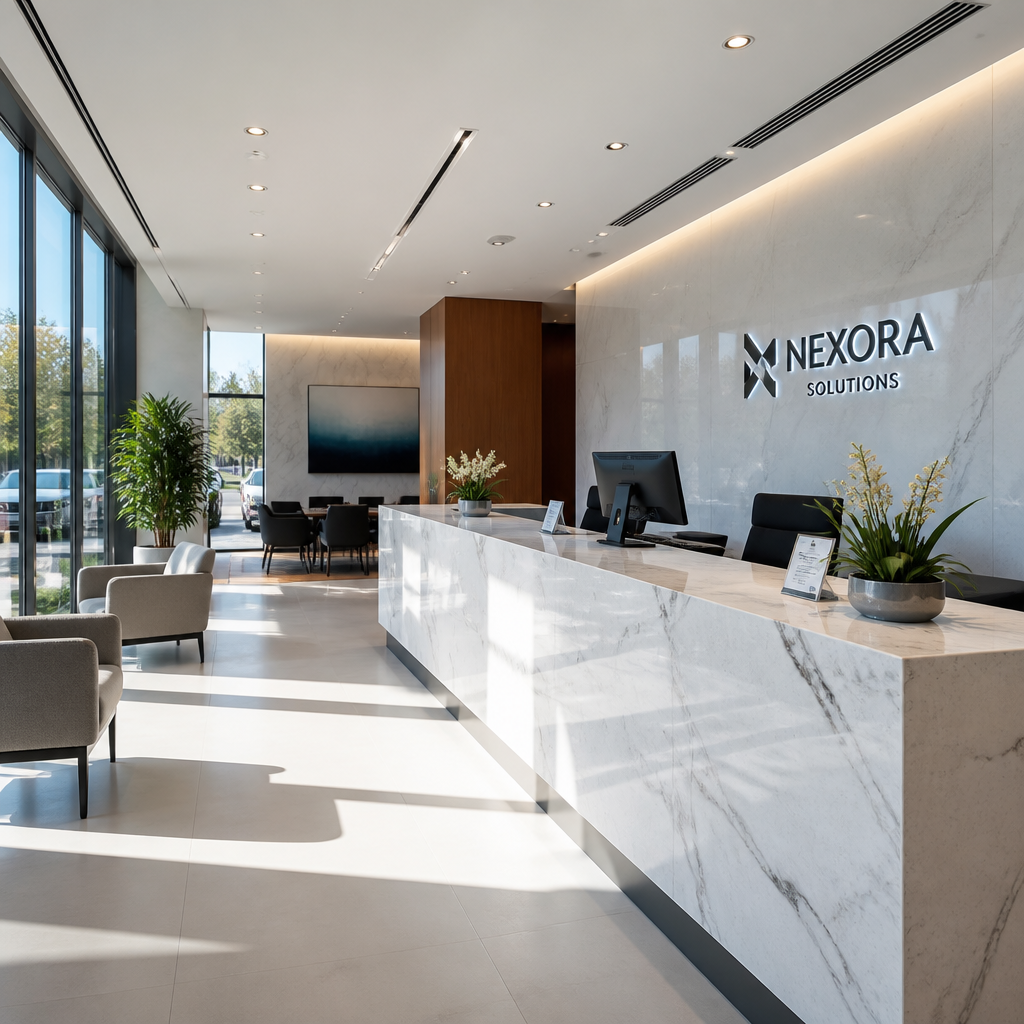
The reception area is the first space clients, visitors, and job candidates encounter. It needs to look professional every single morning, not just after a quarterly deep clean. A proper commercial office cleaning checklist for this zone covers several specific tasks every visit.
Daily Tasks for Reception Areas
Every visit to a reception or common area should include vacuuming or mopping hard floors, wiping down the reception desk surface, disinfecting all entry door handles and push plates, emptying all waste bins and replacing liners, and spot-cleaning any glass partitions or interior windows at eye level.
Upholstered seating in waiting areas needs to be checked for visible debris and vacuumed. Magazine racks and coffee tables should be wiped down. Any signage or directory boards should be dusted.
What Often Gets Skipped
A common mistake is treating the reception area as lower priority because it looks clean at a glance. High-traffic matting at building entrances collects enormous amounts of soil that, if not cleaned, gets tracked throughout the office. Skirting boards, light switch plates, and the underside of the reception desk are also consistently missed on unstructured visits.
“The cleanliness of a reception area signals to every visitor what standards the business operates to. It is one of the few physical cues that is entirely in a business owner’s control.” – Facility Management Association of Australia
Workstations and Open-Plan Offices: The Daily Non-Negotiables
Open-plan offices present the most logistical complexity for cleaning teams. Desks hold personal items, electronics, and paperwork that cannot simply be shoved aside. A professional team knows how to work around these without disturbing confidential documents or personal belongings.
Desk and Workstation Cleaning Standards
Every workstation visit should cover dusting all accessible desk surfaces around items, emptying personal desk bins, and sanitising any shared equipment such as printers, photocopiers, and communal keyboards. Monitor screens should be dusted but not wiped with general-purpose spray, which can damage anti-glare coatings.
Under-desk areas need to be vacuumed regularly. Cable management trays and the backs of monitor stands collect dust that degrades air quality over time. Carpeted areas between and beneath desks should be vacuumed at every visit, not just once a week.
Shared Equipment and Touch Points
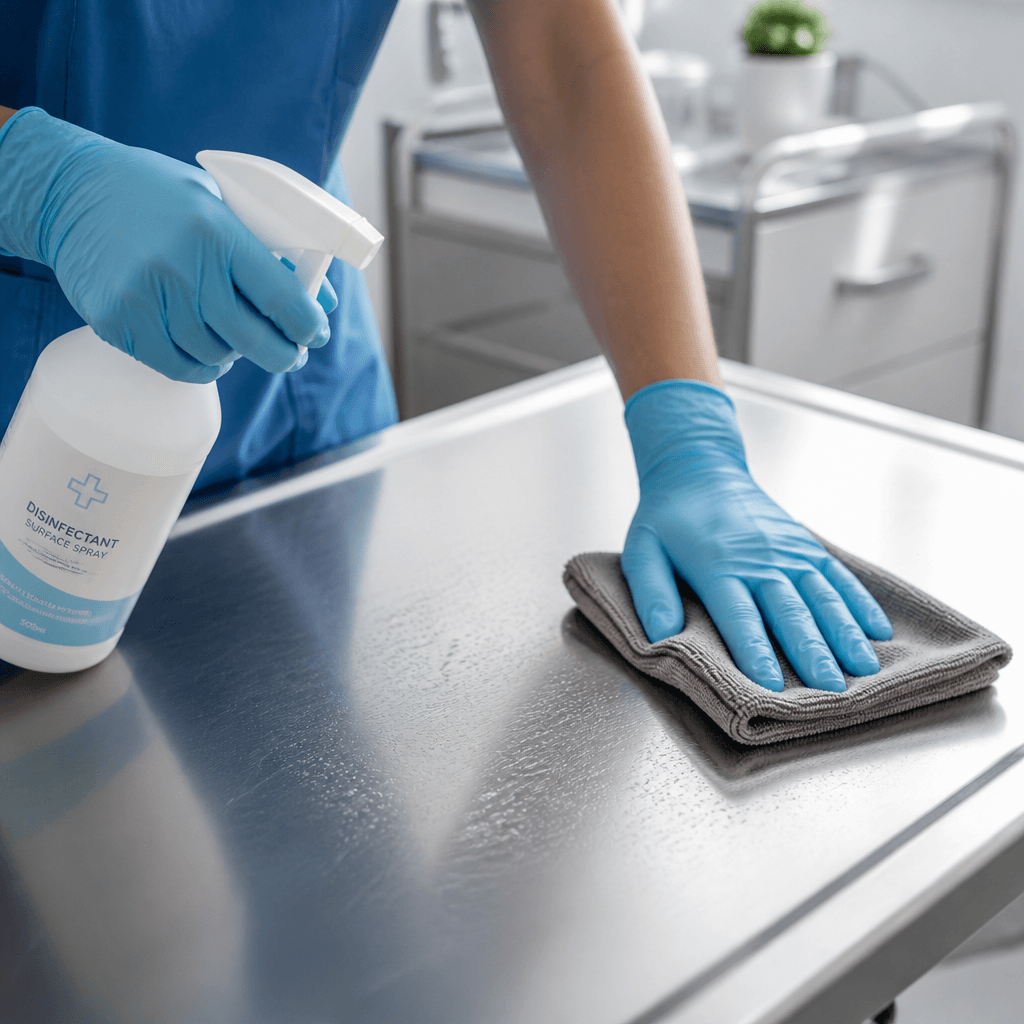
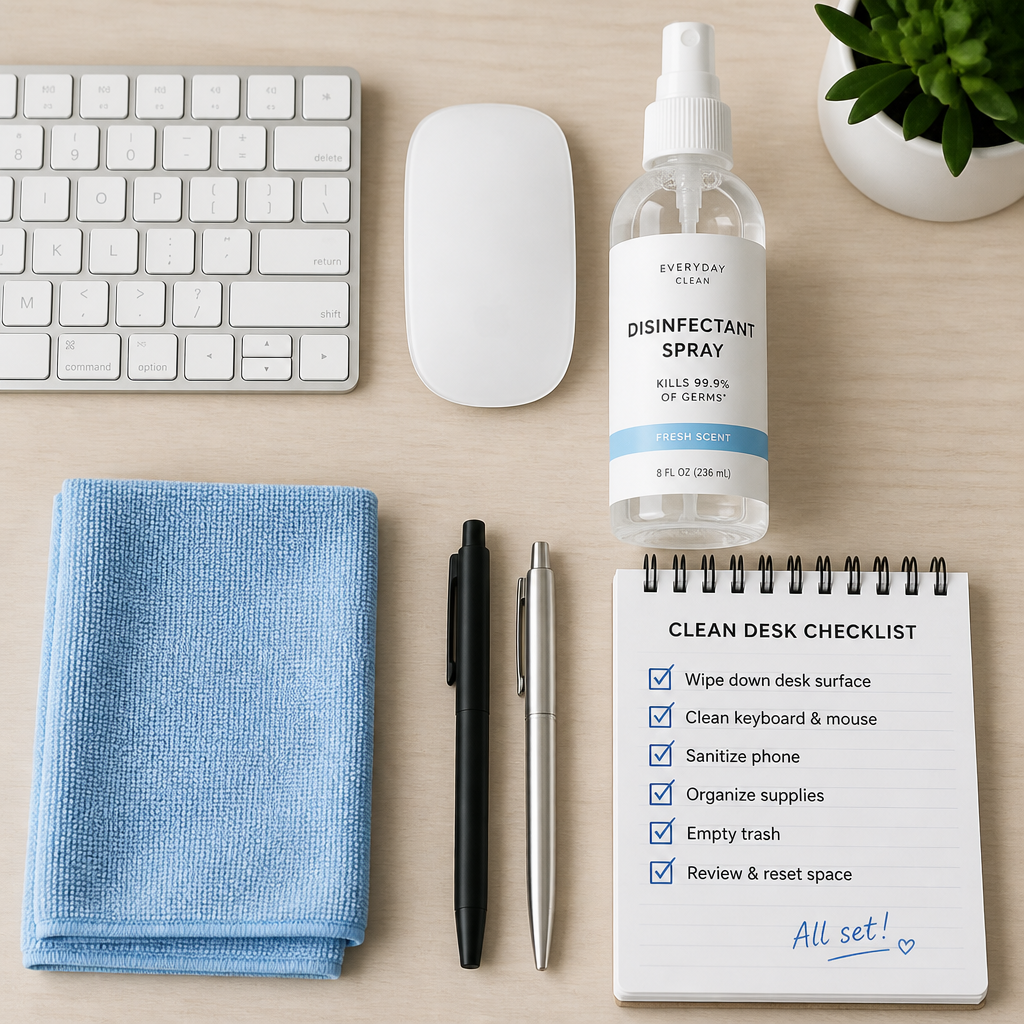
The data consistently shows that shared office equipment carries significantly higher bacterial loads than toilet seats. Keyboard surfaces, mouse devices, and phone handsets at shared workstations require disinfection at every visit. This is not optional in post-pandemic office environments. Any provider not including this in their standard checklist is operating below the current minimum expectation for office cleaning services in Melbourne.
Pro tip: Specify in your contract that shared equipment disinfection is a line item on the checklist, not an assumed inclusion. This prevents it from being quietly dropped when a cleaning team is running behind schedule.
Kitchen and Break Rooms: The Highest-Risk Zone in Any Office
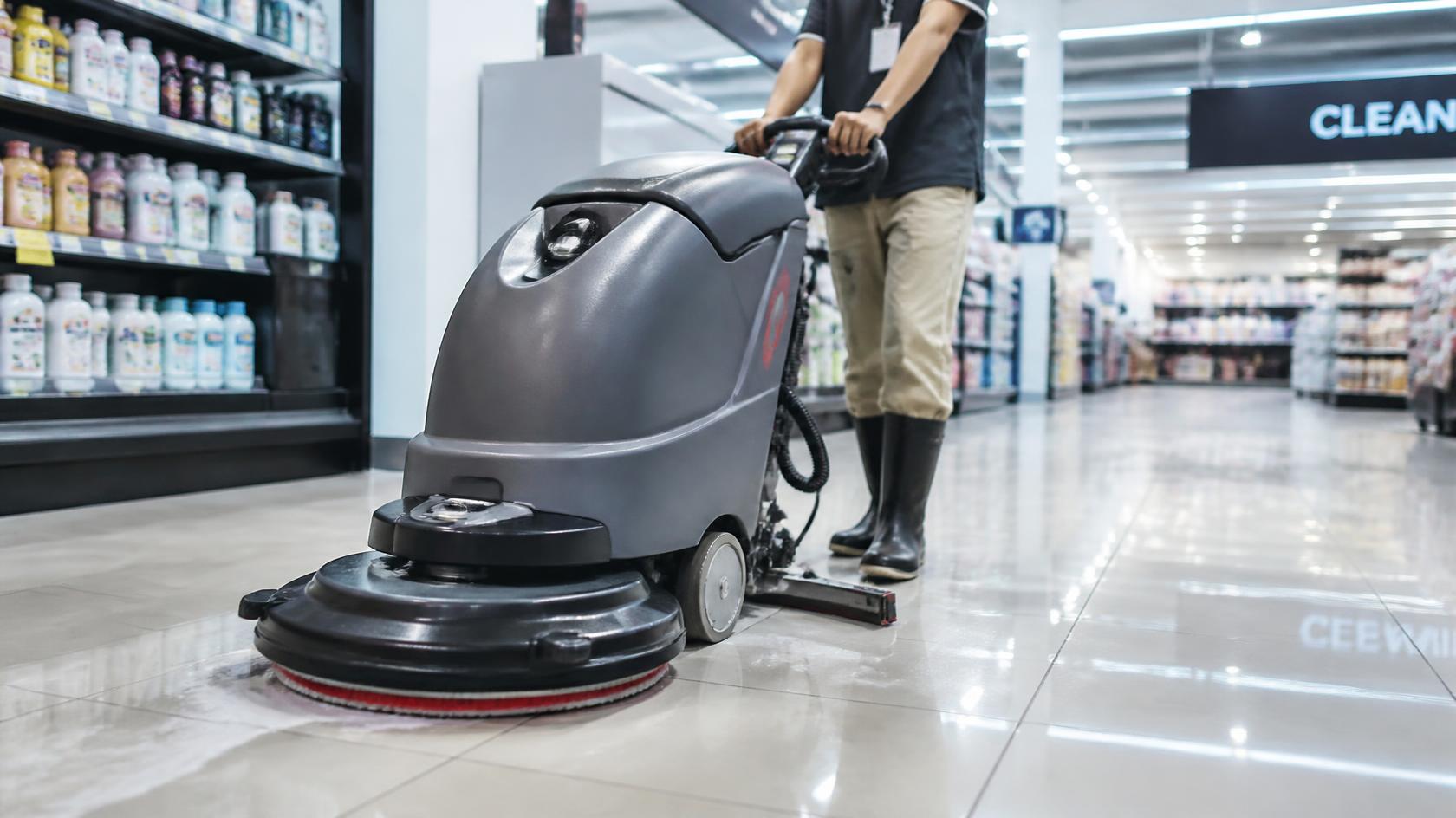
Kitchen and break room hygiene is where the gap between a cheap clean and a professional clean is most visible. A professional service treats the office kitchen as a food preparation environment with corresponding standards, not just a room with a sink and some appliances.
What Every Kitchen Visit Must Include
Sink basins and taps must be cleaned and sanitised, not just rinsed. Bench surfaces need to be wiped down with food-safe disinfectant after clearing any dishes or appliances. Microwave interiors, exterior handles, and fridge door handles are high-touch surfaces that need attention at every visit. The exterior of all appliances should be wiped down including the kettle, coffee machine, and toaster surrounds.
Floors in kitchen areas require mopping, not just vacuuming, because spills and food residue create slip hazards and attract pests. Bin areas must be emptied and the bin itself wiped down before a new liner is fitted.
Weekly Kitchen Tasks That Support the Daily Work
On a weekly basis, the inside of the fridge should be checked and any obviously expired items flagged or removed per the client’s instructions. Dishwasher filters and draining areas should be cleaned. Kitchen exhaust grilles and splashback tiles should be degreased to prevent buildup that daily wiping cannot address.
Bathrooms and Amenities: Where Standards Get Tested
Bathroom cleaning quality is the single most consistent predictor of overall cleaning service quality. If the bathrooms are consistently clean, the rest of the office almost always follows. If they are not, nothing else matters.
The Minimum Standard for Every Visit
Every bathroom visit must include sanitising all toilet bowls, seats, lids, and external surfaces. Vanity basins and taps need to be cleaned and polished. Mirror surfaces should be streak-free. Floors must be mopped with an appropriate disinfectant, not just swept. All bins must be emptied and relined. Soap dispensers, paper towel holders, and toilet paper holders must be checked and restocked.
Sanitary disposal units in female facilities must be serviced as part of the regular schedule, either by the cleaning team or a contracted specialist. This is a legal obligation in many commercial environments under Australian workplace health standards.
Colour-Coded Cleaning Protocols
A professional cleaning team operating to a proper standard uses colour-coded microfibre cloths. Typically, red cloths are for toilets and urinals only. Blue cloths go on sinks and vanities. Green cloths cover kitchen and food surfaces. Yellow is for general use. Any provider using the same cloth across a toilet and a sink is not meeting hygiene standards, regardless of how quickly they finish the job.
Meeting Rooms and Boardrooms: Overlooked Between Sessions
Meeting rooms are often cleaned superficially because they appear tidy after use. In practice, they accumulate whiteboard residue, dusty presentation screens, crumbs under conference chairs, and sticky patches on tables that daily wipe-downs miss unless the cleaning scope is explicit.
What a Thorough Meeting Room Clean Looks Like
Every meeting room visit should include wiping down the full conference table surface, stacking and pushing in chairs to allow floor access, vacuuming or mopping the floor beneath the table, cleaning the whiteboard with the appropriate solution rather than a general spray, and dusting AV equipment from a safe distance without spraying directly onto screens.
Light switches and power point covers at desk level are consistently missed in meeting rooms. Windowsills collect dust from HVAC systems. Vertical blinds in boardrooms are frequently ignored for months despite being visible from every seat at the table.
Boards of management and senior leadership typically use boardrooms for high-stakes meetings with external parties. The standard of cleanliness in these rooms reflects directly on how the business is perceived. This is not an area where cutting scope saves anything meaningful.
Cleaning Frequency Comparison: Daily vs Weekly vs Periodic Tasks
Not every task needs to happen at every visit. A well-structured office cleaning checklist separates tasks by frequency so that resources are allocated correctly and nothing important is accidentally placed on a rotation that is too infrequent.
Task | Recommended Frequency | Notes for Melbourne Office Environments |
|---|---|---|
Vacuuming all carpeted areas | Every visit | Melbourne’s variable weather tracks in more soil during winter and pollen during spring |
Disinfecting high-touch surfaces | Every visit | Door handles, light switches, elevator buttons, shared equipment |
Kitchen bench and appliance wipe-down | Every visit | Food-safe disinfectant required, not general spray |
Fridge interior inspection | Weekly | Flag expired items, clean shelves and drawers |
Internal window and glass partition cleaning | Weekly to fortnightly | More frequent in high-traffic lobbies and reception areas |
Skirting boards and vents dusting | Monthly | HVAC vents in Melbourne CBD offices accumulate dust faster in winter |
Carpet deep clean or steam treatment | Quarterly to biannual | Depends on foot traffic volume and carpet type |
Tile and grout restoration | Annually or as needed | Especially relevant for kitchen and bathroom floor tiles |
External window cleaning | Quarterly minimum | More frequent for ground-floor retail or street-facing offices |
High-pressure cleaning of outdoor areas | Biannual | Car parks, loading docks, and covered walkways |
What Separates a Quality Provider From a Cheap One
Price is an easy differentiator. Standards are not. The difference between a cleaning company charging $18 per hour and one charging $28 per hour is rarely visible in the invoice and almost always visible in the outcome three months into the contract.
Documentation and Accountability Practices
A quality provider maintains a signed visit log at each site. They provide access to a contact person, not just a general inbox. They conduct periodic quality audits and share those results with the client. When something is missed, they fix it at no extra charge within 24 hours.
Providers that cannot tell you which products they use, what dilution ratios they apply, or how they train new staff are not operating to a professional standard. These are not complicated questions. Any experienced cleaning company has documented answers ready.
Insurance, Compliance, and Staff Vetting
In Melbourne, any commercial cleaning provider working in your premises should carry public liability insurance of at least $10 million and workers compensation cover for all staff. For environments like medical facilities, childcare centres, or aged care, compliance with infection control standards is a legal requirement, not a selling point.
Staff vetting matters in office environments where cleaners work after hours with access to the entire premises. A professional provider can confirm that all staff are police-checked and inducted to your site-specific requirements. This is a baseline expectation, not a premium add-on.
Pro tip: Request a copy of the provider’s public liability certificate before they start work, and ask specifically whether all staff are direct employees or subcontractors. Subcontracted chains often result in untrained workers showing up with no knowledge of your site or your standards.
Frequently Asked Questions
How often should a Melbourne office be professionally cleaned?
Most offices with 10 or more staff benefit from cleaning three to five times per week. Smaller offices with fewer than 10 people can often manage with two visits per week, provided those visits are thorough and cover all zones. High-traffic environments like medical practices, childcare facilities, or food businesses require daily cleaning as a minimum compliance requirement.
What should be on a commercial office cleaning checklist?
A complete commercial office cleaning checklist covers daily tasks across all zones: reception, workstations, kitchen, bathrooms, meeting rooms, and corridors. It also includes a weekly layer for less frequent tasks like fridge cleaning and partition glass, and a periodic schedule for deep cleaning, carpet treatment, and window cleaning. Every task should specify the product type, method, and expected standard of finish.
Is office cleaning different from general commercial cleaning?
Yes, in meaningful ways. Office cleaning operates around sensitive equipment, confidential documents, and the personal property of employees. It requires protocols for handling desk areas, data privacy considerations for document disposal, and disinfection standards for shared equipment. General commercial cleaning in warehouses or retail environments focuses on different priorities, including heavy-duty floor care and stock area hygiene.
What questions should I ask an office cleaning company before hiring them?
Ask to see their standard checklist, their product and equipment list, proof of public liability insurance, confirmation of staff vetting procedures, and their process for handling missed tasks or complaints. Ask whether your account will have a dedicated contact and how quality is monitored between visits. Any hesitation or vagueness in these answers should be treated as a warning sign.
Why does my office still feel unclean even after regular cleaning visits?
This almost always comes down to one of three causes. First, the checklist scope is too narrow and key areas are being skipped. Second, the cleaning frequency is insufficient for the volume of people using the space. Third, the products being used are not appropriate for the surfaces or not being applied correctly. Ask your provider for a copy of the last three visit logs and compare what was listed as completed against what you are observing.
Can a cleaning company handle both regular office cleaning and periodic deep cleans?
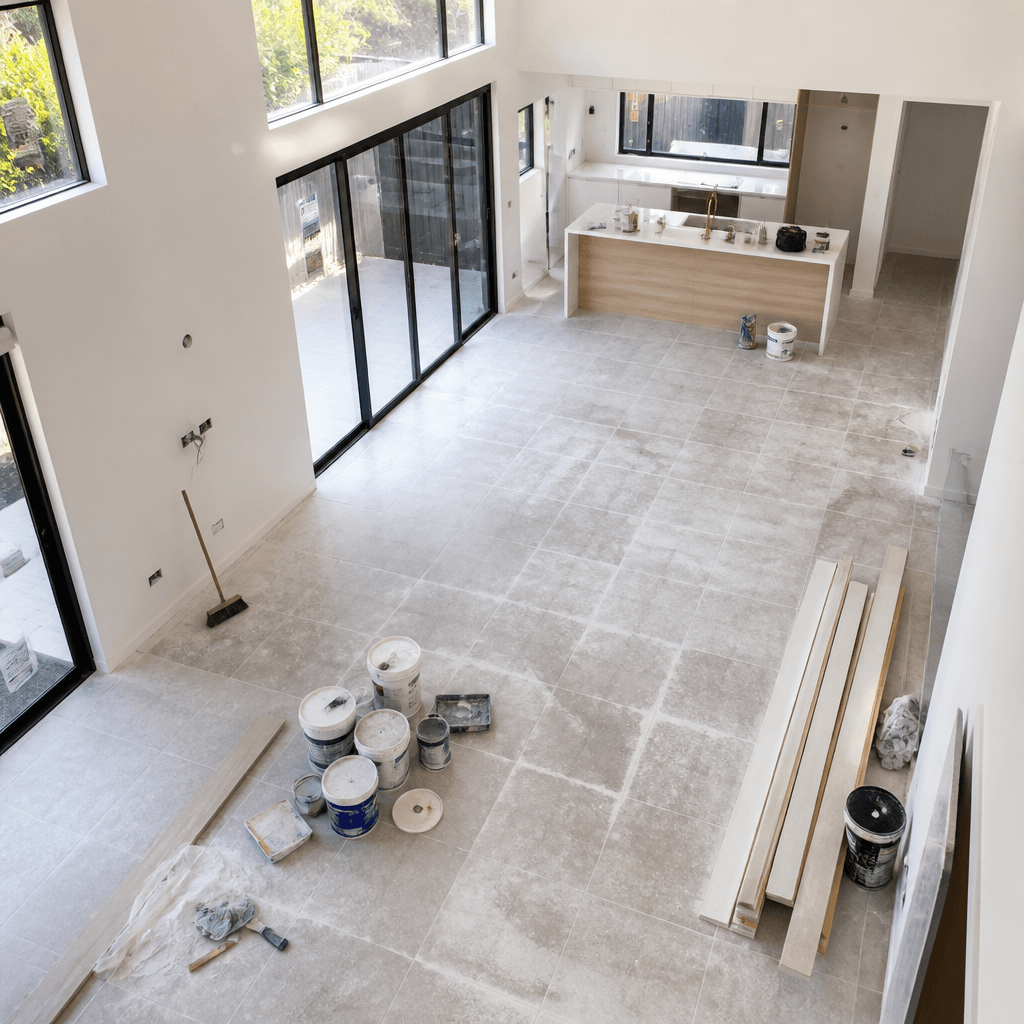
A full-service provider should absolutely handle both. Separating regular maintenance cleaning from periodic deep cleaning between two different companies creates gaps in accountability and inconsistent results. Vibrant Property Services handles everything from daily commercial office cleaning to specialised services like tile and grout restoration, high-pressure cleaning, and builders cleaning, all under the same service agreement.
If your current cleaning provider cannot tell you exactly what they cleaned on their last visit, it is worth reviewing whether your contract is delivering what you are paying for. Share your experience with your current cleaning setup in the comments, or reach out to compare what a structured checklist-based approach could look like for your Melbourne office.