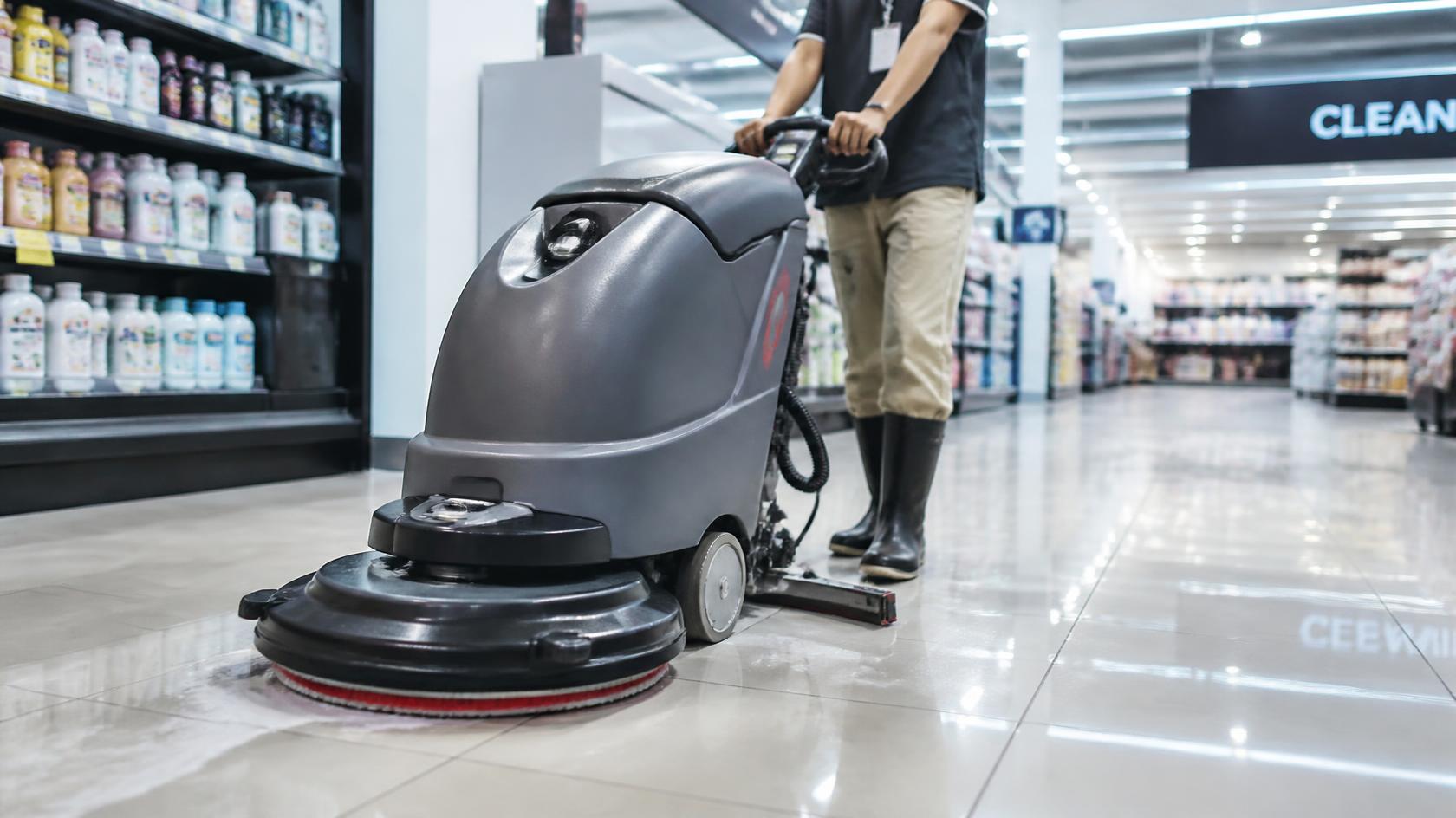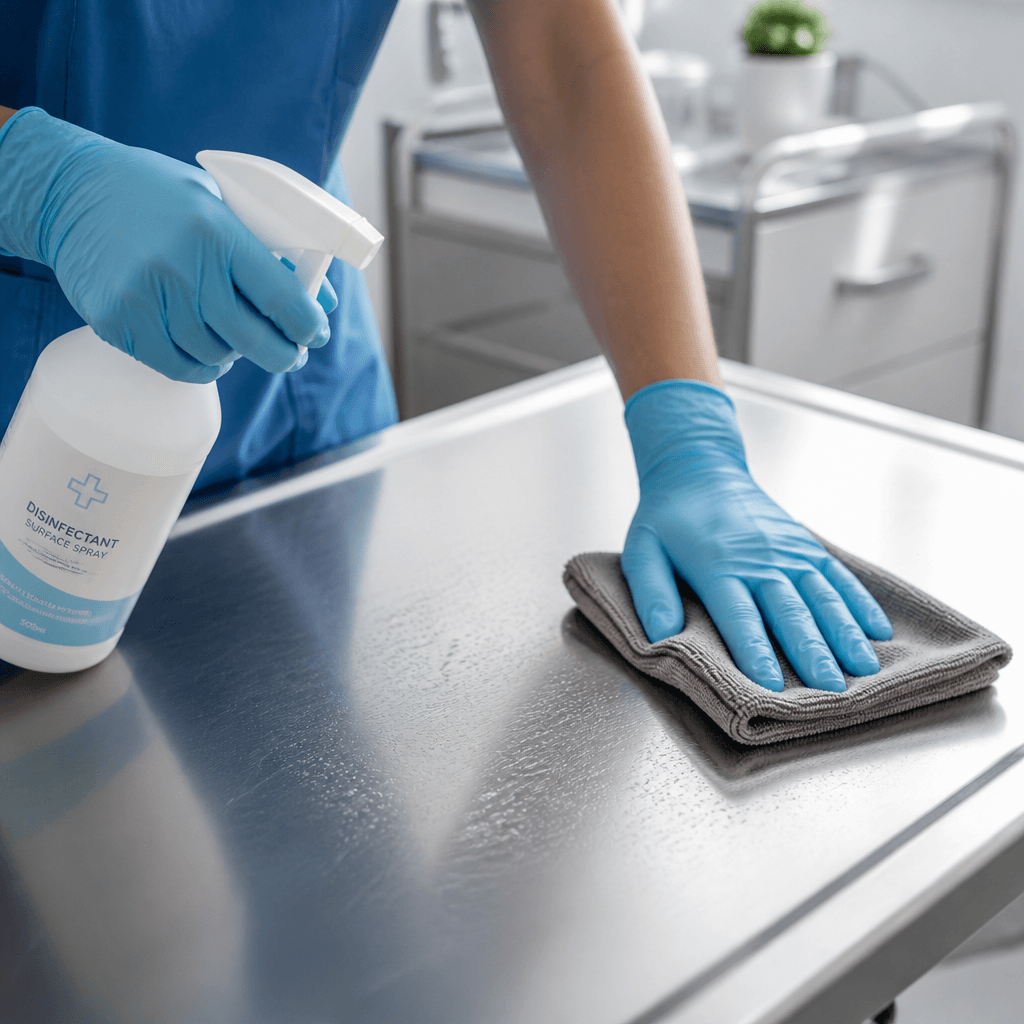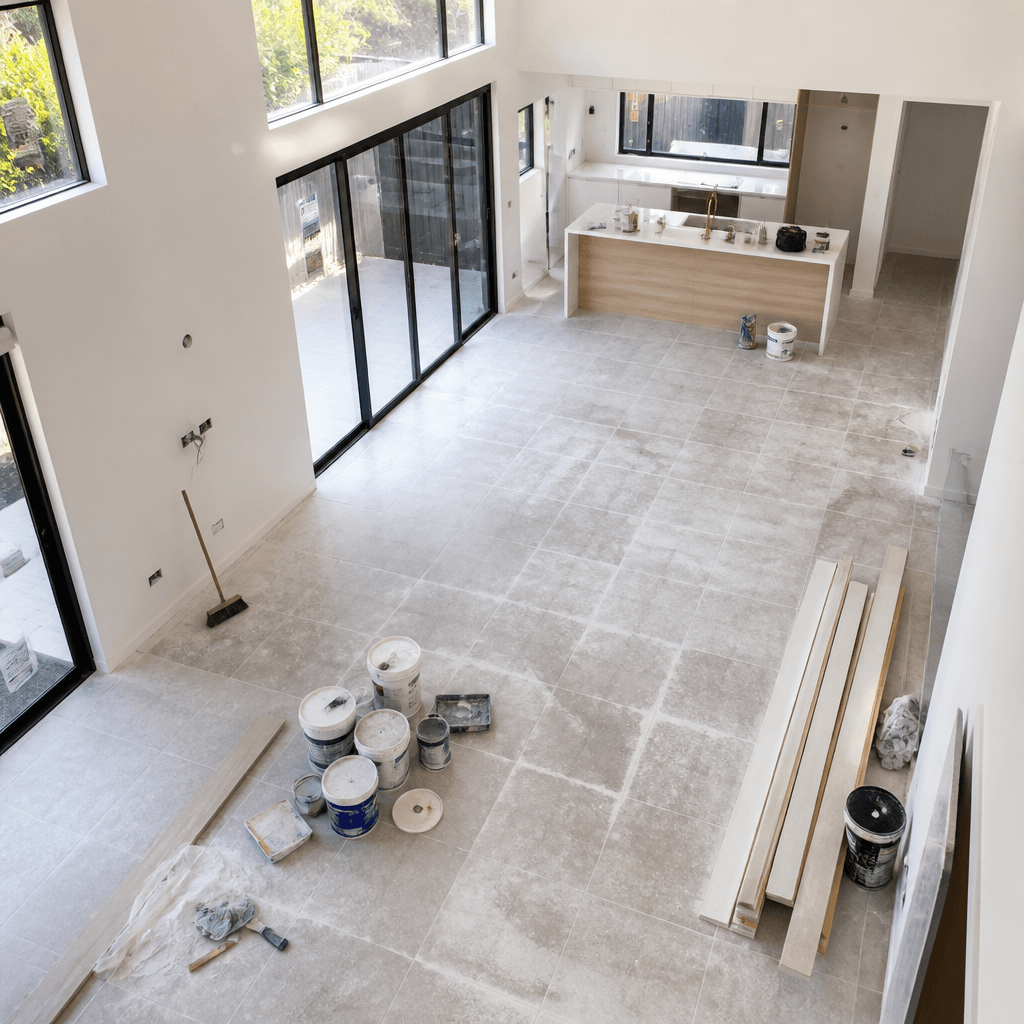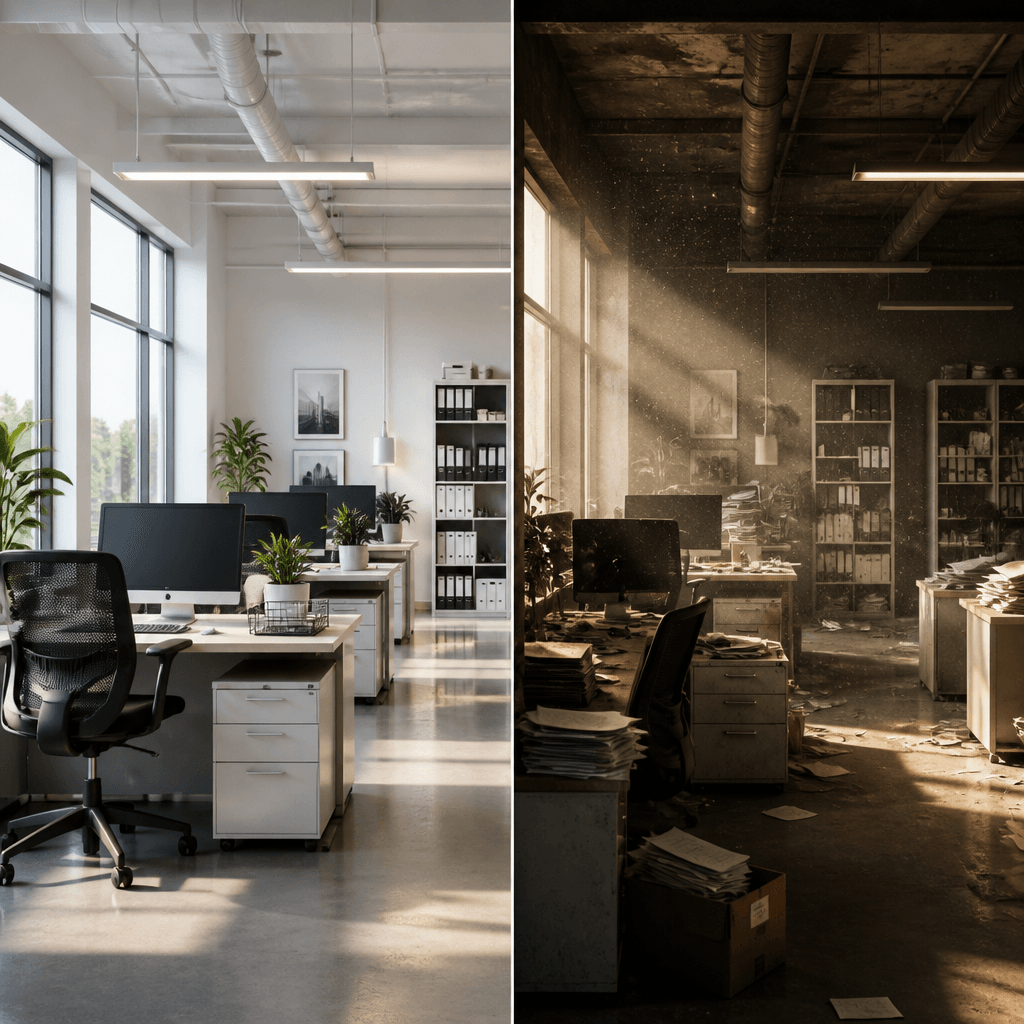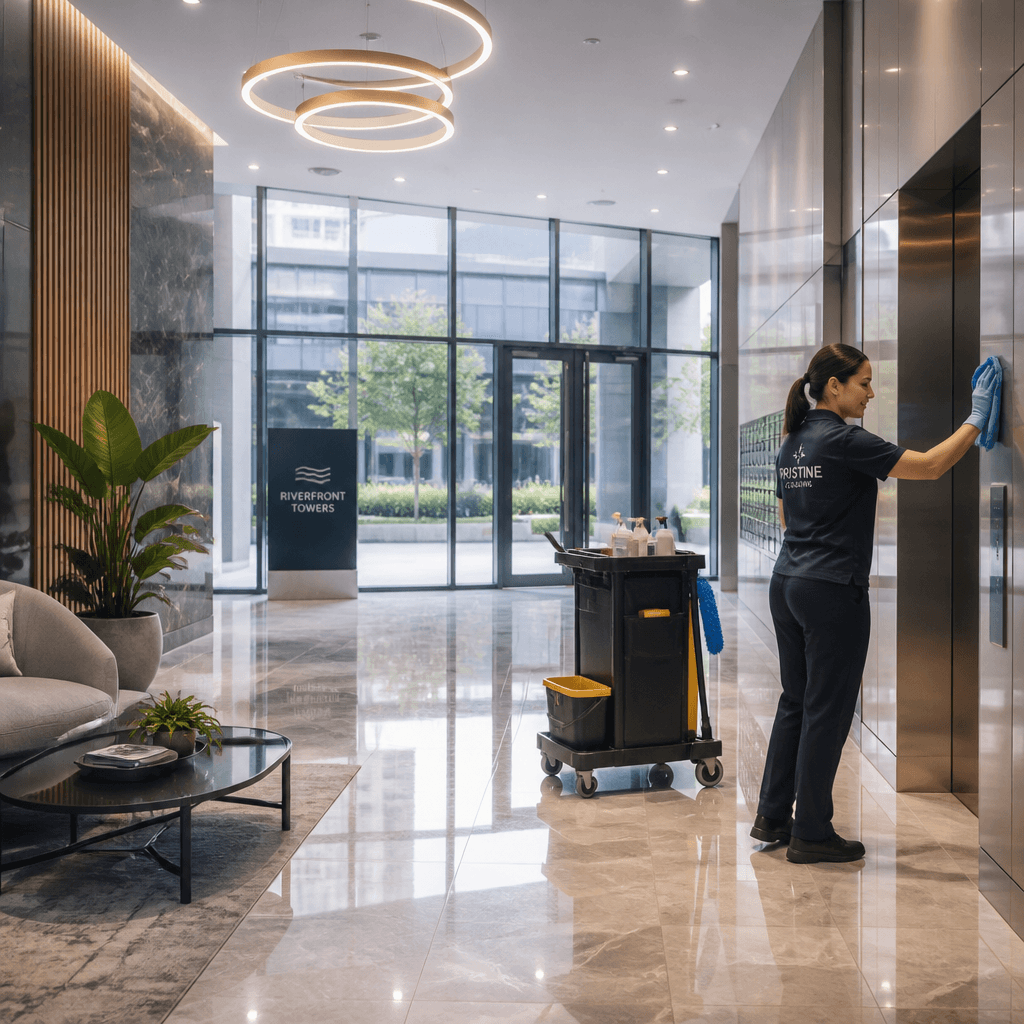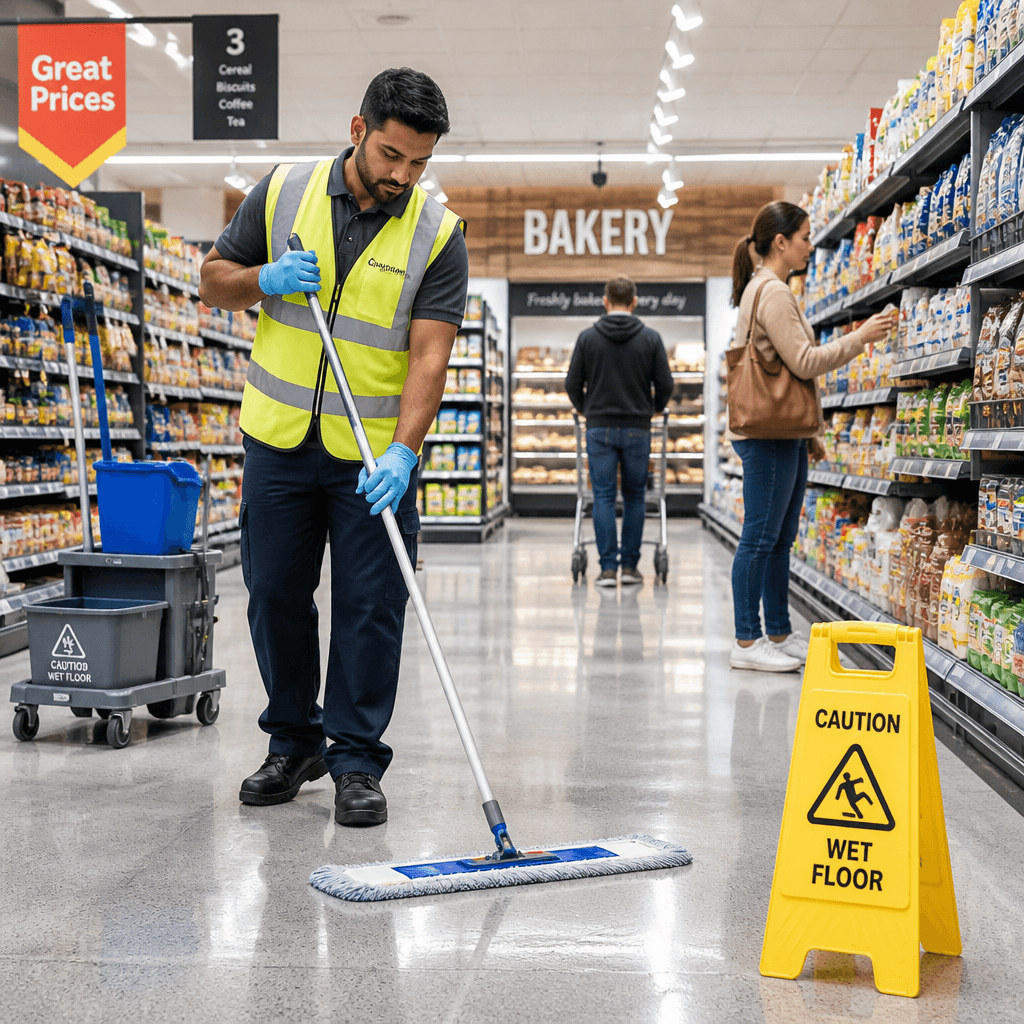

Most Melbourne offices get wiped down regularly, but surface cleaning and a genuine office professional deep clean in Melbourne businesses actually need are two very different things. The problem is that the warning signs are easy to dismiss until they start affecting staff productivity, client impressions, and even workplace health compliance. Research published by the US Environmental Protection Agency found that indoor air quality can be two to five times more polluted than outdoor air, largely due to accumulated dust, mould, and biological contaminants that routine cleaning misses. If you manage a commercial property in Melbourne, these are the signs you cannot afford to ignore.
Table of Contents
- Quick Takeaways
- Persistent Odours That Refuse to Leave
- Visible Grime Accumulation in High-Traffic Areas
- Staff Health Complaints and Increased Sick Days
- Failing or Borderline Hygiene Inspections
- Carpet and Upholstery Deterioration
- Neglected Hard-to-Reach Areas
- Comparing Cleaning Approaches: Routine vs. Deep Clean vs. Specialist
- How Often Does a Melbourne Office Actually Need a Deep Clean?
- Frequently Asked Questions
- References
Quick Takeaways
| Key Insight | Explanation |
|---|---|
| Odours indicate bacterial build-up, not just mess | Persistent smells in kitchens, bathrooms, or carpets signal microbial growth that surface sprays cannot eliminate. |
| Grout and tile discolouration is a red flag | Dark grout lines in bathrooms or kitchens mean organic matter has penetrated the surface and requires professional restoration, not mopping. |
| Increased staff sick leave can trace back to the office environment | Dust mites, mould spores, and bacteria thriving in uncleaned workspaces directly contribute to respiratory issues and absenteeism. |
| Client-facing areas reflect on your brand immediately | A dirty reception, grimy windows, or stained upholstery costs you credibility before a single word is spoken. |
| Routine cleaning cannot reach every contaminated surface | Air vents, light fixtures, behind appliances, and under furniture harbour years of build-up that only a commercial deep cleaning Melbourne service can address. |
| Post-renovation or construction residue demands builder’s-grade cleaning | Fine dust from building work infiltrates HVAC systems and surfaces throughout an office, requiring specialist equipment to fully remove. |
| Melbourne’s seasonal humidity accelerates mould growth | Melbourne’s variable climate, particularly during autumn and winter, creates ideal conditions for mould in poorly ventilated or insufficiently cleaned offices. |
Persistent Odours That Refuse to Leave
Walk into your office on a Monday morning before anyone else arrives. If there is a stale, musty, or sour smell that hits you immediately, that is not just a ventilation issue. That is a sign of organic matter decomposing somewhere in the building, and it will not go away with a plug-in air freshener.
In practice, the most common sources are the kitchen drain, the underside of commercial refrigerators, grout in bathroom tiles, and the base of office chairs where spills have soaked through to padding. Routine cleaning teams wipe surfaces. They do not lift appliances, treat grout chemically, or steam-clean upholstery padding. That is the gap a professional deep clean fills.
Melbourne offices that house large teams, run commercial kitchens, or operate in food-adjacent industries are especially vulnerable. A common mistake is masking these smells with scented products, which temporarily covers the problem while the bacterial source continues to grow. If your cleaning schedule has not included a deep clean of kitchen infrastructure and bathroom grout in the past six months, odours are a near-certain outcome.
Pro tip: Ask your current cleaning provider specifically whether grout cleaning, appliance undersides, and drain treatments are included in your current contract. In most cases, they are not, and that single gap accounts for 60 to 70 percent of persistent office odour complaints.
Visible Grime Accumulation in High-Traffic Areas
There is a difference between a surface that looks clean and one that is clean. High-traffic zones including entry floors, lift buttons, stair handrails, and shared kitchen benches accumulate biofilm, a thin layer of bacteria embedded in organic residue, that wiping alone does not remove.
Reception and Entry Points
Your reception area is the first physical space a client or visitor encounters. If the floor grout is dark, the glass panels beside the entry have smear build-up, or the reception desk has a sticky residue along its edges, those details register immediately. A professional commercial deep cleaning Melbourne service addresses these contact points with the right degreasers and microfibre systems, not the same mop used on bathroom floors.
Shared Kitchen and Break Room Surfaces
Kitchen benches, sink edges, microwave interiors, and the backs of stovetops collect grease and food residue that hardens over time. Once grease polymerises on a surface, standard cleaning agents will not break it down. The data consistently shows that office kitchens are among the highest-bacteria environments in any commercial building, often worse than bathroom door handles, according to research from the American Society for Microbiology.
If your kitchen surfaces feel tacky to the touch, or if there is discolouration around the sink base, those are direct signs that office cleaning needs to escalate to a deep clean service immediately.
Staff Health Complaints and Increased Sick Days
When multiple team members start mentioning headaches, itchy eyes, or persistent coughs that clear up over weekends and return by Tuesday, the building environment is almost certainly a contributing factor. This is known as Sick Building Syndrome, and it is recognised by Safe Work Australia as a legitimate occupational health concern.
“The quality of the indoor environment in office buildings affects the health, comfort, and productivity of workers. Studies show that improving indoor air quality can increase productivity by 8 to 11 percent.” – Harvard T.H. Chan School of Public Health, The Impact of Green Buildings on Cognitive Function
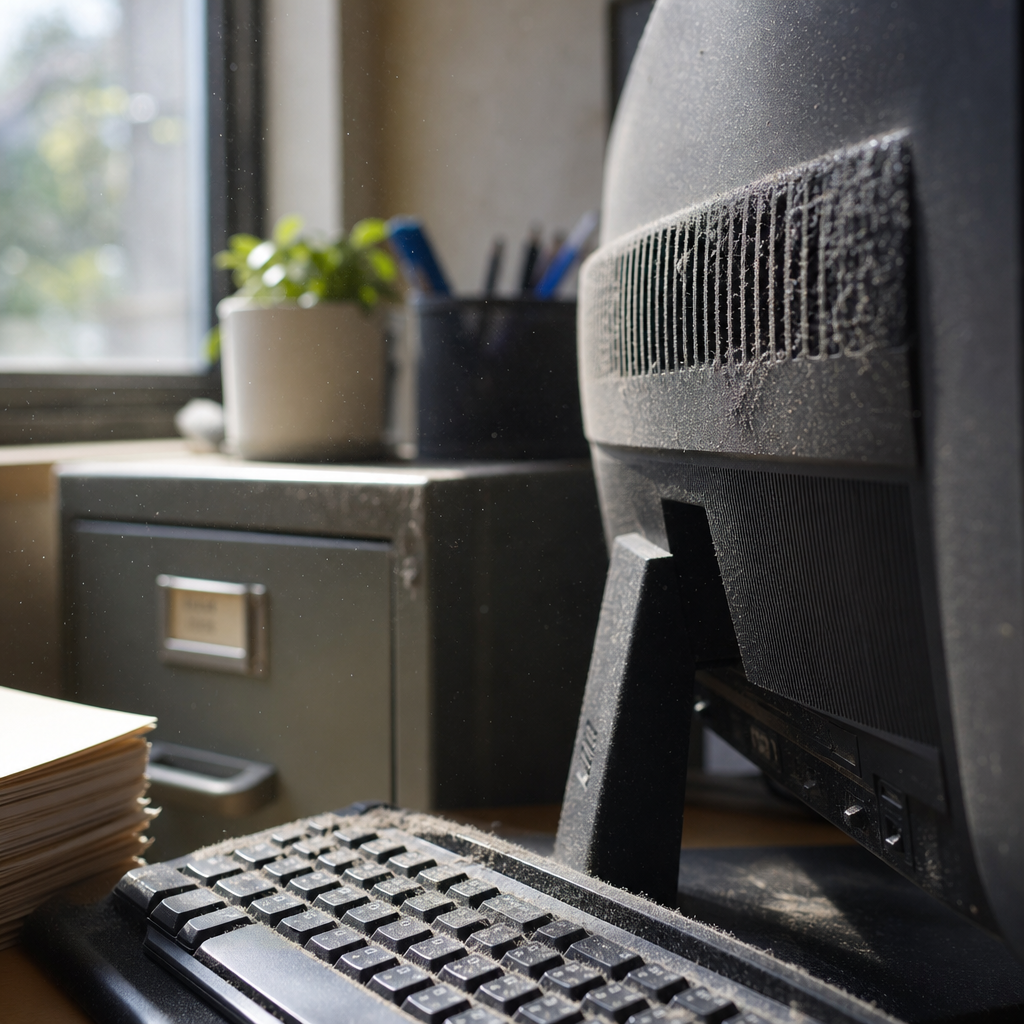
Dust mites in carpets, mould spores in air vents, and bacteria on shared surfaces are the most common culprits. Routine vacuuming stirs dust rather than removing it if the vacuum does not use HEPA filtration. Air vents that have never been cleaned distribute allergens across every room they serve.
In practice, if your Melbourne office has not had carpets hot-water extracted, HVAC grilles vacuumed and wiped, or hard floor edges properly scrubbed in the past 12 months, the air quality in your workspace is almost certainly degraded. This is not a minor comfort issue. Under the Occupational Health and Safety Act 2004 (Victoria), employers have a duty to provide a safe working environment, and that includes air quality and surface hygiene.
Pro tip: Track sick leave patterns over three months. If Mondays and Tuesdays show higher sick rates, and staff consistently report symptom relief over weekends away from the office, commission a professional assessment of your cleaning standards before your next HR review.
Failing or Borderline Hygiene Inspections
Offices in regulated environments, including childcare centres, aged care facilities, medical clinics, and food-handling spaces across Melbourne, face formal hygiene inspections. But even standard commercial offices can face scrutiny from building managers, insurance assessors, or industry auditors.
A borderline inspection result, one where the inspector notes areas of concern without issuing a formal notice, is not a pass. It is a warning. The most common areas flagged include bathroom grout, kitchen drain hygiene, shared surface contamination, and the condition of carpets in high-traffic corridors.
Facilities like aged care homes and childcare centres face particularly strict standards. Vibrant Property Services works across both of these sectors in Melbourne, which means understanding exactly what compliance looks like on the ground, not just on paper. A reactive deep clean after a borderline inspection result is always more disruptive and costly than a scheduled one. The smarter approach is treating a deep clean as a compliance tool, not a last resort.
Carpet and Upholstery Deterioration
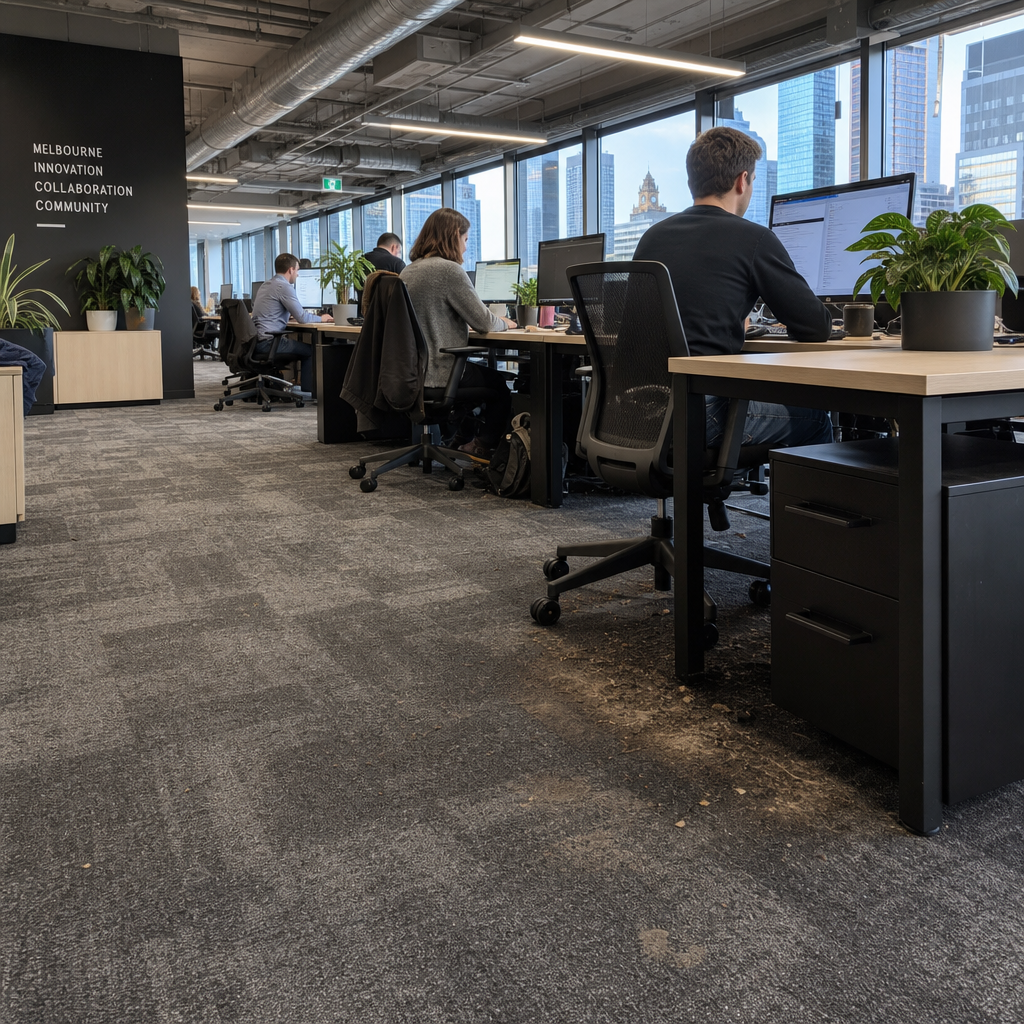
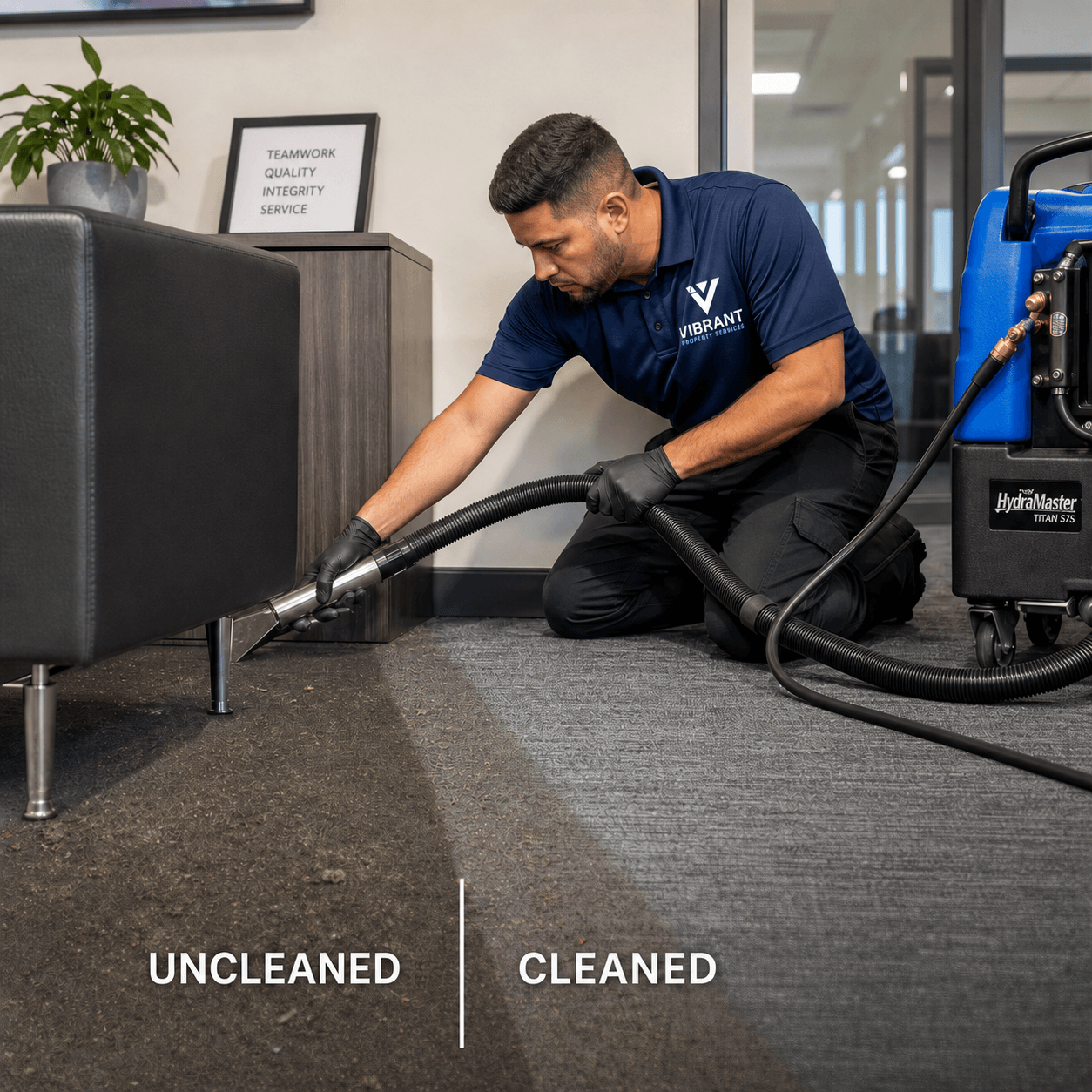
Office carpet has a lifespan that is directly tied to how well it is maintained. Most commercial carpet in Melbourne offices is designed to last eight to fifteen years with proper care. Without hot-water extraction at least once or twice a year, that lifespan drops significantly because soil particles embedded deep in the pile act as abrasives that cut through carpet fibres with every footstep.
When Vacuuming Is No Longer Enough
If your carpet looks dull or matted even immediately after a routine clean, it is holding deeply embedded dirt and oils that a vacuum cannot reach. The surface pile flattens because the fibre structure is compromised from the inside. This is the point where a professional hot-water extraction becomes necessary, not optional.
Office Chair and Sofa Upholstery
Fabric office chairs absorb sweat, skin cells, food particles, and spilled liquids over months of use. That build-up is not visible immediately, but it contributes to bacterial load in the room. If chairs smell faintly of must or if fabric upholstery has visible darkening around headrests and armrests, those are signs that office cleaning alone is not sufficient and professional upholstery treatment is needed.
Neglected Hard-to-Reach Areas
Routine commercial cleaning works to a time budget. In practice, that means cleaners cover accessible surfaces and skip anything that requires moving furniture, climbing a ladder, or using specialist tools. Over time, this creates invisible reservoirs of contamination throughout the office.
The most consistently neglected areas in Melbourne offices include the tops of filing cabinets, the inside of window tracks, ceiling air vent grilles, the backs of bathroom cisterns, under workstation pedestals, and behind kitchen appliances. None of these are covered in a standard nightly clean.
Window cleaning is another clear indicator. If your office windows have not had a professional exterior and interior clean in the past six months, the glass has accumulated environmental pollutants, bird waste residue, and hard water mineral deposits that reduce natural light in your workspace. Melbourne’s variable weather, including frequent wind-driven dust from the north and salt residue from southern coastal winds, accelerates this build-up compared to many other Australian cities.
Comparing Cleaning Approaches: Routine vs. Deep Clean vs. Specialist
Understanding what each level of service actually covers helps Melbourne property managers make the right call at the right time. The table below compares what is realistically covered at each service level.
| Service Type | What It Covers | When It Is Appropriate |
|---|---|---|
| Routine Commercial Cleaning | Surface wiping, vacuuming, mopping, bin emptying, basic bathroom sanitising. Covers accessible surfaces within a fixed time window. | Daily or weekly maintenance for general tidiness. Does not address embedded contamination. |
| Office Deep Clean Melbourne | Hot-water carpet extraction, grout scrubbing, appliance cleaning, vent grille wiping, window tracks, upholstery treatment, high-level dusting, drain treatment. | Every 3 to 6 months for active commercial offices. After events, at end of tenancy, before inspections, or after staff illness outbreaks. |
| Specialist or Sector-Specific Cleaning | Medical-grade disinfection, high-pressure exterior cleaning, tile and grout restoration, builder’s clean after construction, childcare-compliant sanitisation protocols. | Required for regulated environments (childcare, aged care, medical), post-construction sites, or when standard deep cleaning is insufficient for the risk profile of the space. |
How Often Does a Melbourne Office Actually Need a Deep Clean?
The honest answer is that it depends on your occupancy density, the nature of your business, and what your routine cleaning contract actually covers. But there are practical benchmarks that work across most commercial environments in Melbourne.
For a standard office with 20 to 50 staff, a professional deep clean every three to four months is the minimum that keeps contamination levels in check. High-traffic environments, those with kitchens, childcare facilities, medical practices, or hospitality areas, should be scheduling deep cleans every six to eight weeks for non-critical areas and monthly for bathrooms and kitchen infrastructure.
After any of the following events, a deep clean is non-negotiable: a staff illness outbreak affecting more than three people, a period of building works or renovation nearby, a change of tenancy, a flood or water leak, or any situation where regular cleaning was skipped for two or more consecutive weeks.
A common mistake Melbourne property managers make is treating the deep clean as a one-off reset rather than a scheduled maintenance event. The offices that maintain the highest hygiene standards are the ones that have deep cleaning built into their annual facilities calendar, not the ones that call for it reactively when problems become visible.
Vibrant Property Services operates across Melbourne and surrounding suburbs, providing scheduled commercial deep cleaning Melbourne businesses can rely on across sectors from warehouses to medical facilities. The approach is always the same: assess the specific risk profile of the space, match the right equipment and chemicals to the surface, and document results so the next scheduled service can be calibrated accurately.
Frequently Asked Questions
What is the difference between a routine office clean and an office deep clean in Melbourne?
A routine clean covers accessible surfaces on a regular schedule: vacuuming, mopping, wiping desks, emptying bins, and sanitising bathrooms. An office deep clean Melbourne service goes further, including hot-water carpet extraction, grout treatment, appliance cleaning, high-level dusting, vent grille cleaning, and window track cleaning. It targets the contamination that accumulates beneath and behind surfaces that routine cleaning never reaches.
How do I know if my office needs a deep clean or just better routine cleaning?
If your office has persistent odours that do not clear after cleaning, visible grout discolouration, staff reporting respiratory symptoms or headaches, or surfaces that feel tacky despite regular maintenance, the issue is not the frequency of routine cleaning. It is the depth. A professional commercial deep cleaning Melbourne assessment will identify exactly which areas require intervention and at what level.
Are there signs that an office deep clean is overdue specifically for Melbourne’s climate?
Yes. Melbourne’s variable climate, including humid summers, cold wet winters, and strong northerly winds, accelerates mould growth in poorly ventilated areas, deposits mineral scale on windows, and drives dust into building interiors. If your office windows show hard water streaks, if bathrooms smell musty after winter, or if dust is visible on air vent grilles, Melbourne’s climate has been working against your cleaning schedule and a deep clean is overdue.
How long does a commercial office deep clean take?
For a small office of up to 200 square metres, expect four to six hours for a thorough deep clean. A medium-sized office between 500 and 1,000 square metres typically requires a full day or an overnight session. Larger commercial spaces, warehouses, or multi-floor offices are scoped individually. Vibrant Property Services schedules deep cleans outside of business hours wherever possible to avoid disrupting operations.
Can a professional deep clean improve our compliance with workplace health and safety obligations in Victoria?
Directly, yes. Under the Occupational Health and Safety Act 2004 (Victoria), employers must provide a safe working environment, which includes maintaining hygienic conditions. A documented deep clean schedule, especially in regulated sectors like childcare, aged care, or medical environments, provides evidence of due diligence. In regulated facilities, failure to maintain cleaning standards can result in licence conditions or penalties from the relevant authority.
What areas in a Melbourne office are most commonly missed during routine cleaning?
In practice, the areas most consistently missed are air vent grilles, the tops of high cabinets and shelving, inside window tracks, under and behind kitchen appliances, bathroom grout lines, chair upholstery, and the undersides of desks. These are the exact areas a deep clean prioritises because they are where long-term contamination and allergen build-up concentrates.
What signs have you noticed in your own Melbourne office that made you realise routine cleaning was no longer enough? Share your experience so others can compare.
References
- US Environmental Protection Agency: indoor air quality research and workplace environment standards
- WorkSafe Victoria: occupational health and safety obligations for Melbourne employers under the OHS Act 2004
- Australian Government Department of Health: infection control and hygiene guidelines for commercial environments
- Statista: workplace absenteeism statistics and the relationship between office environment quality and employee health
- Forbes: research and reporting on workplace productivity, office hygiene standards, and facilities management best practices