
A forklift operator slips on an oil-slicked concrete floor. A WorkSafe inspector finds dust accumulation near electrical panels. Both scenarios are preventable, and both trace back to inadequate warehouse cleaning Melbourne practices. Industrial facilities in Melbourne carry specific obligations under the Work Health and Safety Act 2011 (Vic), and the cost of non-compliance, whether measured in injury claims, fines, or lost productivity, consistently exceeds the cost of getting cleaning right the first time. This guide lays out exactly what warehouse managers and business owners need to know to maintain safe, compliant industrial spaces.
Table of Contents
- Quick Takeaways
- Why Warehouse Cleaning Is a Compliance Issue, Not Just Housekeeping
- WHS Cleaning Compliance Melbourne: What the Law Actually Requires
- Common Hazards in Melbourne Warehouses That Poor Cleaning Creates
- Industrial Cleaning Melbourne: Methods That Work in Warehouse Environments
- How Often Should a Melbourne Warehouse Be Cleaned? A Realistic Schedule
- Comparing Warehouse Cleaning Approaches: In-House vs. Contracted vs. Hybrid
- What to Look for in an Industrial Cleaning Provider in Melbourne
- Frequently Asked Questions
- References
Quick Takeaways
| Key Insight | Explanation |
|---|---|
| WHS Act compliance is non-negotiable in Victoria | Melbourne warehouse operators must maintain a safe work environment under the Work Health and Safety Act 2011 (Vic), which directly includes cleanliness standards for walkways, emergency exits, and hazardous material storage areas. |
| Slip and fall incidents are the leading injury type in warehouses | Safe Work Australia data consistently identifies slips, trips, and falls as the number-one cause of serious injury in warehousing and storage facilities. Contaminated or wet floors are the primary contributor. |
| High-pressure cleaning is essential for concrete floor maintenance | Standard mopping does not remove embedded grease, pallet residue, or chemical spills from unsealed concrete. High-pressure cleaning restores surface grip ratings and removes bacteria that accumulate in porous surfaces. |
| Dust management near racking is a fire risk, not just an aesthetic issue | Fine dust accumulation on high shelving and around electrical equipment is a documented fire accelerant. Regular racking and overhead cleaning is a fire safety obligation, not optional maintenance. |
| Cleaning documentation protects you during WorkSafe inspections | A signed cleaning log with dates, scope, and provider details is your first line of defence when WorkSafe Victoria conducts an audit. Verbal assurances carry no legal weight. |
| Specialist providers outperform generalist cleaners in industrial settings | A company experienced in warehouse and industrial cleaning understands chemical compatibility, MSDS requirements, and the operational constraints of facilities that run shift work or 24-hour logistics. |
| Builder’s cleaning matters for new and refurbished warehouses | Post-construction debris including concrete dust, silica particles, and adhesive residue creates immediate compliance and respiratory hazards if not removed before staff occupation. |
Why Warehouse Cleaning Is a Compliance Issue, Not Just Housekeeping
Most warehouse managers think about cleaning as a maintenance task. The accurate framing is that cleaning is a risk management obligation. WorkSafe Victoria treats a dirty or hazardous warehouse floor with the same seriousness as a faulty piece of machinery. The distinction matters because it shifts cleaning from a cost centre to a compliance requirement with legal consequences if neglected.
In practice, Vibrant Property Services encounters Melbourne warehouses where cleaning has been delegated to whoever has spare time at the end of a shift. The result is predictable: inconsistent coverage, missed high-risk zones like loading docks and pallet storage corridors, and no documentation trail. When an incident happens, the liability exposure is significant.
Safe Work Australia reported that the warehousing and storage sector accounted for 8,655 serious workers compensation claims in a single recent year, with a median compensation cost of $13,600 per claim. Cleaning failures contributed to a substantial portion of those incidents. Framing cleaning as housekeeping undersells its role by several orders of magnitude.
WHS Cleaning Compliance Melbourne: What the Law Actually Requires
The Work Health and Safety Act 2011 (Vic), aligned with the national model WHS laws, places a primary duty of care on persons conducting a business or undertaking (PCBUs) to ensure the workplace is without risks to health and safety, so far as is reasonably practicable. Section 19 of that Act is direct: the duty extends to the physical condition of the workplace, including its cleanliness.
Specific Obligations That Apply to Melbourne Warehouses
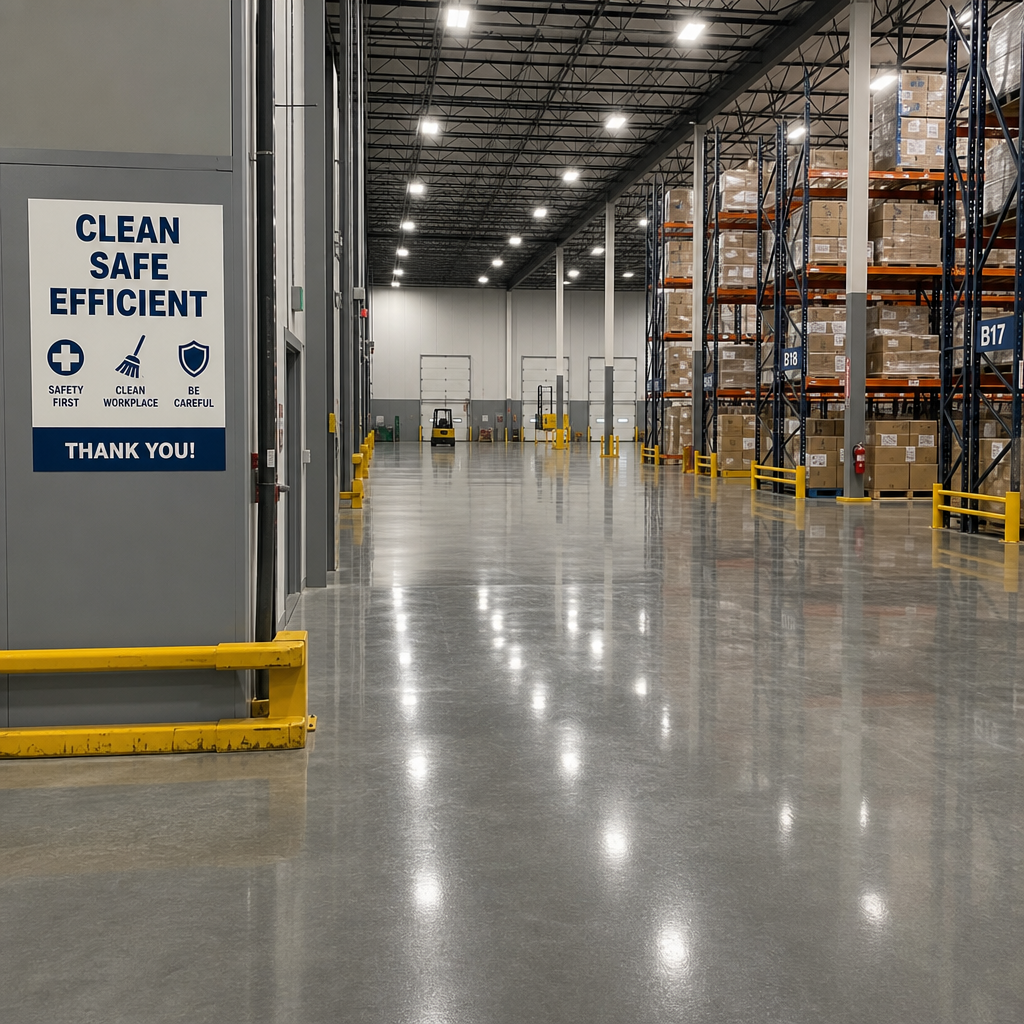
The WHS Regulations 2017 (Vic) specify that floors must be kept free of obstructions, waste, and substances that may cause a person to slip or trip. Emergency exits and evacuation paths must be unobstructed at all times. Hazardous chemicals must be stored in clean, properly labelled areas with spill containment that itself is kept clear of contamination.
For warehouses handling food products, the Food Act 1984 (Vic) adds further requirements around pest control, surface hygiene, and waste management. Supermarket distribution centres and food logistics facilities in Melbourne face dual compliance obligations that a generic cleaning provider is unlikely to navigate correctly.
What a WorkSafe Inspector Actually Looks At
WorkSafe Victoria inspectors conducting audits in industrial facilities check for visible floor hazards, blocked emergency exits, dust accumulation near ignition sources, and evidence of regular cleaning activity. That last point is important: inspectors look for cleaning records, not just clean surfaces. A facility that was cleaned yesterday but has no documentation is in a weaker position than one with a thorough log and a slightly dusty top shelf.
Pro tip: Request a written cleaning report after every professional service visit. A dated, signed service record from your cleaning provider is admissible documentation during a WorkSafe audit and can be the difference between a compliance notice and a fine.
“The employer’s duty to provide a safe workplace is not discharged by good intentions. It is discharged by evidence of systematic action.” Safe Work Australia, Guide to the Model Work Health and Safety Act.
Common Hazards in Melbourne Warehouses That Poor Cleaning Creates
Melbourne’s climate adds a layer of complexity that facilities in drier states do not face. Humidity fluctuations between summer and winter cause condensation on concrete floors, particularly near refrigerated storage units and loading dock roller doors. This condensation, combined with fork truck fluid leaks and pallet wrap debris, creates surfaces that fail basic grip standards even before they look visibly dirty.
Floor Contamination and Slip Risk
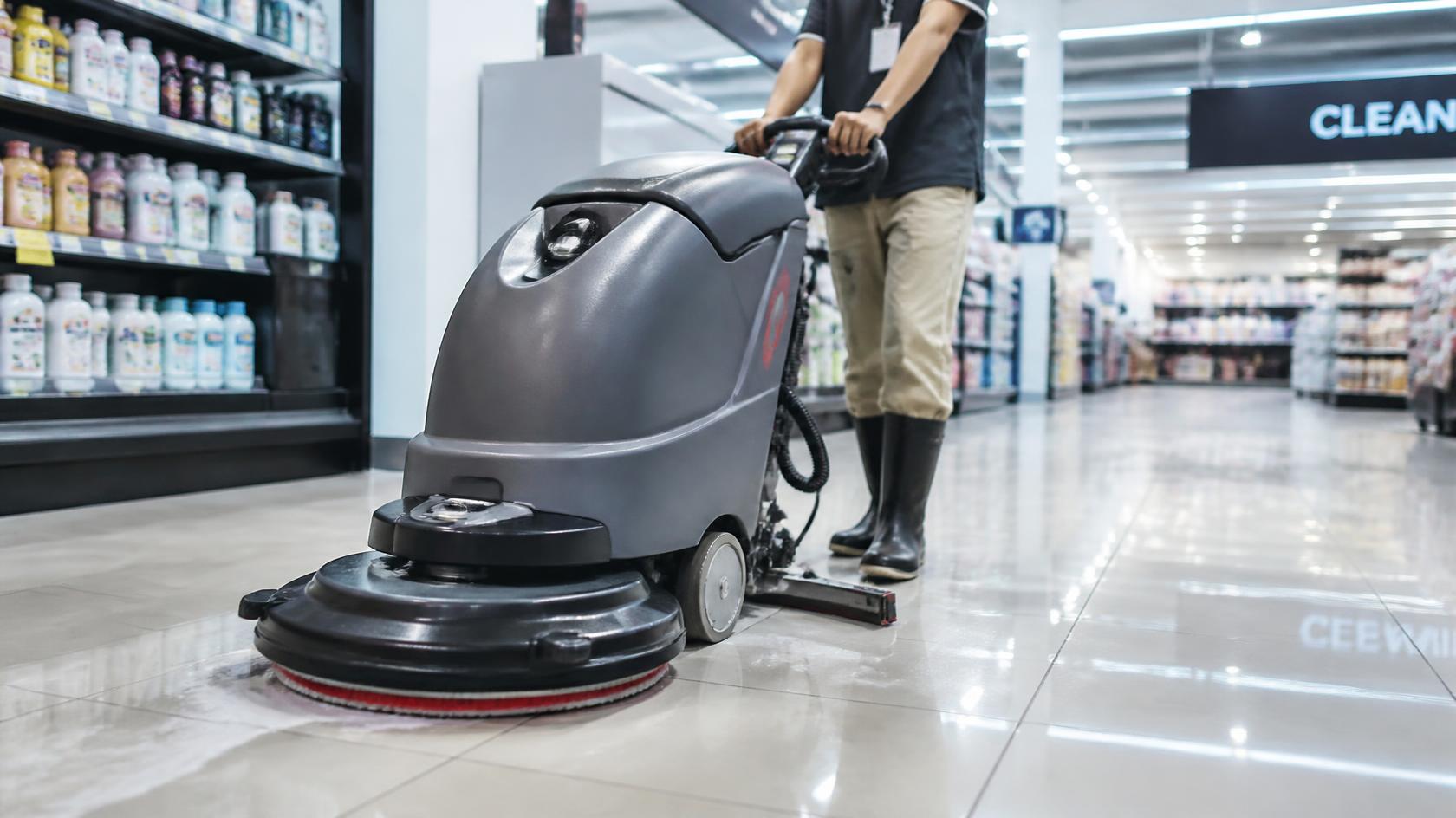
Oil from forklifts and hydraulic pallet jacks is the most common floor contaminant in Melbourne warehouses. Standard mopping spreads oil rather than removing it. Industrial degreasing agents applied with appropriate dwell time, followed by high-pressure rinse, are the only method that reliably restores grip to a contaminated concrete surface. Vibrant Property Services uses commercial-grade degreasers rated for industrial concrete, not the diluted versions sold for domestic use.
Racking and Overhead Dust Accumulation
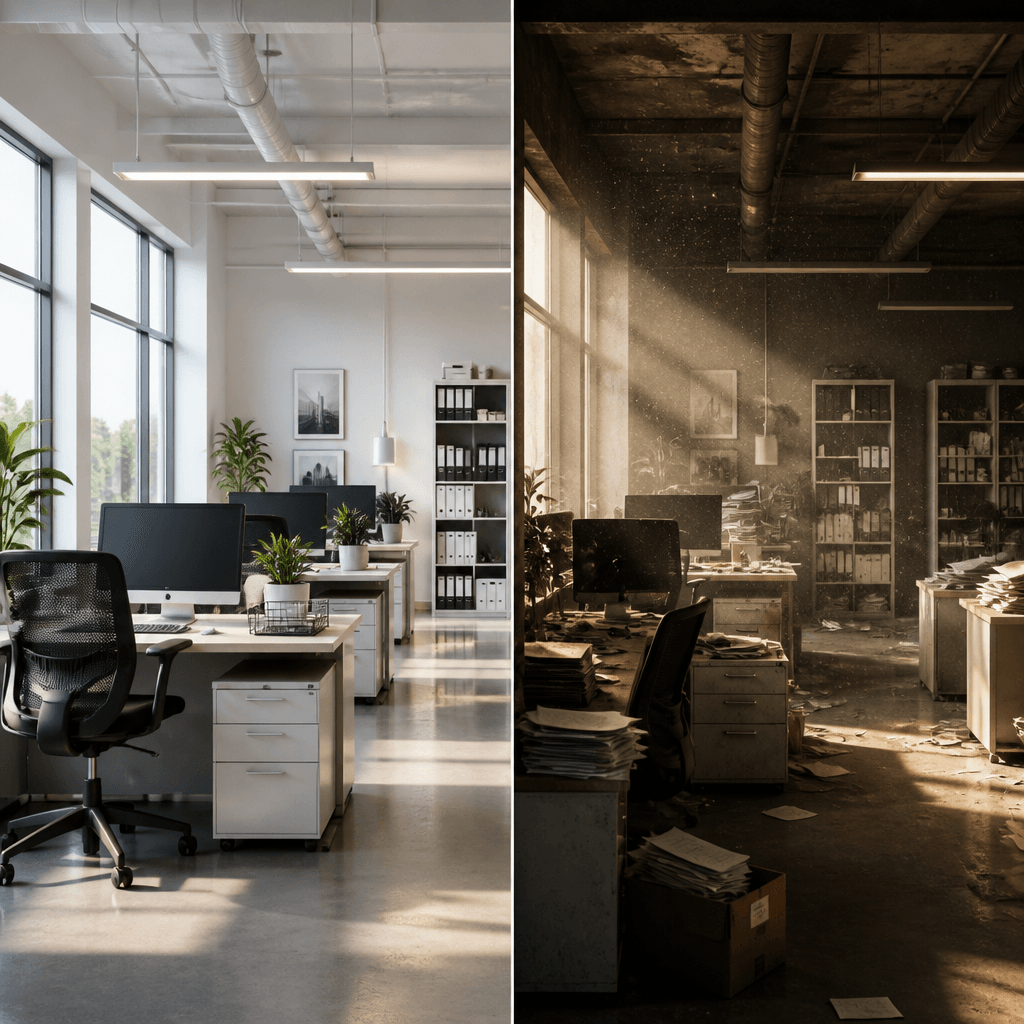
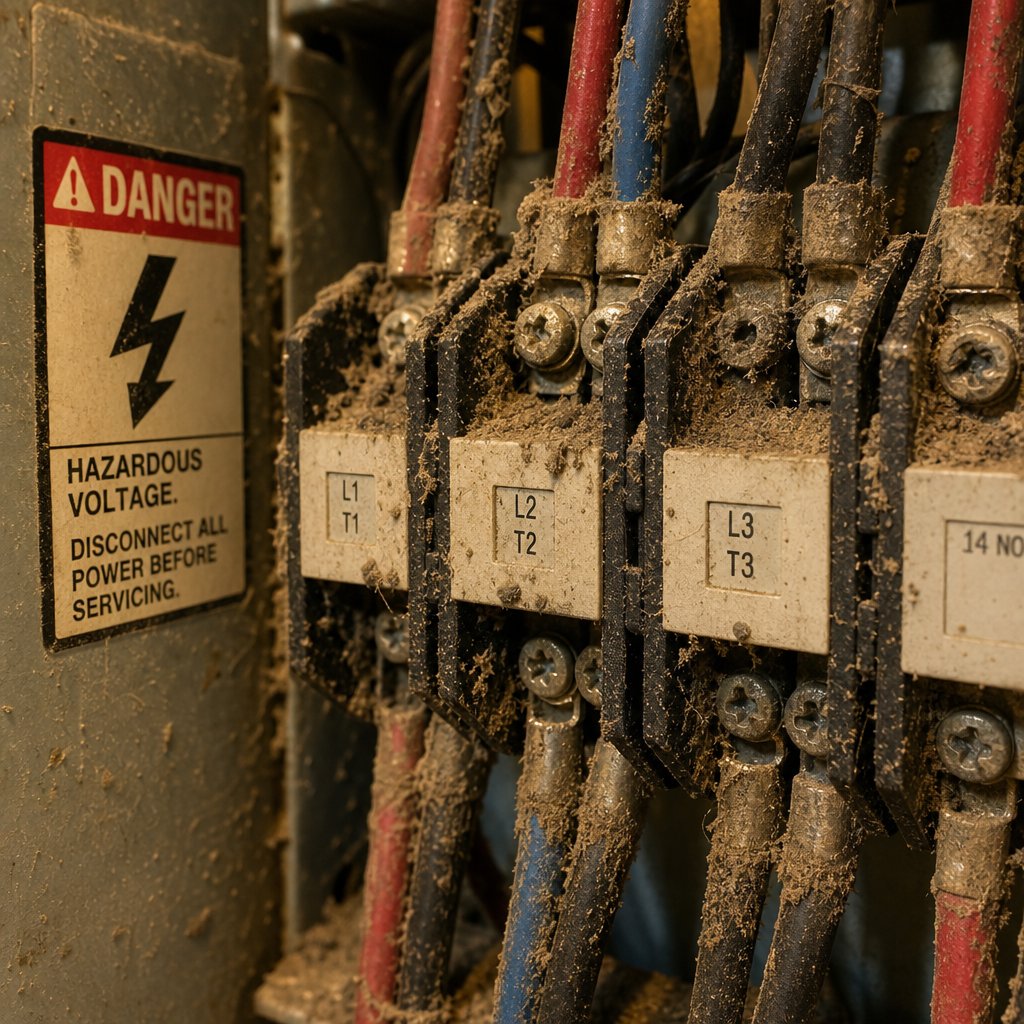
Warehouse racking above 3 metres is frequently never cleaned between facility fitouts. Dust, cardboard fibre, and packaging material accumulate on shelf edges and beam tops at rates that surprise most facility managers when they first see a cleaning inspection report. This material is combustible. A single arc from a faulty electrical fitting above a dust-loaded racking system creates a fire hazard that standard insurance policies may refuse to cover if cleaning negligence is established.
Loading Dock and External Hard-Surface Contamination
Loading docks see concentrated foot and vehicle traffic, organic debris from pallets, and frequent water ingress from Melbourne’s rainfall. Without regular high-pressure cleaning, bio-film establishes on dock levellers and concrete aprons within weeks. This creates slip hazards and attracts pests, which is a compliance concern for any facility storing consumable goods.
Industrial Cleaning Melbourne: Methods That Work in Warehouse Environments
Not every cleaning method is appropriate for every warehouse area. Using the wrong approach wastes time, can damage surfaces, and in some cases creates new safety hazards. The following methods are what actually work in Melbourne’s industrial facilities.
High-Pressure Cleaning for Concrete and Hard Surfaces
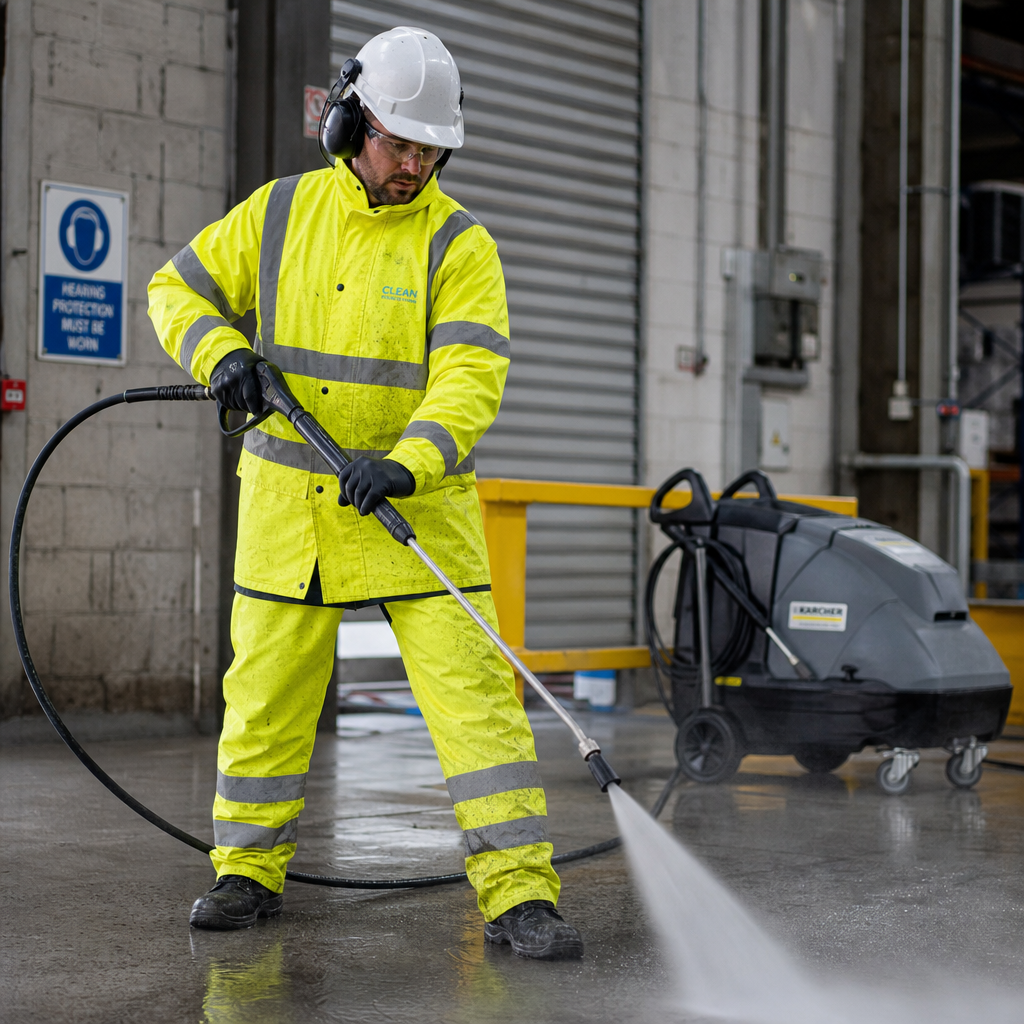
High-pressure cleaning using commercial hot-water units is the standard for warehouse floors, dock areas, and external hardstand. Cold water high-pressure cleaning is adequate for general debris removal, but hot water units emulsify oils and grease far more effectively. For facilities with heavy forklift traffic, a quarterly hot-water high-pressure service is the minimum reasonable frequency.
Tile and Grout Restoration for Amenities and Office Areas
Warehouse facilities in Melbourne almost always include staff amenities, bathrooms, and sometimes cafeteria or break room areas with tiled surfaces. Grout lines in high-traffic bathrooms accumulate bacteria and mould faster than most facility managers realise. Tile and grout restoration using rotary scrubbing and steam extraction removes embedded contamination that surface mopping cannot reach. This is particularly relevant for aged care logistics facilities and food-grade distribution centres where hygiene standards apply beyond the warehouse floor itself.
Window and Skylight Cleaning for Light and Safety
Skylights and high windows in warehouses accumulate grime that reduces natural light by a measurable amount. Reduced light directly affects the accuracy of pick-and-pack operations and increases the cognitive load on forklift operators judging distances in low-contrast environments. Window cleaning in industrial buildings is a safety measure, not just an aesthetic one.
Pro tip: Schedule high-pressure cleaning of warehouse floors during the lowest-traffic operational window, typically a Saturday afternoon or a public holiday, to allow full drying time before the next shift. Cleaning a busy floor and immediately reopening it to foot traffic creates the hazard you are trying to remove.
How Often Should a Melbourne Warehouse Be Cleaned? A Realistic Schedule
The answer depends on what the warehouse stores, how many staff work in it, and what equipment operates on the floor. Generic “monthly cleaning” recommendations are inadequate for active logistics facilities. The following schedule reflects what Vibrant Property Services recommends for Melbourne warehouse operators based on real facility assessments.
For general cleaning tasks including sweeping aisles, emptying bins, cleaning amenities, and wiping down surfaces, a minimum of three visits per week is appropriate for warehouses with 20 or more staff. High-volume facilities with 50 or more staff typically require daily amenity cleaning and at least two full floor sweeps per day.
Deep cleaning services including high-pressure floor washing, racking dust removal, and dock cleaning should occur at a minimum monthly for medium-traffic warehouses and fortnightly for high-traffic or food-grade facilities. Post-incident cleaning, such as after a chemical spill or pest sighting, should be treated as an unscheduled urgent service, not deferred to the next regular visit.
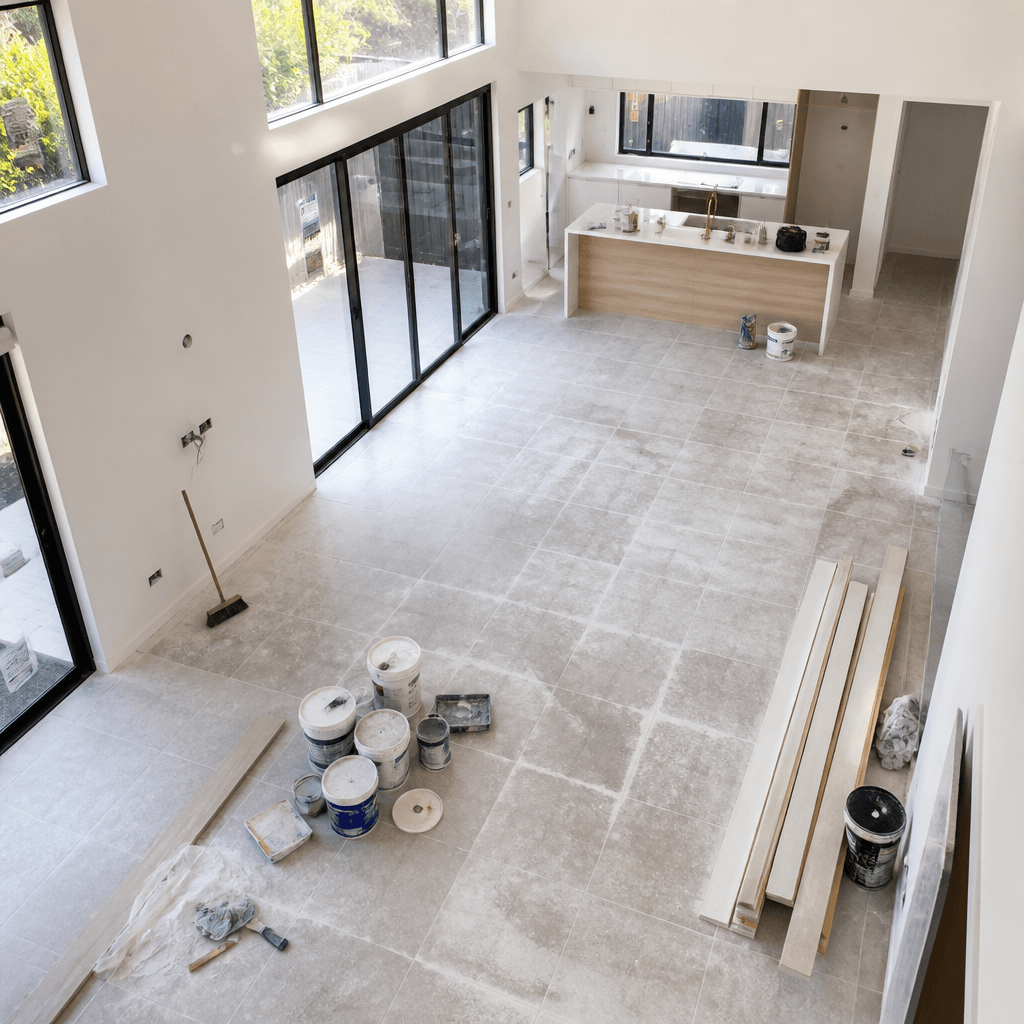
Builder’s cleaning applies at the start of any new warehouse fitout or post-renovation. Silica dust from concrete cutting is classified as a hazardous substance under Australian workplace law, and its removal requires specialist vacuuming with HEPA-filtered equipment, not ordinary brooms or industrial vacs.
Comparing Warehouse Cleaning Approaches: In-House vs. Contracted vs. Hybrid
Melbourne warehouse operators typically choose between three structural approaches to cleaning. Each has genuine advantages and documented failure points. The right choice depends on facility size, operational hours, and compliance risk tolerance.
| Approach | Best Suited For | Key Limitation |
|---|---|---|
| In-House Cleaning Staff | Facilities requiring constant daytime cleaning coverage, such as supermarket distribution centres or high-throughput logistics hubs where spills and debris happen continuously throughout the day. | In-house staff rarely receive adequate industrial cleaning training. Equipment is often underspecified. Supervision gaps mean standards drift over time, and compliance documentation is frequently incomplete. HR overhead adds cost that is often not accounted for in budget comparisons. |
| Contracted Industrial Cleaning Provider | Warehouses of all sizes where the priority is consistent standards, documented compliance records, and access to specialist equipment such as high-pressure units and HEPA-filtered industrial vacuums without capital outlay. | Requires a competent procurement process to select a provider with genuine industrial experience. Low-cost providers who service offices and then claim to handle warehouses are a real risk in the Melbourne market. Verify industry-specific experience before signing any contract. |
| Hybrid Model | Large facilities with 24-hour operations where in-house staff handle routine daytime tidying and a specialist contractor performs scheduled deep cleans, dock washes, and compliance-level floor treatments on a set frequency. | Requires clear scope delineation to avoid gaps where each party assumes the other is covering a task. Without a written scope matrix, overlap and omission both occur. Management time investment is higher than a fully contracted model. |
In practice, medium-sized Melbourne warehouses between 1,000 and 5,000 square metres benefit most from a fully contracted specialist provider. The compliance documentation, trained staff, and specialist equipment that a provider like Vibrant Property Services brings to the relationship are difficult and expensive to replicate in-house at that scale.
What to Look for in an Industrial Cleaning Provider in Melbourne
The Melbourne cleaning market includes providers ranging from sole operators with a mop and bucket to national firms with genuine industrial capability. Distinguishing between them requires asking specific questions, not reading marketing copy.
Industry Experience in Relevant Sectors
A provider with 15 or more years of experience across warehouses, supermarkets, aged care facilities, and medical environments has encountered the full range of industrial cleaning challenges. That breadth matters because a warehouse cleaning scope often includes areas that fall outside the pure industrial category, such as staff bathrooms, office areas, and food preparation spaces. A provider who only knows factory floors will underperform in those adjacent areas.
Equipment and Chemical Compliance
Ask any prospective provider what high-pressure equipment they use, what degreasing chemicals are on their approved list, and whether their chemicals are SDS-compliant for the specific surfaces and contents in your facility. A provider who cannot answer those questions in detail is not equipped for industrial work. Vibrant Property Services operates commercial-grade equipment and maintains chemical safety data sheets for every product used on client sites.
Insurance, Licensing, and WorkCover Coverage
Any cleaning contractor operating in Melbourne warehouses must carry public liability insurance at a minimum of $10 million, and their staff must be covered by WorkCover. Request certificates of currency before signing any agreement. Facilities that allow uninsured contractors on-site inherit liability exposure that their own insurance policy may not cover in the event of an incident.
Documented Cleaning Plans and Reporting
A serious industrial cleaning provider will offer a written cleaning specification covering every area of your facility, the methods to be applied, the frequency of each task, and the sign-off process after each visit. If a provider quotes a price without first inspecting your facility and drafting a specification, that is a clear signal they are not approaching your site with the rigour that WHS compliance requires.
Frequently Asked Questions
What does warehouse cleaning Melbourne typically cost?
Pricing for warehouse cleaning in Melbourne varies based on facility size, cleaning frequency, and the scope of services required. A general commercial clean for a small warehouse of around 500 square metres might start at $150 to $250 per visit, while larger facilities requiring deep cleans, high-pressure washing, and racking services can range from $800 to several thousand dollars per service. The lowest quote is rarely the best value when compliance documentation and specialist equipment are factored in. Request itemised quotes and ask specifically what is included in each line item.
How does industrial cleaning differ from standard commercial office cleaning?
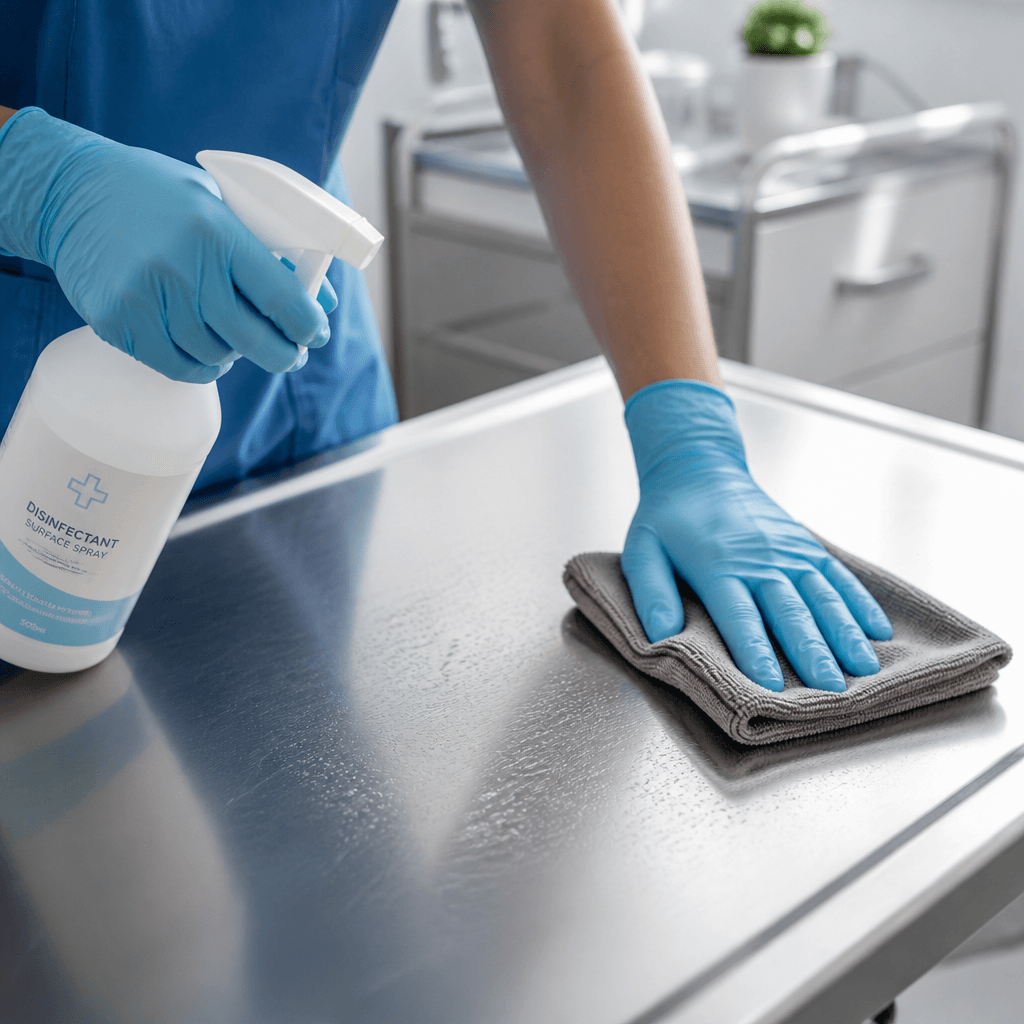
Industrial cleaning in Melbourne involves a fundamentally different scope, risk profile, and equipment set compared to office cleaning. Industrial facilities present hazards including chemical spills, combustible dust, heavy machinery clearance requirements, and surfaces that require commercial-grade degreasers and high-pressure equipment. Office cleaning typically involves low-risk surface wiping, vacuuming, and waste removal. Applying office cleaning standards to a warehouse produces cosmetically adequate but compliance-inadequate results.
Can Vibrant Property Services clean warehouses outside the Melbourne CBD?
Yes. Vibrant Property Services covers Melbourne and its surrounding suburbs, including industrial precincts in areas like Dandenong, Laverton, Braeside, Campbellfield, and Tullamarine where a significant proportion of Melbourne’s warehousing and logistics operations are concentrated. Coverage for outer suburban facilities can be confirmed by contacting the team directly with the site address and cleaning scope.
What is the minimum cleaning frequency required to meet WHS obligations in a Melbourne warehouse?
There is no single statutory number specifying cleaning visit frequency under Victorian WHS law. The obligation is to keep the workplace safe and without risk to health, which means the required frequency is whatever your risk assessment determines is necessary for your specific facility. A cold storage facility processing food products needs more frequent cleaning than a low-traffic archive warehouse. Document your risk assessment reasoning and your cleaning schedule together so you can demonstrate that your approach is evidence-based and proportionate.
What is builder’s cleaning and when does a Melbourne warehouse need it?
Builder’s cleaning is the specialist post-construction clean required after any new build, fitout, or renovation before staff occupation. In warehouse environments, this typically includes removal of concrete cutting dust containing crystalline silica, adhesive residue from flooring installation, metal filings from shelving assembly, and general construction debris. Crystalline silica is a Group 1 carcinogen under Safe Work Australia classification. Its removal requires HEPA-filtered industrial vacuuming and respiratory-rated protective equipment. Standard broom-and-mop approaches are not adequate and create immediate health risks for the first staff to occupy the space.
Does Vibrant Property Services provide cleaning compliance documentation for WorkSafe audits?
Yes. Every scheduled warehouse cleaning service includes a dated, signed service record specifying the areas cleaned, the methods used, and the products applied. This documentation is structured to support WorkSafe Victoria audit requirements and can be filed as part of a facility’s WHS management records. Clients are encouraged to maintain a dedicated cleaning log folder that includes service records alongside their internal inspection checklists.
If you manage or operate a Melbourne warehouse, we would like to hear what cleaning challenges you face most often, drop a comment or send us a message with the specific issues your facility is dealing with.
We would love your feedback and any insights you would share with others. What perspective would you add?
References
- Safe Work Australia: national WHS data, model laws, and guidance for warehouse and storage facility operators
- WorkSafe Victoria: Victorian-specific WHS compliance requirements, inspection guidance, and employer obligations
- Victorian Legislation: full text of the Work Health and Safety Act 2011 (Vic) and WHS Regulations 2017
- Statista: workplace injury statistics and warehousing sector safety data for Australian and global benchmarking
- Forbes: operational risk management and facilities management best practices for commercial and industrial property