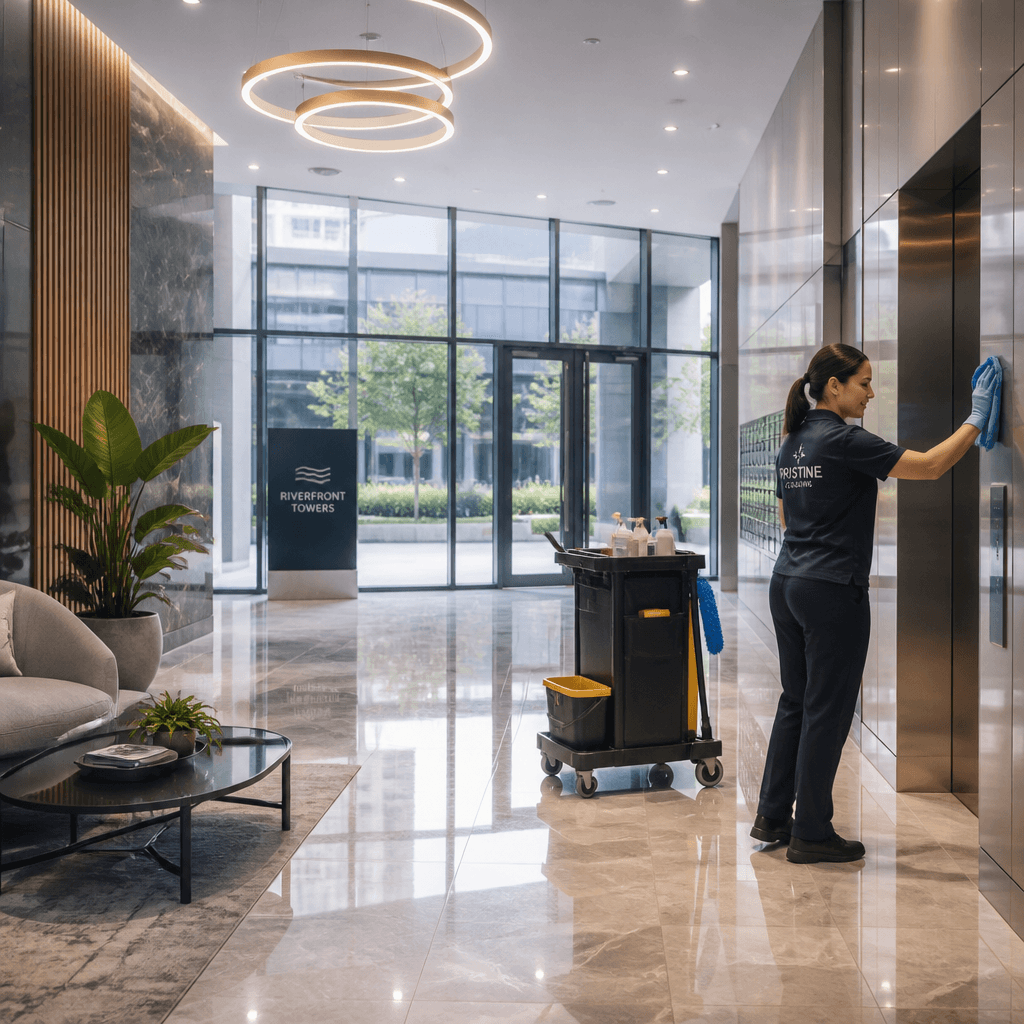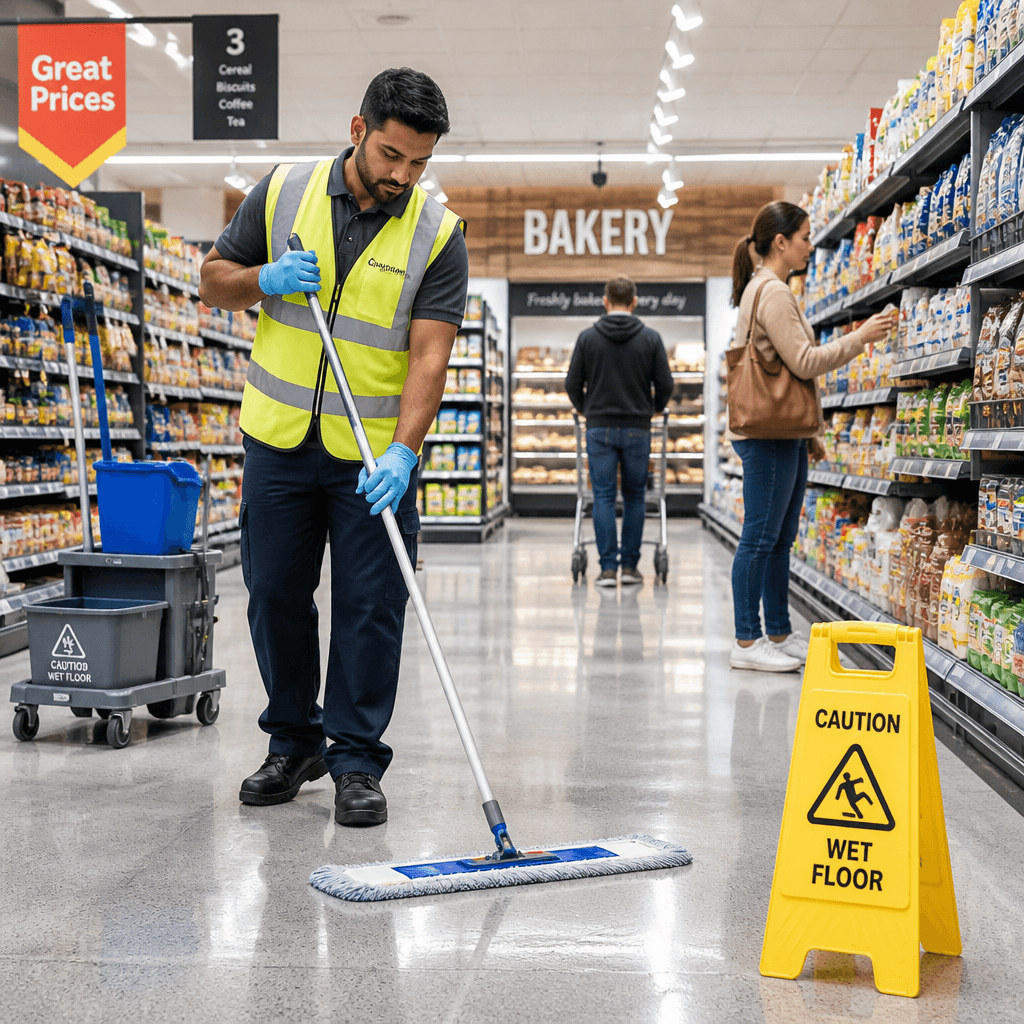

Melbourne winters are not mild inconveniences. Between June and August, the city sees a measurable spike in cold and flu transmission, increased foot traffic tracking mud and moisture indoors, and heating systems that circulate dust and allergens through enclosed spaces. For business owners and facility managers, this is the season where a reactive cleaning approach fails visibly and expensively. Commercial cleaning Melbourne services that operate year-round know this well: winter is when cleaning frequency and method matter most, and when cutting corners costs more than the savings justify.
Table of Contents
- Quick Takeaways
- Why Winter Is the Hardest Season for Commercial Spaces
- The Real Cost of Inadequate Winter Cleaning
- What Professional Winter Office Cleaning Actually Involves
- Industry-Specific Winter Cleaning Needs in Melbourne
- Comparing Cleaning Approaches for Melbourne Winters
- How to Evaluate Professional Cleaning Services Melbourne
- Frequently Asked Questions
- References
Quick Takeaways
| Key Insight | Explanation |
|---|---|
| Winter increases contamination risk significantly | Cold and flu viruses survive longer on hard surfaces in cooler temperatures, making high-touch area disinfection non-negotiable in Melbourne winter months. |
| Wet entry points accelerate floor damage | Rain and mud tracked in from Melbourne streets damages tiles, grout, and carpet fibres faster in winter. Professional cleaning prevents long-term surface degradation. |
| HVAC systems spread allergens when not cleaned | Winter heating in enclosed commercial spaces recirculates dust, mould spores, and bacteria. Cleaning around vents and filters is a winter priority, not an optional extra. |
| Staff absenteeism rises sharply in unclean workplaces | Businesses with professional cleaning programs report measurably lower sick day rates. Safe Work Australia links clean environments directly to workplace health outcomes. |
| Childcare and aged care facilities face regulatory risk | In Victoria, facilities serving vulnerable populations must meet cleaning standards set by the Department of Health. Winter gaps in cleaning compliance carry real legal exposure. |
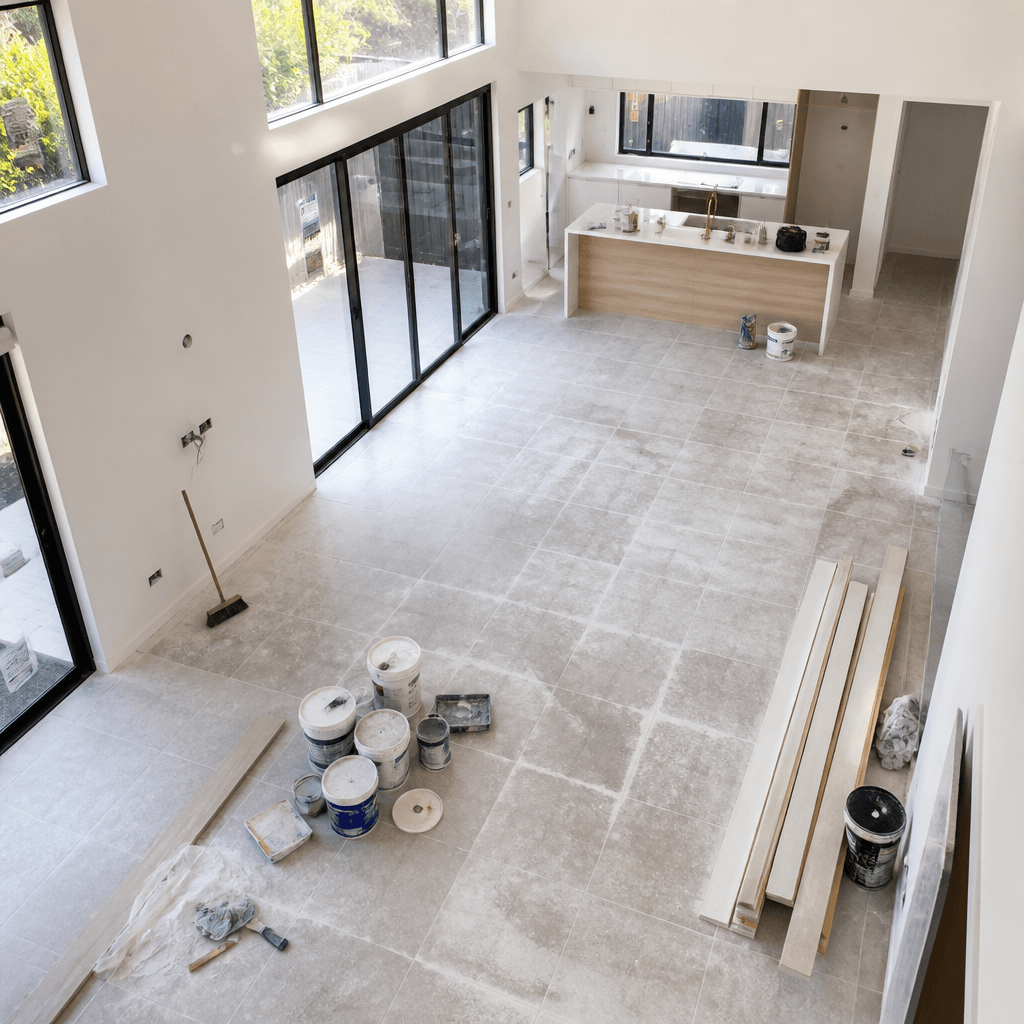
| Builder’s cleaning after winter renovations requires specialist methods | Post-construction residue, grout haze, and paint dust left in cool conditions set harder. Professional builder’s cleaning in winter requires adjusted product protocols. |
| First impressions deteriorate fastest in winter | Client-facing spaces, hotel lobbies, and medical reception areas suffer visible decline from weather-related soiling. Consistent professional cleaning protects brand perception. |
Why Winter Is the Hardest Season for Commercial Spaces
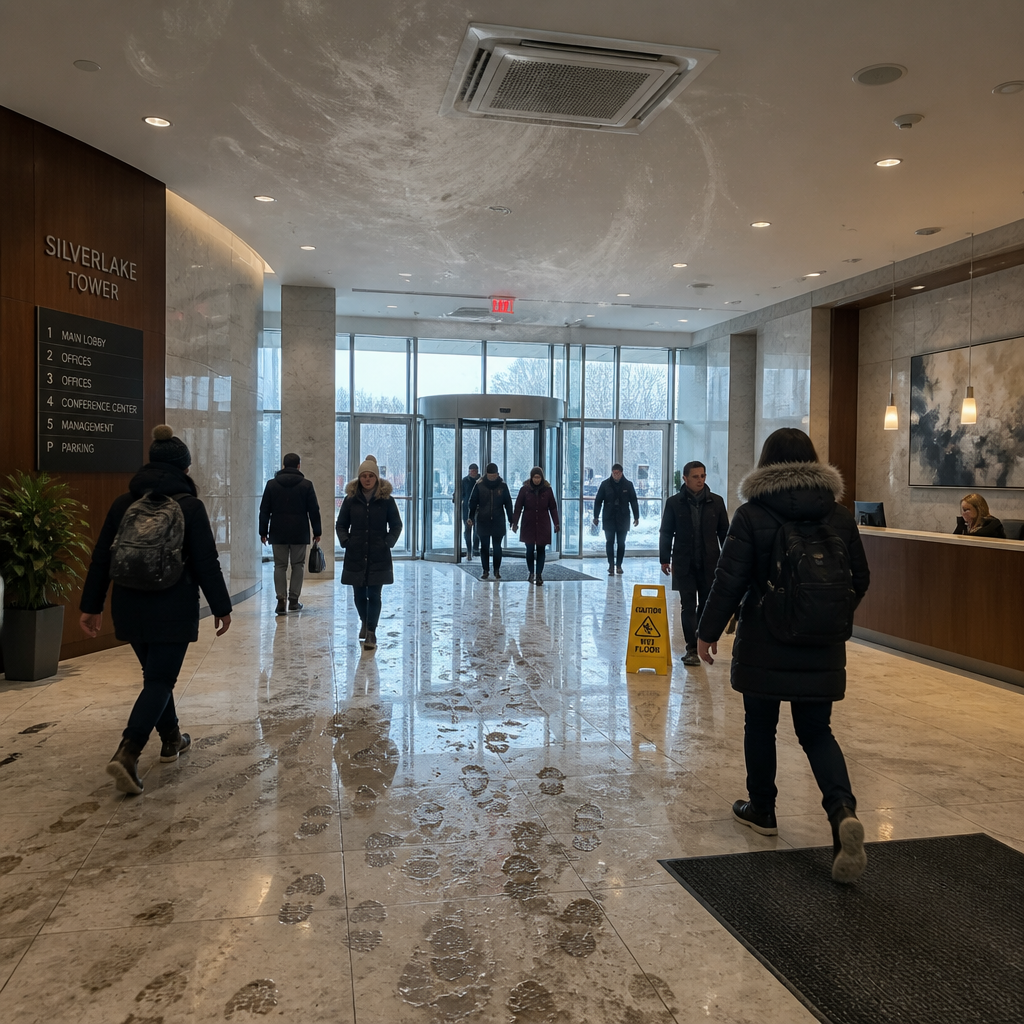
Melbourne’s winter creates a compounding hygiene problem that facilities managers often underestimate until it becomes visible. Rain brings mud and wet debris through every entry point. Lower temperatures slow the evaporation of moisture on floors, making wet patches persist longer and increasing slip risk. At the same time, sealed buildings with recirculating heating systems trap airborne particles that would otherwise disperse outdoors.
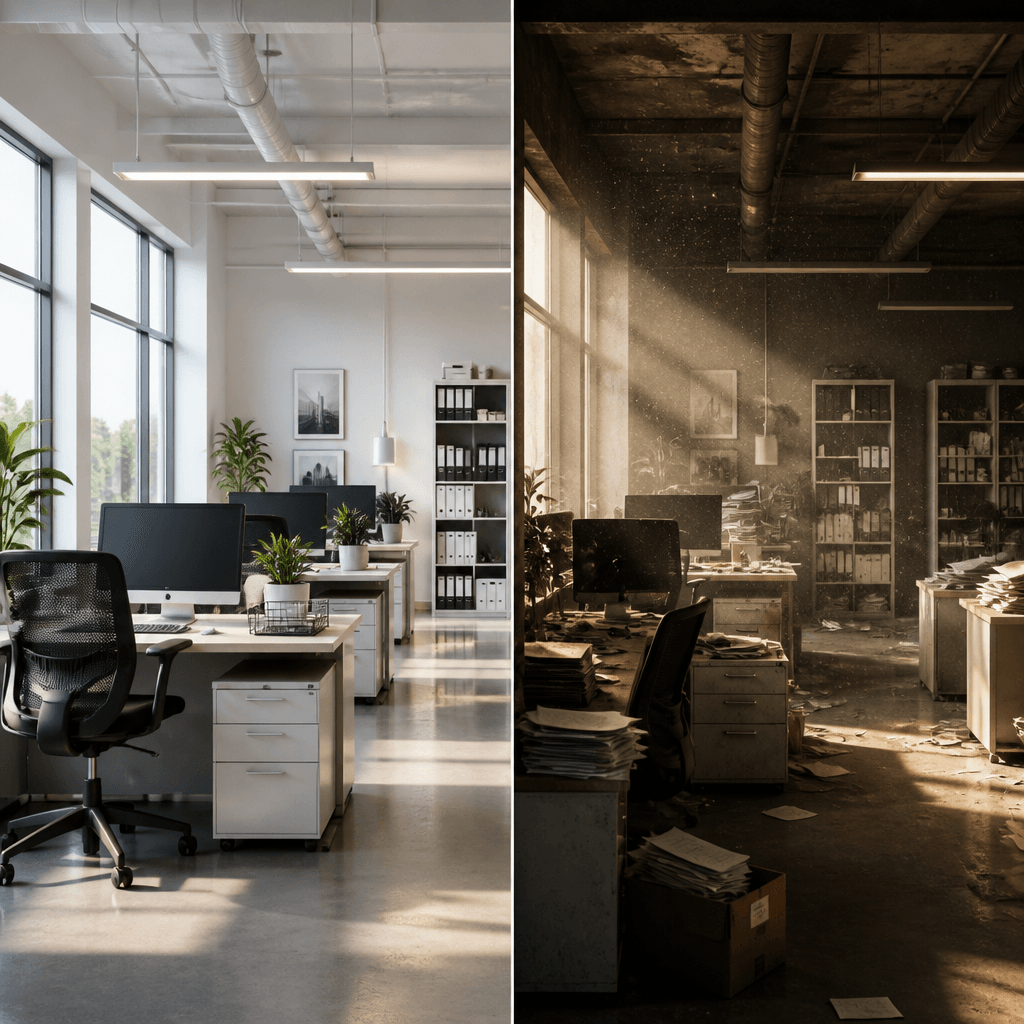
In practice, the combination of wet entry points, reduced ventilation, and higher occupant density during cold weather means that surface contamination builds faster than at any other time of year. A commercial space that feels adequately cleaned in February will show visible deterioration by July on the same schedule.
Melbourne’s Climate Is More Punishing Than Most Businesses Expect
Melbourne receives an average of 486 millimetres of rainfall annually, with winter months accounting for a disproportionate share of wet weather days according to the Bureau of Meteorology. This is not abstract weather data. It translates directly to wet boots on carpet, mud on tile, and moisture sitting in grout lines until professionally removed.
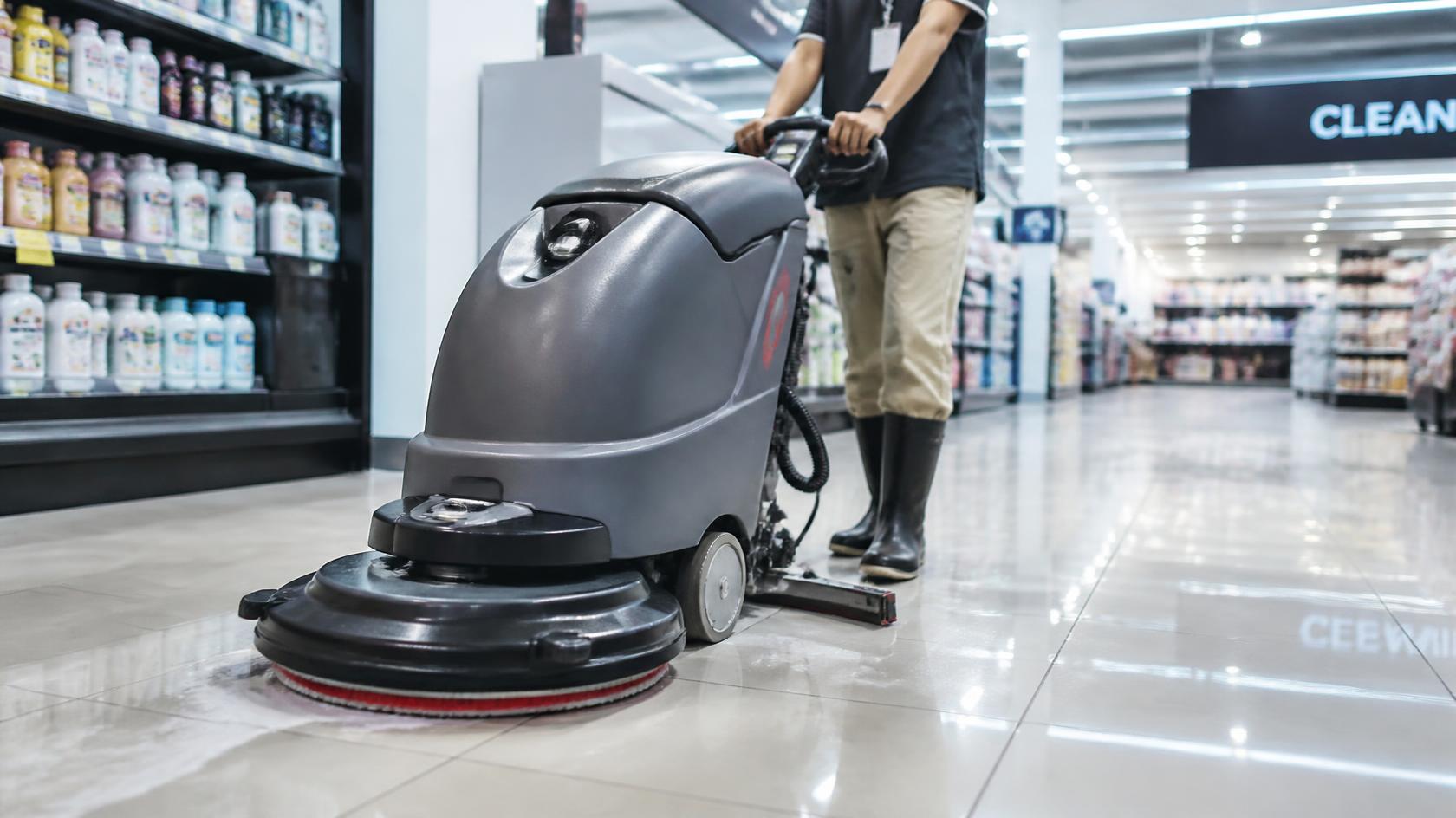
High-pressure cleaning and tile and grout restoration services see a consistent spike in demand after Melbourne winters precisely because surface damage accumulates across June, July, and August when cleaning protocols are not adjusted for the season.
Pro tip: Ask your cleaning provider to audit your entry points and floor surfaces before winter begins. A pre-season assessment should identify which areas need increased frequency and which surfaces need protective treatment to handle wet weather traffic.
The Real Cost of Inadequate Winter Cleaning
The cost of inadequate winter cleaning is not just aesthetic. It shows up in staff sick days, client retention, compliance penalties, and accelerated asset depreciation. Businesses that treat cleaning as a fixed, seasonal-agnostic expense routinely undercount these downstream costs.
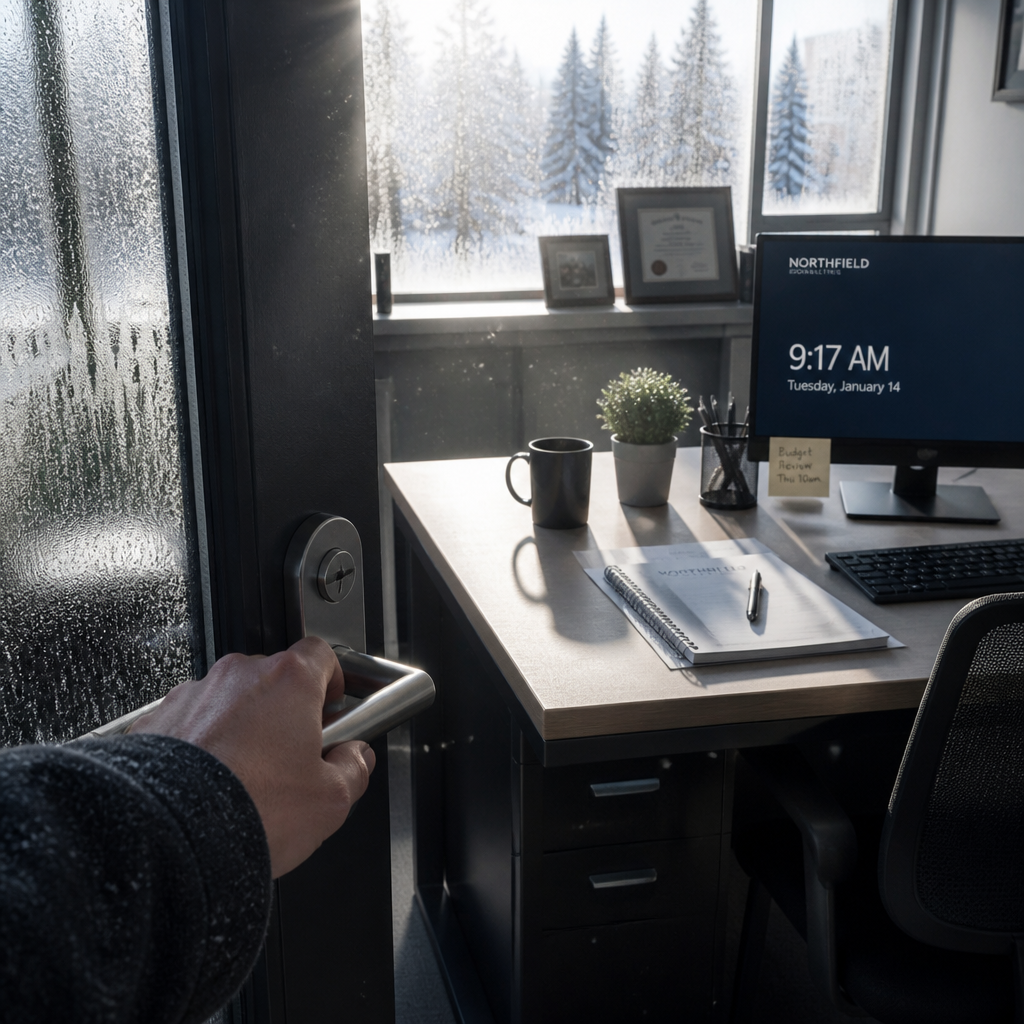
According to the Australian Institute of Health and Welfare, respiratory illnesses peak sharply in Australian winters. For commercial environments where employees share enclosed spaces, the transmission risk from contaminated surfaces is significant and measurable. A single influenza case in an office can result in multiple secondary infections when high-touch surfaces such as door handles, keyboard areas, and lift buttons are not disinfected on a regular winter schedule.
Staff Absenteeism Is a Direct Line Item
The data consistently shows that workplaces with professional cleaning programs experience lower absenteeism rates during winter months. Safe Work Australia’s guidance on workplace health directly connects surface hygiene to infection control outcomes in shared work environments.
For a Melbourne business employing 30 people, even a 5% reduction in winter sick days represents tens of thousands of dollars in preserved productivity. That figure dwarfs the cost of upgrading from a basic cleaning contract to a professionally managed winter cleaning program.
Surface Damage That Goes Unaddressed Compounds Over Time
Grout lines that absorb winter moisture and are not professionally cleaned develop mould and bacteria colonies that degrade the surface permanently. Carpet fibres that are not treated with appropriate extraction cleaning after wet weather traffic mat and discolour in ways that no amount of routine vacuuming reverses.
The cost of replacing commercial flooring far exceeds any seasonal cleaning investment. Businesses that have worked with Vibrant Property Services over multiple winters consistently report that maintained surfaces last significantly longer than equivalent surfaces in facilities using generic, infrequent cleaning programs.
What Professional Winter Office Cleaning Actually Involves
Winter office cleaning done properly is not the same service delivered on a colder day. It requires adjusted protocols, different product selections, and a different frequency model across high-risk zones. Businesses that assume their existing cleaning contract covers winter adequately should check whether the scope has actually been reviewed for the season.
In practice, professional winter cleaning for a commercial office in Melbourne involves several distinct elements that are absent from standard agreements.
Increased Disinfection Frequency on High-Touch Surfaces
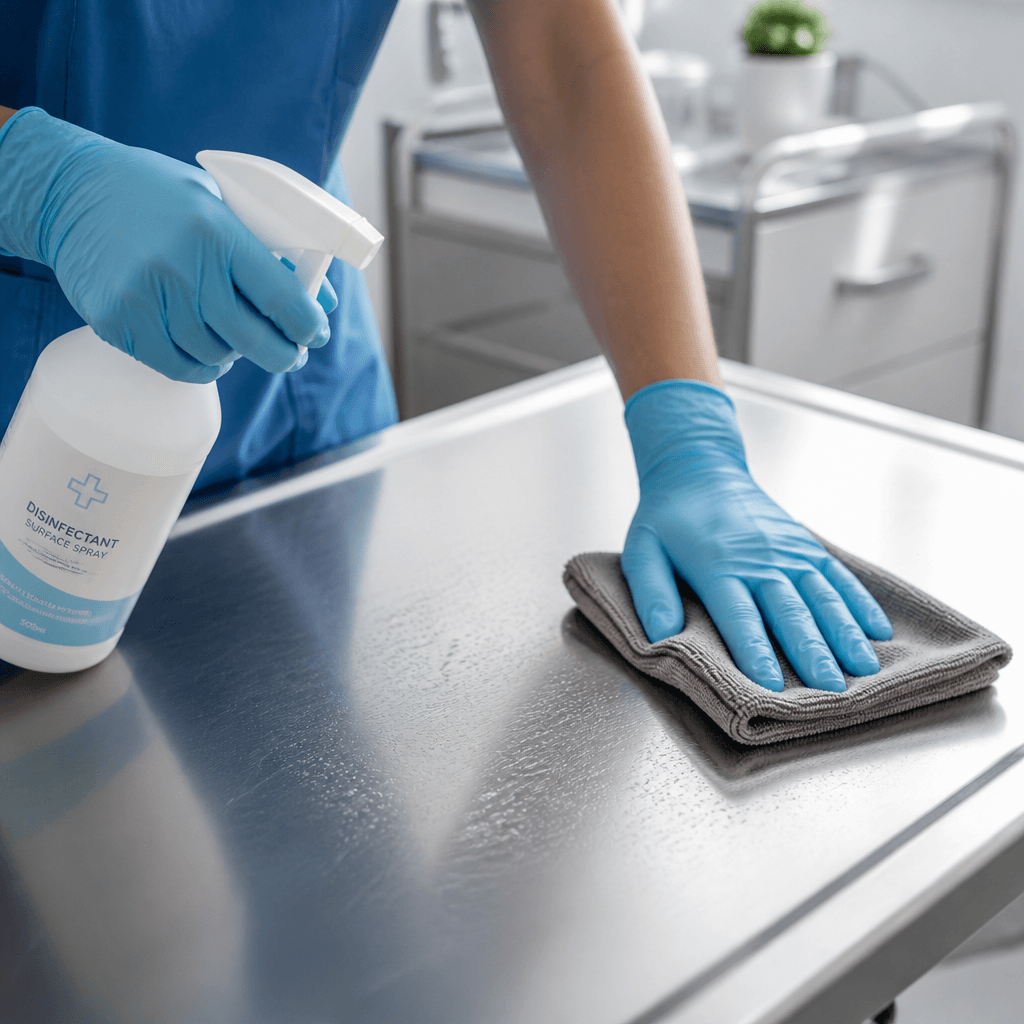
During winter, high-touch surfaces need disinfection at a frequency that is typically double what applies in warmer months. This includes lift buttons, door handles, shared kitchenware, bathroom fixtures, and communal desk areas. Hospital-grade disinfectants are appropriate in environments serving vulnerable populations, including aged care and medical facilities.
A common mistake is assuming that general surface wiping covers this requirement. It does not. Disinfection requires the correct dwell time of the product on the surface, which is a step that untrained cleaning staff routinely skip.
Wet Entry Management and Mat Programs
Professional cleaning services establish a structured entry point management protocol in winter. This includes placement and regular replacement of high-absorption matting, spot treatment of wet carpet and hard floor zones after peak foot traffic periods, and scheduled deep extraction cleaning to remove embedded moisture and soiling.
Without this, entry zones become the primary contamination point for the rest of the facility. Vibrant Property Services includes entry zone auditing in their winter service scoping process, which is a detail that generic providers typically overlook.
Pro tip: Request a written winter cleaning schedule from any provider you evaluate. If they cannot produce a schedule that differs from their standard year-round program, they are not delivering a genuine winter cleaning service.
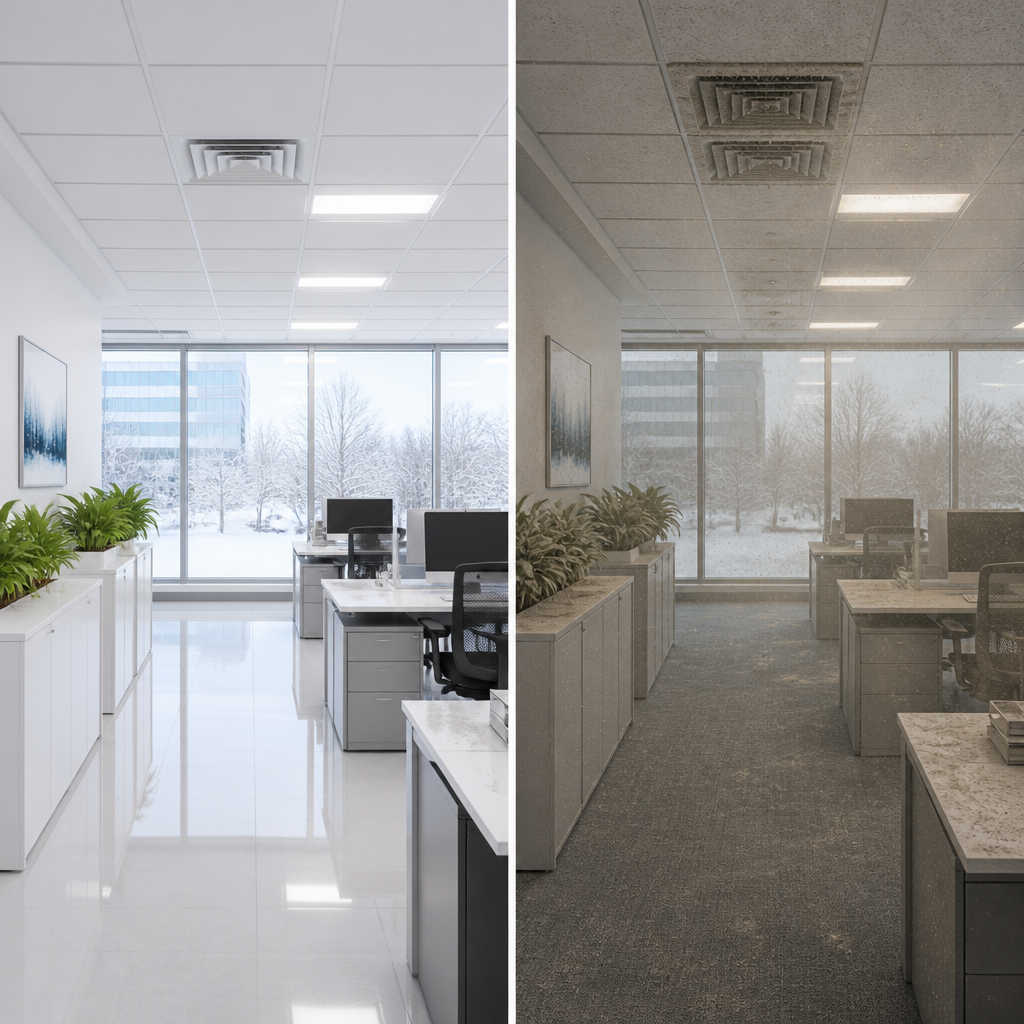
Industry-Specific Winter Cleaning Needs in Melbourne
Not all commercial environments face the same winter cleaning challenges. A warehouse has different risks than a childcare centre. A medical facility has different compliance obligations than a hotel. Treating all commercial cleaning as equivalent is how facilities end up either over-spending on unnecessary services or, more commonly, under-protecting high-risk environments.
Childcare Centres and Schools
Victoria’s Department of Health mandates specific hygiene standards for early childhood education and care services. In winter, when viral transmission among children is at its annual peak, these requirements become operationally demanding. Surfaces that children contact regularly, including tables, chairs, toy storage areas, and bathroom fixtures, require disinfection on a schedule that general cleaners are not equipped to maintain.
Vibrant Property Services has 15 years of experience cleaning childcare and school environments in Melbourne, which means understanding the compliance requirements, the product restrictions that apply in children’s environments, and the scheduling constraints that school timetables impose.
Aged Care and Medical Facilities
Aged care facilities and medical environments carry the highest infection risk during winter. Residents and patients in these settings have compromised immune systems, which means a cleaning failure that would be inconvenient in an office setting can be life-threatening in an aged care context. The Aged Care Quality and Safety Commission sets cleaning and infection control standards that facilities must demonstrate compliance with.
Medical-grade cleaning requires specific product protocols, staff training, and documented cleaning records. This is not a service that can be sourced from the lowest-cost general cleaning provider.
Hotels and Hospitality Venues
Winter tourism and event activity in Melbourne keeps hotel occupancy levels high through June and July. Guest-facing spaces including lobbies, lifts, restaurant areas, and bathrooms experience the same elevated contamination load as commercial offices, with the additional pressure that guests notice and respond to cleanliness standards immediately. Negative reviews citing cleanliness directly impact booking rates.
Comparing Cleaning Approaches for Melbourne Winters
Melbourne businesses typically choose between three cleaning models for their commercial spaces. Each has different cost structures, risk profiles, and outcomes in winter conditions. The table below sets out the practical differences.
| Cleaning Approach | Winter Performance | Best Suited For |
|---|---|---|
| In-house cleaning staff | Limited. Staff lack specialist equipment and training for seasonal protocol adjustments. Sick leave among cleaners in winter reduces coverage when demand is highest. | Very small offices with low foot traffic and minimal compliance requirements. |
| Generic commercial cleaning contractor | Moderate. Standard contracts rarely include winter-specific protocols. High-touch disinfection, wet entry management, and specialist surface treatment are typically out of scope. | Low-risk commercial spaces where regulatory compliance is minimal and client-facing presentation is not a primary concern. |
| Specialist professional cleaning service (e.g., Vibrant Property Services) | High. Seasonal protocols are built into service delivery. Specialist equipment for tile and grout cleaning, high-pressure cleaning, and window cleaning is available as needed. Staff are trained across regulated environments including medical and childcare. | Any commercial space with regulatory obligations, high foot traffic, client-facing areas, or vulnerable occupants. This includes offices, hotels, schools, childcare centres, aged care, medical facilities, warehouses, and supermarkets. |
How to Evaluate Professional Cleaning Services Melbourne
Choosing professional cleaning services Melbourne for winter requires asking harder questions than most facilities managers typically raise during procurement. Price comparisons between providers are meaningless without understanding what is actually included in the scope and how that scope changes for winter conditions.
The following evaluation criteria are based on what separates effective from inadequate commercial cleaning providers in Melbourne’s market.
Experience Across Your Specific Environment Type
A provider that cleans warehouses well may not have the compliance knowledge to operate in a medical or childcare setting. Ask for references from facilities that match your environment type. Generic testimonials from satisfied offices do not confirm capability in regulated environments.
Vibrant Property Services operates across childcare, aged care, medical, hospitality, retail, warehouse, and office environments, which means their protocols are tested in Melbourne’s most demanding commercial contexts.
Documented Winter Cleaning Protocols
Any provider making claims about winter cleaning capability should be able to produce written protocols. These should specify disinfection product selection and dwell times, entry point management procedures, frequency adjustments by zone, and escalation procedures when contamination events occur.
If a provider cannot show you documentation, they are managing winter cleaning reactively rather than systematically. Reactive cleaning in winter is always more expensive and less effective than a scheduled program.
“Infection prevention in commercial environments is not about responding to illness. It is about maintaining surface hygiene standards that prevent transmission before it starts. Winter is the season where that discipline separates professional operations from amateur ones.” – Safe Work Australia, Guidance on Workplace Health and Cleanliness
Scope of Specialist Services Available
Winter creates demand for services beyond standard office cleaning. Tile and grout restoration, high-pressure cleaning of outdoor areas, window cleaning after storm and rain soiling, and builder’s cleaning after winter renovation projects all require specialist equipment and training. Working with a provider that offers these as integrated services eliminates the coordination cost of managing multiple contractors.
Vibrant Property Services offers this full-service model, which is operationally simpler and more cost-effective for Melbourne businesses managing complex facilities across multiple service needs in winter.
Frequently Asked Questions
How often should commercial spaces in Melbourne be professionally cleaned during winter?
High-traffic commercial spaces including offices, retail stores, and hospitality venues should increase cleaning frequency in winter compared to their standard schedule. At minimum, high-touch surface disinfection should occur daily, while deep cleaning of floors, entry zones, and bathrooms should occur at least twice weekly. Medical and childcare environments require more frequent intervention, often multiple times per day for contact surfaces.
What is the difference between standard cleaning and professional winter office cleaning?
Standard cleaning typically covers surface wiping, vacuuming, and rubbish removal on a fixed schedule. Professional winter office cleaning adds hospital-grade disinfection protocols, wet entry management, HVAC vent cleaning, moisture control in floor surfaces, and adjusted product selections for cold-weather conditions. The frequency model also changes, with higher-risk zones receiving more frequent attention during winter months.
Are there specific regulations Melbourne businesses must comply with for winter cleaning?
Yes. Businesses operating in childcare, aged care, and medical environments in Victoria must comply with cleaning and infection control standards set by the Department of Health, the Aged Care Quality and Safety Commission, and relevant workplace health legislation. Safe Work Australia provides overarching guidance on employer obligations for maintaining healthy work environments, which includes hygiene and cleaning standards.
Can window cleaning and high-pressure cleaning be done in Melbourne winters?
Yes, and in many cases winter is when these services are most needed. Rain and storm soiling accumulates on windows and exterior surfaces throughout June, July, and August. Professional window cleaning and high-pressure cleaning services use equipment and methods suited to cold and wet conditions. Delaying these services until spring allows soiling to set harder and cause greater surface damage.
What should I ask a commercial cleaning provider before signing a winter contract?
Ask whether their service scope changes for winter or remains fixed year-round. Request written protocols for disinfection, wet entry management, and high-touch surface cleaning. Ask for references from facilities matching your environment type. Confirm whether specialist services including tile and grout cleaning, window cleaning, and high-pressure cleaning are available in-house or subcontracted. Finally, ask how they handle staffing continuity when their own cleaners call in sick during winter.
How does professional cleaning reduce staff absenteeism in winter?
Cold and flu viruses survive on hard surfaces for several hours, and influenza strains can persist for up to 24 hours on non-porous surfaces according to research published by the Australian Department of Health. Professional cleaning programs that include regular disinfection of shared surfaces interrupt this transmission pathway. Businesses that invest in structured winter cleaning programs consistently report lower sick day rates during the June-to-August period compared to those using basic cleaning contracts.
What has your experience been with maintaining cleaning standards through a Melbourne winter? Share what has worked, or what has fallen short, in your facility.
References
- Australian Government Department of Health: infection control and hygiene guidance for commercial and care environments
- Safe Work Australia: workplace health standards and employer obligations for maintaining clean and hygienic work environments
- Australian Institute of Health and Welfare: seasonal illness data and respiratory disease trends across Australian states
- Bureau of Meteorology: Melbourne climate data including winter rainfall and temperature records