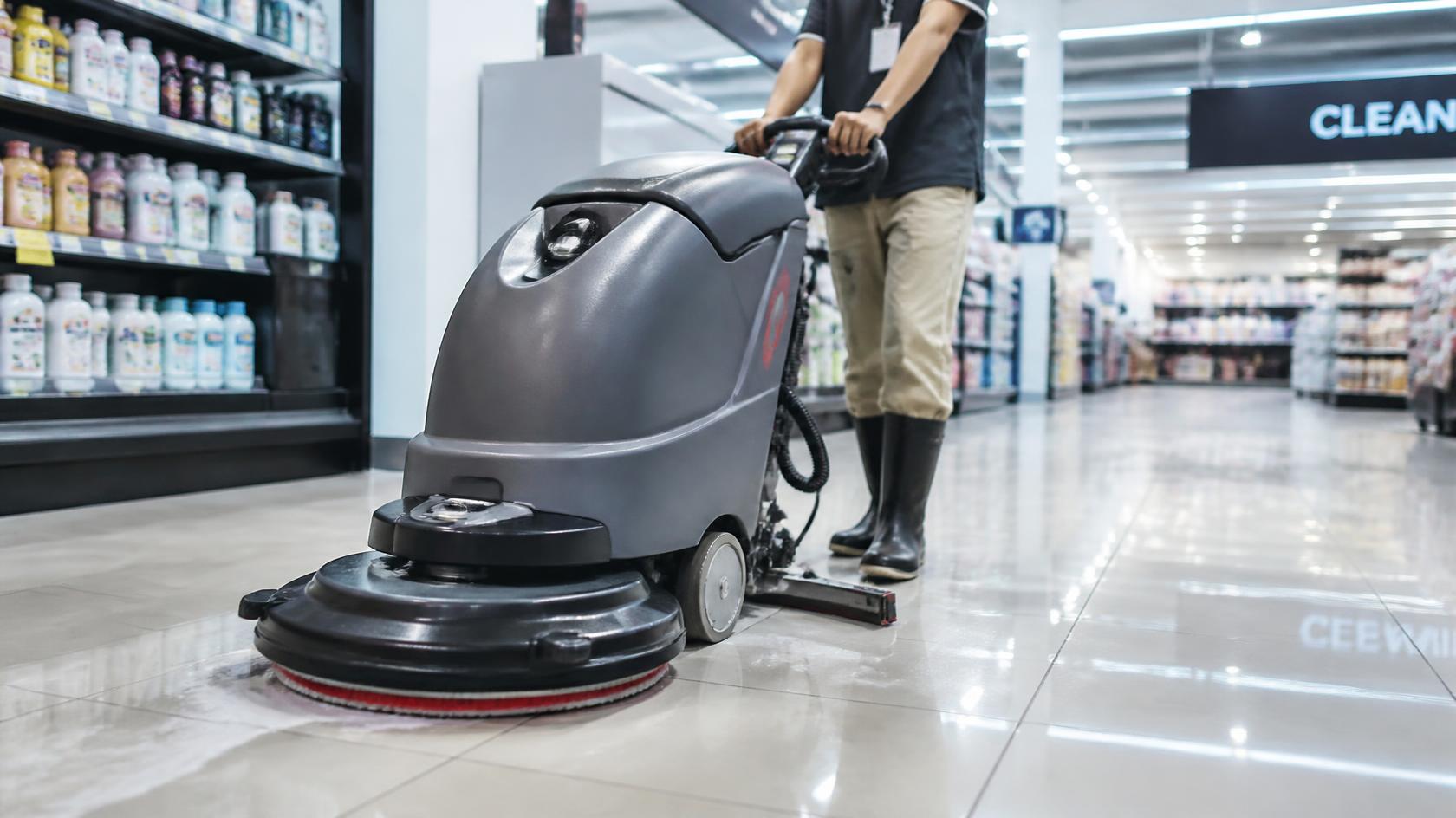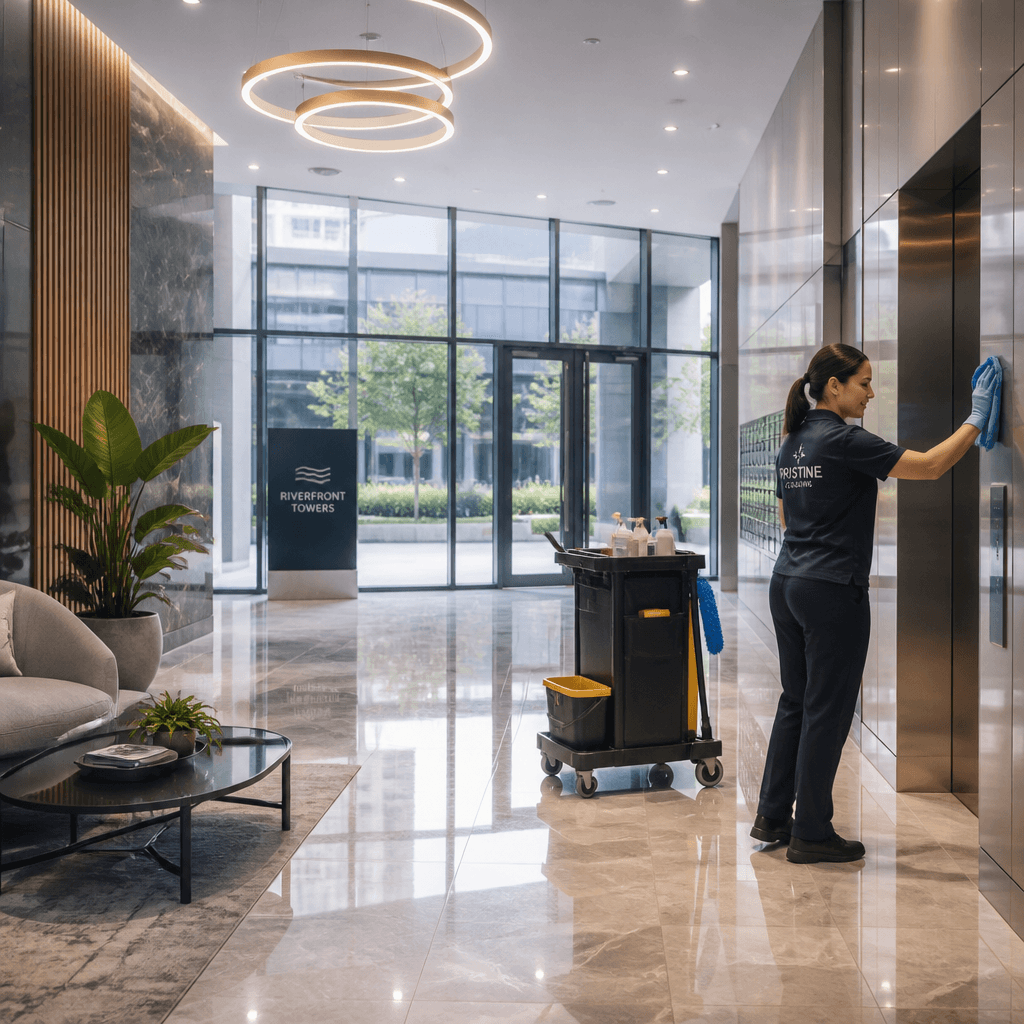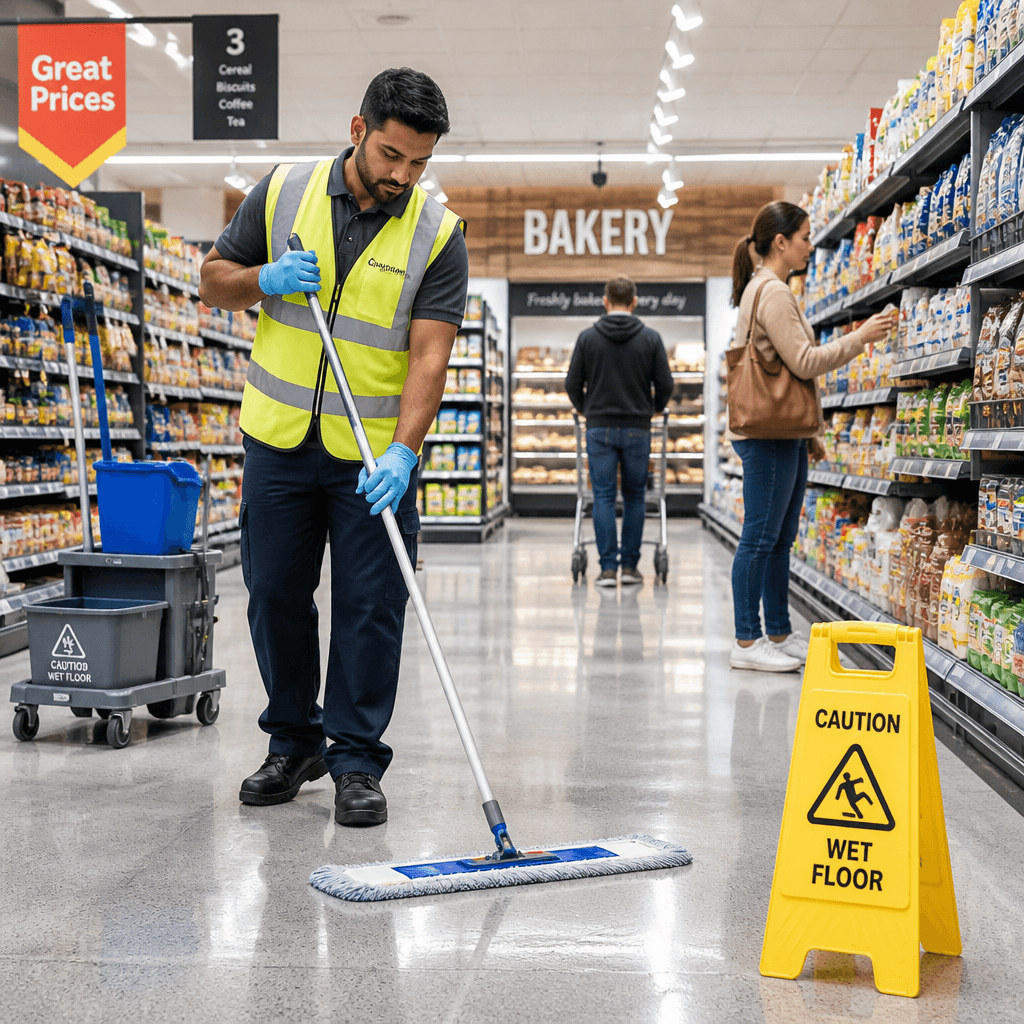

If you manage a medical centre in Melbourne and you are relying on the same cleaning service that handles a nearby office block, you are taking a risk that no compliance audit or patient complaint will let you ignore for long. Medical centre cleaning in Melbourne is a fundamentally different discipline from general commercial cleaning. Regular audits of Medical Centre Cleaning practices are crucial to ensure ongoing compliance and safety.
The pathogens present in a GP clinic, specialist suite, or allied health practice do not respond to a mop-and-bucket routine designed for a boardroom. Healthcare-associated infections (HAIs) are a documented, measurable threat, and the standard of environmental cleaning is one of the most controllable variables in preventing them.
Table of Contents
- Quick Takeaways
- Why Standard Cleaning Fails in Medical Environments
- What Clinical Cleaning Standards Actually Require
- High-Risk Zones That Demand Specialist Attention
- Comparing Cleaning Approaches for Medical Facilities
- What a Professional Healthcare Cleaning Service Should Deliver
- Frequently Asked Questions
- References
Quick Takeaways
Key Insight | Explanation |
|---|---|
Standard cleaning does not eliminate clinical pathogens | General-purpose detergents and methods are not formulated to destroy the bacteria and viruses present in medical environments. Proper disinfectants and dwell times are required. |
HAIs are a measurable, preventable risk | Healthcare-associated infections affect a significant proportion of patients in clinical settings. Environmental cleaning quality is one of the most controllable factors in reducing this risk. |
Different zones require different protocols | A waiting room, a treatment room, and a bathroom in a medical centre each carry distinct contamination risks and require separate, tailored cleaning procedures and frequencies. |
Cleaning staff must be trained in infection control | Understanding cross-contamination pathways, correct PPE use, and the difference between cleaning and disinfecting is non-negotiable for anyone working in a healthcare environment. |
Compliance with Australian health standards is not optional | Medical facilities in Melbourne are subject to regulatory oversight. Environmental cleaning is part of that compliance picture, and gaps can result in real consequences for the practice. |
Frequency matters as much as technique | High-touch surfaces in a busy GP clinic need to be disinfected multiple times per day, not just at the end of each business day. A once-daily clean is structurally inadequate. |
Your cleaning provider’s documentation protects you | A professional healthcare cleaning service should produce written cleaning logs and checklists that can be presented during an audit or accreditation review. |
Why Standard Cleaning Fails in Medical Environments
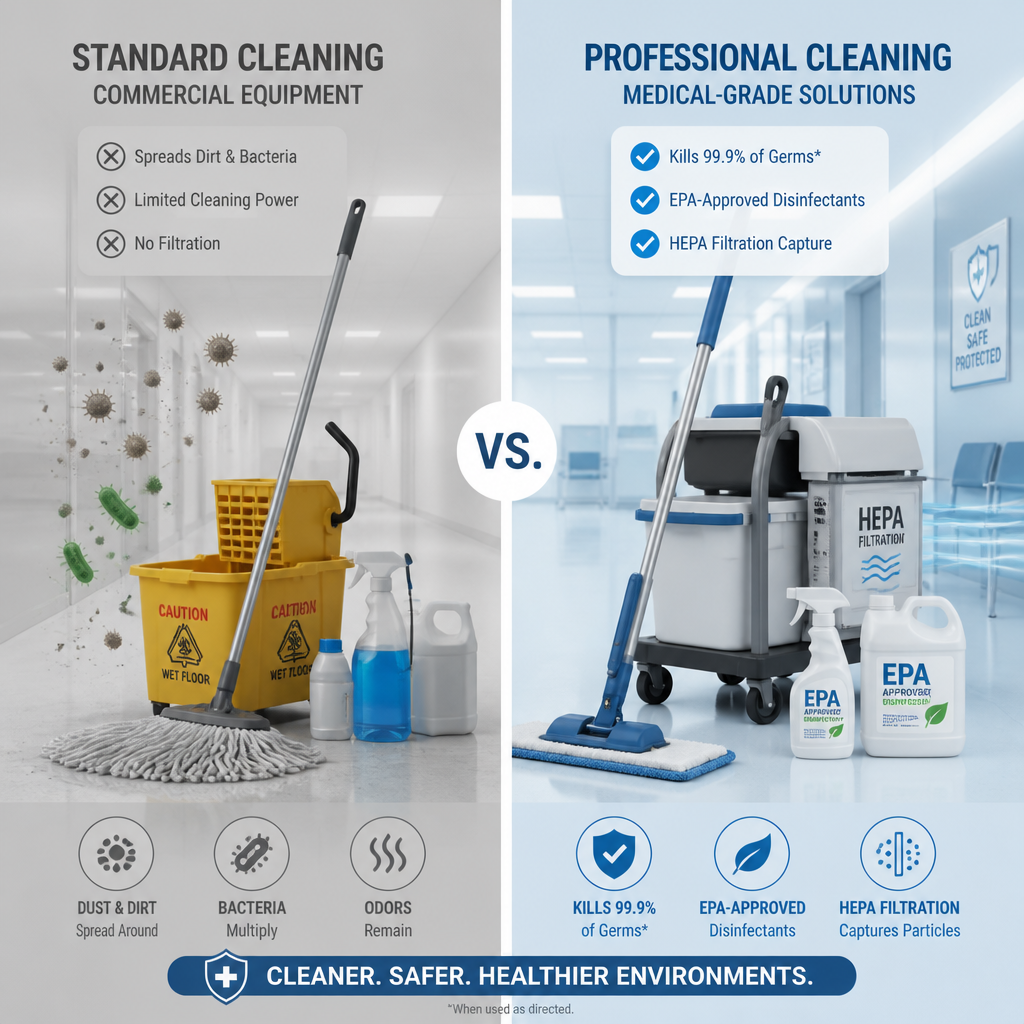
Standard commercial cleaning is designed to make a space look presentable. It removes visible dirt, empties bins, and leaves surfaces smelling clean. In an office, that is perfectly adequate. In a medical centre, it is a false sense of security.
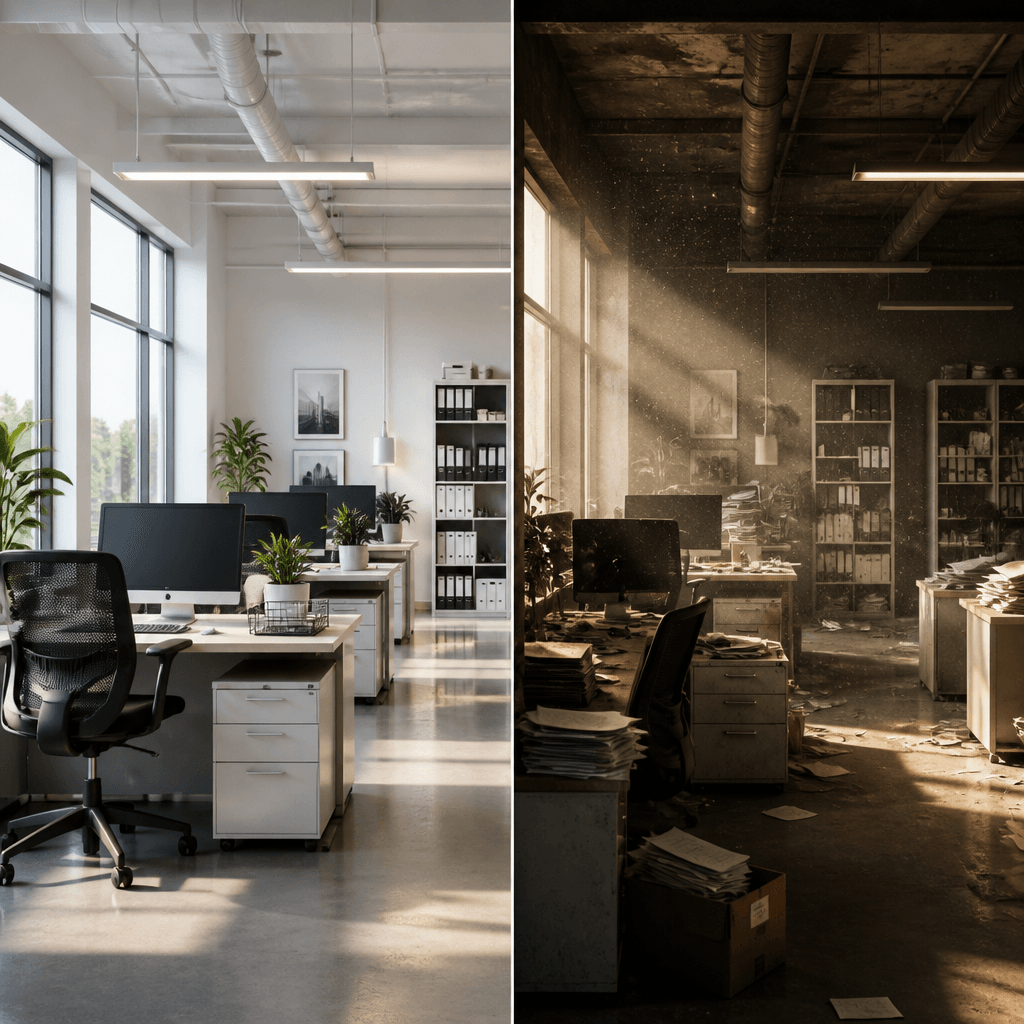
The core problem is that visible cleanliness and clinical cleanliness are not the same thing. A surface can look spotless and still harbour pathogens that pose a genuine infection risk to immunocompromised patients, elderly visitors, or staff who touch that surface dozens of times per day. Standard cleaning products are not always formulated to achieve the log-reduction in microbial load that clinical settings demand. The technique matters too: a cleaner who does not know the difference between cleaning (removing organic matter) and disinfecting (destroying pathogens) will often apply products in the wrong order, at the wrong concentration, or without allowing adequate contact time to work.
A common mistake in practice is treating a medical reception desk the same way a cleaner would treat a hotel front desk. Both get wiped down, but the hotel desk is not regularly touched by patients who have come in with respiratory infections, open wounds, or compromised immune systems. The contamination profile is completely different, and the cleaning response must reflect that.
In healthcare settings, high standards of cleanliness directly impact patient safety, health outcomes, and overall trust in the facility. These environments require cleaning strategies that go beyond routine procedures to ensure comprehensive sanitation.
For Melbourne medical practices, the stakes are compounded by the sheer volume of patient foot traffic that many clinics handle. A busy GP clinic or specialist suite may see dozens of patients in a single morning. Each interaction with a surface, a chair arm, a door handle, or a waiting room magazine rack is a potential transmission event if the environmental cleaning program is not properly calibrated.
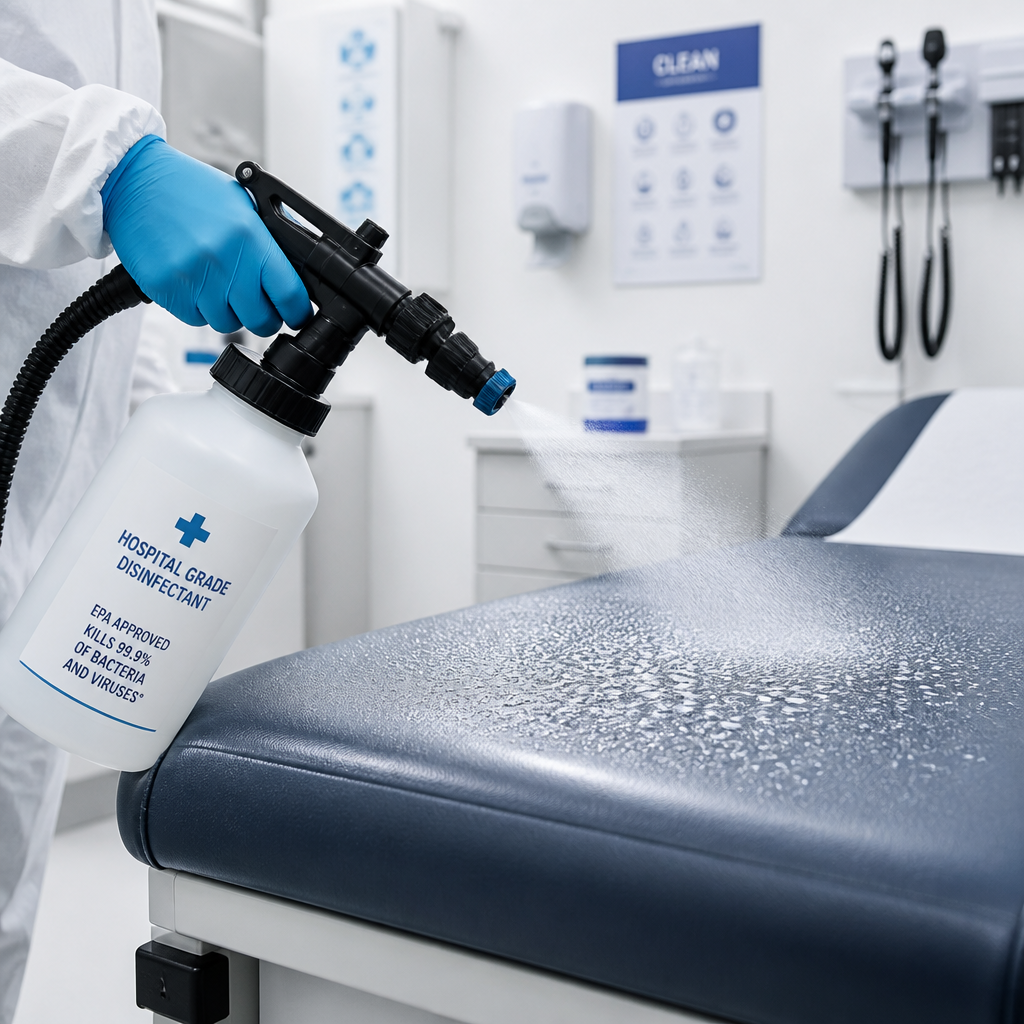
Pro tip: Ask any cleaning provider you are considering to show you their product data sheets. If they cannot confirm that their disinfectants are TGA-listed or meet the relevant Australian Standards for healthcare environments, that is a red flag worth acting on before you sign any contract.
What Clinical Cleaning Standards Actually Require
Clinical cleaning is governed by a framework that most standard commercial cleaners simply are not trained in. In Australian healthcare settings, this means aligning with infection prevention and control (IPC) guidelines and, for accredited practices, meeting the requirements of the relevant accreditation standards that apply to their facility type.
The Distinction Between Cleaning, Disinfecting, and Sterilising
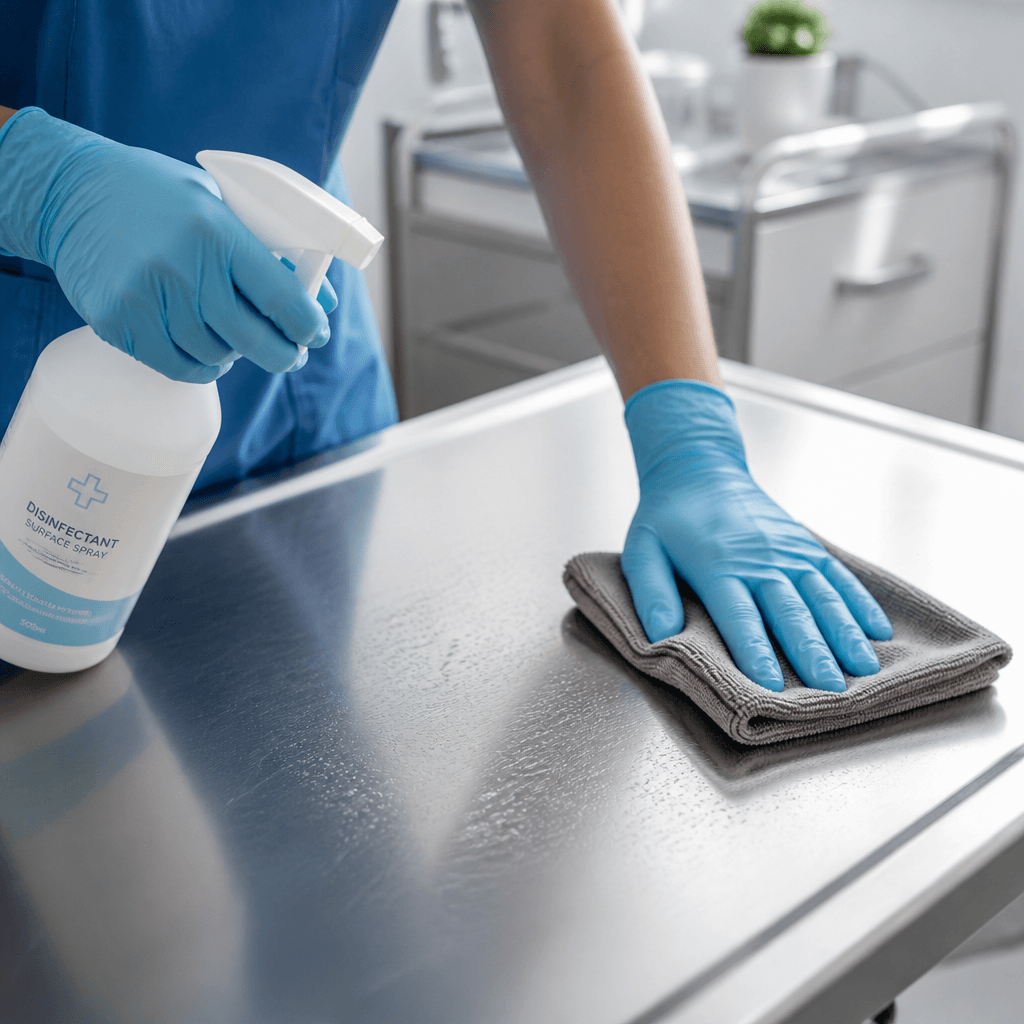
These three terms are often used interchangeably by people outside the healthcare cleaning sector, and that confusion causes real problems. Cleaning removes dirt and organic matter. Disinfecting reduces microbial load to a safe level using chemical agents. Sterilising destroys all microbial life, including spores, and is used for surgical instruments. Environmental cleaning in a medical centre sits at the cleaning-and-disinfecting level, and the correct sequence is always cleaning first, then disinfecting. Applying a disinfectant to a surface that has not been cleaned first dramatically reduces its effectiveness.
Colour-Coded Equipment and Cross-Contamination Prevention
A professional clinical cleaning program uses colour-coded cloths, mops, and equipment to prevent cross-contamination between zones. A cloth used in a patient bathroom must never be used on a treatment bench. This sounds obvious, but it is routinely ignored in general commercial cleaning operations where equipment is shared across a whole facility without distinction. In practice, a well-structured healthcare cleaning program for a Melbourne medical centre will define a minimum of three separate colour zones and train all staff on those boundaries before they set foot in the building.
Product Selection and Dwell Time
Not all disinfectants are equal, and not all pathogens respond to the same chemistry. Healthcare cleaning services need to select products appropriate to the specific risks present in the facility and then apply them correctly. Dwell time, the period a disinfectant must remain wet on a surface to achieve its stated efficacy, is one of the most frequently skipped steps in poorly run cleaning programs. Wiping a surface immediately after spraying it is not disinfecting. It is just moving the product around.
Pro tip: When reviewing a healthcare cleaning proposal, ask the provider to specify the dwell times for each disinfectant they intend to use. If they look confused by the question, find another provider. Vibrant Property Services staff are trained in correct contact time requirements as a standard part of their medical facility cleaning protocols.
High-Risk Zones That Demand Specialist Attention
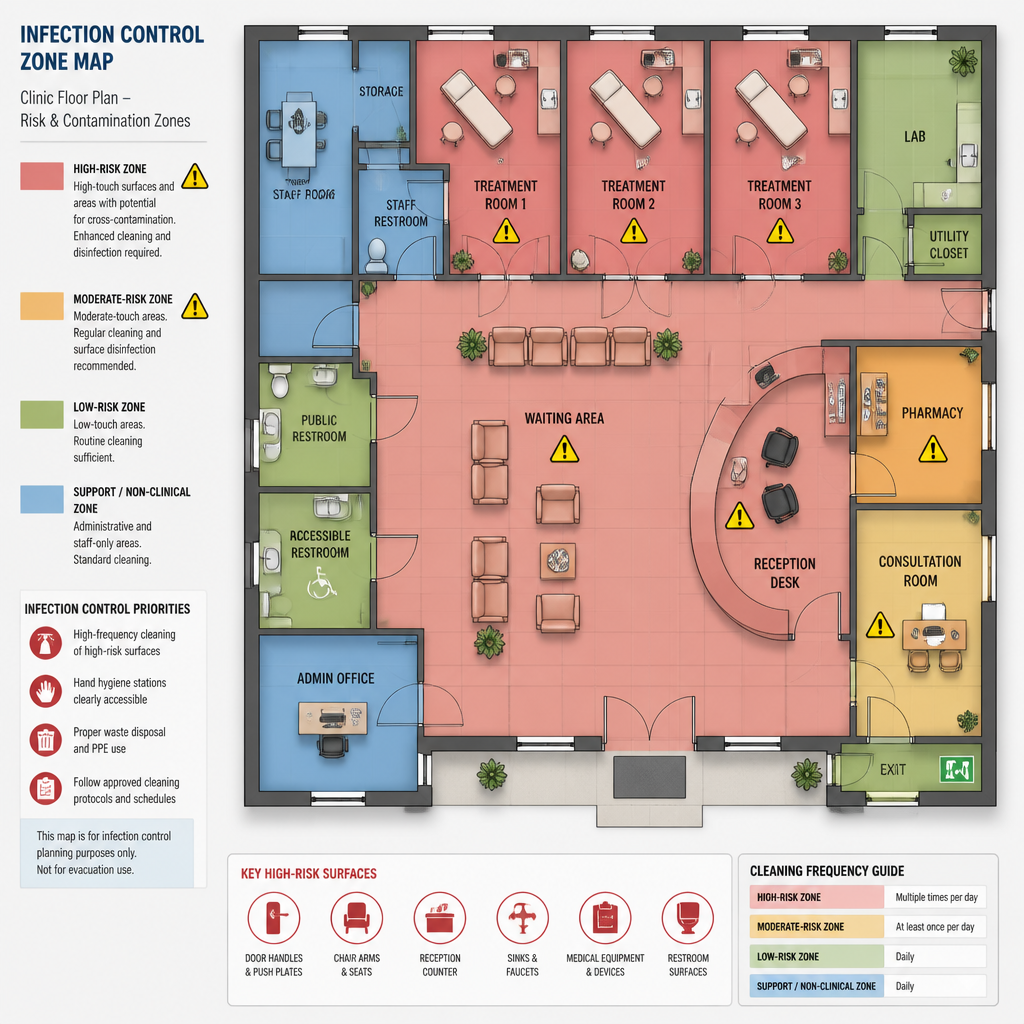
Not every part of a medical centre carries the same contamination risk, but every part of it needs to be assessed through a clinical lens. The zoning approach to healthcare cleaning recognises that resources and frequency should be concentrated where the risk is highest, without neglecting lower-risk areas that can become vectors if ignored.
Treatment and Consultation Rooms
These rooms are the highest-risk zones in most Melbourne medical centres. Patient contact with examination tables, blood pressure cuffs, otoscopes, and other shared equipment creates repeated contamination opportunities throughout the day. Cleaning between patients is the responsibility of clinical staff using single-use wipes, but the broader environmental clean of these rooms, including floors, light switches, chair arms, and bin surrounds, must be done by trained healthcare cleaners who understand the specific risks involved.
Waiting Areas
Waiting rooms collect a cross-section of every condition presenting at the practice on any given day. Upholstered seating, children’s play equipment, brochure racks, and drink dispensers are all high-touch surfaces that standard cleaning schedules frequently underserve. A healthcare cleaning program should include specific protocols for these surfaces, including appropriate disinfection of hard furniture and clear guidance on how to manage items like soft toys that cannot be adequately disinfected.
Bathrooms and Handwashing Facilities
Medical centre bathrooms are used by patients who are already unwell. Tap handles, toilet flush buttons, soap dispensers, and door handles in these spaces need to be disinfected at a frequency that reflects the actual volume of use, not just cleaned once per day. In a busy practice, this may mean multiple cleans throughout the operating hours of the facility.
Reception and Administrative Areas
Reception desks, payment terminals, pens, clipboards, and keyboards are touched by both patients and staff. These surfaces are often overlooked in standard cleaning schedules because they look like office equipment. In a medical setting, they function as frontline patient-contact surfaces and need to be treated accordingly. Healthcare cleaning services that understand this distinction will include these items explicitly in their cleaning specifications rather than leaving them to chance.
Comparing Cleaning Approaches for Medical Facilities
When evaluating cleaning options for a Melbourne medical centre, practice managers typically encounter three broad approaches. Each has a very different risk profile when applied to a clinical environment.
Cleaning Approach | How It Works | Suitability for Medical Centres |
|---|---|---|
General Commercial Cleaning | Standard products and methods applied uniformly across the facility. No zone-specific protocols. Cleaning staff not specifically trained in infection control. | Not suitable. Addresses visible cleanliness only. Does not meet clinical cleaning standards and carries real infection risk in patient-facing areas. |
Specialist Healthcare Cleaning | Trained staff, colour-coded equipment, TGA-listed or appropriate disinfectants, zone-specific protocols, documented cleaning logs, and scheduled frequency based on risk assessment. | The correct choice for medical centres. Aligns with infection prevention principles and supports accreditation compliance. Vibrant Property Services operates at this level for Melbourne medical clients. |
In-House Cleaning by Practice Staff | Clinical or administrative staff perform cleaning duties in addition to their primary roles. Often ad hoc, without structured protocols or appropriate products. | High risk. Staff lack the training, time, and equipment to maintain clinical standards consistently. Creates compliance exposure and increases infection risk. |
The comparison above is not a close call. General commercial cleaning in a medical facility is not a cost-saving measure; it is a liability. The cost of an HAI event, a compliance failure, or a reputational incident triggered by inadequate cleaning far exceeds the price difference between a standard cleaning contract and a specialist healthcare cleaning service.
What a Professional Healthcare Cleaning Service Should Deliver
Melbourne medical centre managers often ask what separates a genuinely capable healthcare cleaning provider from one that simply markets itself as such. The answer is in the specifics of what they deliver, not what they claim.
Documented Protocols and Audit-Ready Records
A professional healthcare cleaning service produces written cleaning schedules, room-by-room checklists, and signed completion logs. These documents are not bureaucratic overhead. They are your evidence that cleaning was performed to the required standard on a given date and time. During an accreditation review or a complaint investigation, these records are what protect the practice. If your current cleaning provider cannot supply these, that is a gap that needs to be addressed immediately.
Trained and Background-Checked Staff
Anyone cleaning a medical centre in Melbourne should be able to demonstrate training in infection control principles, correct use of PPE, and the safe handling of clinical cleaning chemicals. In environments where patients may be vulnerable, the character and reliability of cleaning staff also matter. A reputable provider will conduct background checks and ensure consistent staffing so that the same trained individuals are working in your facility, not a different contractor every week.
Customised Cleaning Frequencies
A one-size-fits-all cleaning schedule does not work in healthcare. A specialist provider will assess the specific risk profile of each zone in your facility, the hours of operation, the patient volume, and the types of conditions being treated, and then build a cleaning frequency schedule that reflects those realities. For a high-volume GP clinic in Melbourne’s inner suburbs, that might mean treatment room disinfection between every patient session, with a full terminal clean at the end of each day.
Alignment with Infection Control Principles
Specialized cleaning protocols in healthcare are designed to align with established infection prevention and control guidelines. They define not just what gets cleaned, but how, with what products, in what sequence, and at what frequency for each distinct area of the facility. Healthcare facilities consist of various areas with distinct cleaning requirements, and tailored approaches for spaces such as patient rooms, waiting areas, and high-risk zones are essential to maintaining appropriate levels of cleanliness and disinfection consistently.
Vibrant Property Services brings over 15 years of experience across Melbourne’s commercial and specialist cleaning sectors, including medical environments. Their approach to medical centre cleaning is built on exactly this kind of structured, documented, risk-aware methodology. For Melbourne medical practices looking to move away from a general cleaning arrangement that is no longer fit for purpose, their medical centre cleaning service is a practical starting point.
Frequently Asked Questions
What makes medical centre cleaning different from standard office cleaning?
Medical centre cleaning requires trained staff, clinical-grade disinfectants, colour-coded equipment to prevent cross-contamination, zone-specific protocols, and documented cleaning records. Standard office cleaning uses general-purpose products and methods that address visible dirt but do not achieve the microbial reduction required in patient-facing healthcare environments. The risk profile is fundamentally different, and the cleaning approach must match it.
How often should a medical centre in Melbourne be cleaned?
Frequency depends on the zone and the volume of patient traffic. High-touch surfaces in treatment rooms and waiting areas may need attention multiple times per day. Bathrooms in a busy practice should be cleaned and disinfected more than once daily. A full terminal clean should be completed at the end of each operating day. A specialist healthcare cleaning provider will conduct a risk assessment and build a schedule that reflects your facility’s specific needs rather than applying a generic timetable.
What disinfectants should be used in a medical centre?
Products used in medical centre cleaning should be appropriate for healthcare environments and effective against the pathogens relevant to the facility. In Australia, this generally means selecting products that are TGA-listed or that meet the relevant Australian Standards for hospital-grade disinfection. The correct product must also be applied at the right concentration and left on the surface for the manufacturer-specified dwell time. Using the wrong product, or using the right product incorrectly, produces results that look clean but are not clinically safe.
Can medical centre staff handle their own cleaning between patients?
Clinical staff can and should handle immediate point-of-care cleaning between patients, such as wiping down examination tables with appropriate single-use wipes after each consult. This is a clinical task, not a substitute for a structured environmental cleaning program. The broader environmental cleaning of all zones in the facility needs to be performed by trained cleaning staff with the right equipment and products. Relying on administrative or clinical staff to cover this function creates gaps in coverage and exposes the practice to compliance risk.
What should I look for when choosing a healthcare cleaning provider in Melbourne?
Look for a provider that can demonstrate specific experience in healthcare environments, not just commercial cleaning in general. They should be able to explain their zone-based cleaning protocols, the products they use and why, how they train their staff in infection control, and how they document their work. Ask for references from other medical facility clients in Melbourne. A provider that treats every client site the same regardless of its function is not the right fit for a medical centre.
Does healthcare cleaning compliance affect practice accreditation?
Yes, directly. Environmental cleaning is assessed as part of the accreditation process for medical practices in Australia. Inadequate cleaning protocols, missing documentation, or evidence of poor infection control practice can result in conditions being placed on accreditation or, in serious cases, accreditation being withheld. A specialist healthcare cleaning provider who understands this landscape will structure their service to support your accreditation readiness, not just keep the floors looking clean.
If you manage a medical centre in Melbourne and you are currently reviewing your cleaning arrangements, we would welcome your thoughts on the specific challenges you face. Leave a comment below or get in touch with the Vibrant Property Services team to share what has worked or what has fallen short in your experience.
We would love your feedback and any insights you would share with others. What perspective would you add?