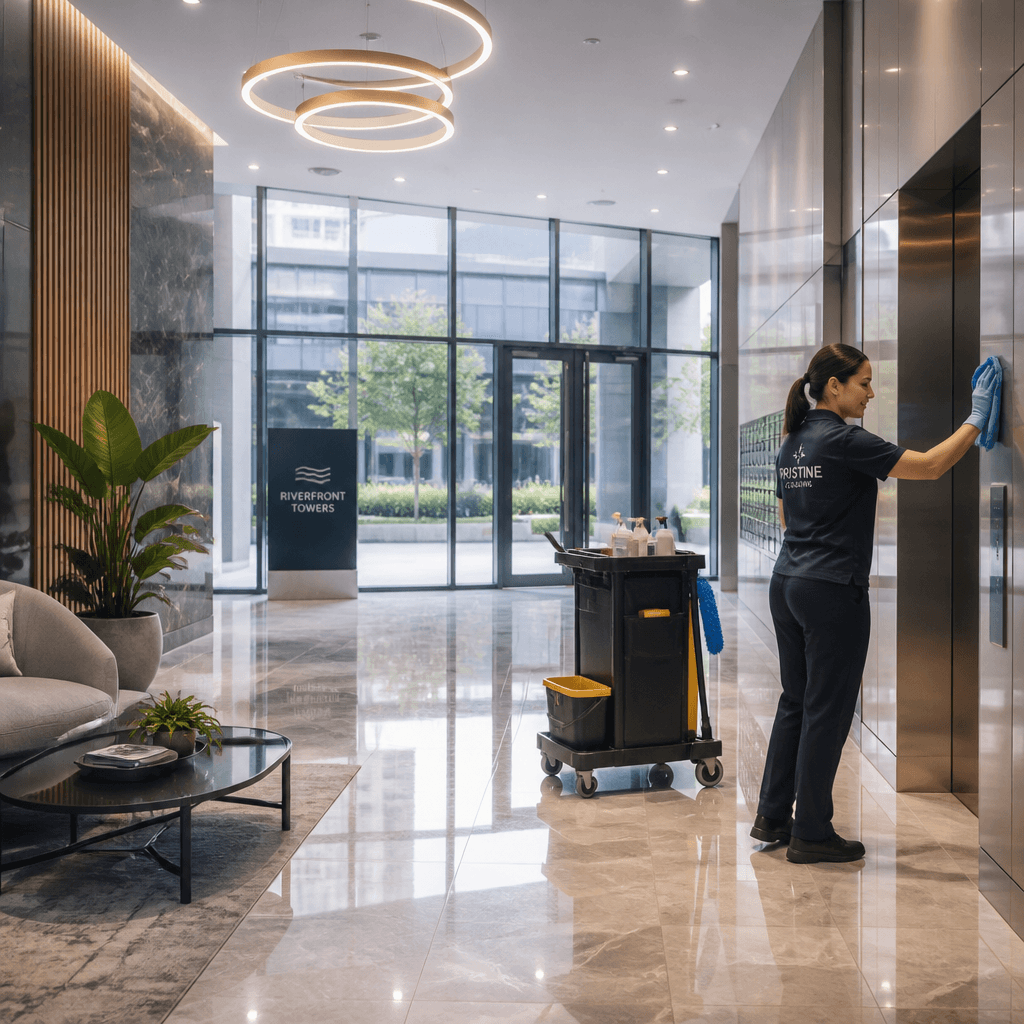

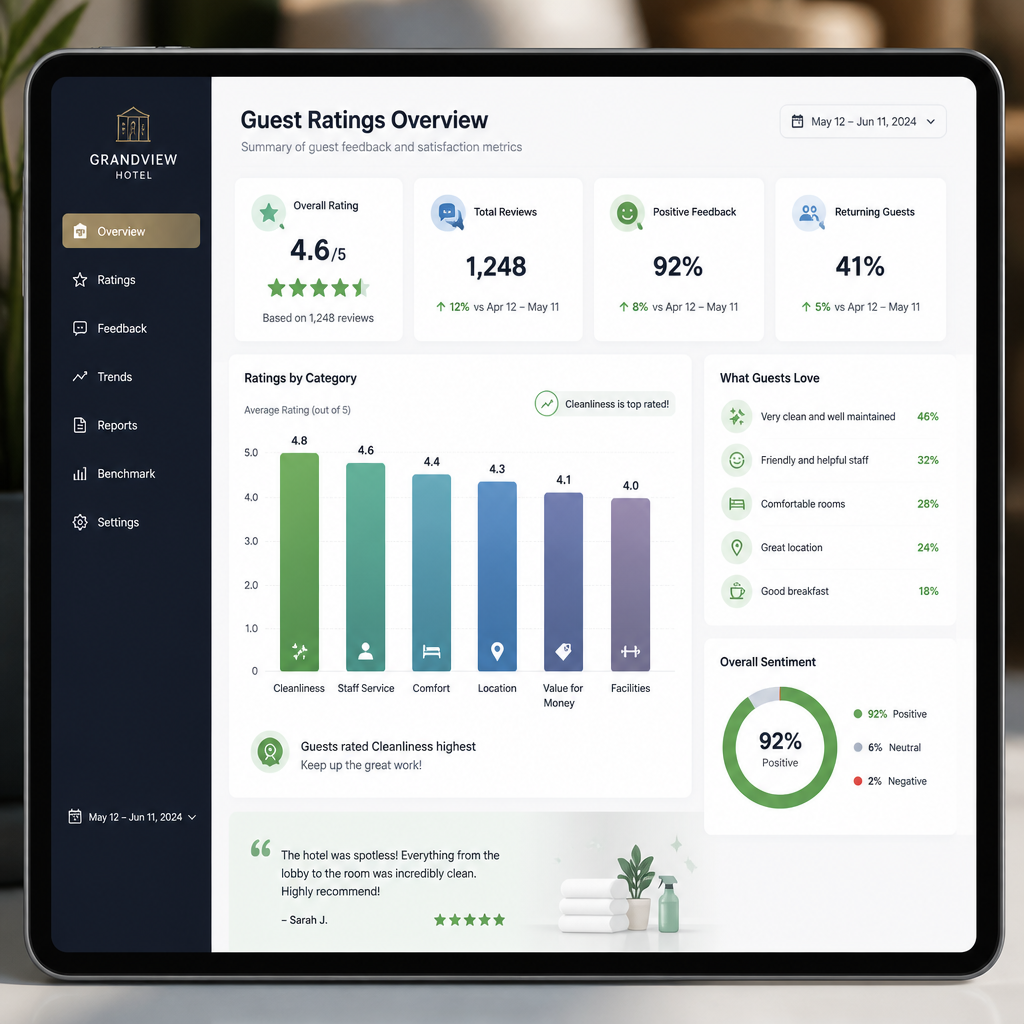
One bad review mentioning a stained pillow or grimy bathroom tile can undo months of marketing spend. For Melbourne hotel operators and property managers, hotel cleaning Melbourne is not a background function, it is a direct revenue driver. Guests booking through platforms like Google Hotels or Booking.com filter by rating, and cleanliness consistently surfaces as the top-rated factor in guest satisfaction, outranking price, location, and service. If your cleaning program is reactive, inconsistent, or outsourced to the lowest bidder, guests will notice, and they will say so publicly.
Table of Contents
- Quick Takeaways
- Why Cleanliness Directly Drives Hotel Revenue
- Core Housekeeping Standards Melbourne Properties Must Meet
- Deep Cleaning vs Daily Housekeeping: What Hotels Actually Need
- Comparing Hospitality Cleaning Approaches: What Works in Practice
- Common Areas and First Impressions: Where Hotels Lose Guests Before They Reach the Room
- Choosing the Right Commercial Cleaning Partner for Your Hotel
- Frequently Asked Questions
- References
Quick Takeaways
| Key Insight | Explanation |
|---|---|
| Cleanliness outranks price as a guest priority | Australian hospitality data consistently shows guests rate cleanliness above location and value when leaving reviews. A dirty room kills repeat bookings, regardless of the rate charged. |
| Standardised checklists are non-negotiable | Without room-specific checklists, cleaning quality depends entirely on individual staff judgment. That creates inconsistency across shifts, especially during peak Melbourne tourism seasons. |
| High-touch surface disinfection is its own task | Door handles, TV remotes, light switches, and lift buttons require dedicated disinfection protocols, not just a wipe during general cleaning. Skipping these is a hygiene risk guests now actively notice. |
| Deep cleaning must be scheduled, not reactive | Carpet steam cleaning, mattress sanitisation, tile and grout restoration, and bathroom descaling cannot wait for visible dirt. Scheduled deep cleans protect the asset and prevent odour buildup guests can smell immediately. |
| Colour-coded equipment prevents cross-contamination | Using separate colour-coded cloths and mops for bathrooms, kitchens, and guest rooms is an industry-standard hygiene control. It is simple to implement and immediately reduces infection risk. |
| Back-of-house hygiene is a legal compliance issue | Hotel kitchens and food preparation areas must meet food-safety regulations. Grease buildup in exhaust canopies is both a fire hazard and a compliance failure, not just an aesthetic problem. |
| Eco-friendly products are now a guest expectation | Melbourne’s hospitality market includes a large share of eco-conscious travellers. Biodegradable, low-toxin cleaning products protect staff health, reduce environmental impact, and can be marketed as a property feature. |
Why Cleanliness Directly Drives Hotel Revenue
Melbourne’s hotel market is competitive at every price point. Boutique properties in Fitzroy, serviced apartments in the CBD, and conference resorts on the city’s outskirts all compete for the same pool of repeat guests and business travellers. The one variable that consistently separates properties with strong rebooking rates from those that fight for every new booking is verifiable cleanliness.
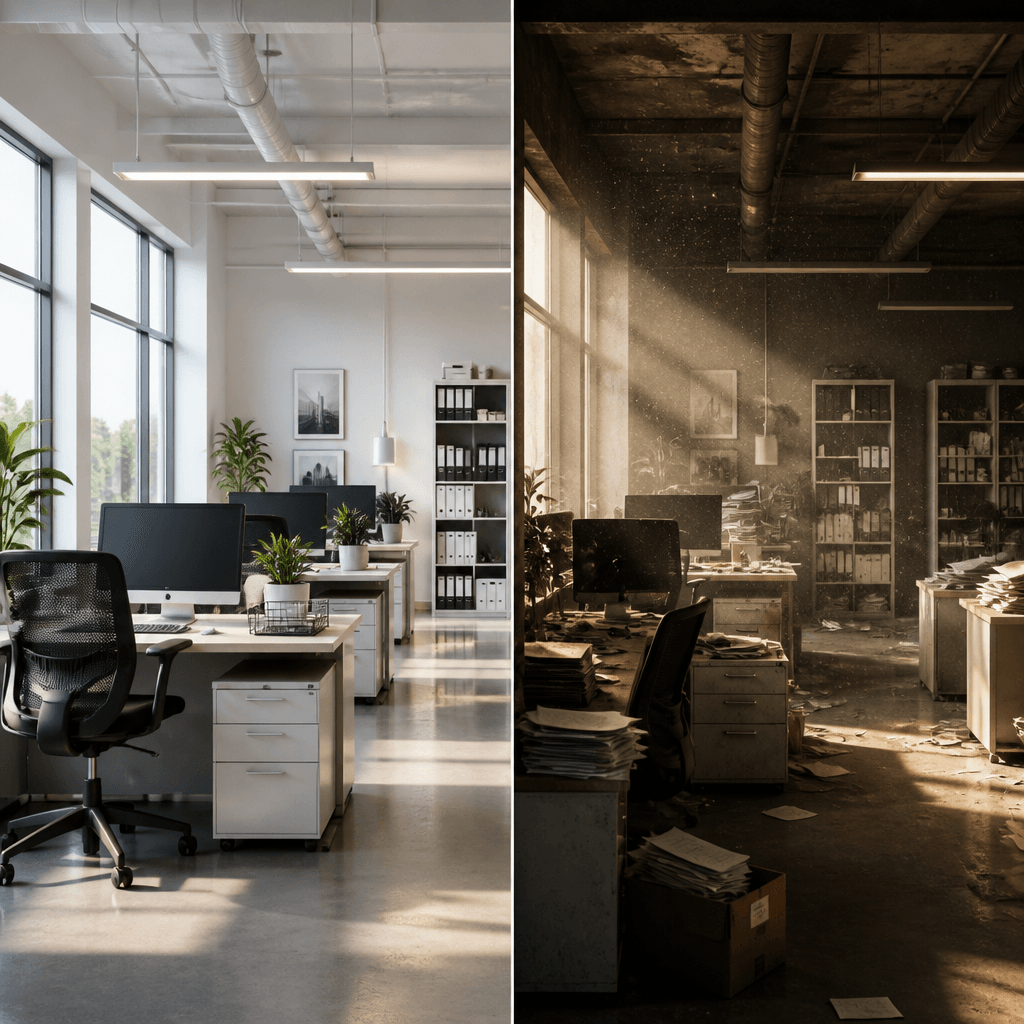
The mechanism is straightforward. A guest who experiences a spotless room, fresh linen, and a sanitised bathroom is far more likely to leave a four or five-star review. That review then influences the next booking decision. A guest who finds a hair on the shower floor or a sticky remote control leaves a one-star comment that sits on Google permanently. No marketing budget repairs that kind of reputational damage as efficiently as preventing it in the first place.
In practice, properties that invest in professional hospitality cleaning services see measurable improvements in guest satisfaction scores, and those scores translate directly into higher occupancy rates and more direct bookings. This is not a theory, it is the documented experience of hotels across Melbourne that have moved from ad-hoc in-house cleaning to structured, professionally managed programs.
Cleanliness is the single most visible signal a property sends to a guest about how much it values their stay. Everything else, the decor, the amenities, the service, is secondary if the room does not feel genuinely clean.
Core Housekeeping Standards Melbourne Properties Must Meet
There is a meaningful difference between a room that looks clean and one that actually is clean. Professional hotel housekeeping in Melbourne operates from documented standards, not from a housekeeper’s best guess. The following are the operational fundamentals that separate compliant, guest-approved properties from those that generate complaints.
Room-Specific Cleaning Checklists
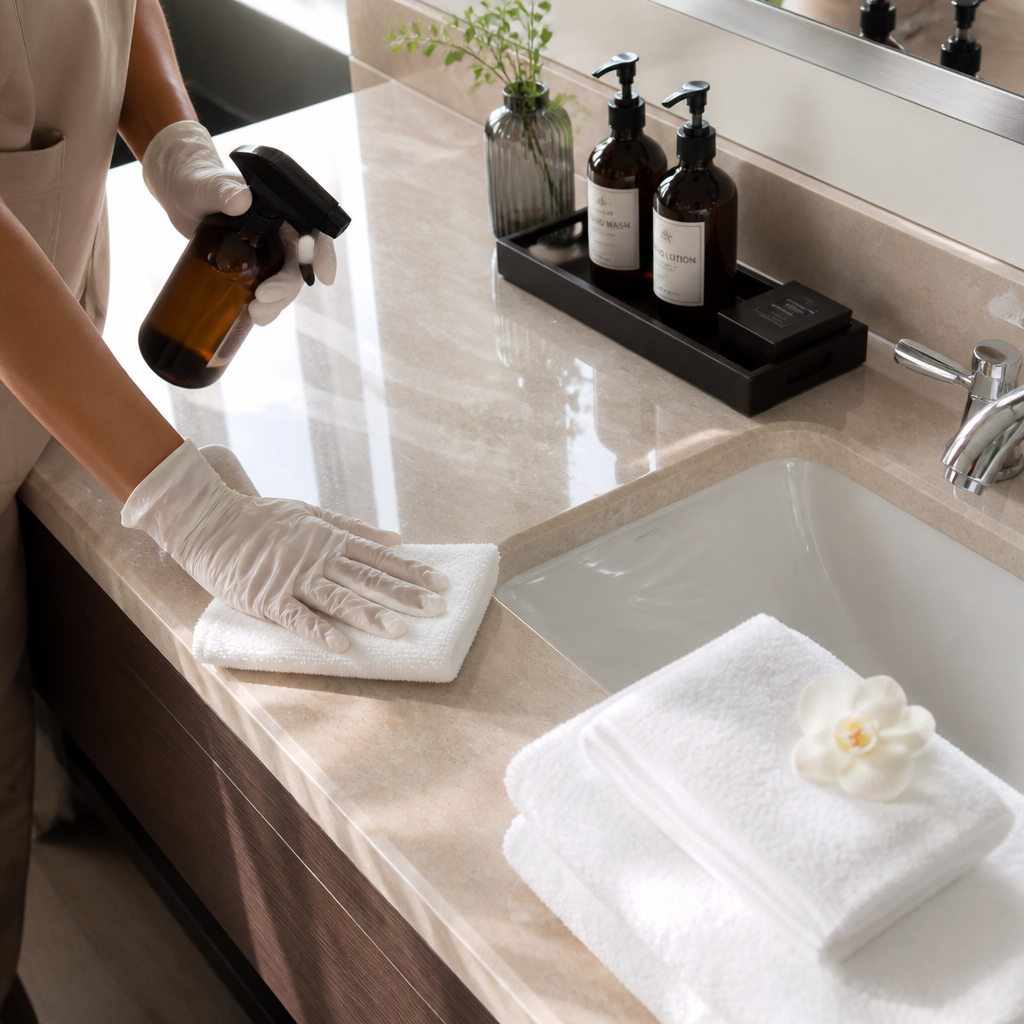
Every room type, standard rooms, suites, accessible rooms, and studio apartments, should have its own step-by-step checklist. This removes the variable of individual judgment and ensures that a room cleaned at 7am by one staff member meets the same standard as one cleaned at 2pm by another. Checklists need to cover bathroom sanitation including toilet, shower, sink, mirrors, and floors; linen and towel replacement to standard; dusting and vacuuming protocols; bin emptying and amenity restocking; and dedicated high-touch surface disinfection for door handles, remotes, and light switches.
A common mistake is building one generic checklist for all room types and then wondering why suites get missed areas during busy periods. Room-type-specific checklists eliminate this problem entirely.
Colour-Coded Equipment and Cross-Contamination Control
This is an industry-standard hygiene control that many Melbourne properties still fail to implement consistently. Colour-coded cloths and mops prevent cross-contamination between bathrooms, kitchens, and guest rooms. A bathroom cloth that also wipes a bedside table is a hygiene failure, regardless of whether it looks clean. Leading Melbourne hotel cleaning operations assign specific colours to specific zones and enforce that separation through staff training and supervision.
High-Touch Surface Disinfection as a Standalone Protocol
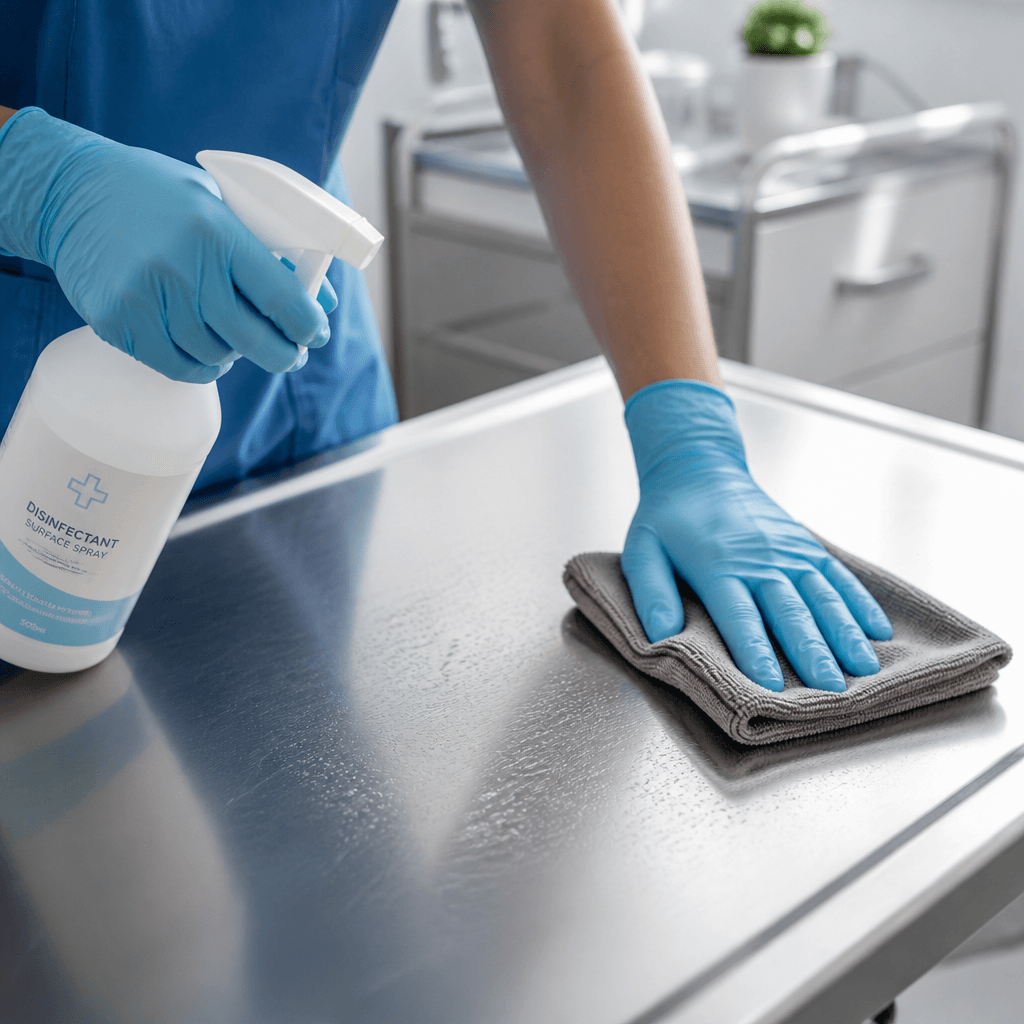
Post-pandemic guest awareness around hygiene has not faded. Guests notice and appreciate visible evidence that high-touch surfaces, TV remotes, power switches, door handles, lift buttons, and minibar handles, have been deliberately disinfected. This should be a named, timed task on the checklist, not an afterthought folded into general surface wiping.
Pro tip: Use disinfectant wipes in a specific colour packaging for high-touch surfaces only. When a guest sees the wipe wrapper in the bin, they know it was done. It is a small detail that builds trust.
Deep Cleaning vs Daily Housekeeping: What Hotels Actually Need
Daily housekeeping and scheduled deep cleaning serve completely different purposes, and confusing the two is one of the most expensive mistakes a hotel operation can make. Daily housekeeping maintains the appearance and basic hygiene of rooms between guest stays. Deep cleaning restores the underlying hygiene of the asset itself.
What Daily Housekeeping Covers
Daily housekeeping for Melbourne hotels should include bed making and linen replacement to brand standard, bathroom cleaning and sanitisation, dusting and surface disinfection, vacuuming and mopping, waste removal, and amenity restocking. This is the baseline. A property that executes this consistently, across every room, every shift, is already ahead of a large portion of its local competitors.
What Deep Cleaning Actually Includes
Deep cleaning addresses what daily housekeeping physically cannot reach or cannot reverse through surface-level cleaning. This includes carpet steam cleaning, mattress sanitisation, curtain and upholstery cleaning, tile and grout restoration, bathroom descaling, and systematic high-touch point disinfection of areas that accumulate contamination over weeks of occupancy. Melbourne’s peak tourism periods, summer festivals, New Year, and major events, accelerate the rate at which rooms accumulate this kind of embedded dirt.
Properties that wait for visible signs of deterioration before scheduling deep cleans are managing by complaint rather than by standard. A structured deep clean schedule, typically aligned with Melbourne’s event calendar and occupancy peaks, protects the physical asset and prevents the gradual odour and discolouration buildup that guests notice before staff do.
Pro tip: Schedule your deep cleans during Melbourne’s lower-occupancy windows, typically mid-winter, rather than scrambling to fit them in during peak season. Your cleaning provider can help you map a 12-month schedule that works around your occupancy forecast.
Comparing Hospitality Cleaning Approaches: What Works in Practice
Melbourne hotel operators typically choose between three models for managing their cleaning operation. Each has genuine trade-offs, and the right choice depends on property size, occupancy patterns, and the complexity of the facility.
| Cleaning Approach | Best Suited For | Key Limitations |
|---|---|---|
| In-House Housekeeping Team | Large hotels with consistent high occupancy that can justify full-time staffing costs and HR management overhead | High fixed cost regardless of occupancy, significant training and HR burden, no specialist capability for deep cleaning or tile restoration |
| Fully Outsourced Commercial Cleaning Partner | Boutique hotels, serviced apartments, and mid-size Melbourne properties that need flexibility and specialist capability without the overhead | Requires a well-specified service agreement and active management to maintain standards; quality varies significantly between providers |
| Hybrid Model (Core Staff Plus Specialist Provider) | Properties that want in-house control over daily guest-facing housekeeping, with specialist external support for deep cleaning, window cleaning, and high-pressure cleaning | Requires coordination between two teams; works best when the specialist provider has clear scope and a structured schedule |
In practice, the hybrid model works well for Melbourne properties that have a loyal in-house team for daily housekeeping but need specialist capability for services like high-pressure cleaning of outdoor areas, window cleaning on multi-storey buildings, and periodic tile and grout restoration in bathrooms and kitchen areas. A provider like Vibrant Property Services brings that specialist capability across all of these areas, with the kind of structured, documented approach that hotel operations require.
Common Areas and First Impressions: Where Hotels Lose Guests Before They Reach the Room
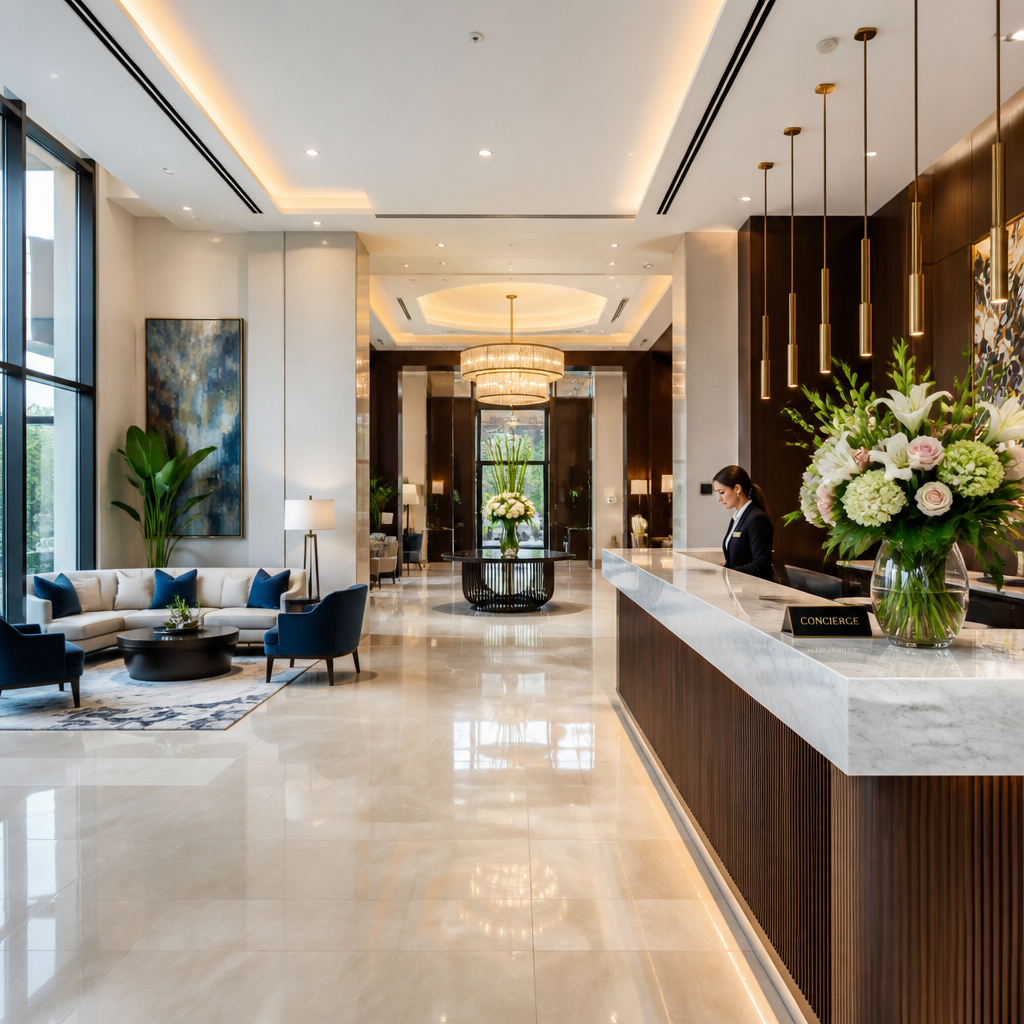
A guest’s cleanliness assessment begins the moment they enter the lobby, not when they open their room door. Common areas, including the lobby and reception, hallways, elevators, restaurants, lounges, gyms, pools, and conference spaces, carry the full weight of a property’s first impression. Properties that invest heavily in room cleaning but neglect these spaces are creating a contradiction that guests find jarring.
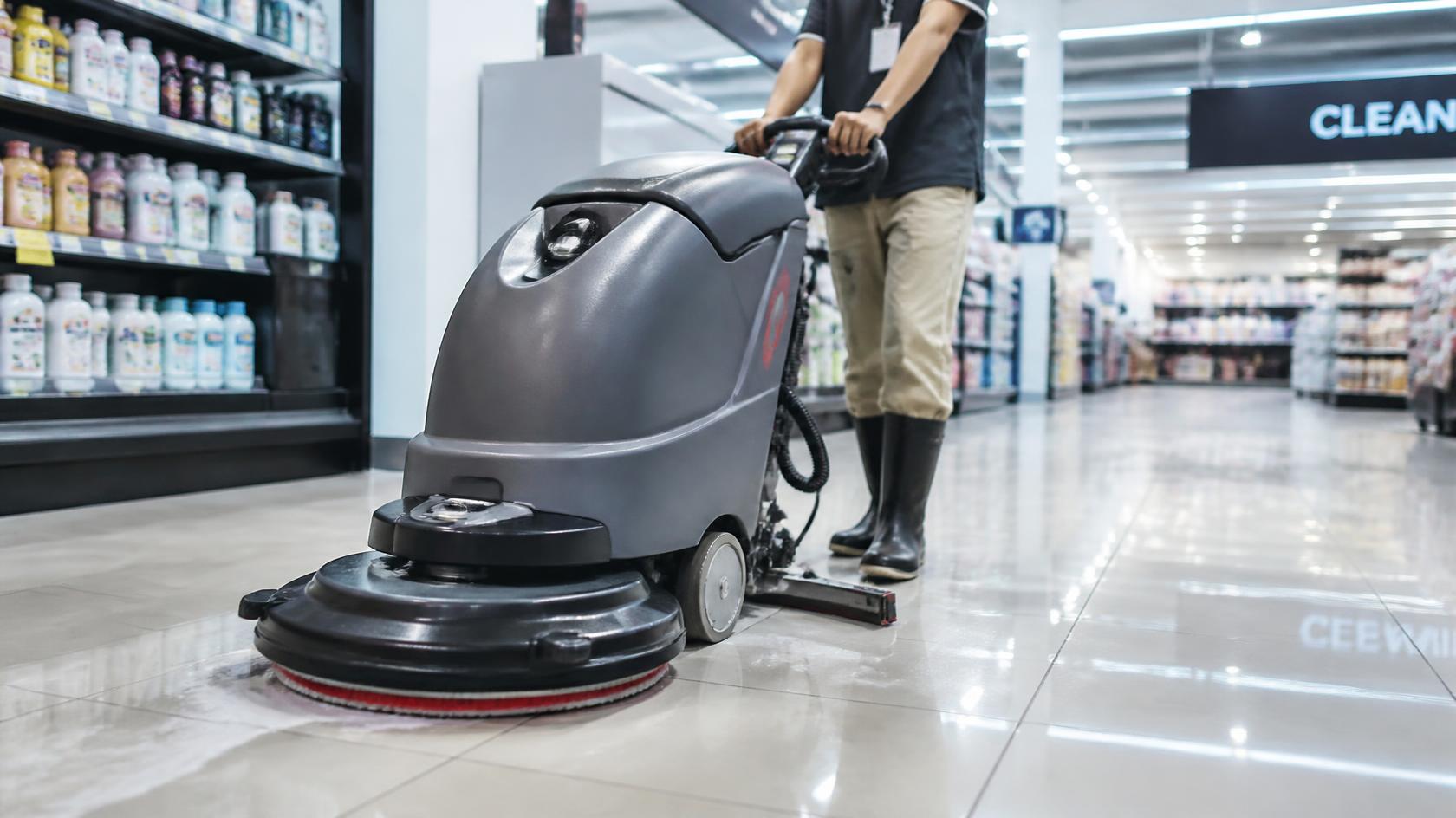
Elevator buttons and handrails accumulate contamination at a rate that exceeds most surfaces in a guest room. Restaurant and lounge areas need cleaning schedules that account for continuous traffic, not just end-of-day cleans. Gym and pool areas require disinfection protocols that go well beyond a quick mop, particularly during Melbourne’s peak summer occupancy periods when facility use is at its highest.
Commercial cleaning for hotels must treat common areas with the same documented, checklist-driven approach applied to guest rooms. A property that does this consistently will generate guest comments about how clean and well-maintained the whole facility feels, not just the room.
Pro tip: Ask your cleaning provider to walk your lobby, hallways, and lift interiors with you at the end of a busy day. What you see in that moment is exactly what a late-arriving guest sees. It is one of the most useful quality audits you can do.
Choosing the Right Commercial Cleaning Partner for Your Hotel
The Melbourne market has no shortage of cleaning companies. The difference between a provider that improves your guest scores and one that generates complaints of its own comes down to a few specific criteria that are worth applying rigorously before signing any contract.
Industry-Specific Experience in Hospitality
Hotel cleaning is not the same as office cleaning or general commercial cleaning. A provider without documented hospitality experience will not understand linen handling standards, the urgency of room turnaround between check-out and check-in, or the sensitivity required when cleaning occupied rooms. Ask directly for examples of Melbourne hotel or serviced apartment clients and ask for references you can actually contact.
Scope of Services Offered
A strong hospitality cleaning partner should be able to cover daily housekeeping support, deep cleaning including carpet and upholstery, window cleaning on multi-level buildings, high-pressure cleaning for outdoor areas and car parks, and tile and grout restoration for bathrooms and kitchen zones. Properties that use multiple specialist providers for these services often end up with coordination gaps and inconsistent standards. A single accountable provider with genuine multi-service capability is a more reliable model.
Documented Processes and Quality Checks
Ask any prospective provider how they document quality assurance. Inspection checklists, supervisor sign-off processes, and reporting mechanisms are not bureaucratic extras. They are the difference between a cleaning program that maintains standard over time and one that gradually drifts as staff become comfortable. If a provider cannot show you their QA process, that is your answer.
Vibrant Property Services brings over 15 years of commercial cleaning experience across Melbourne, including work in hotels, medical facilities, childcare centres, and aged care environments. That breadth of regulated-environment experience means their hygiene standards, documentation practices, and staff training reflect some of the most demanding cleaning contexts in the industry. For Melbourne hotel operators looking for a partner that understands both the guest-facing and compliance dimensions of the work, that track record matters.
Frequently Asked Questions
How often should a Melbourne hotel schedule deep cleaning for guest rooms?
As a baseline, guest rooms should receive a thorough deep clean every three to six months, with the frequency adjusted based on occupancy rate and room type. Rooms with heavy use, such as accessible rooms or rooms with spa baths, may need quarterly deep cleans. Properties should align their deep cleaning schedule with Melbourne’s event calendar and plan cleans during lower-occupancy periods rather than during peak tourist season.
What is the difference between daily housekeeping and a hotel deep clean?
Daily housekeeping maintains surface-level cleanliness and guest-ready presentation between stays. It covers bed making, bathroom sanitisation, vacuuming, waste removal, and amenity restocking. A deep clean goes further to address embedded contamination that daily cleaning cannot reverse, including carpet steam cleaning, mattress sanitisation, tile and grout restoration, bathroom descaling, curtain and upholstery cleaning, and systematic disinfection of areas that accumulate contamination over weeks of occupancy.
Can a single commercial cleaning provider handle all hotel cleaning needs including specialist tasks?
Yes, and for most Melbourne hotel operations, a single provider with multi-service capability is a better model than using separate specialists for each task. A single accountable provider reduces coordination gaps, maintains consistent hygiene standards across the whole property, and simplifies contract management. The key is confirming that the provider has genuine documented experience in hospitality environments, not just general commercial cleaning.
What hygiene standards apply specifically to hotel kitchens and food service areas in Melbourne?
Hotel kitchens must comply with food-safety regulations that require regular cleaning and sanitisation of all food contact surfaces, equipment, and food preparation areas. Exhaust canopy cleaning is both a hygiene requirement and a fire safety obligation. Grease buildup in exhaust systems is a documented fire hazard and a compliance failure that can affect a property’s food service licence. These areas require specialist cleaning protocols that are distinct from general hotel housekeeping.
How do I evaluate whether my current hotel cleaning provider is meeting the required standard?
Walk the property with fresh eyes at the end of a busy operational day. Check elevator buttons, handrails, bathroom grout lines, under-bed areas, remote controls, and the back of bathroom doors. These are the areas that housekeeping shortcuts show up first. Beyond your own inspection, review your recent guest feedback specifically for any cleanliness-related comments, request your provider’s quality assurance documentation, and ask to see completed inspection checklists from recent shifts. If the provider cannot produce these, that is a gap in their process that will eventually surface in your guest reviews.
What should a hotel look for in a cleaning checklist for guest rooms?
A guest room checklist should be specific enough that two different staff members following it independently produce the same result. It must cover bathroom sanitation including toilet, shower, sink, mirrors, and floors; linen and towel replacement to brand standard; dusting all surfaces including skirting boards and top of wardrobe; vacuuming and mopping; bin emptying and amenity restocking; and a dedicated step for high-touch surface disinfection covering door handles, remotes, light switches, and phone handsets. A checklist that lists “clean bathroom” as a single item is not detailed enough to guarantee consistent results.
If you manage a hotel or hospitality property in Melbourne, we would like to hear what cleaning challenges you find hardest to solve consistently. Share your experience in the comments below.
References
- Proven strategies for hotel cleaning standards and guest experience in Melbourne
- Best practices for maintaining hygiene standards in hotel housekeeping
- Professional hotel housekeeping services and deep cleaning guide for Melbourne properties