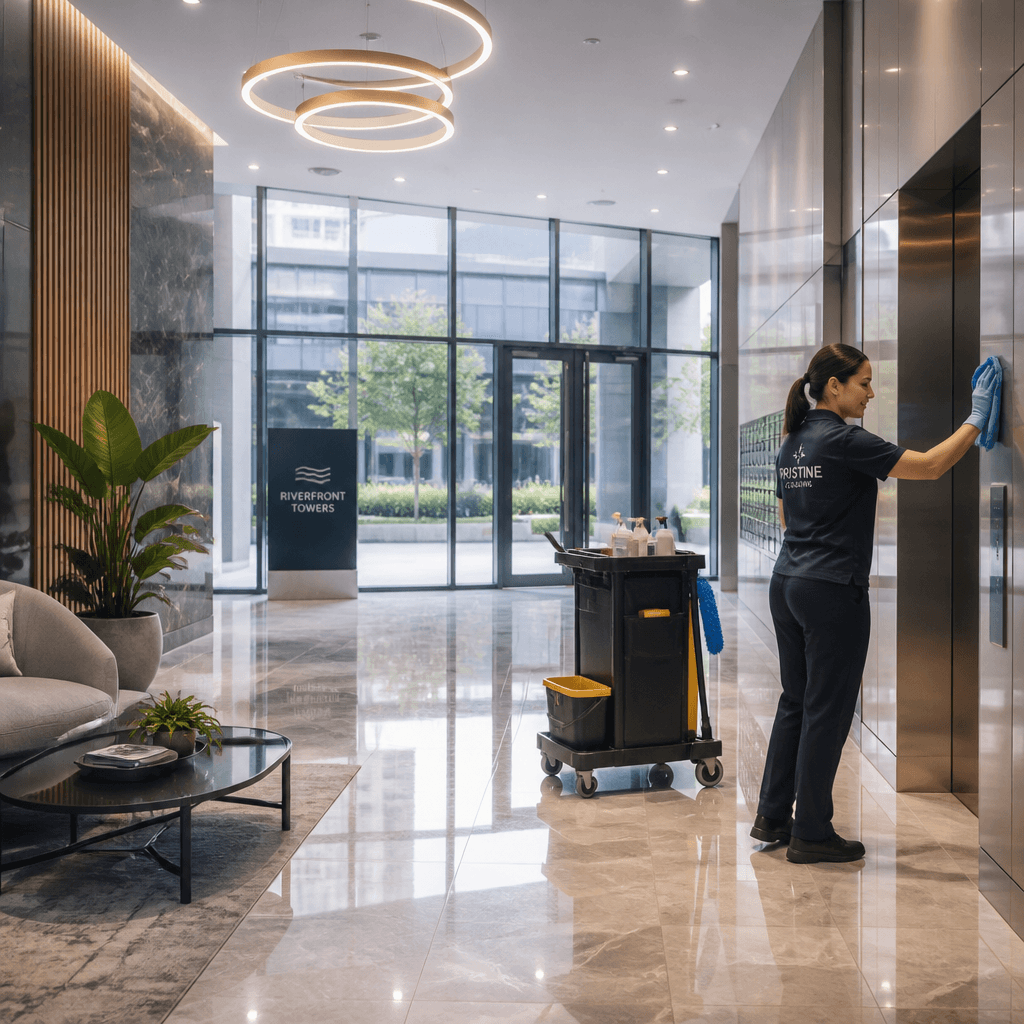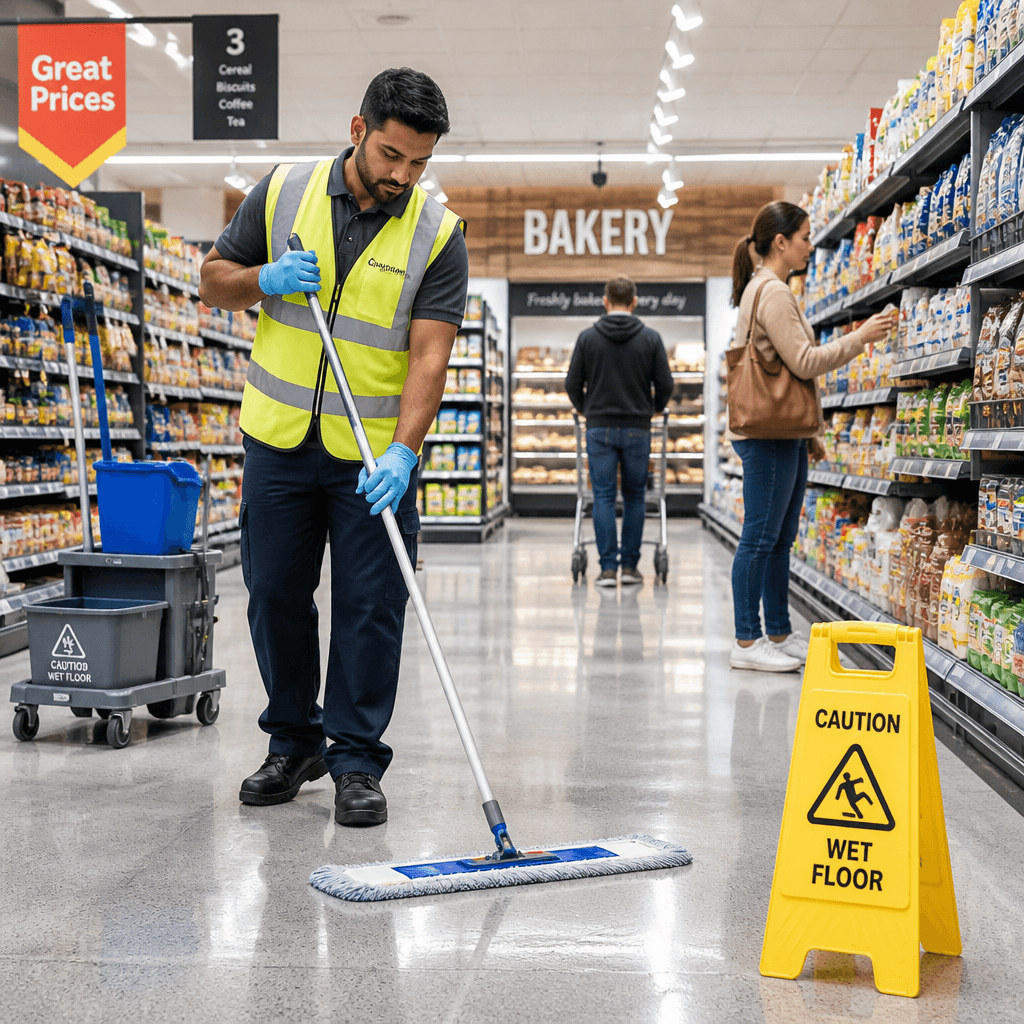

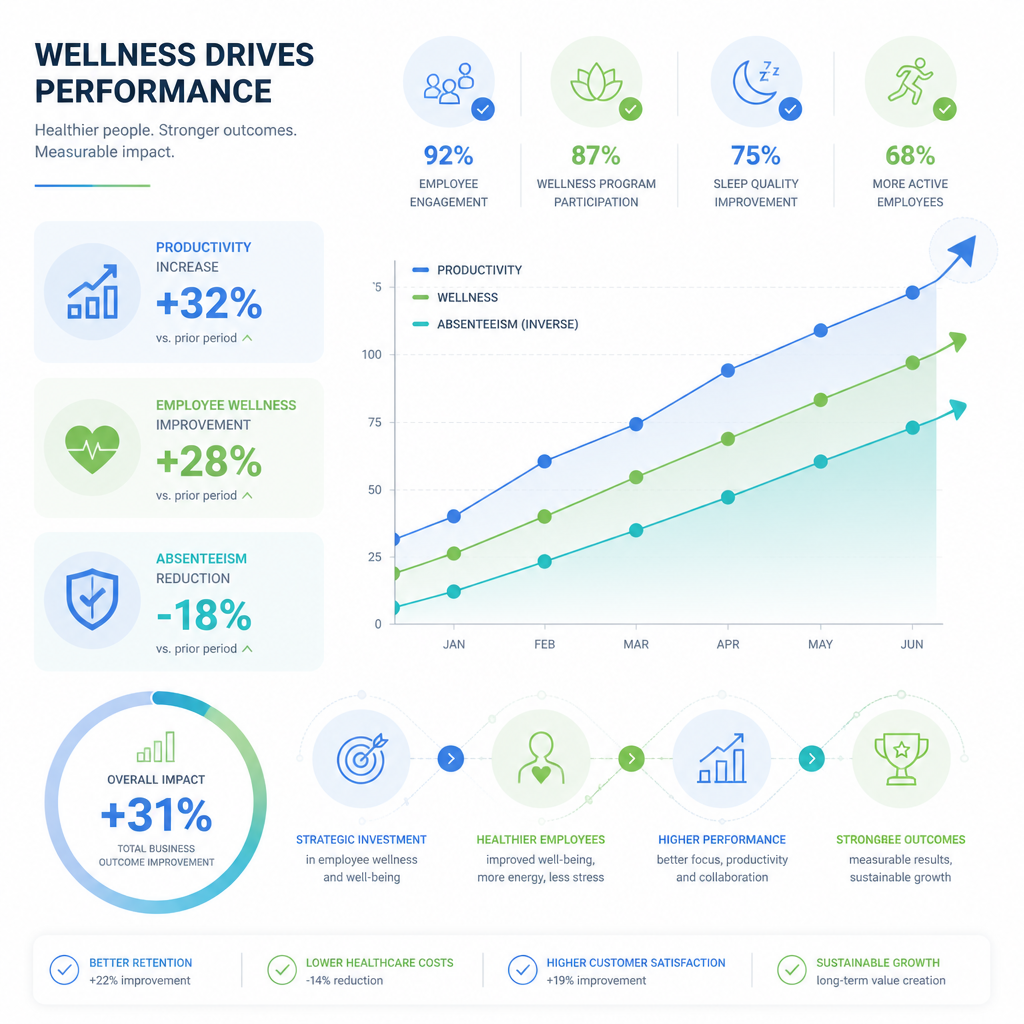
Think about the last time your Melbourne office had a stomach bug tear through the team. Within days, desks sat empty, deadlines shifted, and the pressure on whoever remained doubled. That is not bad luck – it is a predictable outcome of poor workplace hygiene, and it is entirely preventable. Office cleaning productivity is not a soft, feel-good metric. It is a measurable business outcome tied directly to how often your staff get sick, how well they concentrate, and how much they actually deliver each week. For commercial property managers and business owners across Melbourne, getting this right is one of the highest-return investments you can make in your workforce.
Table of Contents
- Quick Takeaways
- Why Office Cleanliness Directly Drives Productivity
- The Real Cost of Poor Workplace Hygiene in Melbourne
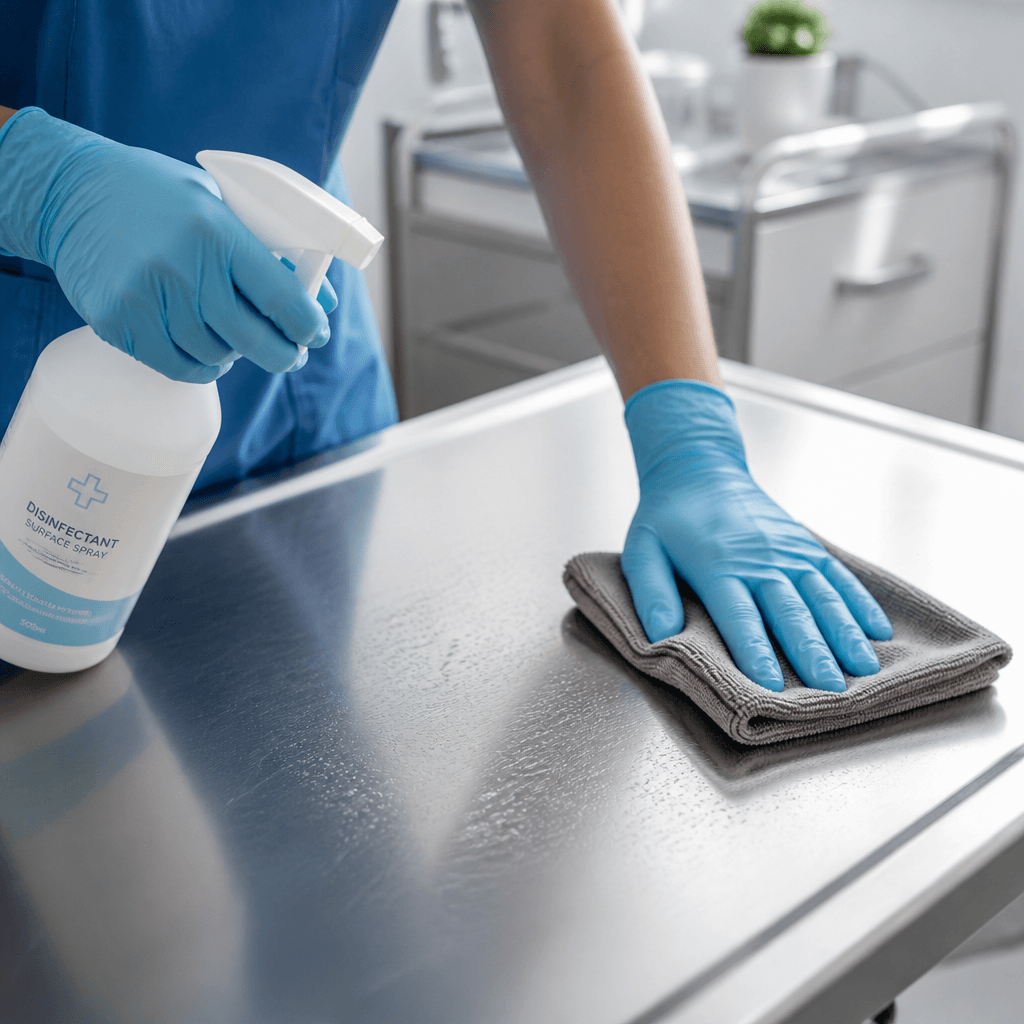
- High-Touch Surfaces: The Hidden Threat in Every Office
- Cleaning Frequency vs. Cleaning Depth: What Actually Matters
- How Air Quality and Clutter Affect Cognitive Performance
- What a Professional Cleaning Schedule Looks Like for Melbourne Offices
- Frequently Asked Questions
- References
Quick Takeaways
| Key Insight | Explanation |
|---|---|
| Clean offices reduce illness-related absences | Regular disinfection of shared surfaces limits the spread of bacteria and viruses, keeping more of your Melbourne team in their seats and working. |
| Clutter increases cognitive load | A disorganised workspace forces employees to process background disorder, consuming mental energy that should go toward their actual tasks. |
| Air quality is a hidden productivity factor | Dust buildup and poor ventilation contribute to respiratory irritation and fatigue, both of which erode concentration and output over time. |
| High-touch zones need daily attention, not weekly | Desks, keyboards, door handles, and shared equipment harbour the most germs and need disinfection far more frequently than most in-house cleaning schedules provide. |
| Employee morale responds to environment quality | A consistently clean office signals to staff that their well-being is valued, which lifts motivation and reduces the likelihood of presenteeism. |
| Professional cleaning delivers consistency that ad-hoc cleaning cannot | In-house or reactive cleaning misses high-risk zones regularly. A structured commercial cleaning program removes that inconsistency. |
| Specialist environments require specialist protocols | Melbourne offices in medical, childcare, or aged-care-adjacent settings need cleaning standards far beyond standard commercial sweeps. |
Why Office Cleanliness Directly Drives Productivity
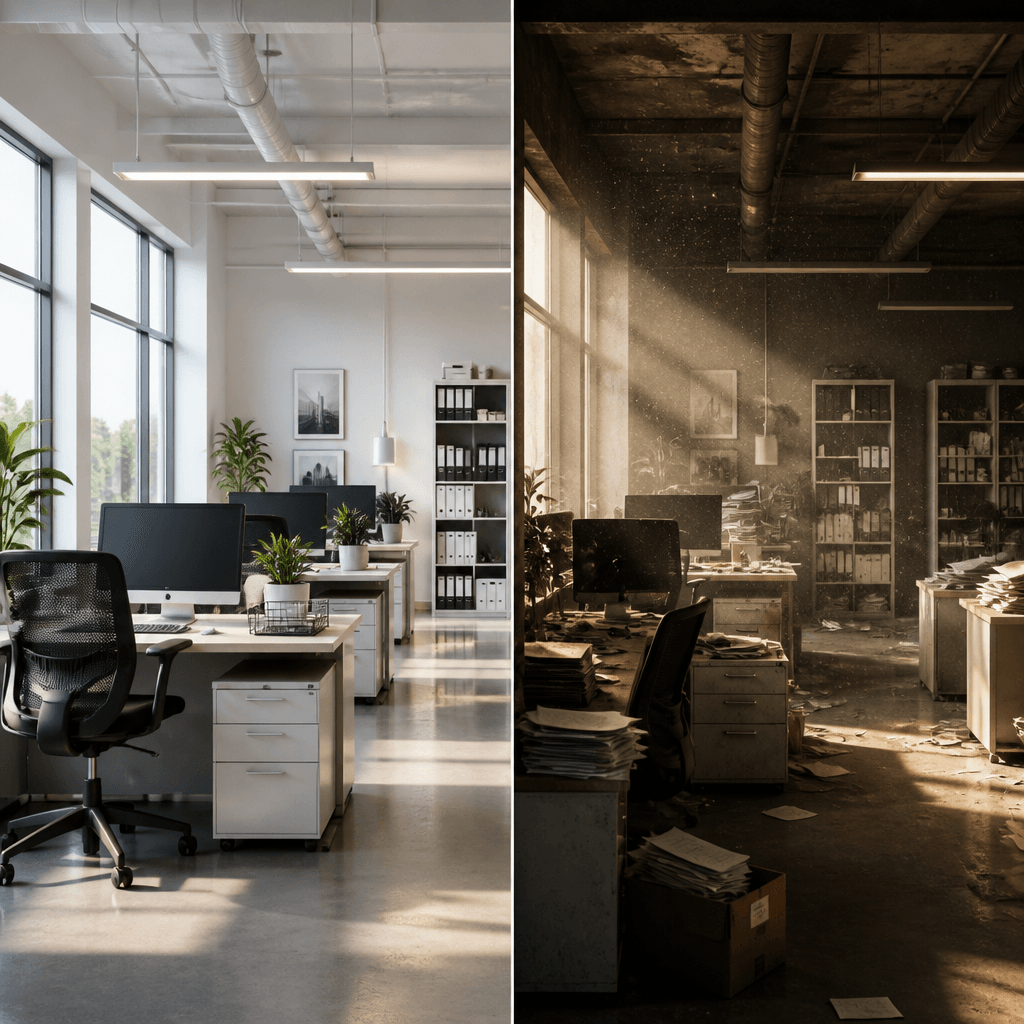
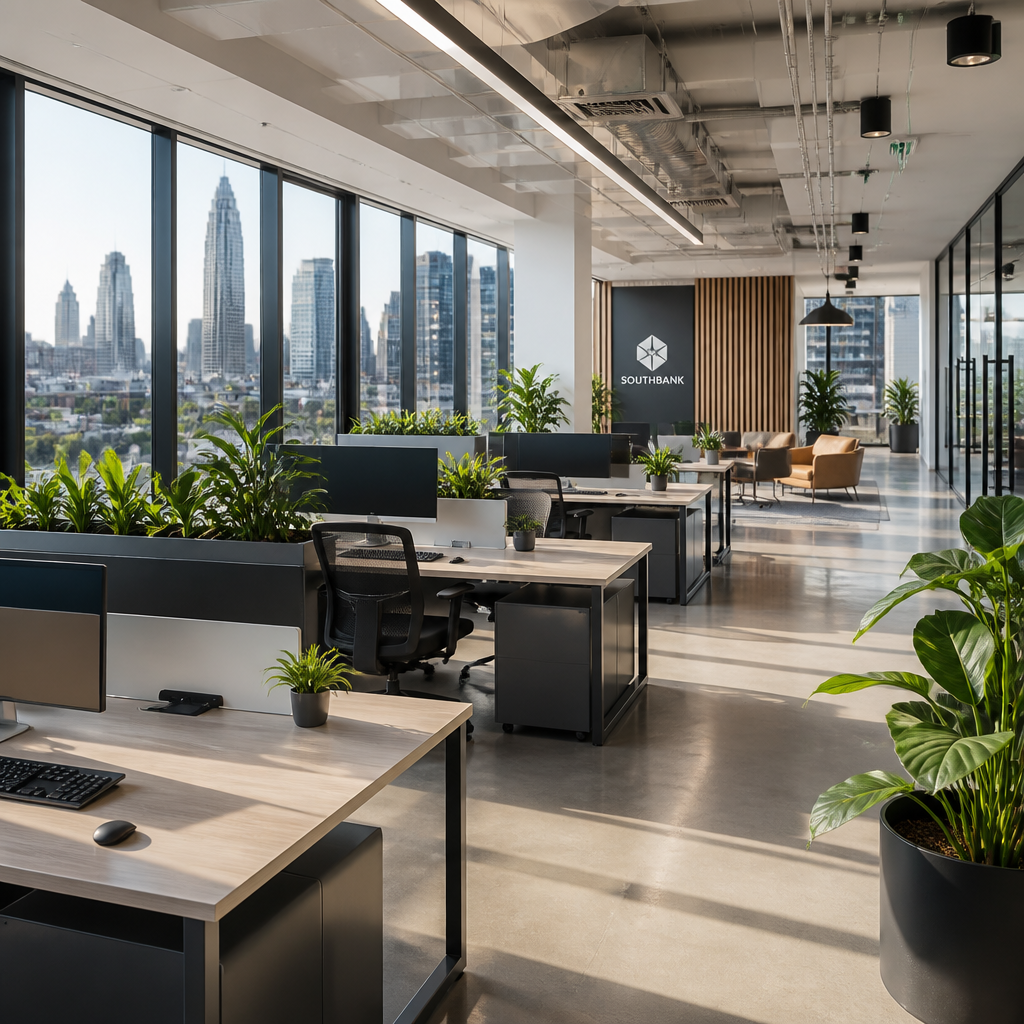
The connection between a clean workspace and employee output is well-supported and straightforward. When the environment around a person is orderly and hygienic, their brain is not constantly processing background disorder. That freed-up mental bandwidth goes directly into the work. Research consistently points to the fact that employees in clutter-free, clean environments concentrate more effectively, make fewer errors, and complete tasks faster than those working in visually chaotic or unhygienic spaces.
There is also a psychological component that is easy to overlook. A clean office communicates care – both from the employer toward the team and from the business toward its clients. Melbourne businesses that host clients on-site know this intuitively: a grimy reception area or a bathroom that hasn’t been properly cleaned costs trust before a single word is spoken. The internal effect on staff is just as real. People work better in environments that feel professional and cared-for.
A clean environment reduces cognitive load, allowing employees to channel their energy into their work instead of the surrounding chaos. Clutter-free spaces are not a luxury – they are a prerequisite for focused, high-quality output.
For commercial property managers overseeing multiple Melbourne tenancies, this matters at scale. A building where tenants consistently report poor cleaning is a building with higher turnover, more complaints, and weaker lease renewals. Office cleaning productivity is not just an HR consideration. It is a property asset management consideration too.
The Real Cost of Poor Workplace Hygiene in Melbourne
Absenteeism is the most obvious cost, but it is far from the only one. When employees come to work sick because they feel they cannot afford to stay home, you get presenteeism – people physically present but mentally and physically depleted. Presenteeism is arguably more damaging than absenteeism because it is invisible and harder to manage. A clean workplace that actively reduces the spread of illness cuts both problems simultaneously.
Sick Days Are Preventable, Not Inevitable
The common assumption in many Melbourne offices is that a round of winter colds is just something everyone has to push through. That assumption is wrong, and it is expensive. When shared surfaces, breakroom equipment, and bathrooms are not regularly disinfected, germs circulate through a team quickly. Regular sanitation of these areas is a proven mechanism for reducing how often illness spreads from one person to the whole team.
The downstream cost of a single employee’s sick week includes lost output, the cost of covering their work, missed client commitments, and in some cases, the spread of that illness to colleagues who then also fall sick. Multiply that across a team of 20 people over a Melbourne winter and the cost to the business is substantial. The investment in professional commercial cleaning is negligible by comparison.
The Morale Effect Is Underrated
Employees notice when their workplace is poorly maintained. A bathroom that is cleaned properly once a week instead of daily, a kitchen with build-up around the sink, carpets that look grey rather than their original colour – these details accumulate into a message: this business does not care about the people who work here. That message damages morale quietly but persistently.
Workplace hygiene Melbourne standards have risen alongside tenant and employee expectations. Businesses that treat cleaning as a box-ticking exercise rather than a genuine operational priority are increasingly finding it affects their ability to attract and retain staff who have options about where they work.
Pro tip: If your office cleaning is currently handled by a single part-time cleaner or rotated between staff, audit what is actually being cleaned and how often. In practice, high-touch zones like keyboards, elevator buttons, and shared printers are almost always missed entirely.
High-Touch Surfaces: The Hidden Threat in Every Office
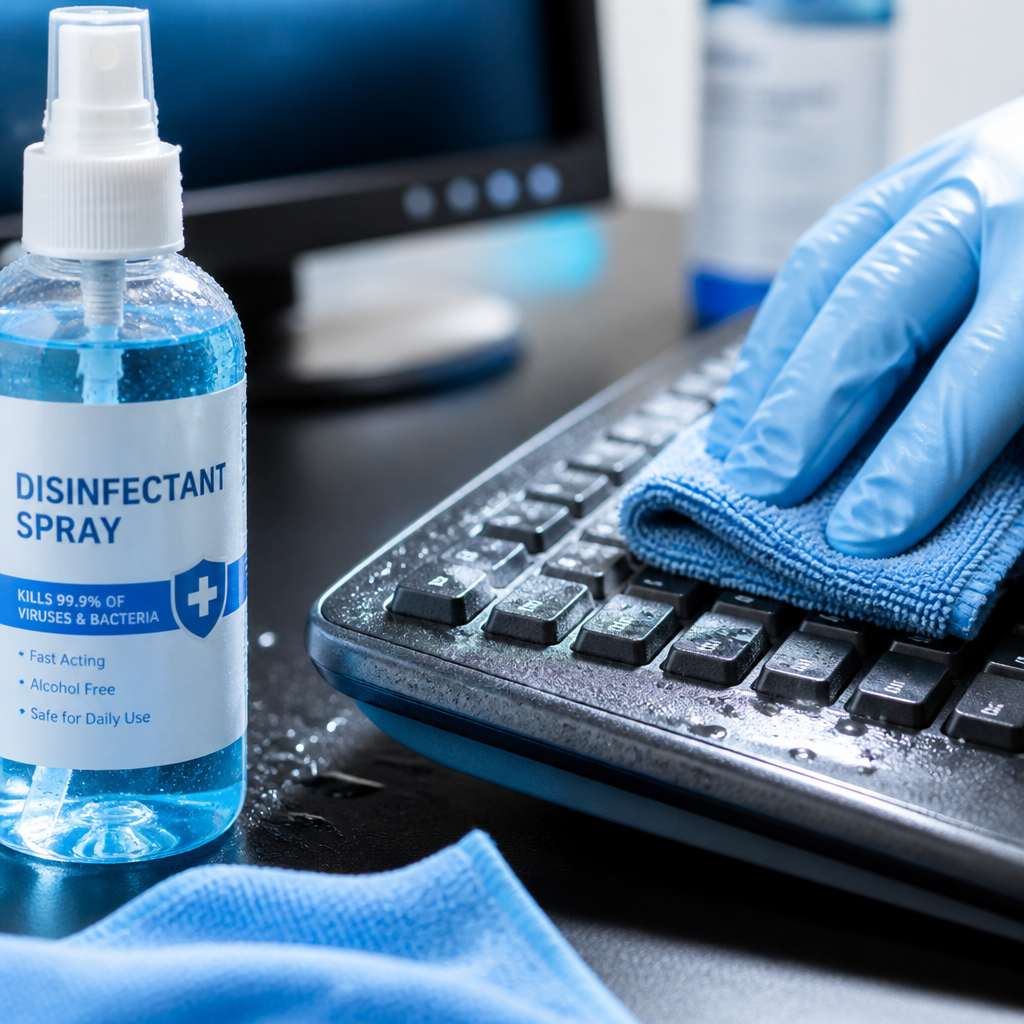
Most people think of bathrooms as the primary hygiene risk in an office. Bathrooms are important, but they are not where most transmission of illness actually happens. The real hotspots are the surfaces people touch constantly and mindlessly: keyboards, mice, desk surfaces, door handles, light switches, elevator buttons, shared phones, and kitchen equipment like kettle handles and fridge doors.
These surfaces are touched by multiple people throughout the day and are almost never cleaned between uses. In a Melbourne office of 30 people, a single infected person touching the communal coffee machine handle in the morning can expose every single colleague who makes a drink that day. That is not hypothetical – it is how respiratory and gastrointestinal illnesses actually spread in office settings.
What Needs Daily Disinfection vs. Weekly Deep Cleaning
Not everything needs the same treatment on the same schedule. A practical breakdown looks like this: high-touch surfaces need disinfection daily; workstation areas including desks, monitors, and chair arms need thorough cleaning at least twice a week; floors, common areas, and kitchens need daily attention; glass surfaces and windows can be managed weekly; and deep-clean tasks like carpet cleaning, tile and grout restoration, and window washing should be scheduled quarterly or as needed.
A common mistake is treating all cleaning tasks as equal and bundling them into a single weekly session. That approach leaves the highest-risk surfaces dirty for six days out of seven. Professional commercial cleaners who understand office environments structure their schedules around risk zones, not just visible dirt.
Pro tip: When briefing a cleaning provider for your Melbourne office, explicitly ask how they handle high-touch surface disinfection as a separate task from general tidying. If they cannot give you a specific answer, that is a red flag about their methodology.
Cleaning Frequency vs. Cleaning Depth: What Actually Matters
There is a persistent debate among Melbourne business owners about whether to clean more often or to invest in less frequent but more thorough deep cleans. The honest answer is that you need both, and they serve different functions. Frequency handles the daily hygiene load that prevents illness from spreading. Depth handles the accumulated grime, allergens, and surface degradation that frequency alone cannot address.
| Cleaning Approach | Best For | Key Limitation |
|---|---|---|
| Daily routine commercial cleaning | Preventing illness spread, maintaining visual cleanliness, keeping high-touch surfaces hygienic | Does not address deep-set grime, carpet fibres, grout lines, or window build-up |
| Periodic deep cleaning (monthly or quarterly) | Carpet restoration, tile and grout cleaning, high-pressure cleaning, window washing, full kitchen deep clean | Too infrequent to prevent daily illness transmission or maintain baseline hygiene |
| Specialist environment cleaning (medical, childcare, aged care) | Meeting regulated hygiene standards, using appropriate disinfectants, protecting vulnerable populations | Requires trained staff and specific products – cannot be substituted with general commercial cleaning |
The most effective programs for Melbourne offices combine all three tiers. A good commercial cleaning partner will help you map which tasks belong at which frequency based on your office size, layout, foot traffic, and the nature of your business. A childcare centre adjacent to an office building has radically different needs from a standard corporate floor, and the cleaning program needs to reflect that.
For businesses in Melbourne’s CBD or inner suburbs with high foot traffic, daily cleaning is non-negotiable. For smaller suburban offices with fewer than 10 staff, a well-structured three-times-per-week schedule with daily spot checks on high-touch areas can work effectively, provided the scope is clearly defined and adhered to.
How Air Quality and Clutter Affect Cognitive Performance
Most Melbourne office managers focus cleaning discussions on surfaces and visible dirt. Air quality is the factor that gets the least attention and causes some of the most consistent, low-grade productivity drag. Dust that accumulates in carpets, on ceiling vents, and around workstations becomes airborne through daily movement and air circulation. Staff breathe it in all day. The result is not dramatic illness but a persistent dullness – itchy eyes, mild headaches, afternoon fatigue – that compounds across weeks and months into genuinely reduced output.
Commercial cleaning benefits extend well beyond visible cleanliness. A thorough cleaning program that includes vacuuming with HEPA-equipped equipment, cleaning of air vents, and regular attention to soft furnishings actively improves the air quality in the space. In Melbourne, where seasonal allergens add to indoor air quality challenges, this matters more than many business owners realise.
Clutter and Mental Load
Clutter is not just an aesthetic problem. A workspace where papers, equipment, cables, and supplies have no defined place creates constant low-level mental noise for the people working in it. The brain involuntarily registers disorder and spends processing capacity responding to it, even when the person consciously thinks they are ignoring it. A clean, organised environment removes that friction entirely.
This is where commercial cleaning services and internal organisational habits intersect. Professional cleaners maintain the physical cleanliness of surfaces and floors, but businesses that also create clear desk policies and storage systems for their teams compound the benefit. The two approaches together produce a meaningfully better working environment than either one alone.
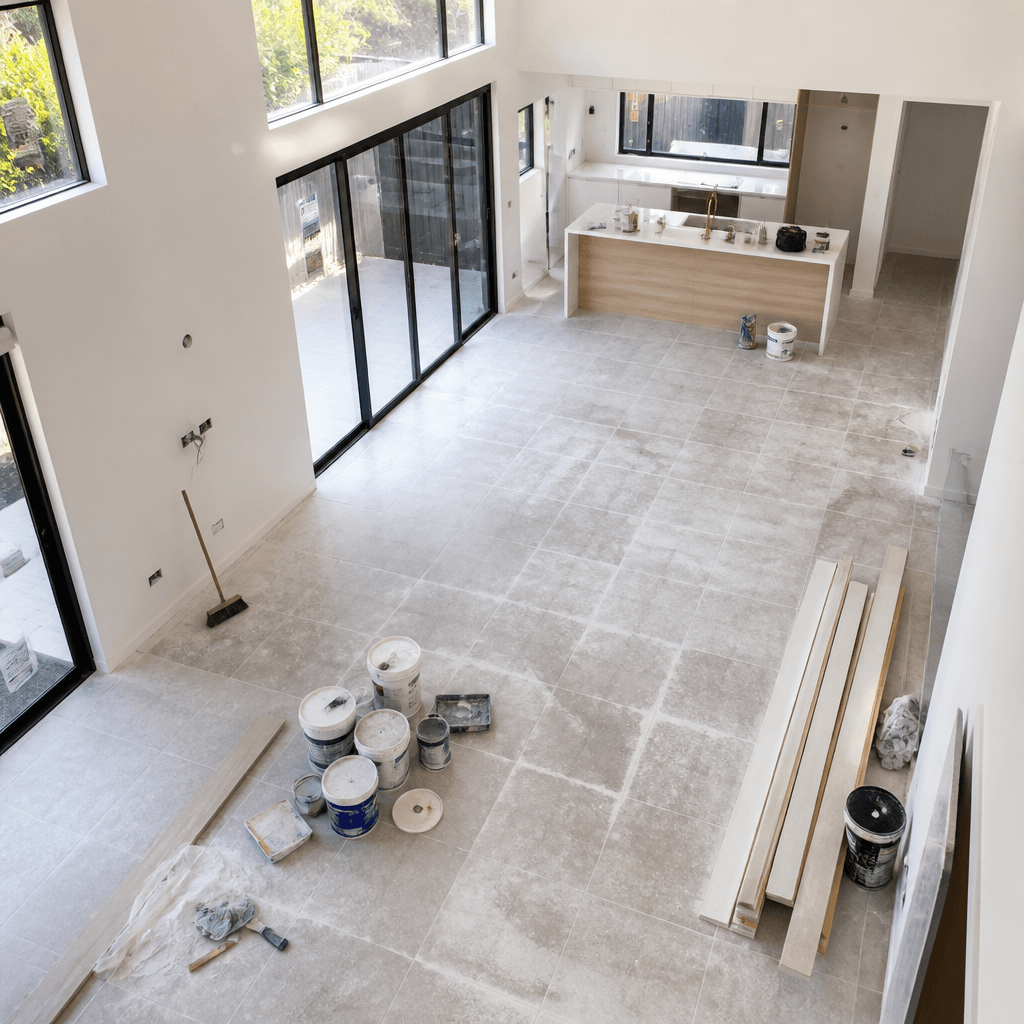
For Melbourne offices undergoing fitouts or relocating, builder’s cleaning services are an important step before staff move in. Dust, construction debris, and residues from new materials can linger for weeks after a build and contribute directly to poor air quality and respiratory irritation from day one if not properly addressed.
What a Professional Cleaning Schedule Looks Like for Melbourne Offices
A professional cleaning schedule for a Melbourne office is not a generic checklist printed off the internet. It is a document built around the specific layout, foot traffic patterns, surface types, and risk profile of that particular workplace. Here is what a well-designed program covers in practice.
Daily Tasks
Emptying bins, wiping down kitchen benchtops and appliances, cleaning and sanitising bathrooms, disinfecting high-touch surfaces throughout the office, vacuuming or mopping hard floors, and spot-cleaning glass partitions and entry doors. These tasks take between 45 minutes and 2 hours depending on office size and must happen every business day without exception.
Weekly Tasks
Full desk and workstation wipe-downs, thorough kitchen clean including inside microwaves and around sink seals, bathroom deep clean including grout and fixtures, window sill and skirting board dust, and vacuuming under furniture. These tasks address the accumulation that daily cleaning does not reach and take a dedicated block of time to complete properly.
Periodic Deep Cleaning
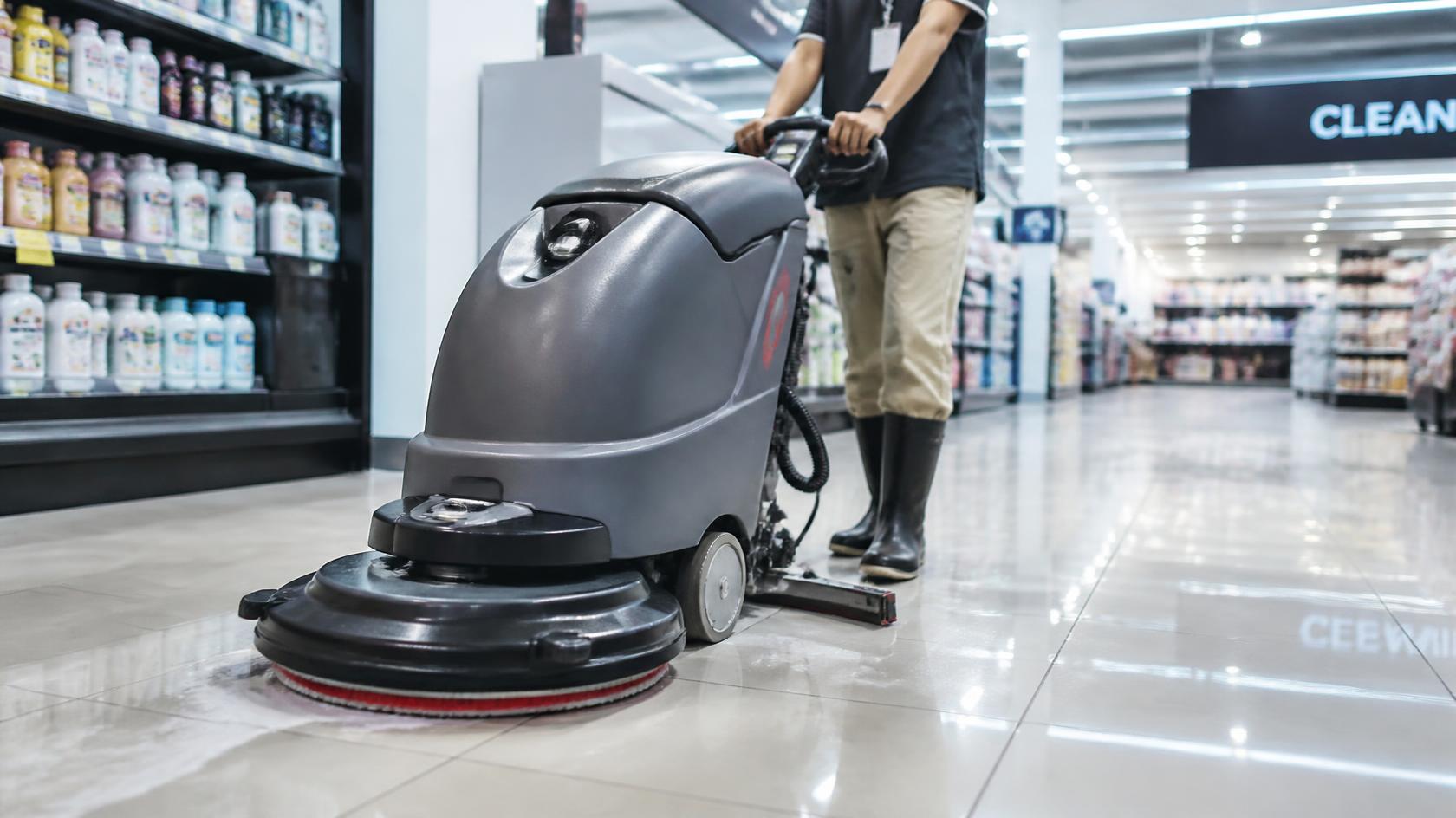
Carpet steam cleaning or extraction, tile and grout restoration in kitchens and bathrooms, high-pressure cleaning of external areas and car parks, window cleaning for multi-storey buildings, and a full audit of areas that are typically overlooked such as storage rooms, server rooms, and stairwells. For Melbourne’s commercial and industrial properties, external high-pressure cleaning of loading docks and hardstand areas also belongs in this tier.
Businesses in specialised sectors need an additional layer. Medical facility cleaning, childcare centre cleaning, and aged care cleaning each require specific disinfectants, application methods, and compliance awareness that a standard commercial clean does not provide. Getting this wrong in a regulated environment is not just a quality issue – it is a liability issue.
If your Melbourne business is evaluating cleaning providers, look for one that offers a written scope of works tailored to your premises rather than a standard package. Providers who can explain their methodology for high-touch surface disinfection, who carry public liability insurance, and who have verifiable experience in your sector are worth paying a premium for. The difference in outcomes between a capable professional and a low-cost generalist is significant and shows up quickly in your team’s sick day records and in client feedback on your premises.
Pro tip: Ask your cleaning provider to supply a monthly log of tasks completed, including the products and concentrations used for disinfection. This creates accountability, helps you identify gaps, and is increasingly required by compliance frameworks in sectors like childcare and healthcare.
For Melbourne businesses ready to move from reactive to proactive cleaning, Vibrant Property Services’ commercial cleaning programs are built around exactly this kind of structured, sector-aware approach across Melbourne and surrounding suburbs. Their office cleaning services are tailored to the specific needs of each client rather than delivered from a one-size-fits-all template.
Frequently Asked Questions
How often should a Melbourne office be professionally cleaned?
For most Melbourne offices with more than 10 staff, daily professional cleaning of bathrooms, kitchens, and high-touch surfaces is the minimum standard. Smaller offices with lower foot traffic can manage with three to five sessions per week provided high-touch zones are addressed every business day. Weekly or fortnightly cleaning is rarely sufficient to prevent illness transmission in a shared workspace.
What areas in an office are most likely to spread illness?
High-touch shared surfaces are the primary transmission points: keyboards, mice, desk phones, door handles, light switches, elevator buttons, kitchen appliance handles (kettle, fridge, microwave), and bathroom fixtures. These surfaces are touched repeatedly throughout the day and carry far more bacterial and viral load than bathroom floors or general floor areas, which most people assume are the biggest risk.
Is professional office cleaning worth the cost for a small Melbourne business?
Yes, and the calculation is straightforward. A single employee sick day costs a business in lost output, potential overtime, and covered work. A single illness that spreads to three or four colleagues in one week multiplies that cost significantly. Professional cleaning that prevents even one such outbreak per quarter almost always covers its own cost. For small businesses where every team member is critical, the operational risk of poor hygiene is disproportionately high.
What is the difference between general commercial cleaning and specialist cleaning for medical or childcare environments?
Specialist environments require specific disinfectants rated for pathogens of concern in that setting, trained staff who understand compliance requirements, and documented cleaning protocols that can be audited. In a childcare centre, for example, surfaces that children touch need disinfectants that are effective against common childhood pathogens but also safe for use around young children. General commercial cleaning does not meet this standard and should not be used as a substitute in regulated environments.
How do I know if my current office cleaning provider is doing a good job?
The most reliable indicators are: a written scope of works that defines exactly what is cleaned at what frequency, a task completion log, the ability to name specific disinfectants and their application methods, responsiveness when you raise a missed task, and the practical test of running a cloth over high-touch surfaces between visits. If the cloth comes back visibly dirty, daily disinfection is not being done properly. Staff feedback is also a useful signal – people notice when their environment is genuinely clean versus superficially tidy.
Can a clean office actually reduce staff turnover?
Indirectly, yes. Workplace environment quality is one of the factors employees consider when deciding whether to stay in a role, particularly when the labour market gives them alternatives. A consistently dirty or poorly maintained office sends a clear signal about how much the business values its staff. While cleaning alone will not retain people who are leaving for other reasons, a well-maintained workplace removes a friction point that can be the final push for someone already considering their options.
Have you noticed a difference in your team’s health or output after changing your office cleaning routine? Share what worked for your Melbourne workplace in the comments – real-world experience from property managers and business owners is genuinely useful to others navigating the same decisions.
References
- Research overview on how office hygiene affects employee focus, stress levels, and workplace productivity
- Practical breakdown of how regular office cleaning reduces illness and improves employee health outcomes
- Analysis of how consistent sanitation practices reduce absenteeism and create a more productive office environment