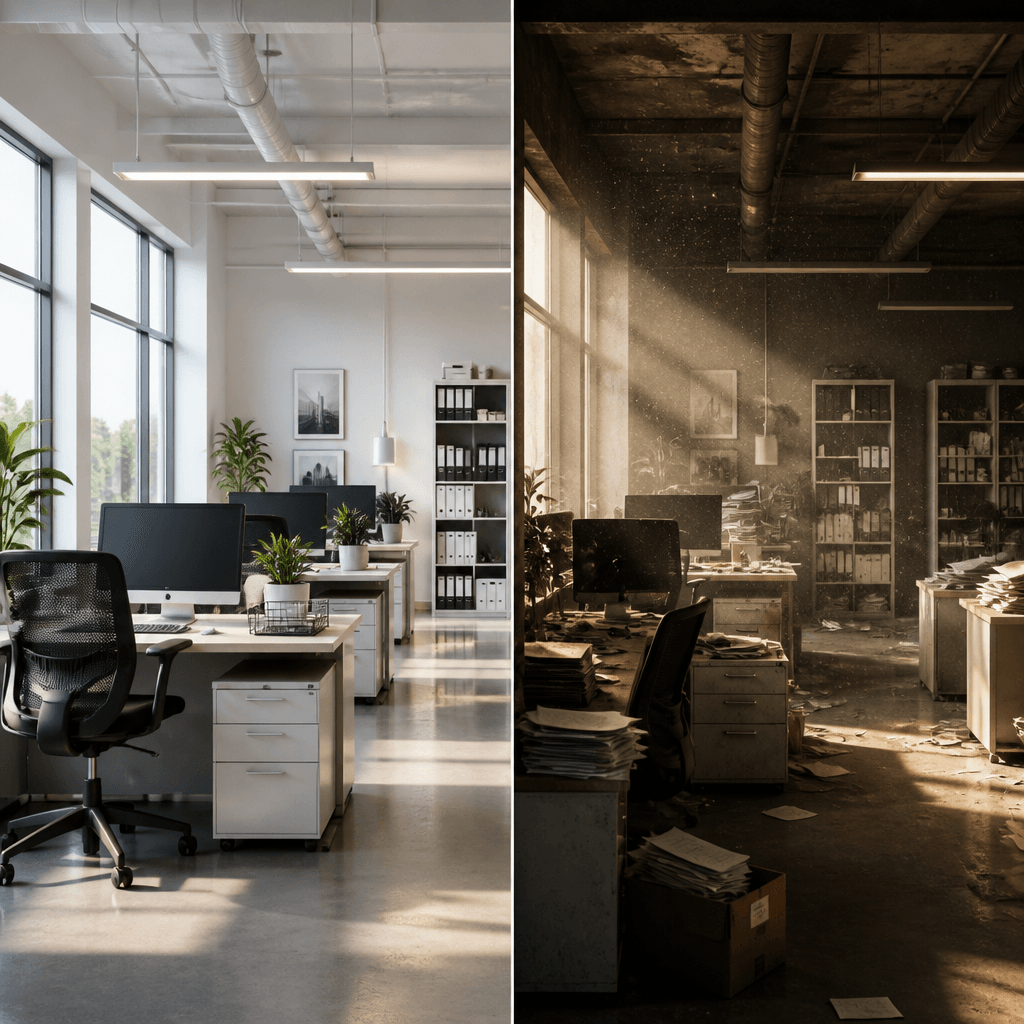

Most Melbourne office managers think their workspace is clean because it gets vacuumed and wiped down regularly. It is not. Routine cleaning handles the visible surface layer. Everything underneath, behind, and inside, the carpet fibres, the air vents, the grout lines in the bathroom, the back of the break room fridge, quietly accumulates grime, bacteria, and allergens until your office becomes a health liability. If you manage a commercial property and cannot remember the last time your space had a proper office deep cleaning in Melbourne, that answer alone is a warning sign. This guide gives you the specific signals to watch for, and what to do about each one.
Table of Contents
- Quick Takeaways
- The Visible Signs You Cannot Ignore
- The Smell Test: What Your Nose Is Telling You
- Staff Health and Sick Days: The Human Cost of a Dirty Office
- High-Risk Zones That Routine Cleaning Misses
- Comparing Cleaning Approaches: Routine vs Deep vs Specialist
- How Often Melbourne Offices Actually Need a Deep Clean
- Office Cleaning Tips to Extend the Time Between Deep Cleans
- Frequently Asked Questions
- References
Quick Takeaways
Key Insight | Explanation |
|---|---|
Dust resettling within days signals HVAC buildup | If surfaces look dusty again within 48 hours of cleaning, the problem is inside your vents, not on the desk. A surface wipe does nothing here. |
Vacuumed carpets can still be filthy | Vacuuming lifts surface debris only. Embedded allergens, bacteria, and deep stains require professional hot-water extraction or steam cleaning to remove properly. |
Persistent odours point to sources routine cleaning cannot reach | Smells that survive a regular clean come from carpet backing, upholstery foam, air ducts, or appliance interiors. Deodorisers mask the problem; a deep clean removes it. |
Rising staff sick days are a cleaning KPI | Bacteria and allergen buildup on shared surfaces and in the air supply directly impacts employee health. An uptick in absenteeism is a measurable consequence of deferred deep cleaning. |
Grimy bathrooms after daily cleaning indicate deep-set bacteria | If restrooms still smell after routine cleaning, bacteria has settled into grout, under fittings, and behind fixtures. Only commercial-grade deep cleaning products and method resolve this. |
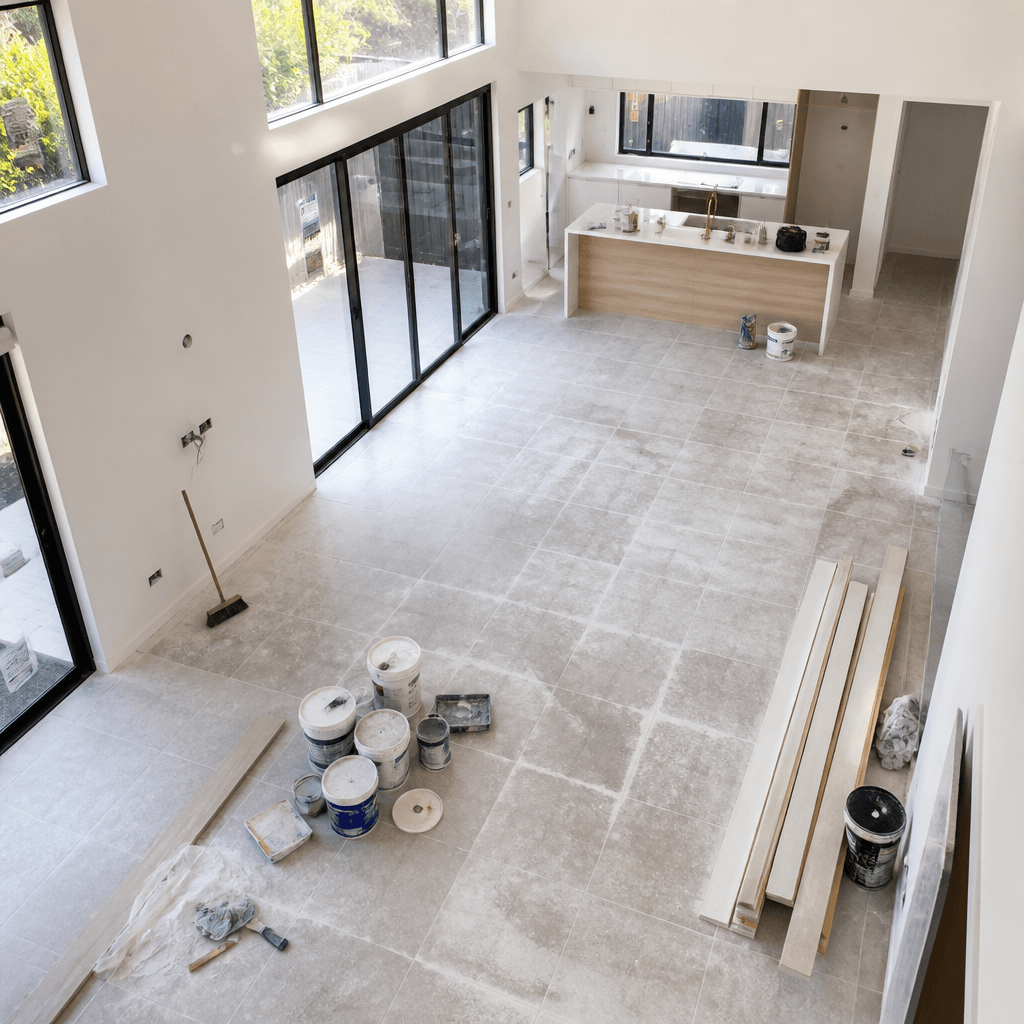
Post-renovation dust requires specialist attention | Construction dust particles are fine enough to penetrate upholstery, vents, and electrical fittings. A standard clean after building works is insufficient and potentially hazardous. |
Six months is the maximum gap for most commercial offices | High foot-traffic environments such as childcare centres, medical facilities, and hospitality venues need deep cleaning every quarter. Standard offices should never exceed six months between cycles. |
The Visible Signs You Cannot Ignore
The clearest commercial cleaning signs are the ones hiding in plain sight, except most people stop noticing them after a while. That is the problem with gradual dirt buildup. It becomes part of the furniture.
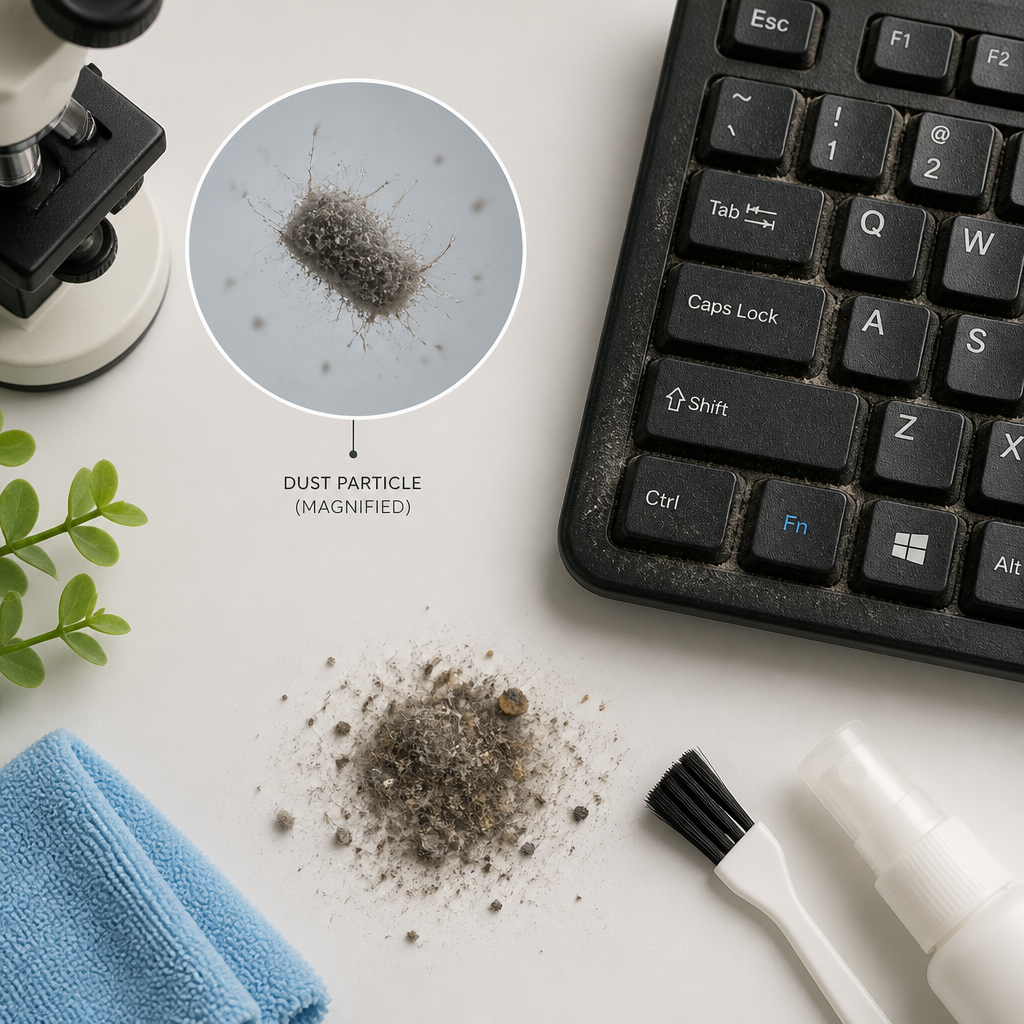
Walk through your office right now with fresh eyes and look behind monitors, under desks, on top of shelving units, and along skirting boards. A thick layer of dust and grime in those spots means your current cleaning routine is missing them entirely, not cutting corners, genuinely not reaching those areas at all.
Carpets That Look Tired No Matter What
Stained, flattened, or discoloured carpet that no longer responds to vacuuming is one of the most reliable commercial cleaning signs in any Melbourne office. Vacuuming removes surface debris, nothing more. Embedded dirt, drink spills, allergens, and bacteria live deep in the carpet fibres and require professional hot-water extraction to shift.
In practice, high-traffic areas near entry points, corridors, and kitchen zones deteriorate fastest. If those sections look visually different to lower-traffic areas, the carpet has moved beyond what any vacuum can address.
Pro tip: When assessing carpet condition, press a white cloth onto a high-traffic section after vacuuming. If the cloth picks up visible residue, the carpet needs a professional deep clean, not another pass with the vacuum.
Dust Resettling Within 48 Hours
If your cleaning team dusts on Monday and surfaces look dusty again by Wednesday, the issue is not how often surfaces are being wiped. It is the source: dirty HVAC filters and contaminated air ducts circulating particulates back into the room. Addressing the symptom without addressing the source is a losing cycle.
Visible Grime in Grout and Tile Surfaces
Bathroom and kitchen tile grout darkens over time as bacteria, mould, and mineral deposits accumulate. If grout lines in your office bathrooms or kitchen are noticeably darker than the tile itself, daily cleaning products are not strong enough to reverse it. This requires specialist tile and grout restoration, which Vibrant Property Services handles as a dedicated service for exactly this reason.
The Smell Test: What Your Nose Is Telling You
A clean office should smell neutral. Not like air freshener, not like disinfectant, and certainly not like something you cannot quite identify but cannot ignore either. Persistent odours that survive regular cleaning are one of the most telling commercial cleaning signs that a deep clean is overdue.
The sources are predictable: carpet backing and upholstery that has absorbed spills, air vents distributing stale particulates, break room appliances that have not been cleaned inside, and bathroom grout harbouring bacteria at a level daily products cannot touch. Each of these requires targeted treatment, not a general spray-and-wipe.
A deep clean is not a replacement for daily cleaning. It is what makes daily cleaning actually effective over time.
When Restroom Odour Persists After Daily Cleaning
This is a specific scenario that property managers in Melbourne frequently raise. The bathroom gets cleaned every day, yet the smell returns within hours. The explanation is straightforward: bacteria has embedded itself in grout, under the base of toilet fittings, and behind fixtures where daily cleaning products and cloths physically cannot reach. Commercial-grade deep cleaning with appropriate dwell times and extraction is the only solution.
For aged care facilities, medical environments, and childcare centres managed across Melbourne, this is not just a comfort issue. It is a compliance and infection control issue that demands a higher standard of cleaning response than routine maintenance provides.
Staff Health and Sick Days: The Human Cost of a Dirty Office
If your team is calling in sick more than usual, particularly with respiratory complaints, colds, or gastrointestinal issues, your office environment deserves scrutiny before you blame the weather. Shared surfaces, contaminated air supply, and bacteria-dense kitchen areas all contribute to elevated illness rates in workplaces where deep cleaning has been deferred.
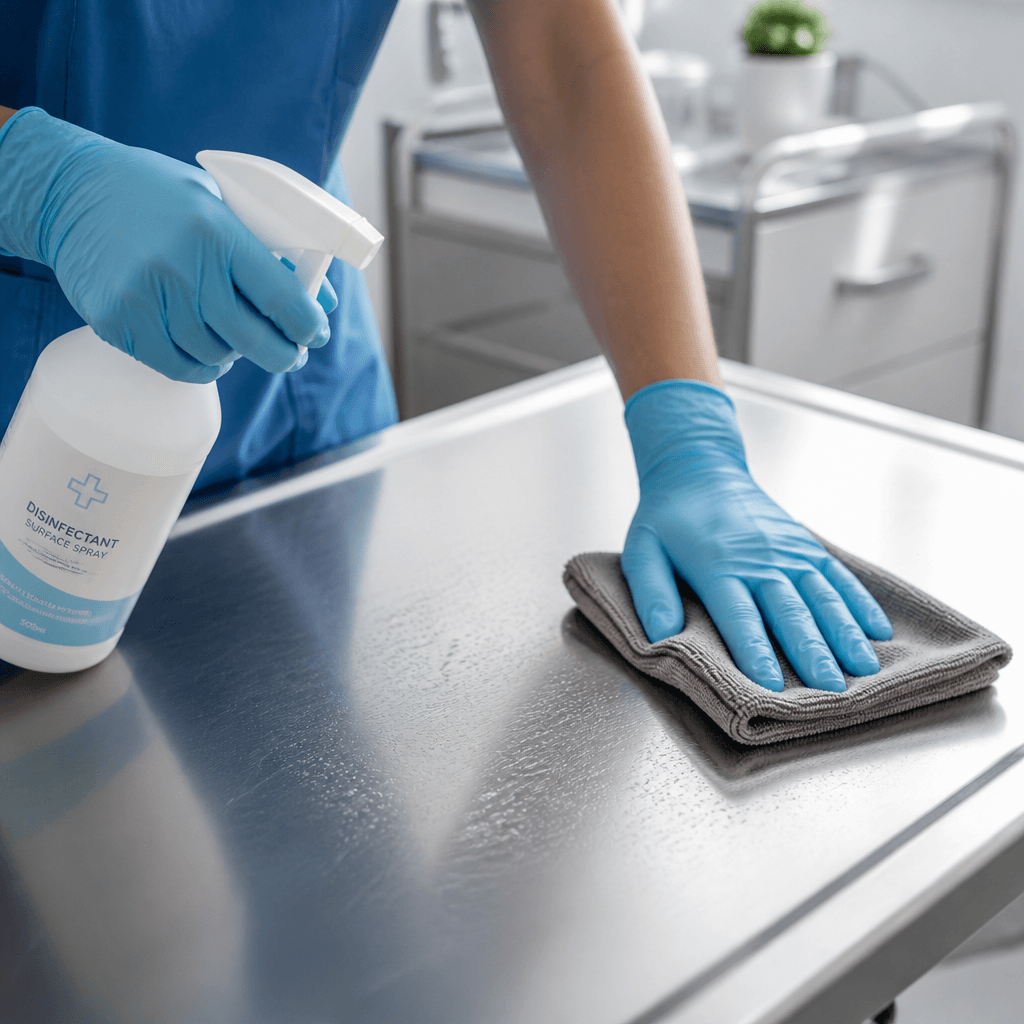
High-touch surfaces including keyboards, door handles, lift buttons, communal kitchen appliances, and meeting room equipment accumulate pathogen loads well beyond what daily wiping with standard products addresses. This is especially relevant for office environments with open floor plans, shared hot-desking arrangements, or high visitor throughput.
The Break Room Is the Worst Offender
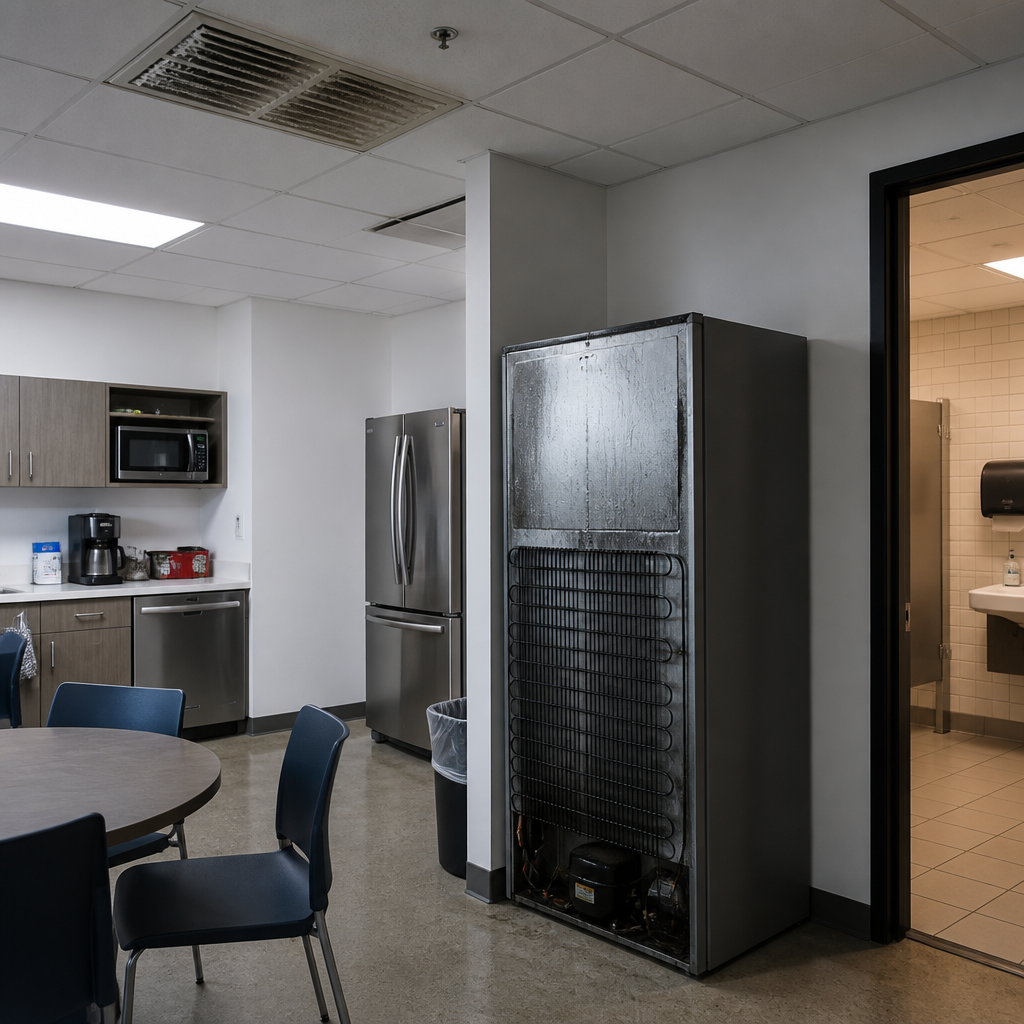
The office kitchen consistently ranks among the most bacteria-dense areas in any workplace. Refrigerator seals, sink overflow drains, the underside of benchtops, microwave interiors, and coffee machine drip trays all harbour bacteria that daily cleaning routines rarely reach systematically. If your break room appliances have not been thoroughly cleaned inside and behind in the past six months, they are a genuine health risk, not just an aesthetic one.
Pro tip: Assign a specific monthly task list for break room deep cleaning separate from daily cleaning duties. If it is not explicitly assigned and documented, it will not happen consistently, and a professional deep clean is the only reliable way to reset the baseline.
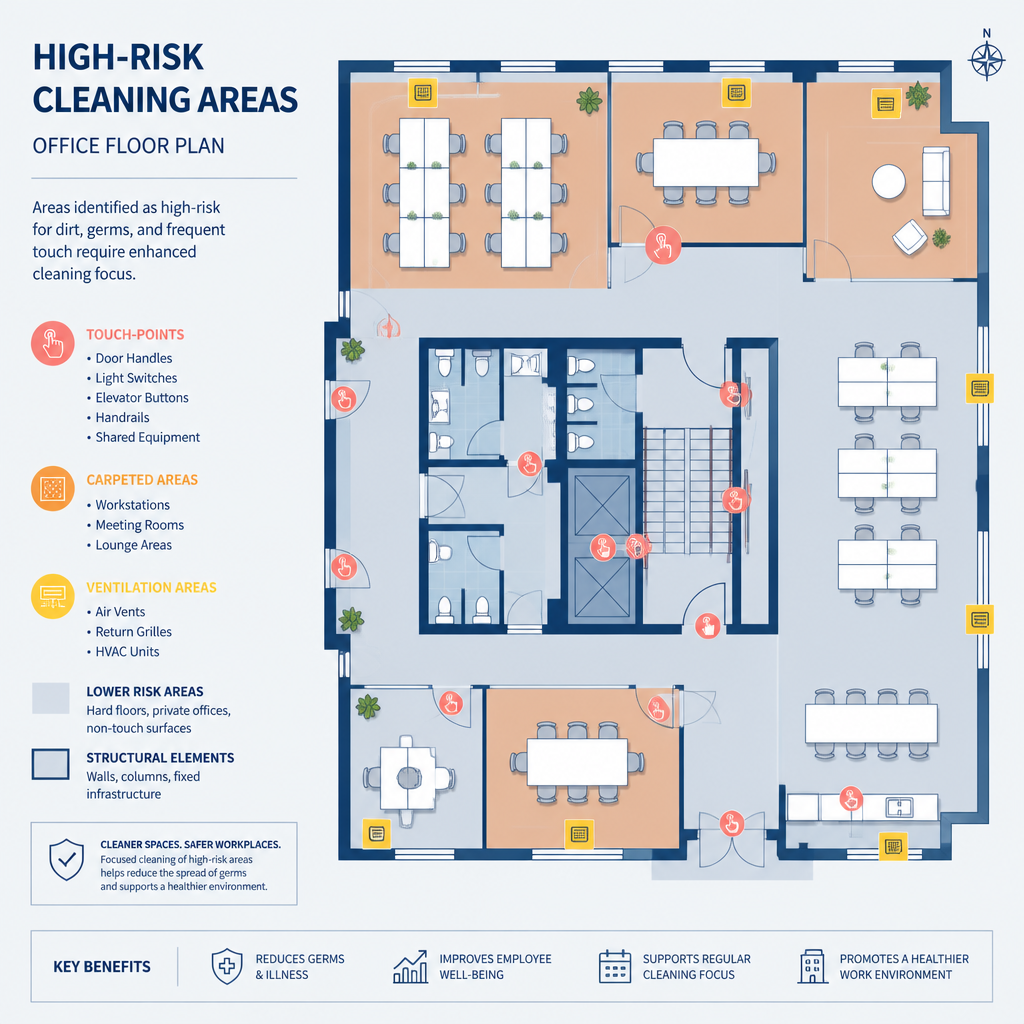
High-Risk Zones That Routine Cleaning Misses
Every office has areas that standard cleaning schedules address inadequately, not because cleaners are cutting corners, but because truly reaching these zones requires specialist equipment, additional time, and deliberate method changes that routine contracts simply do not cover.
Air Vents and HVAC Ducts
Visibly dusty air vents are a flag that contaminated air is being circulated throughout the building. Beyond aesthetics, dirty ducts distribute allergens, mould spores, and bacteria to every room connected to the system. In Melbourne’s variable climate, where offices run air conditioning heavily across both summer and shoulder seasons, duct contamination builds up faster than many facilities managers realise.
Under and Behind Furniture
Desks and storage units that rarely move become collection zones for years of accumulated dust, debris, and in some cases mould if there is any moisture present. A genuine office deep cleaning addresses these areas by moving furniture, not cleaning around it.
Windows and High-Level Surfaces
Window sills, tops of cabinets, light fixtures, and ceiling fan blades are systematically ignored in routine cleaning because they require ladders or extension equipment. They accumulate dust that eventually redistributes through the room. For commercial buildings in Melbourne’s CBD, inner suburbs, and surrounding business parks, specialist window cleaning is a component of a thorough deep clean, not an optional extra.
Comparing Cleaning Approaches: Routine vs Deep vs Specialist
Understanding what each cleaning tier actually covers makes it easier to diagnose which one your office currently needs. Most cleaning disputes between clients and providers come down to misaligned expectations about what a “clean” actually includes.
Cleaning Approach | What It Covers | When It Is Appropriate |
|---|---|---|
Routine Daily or Weekly Cleaning | Surface wiping, vacuuming, bin emptying, bathroom sanitisation with standard products, kitchen bench wipe-down | Maintaining presentation between deep cleans. Not sufficient as a standalone strategy in any high-traffic or health-sensitive environment. |
Office Deep Cleaning | Carpet hot-water extraction, HVAC vent cleaning, behind and under furniture, grout and tile restoration, appliance interiors, high-level surfaces, sanitisation of high-touch points with commercial-grade products | Every 3 to 6 months depending on foot traffic, industry, and occupancy. Required after illness outbreaks, seasonal transitions, or when any of the signs in this article are present. |
Specialist or Post-Construction Cleaning | Fine dust removal from all surfaces including inside vents and upholstery, debris removal, window and frame cleaning, high-pressure cleaning of external areas, builder’s clean to handover standard | After any renovation, fit-out, or building work. Required before staff return to a refurbished space. Also appropriate for post-event cleaning in large commercial venues. |
How Often Melbourne Offices Actually Need a Deep Clean
The honest answer to frequency is: more often than most Melbourne businesses are currently scheduling it. Well-maintained offices benefit from a deep clean every quarter to twice a year, depending on foot traffic, industry type, and the number of occupants using shared facilities.
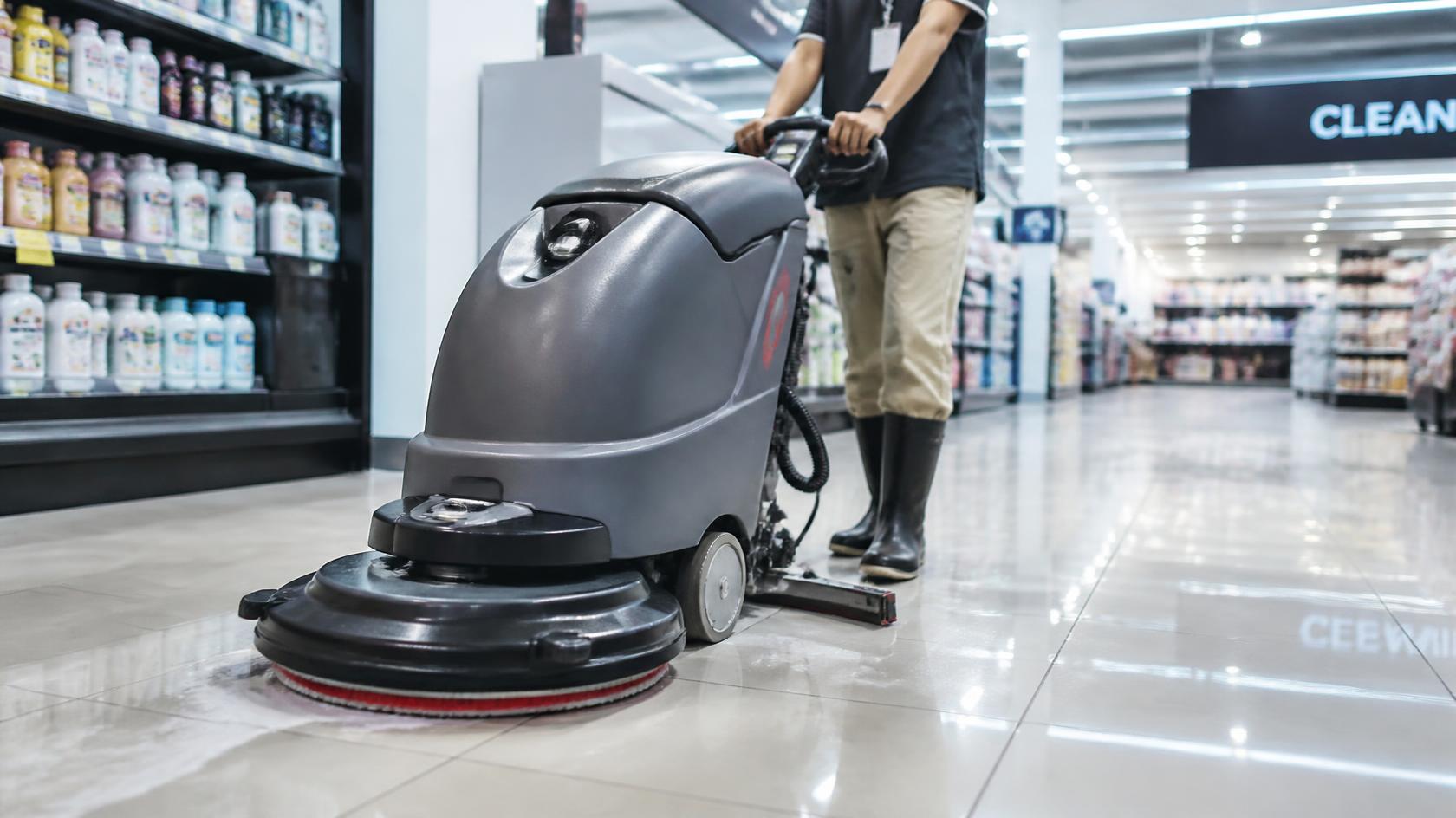
For the sectors Vibrant Property Services works across directly, including childcare centres, aged care facilities, medical environments, hotels, schools, and supermarkets, quarterly deep cleaning is not a luxury. It is the minimum standard required to maintain hygiene and meet relevant regulatory expectations. A standard commercial office with moderate foot traffic can reasonably operate on a six-month deep clean cycle, provided the daily routine is genuinely consistent and the HVAC system is maintained separately.
Specific Triggers That Override the Schedule
Frequency guidelines are defaults. Certain events should trigger an immediate deep clean regardless of when the last one occurred. These include a noticeable illness outbreak among staff, completion of any renovation or building work, a significant flooding or water leak event, or the return of staff after an extended period of low occupancy such as after a prolonged office closure.
In Melbourne’s business environment, where many offices operate hybrid working arrangements and spaces can go partially unoccupied for extended periods, returning staff to a properly deep-cleaned environment is both a health decision and a professional one that signals the standard of the workplace they are returning to.
Office Cleaning Tips to Extend the Time Between Deep Cleans
A professional deep clean resets your office baseline. These office cleaning tips help maintain that baseline so your next deep clean is less intensive and your environment stays healthier between cycles.
First, address HVAC filters on a documented schedule. Checking and replacing filters every two to three months depending on usage prevents the most common cause of rapid dust resettling. This single maintenance task has a disproportionately large impact on air quality and surface cleanliness.
Second, implement a no-food-at-desks policy where feasible. Desk eating is the fastest way to introduce organic matter into carpet fibres, keyboard crevices, and upholstery. Break rooms exist for this reason, and keeping food contained to one easily cleaned area dramatically reduces the bacteria load across the rest of the office.
Third, use entrance matting systems at all building entry points. Melbourne weather, particularly through autumn and winter, tracks significant moisture and organic debris indoors. Quality entrance matting captures a large proportion of this before it reaches carpet, hard floors, and workstation areas.
Fourth, do not defer spot treatment. A spill cleaned immediately stays on the surface. A spill left for hours penetrates carpet backing, upholstery foam, and grout. Speed of response to spills and stains directly determines whether routine cleaning can handle them or whether a professional extraction is eventually needed.
Finally, conduct a monthly walkthrough specifically looking for the signs described in this article. Treat it as a documented inspection, not an informal glance. If you start noting the same problem area across two consecutive monthly checks, that area needs targeted professional attention rather than another month of observation.
Frequently Asked Questions
What is the difference between office deep cleaning and regular commercial cleaning?
Regular commercial cleaning maintains surface presentation: vacuuming, wiping benches, emptying bins, and sanitising bathrooms with standard products. Office deep cleaning goes significantly further, covering carpet extraction, HVAC vents, inside appliances, grout and tile restoration, high-level surfaces, and behind and under furniture. Deep cleaning is not a more thorough version of regular cleaning. It is a structurally different service that addresses areas routine cleaning cannot reach by design.
How do I know if my Melbourne office needs a deep clean right now rather than waiting for the scheduled cycle?
Act now if you are seeing any of the following: dust resettling within two days of cleaning, carpets that look dirty despite vacuuming, persistent odours in any area of the office, bathrooms that smell after daily cleaning, an increase in staff sick days, or visible grime in grout, vents, or hard-to-reach areas. Any one of these is sufficient reason to schedule a deep clean ahead of your normal cycle.
Is office deep cleaning in Melbourne suitable for specialist environments like childcare centres or medical facilities?
Yes, but it requires a provider with direct experience in those environments. Childcare centres and medical facilities have specific infection control requirements, product restrictions, and areas of focus that differ from standard commercial offices. Vibrant Property Services works across both of these sectors specifically and understands the compliance context, not just the cleaning tasks.
How long does an office deep clean typically take?
Duration depends on the size of the space, the scope of work, and the current condition of the office. A small commercial office might require a single day. Larger facilities such as warehouses, hotels, or multi-floor commercial buildings require more time and often need to be staged across sessions to avoid disrupting operations. A reputable cleaning provider will assess the space before quoting and give you a realistic time estimate rather than a blanket answer.
What should I do to prepare my office before a professional deep clean?
Clear personal items from desks where possible, remove documents and valuables from open areas, and confirm access to all areas the team will need to reach including storage rooms, server rooms if applicable, and kitchen appliances. Communicate to staff what areas will be out of use and for how long. The more access the cleaning team has without obstruction, the more thoroughly and efficiently the job gets done.
Can high-pressure cleaning be included as part of an office deep clean?
For Melbourne commercial properties with external areas, car parks, loading docks, or entry forecourts, high-pressure cleaning is a relevant component of a comprehensive deep clean program. It addresses ingrained organic buildup, oil stains, and weathering on hard external surfaces that no standard clean will shift. Vibrant Property Services offers this as a dedicated service that can be coordinated with internal deep cleaning for a complete property reset.
If your office has any of the signs covered in this article, we would like to hear what has worked for your team. Share your experience in the comments or reach out directly to discuss what a deep clean for your Melbourne property should actually look like.
We would love your feedback and any insights you would share with others. What perspective would you add?