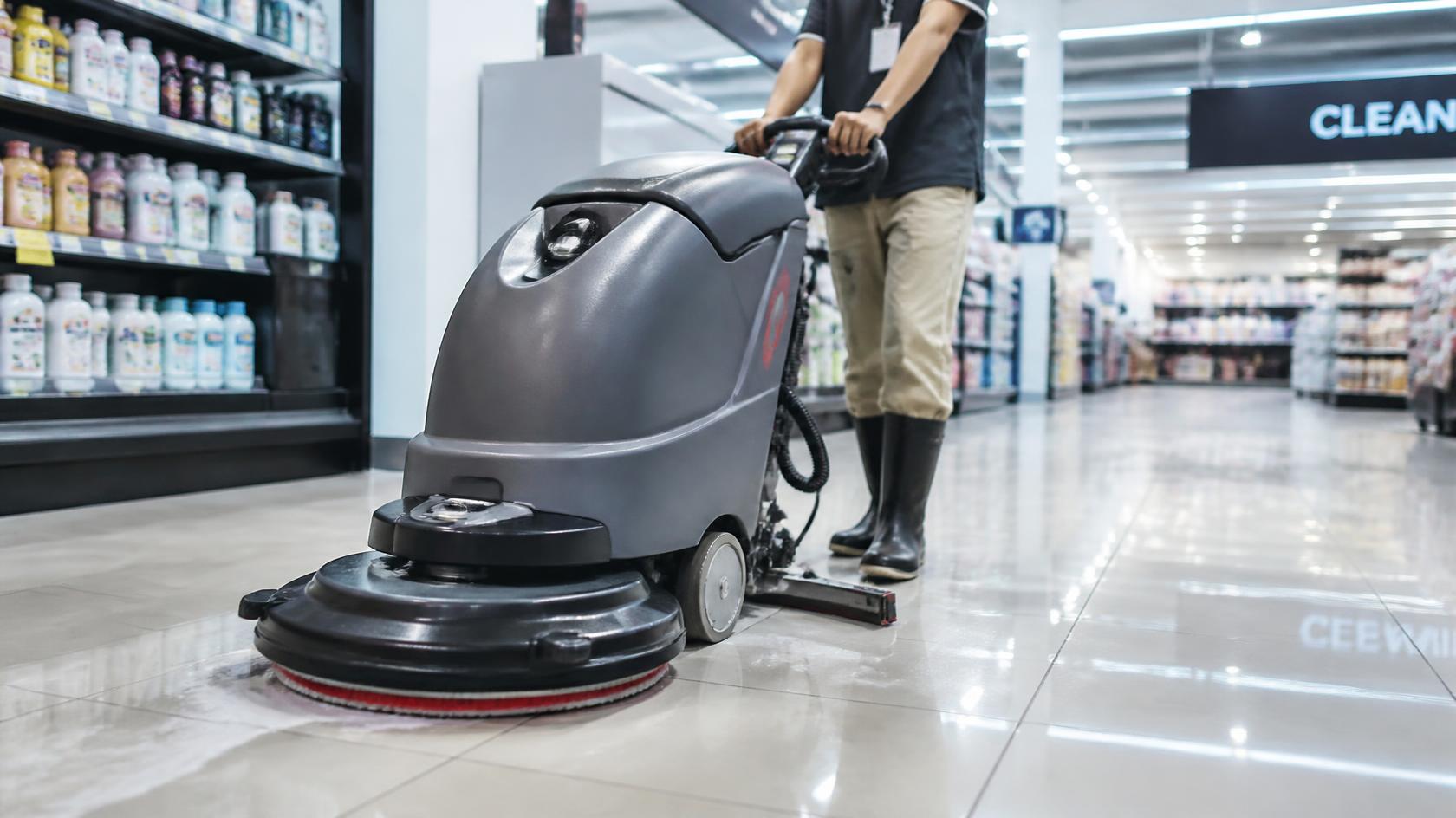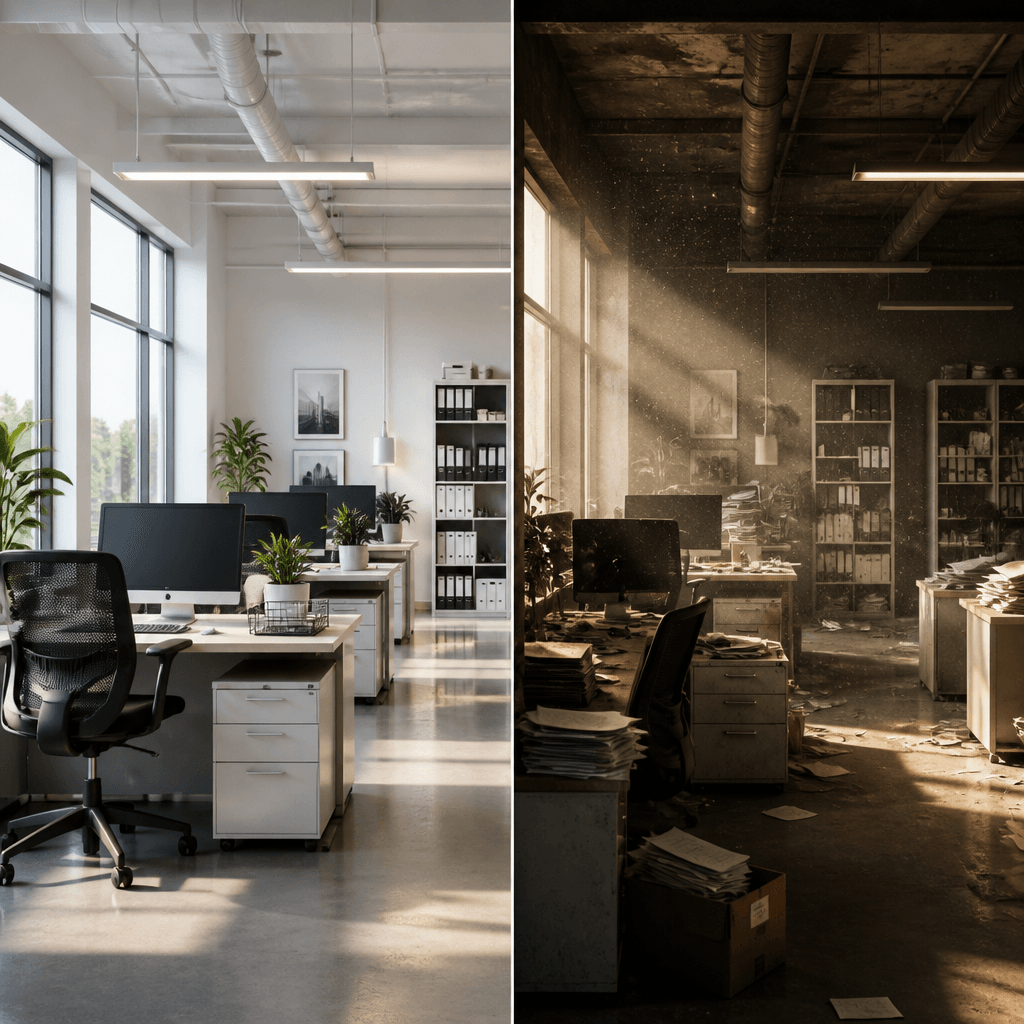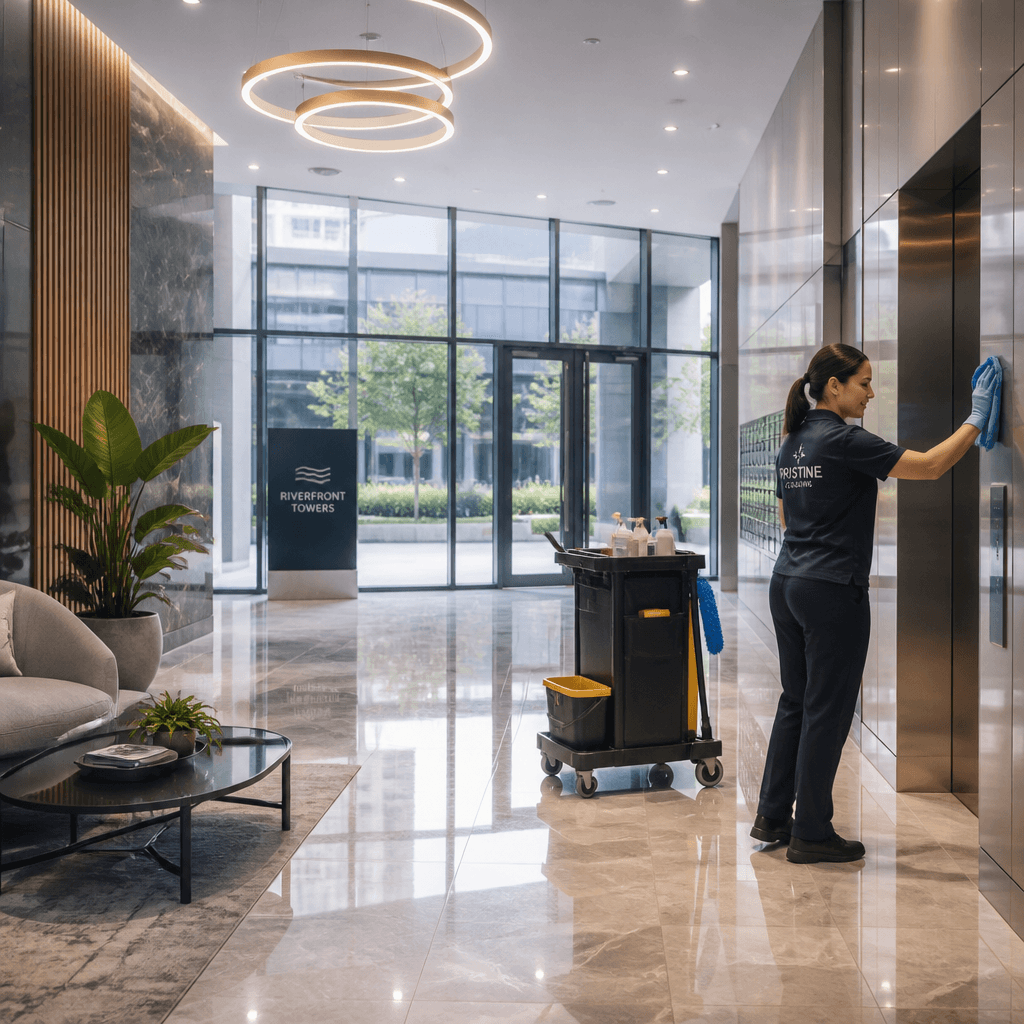

Dirt, grime, mould, and oil stains do not respond to a mop and bucket. If you manage a commercial property, a childcare centre, a warehouse, or simply own a home in Melbourne, surface contamination accumulates faster than most people expect, and standard cleaning methods leave most of it behind. High pressure cleaning in Melbourne is the only reliable method for restoring driveways, building facades, car parks, and industrial surfaces to a safe and presentable condition. This guide cuts through the noise and tells you exactly when to use it, where it delivers the strongest results, and why skipping it costs more in the long run.
Table of Contents
- Quick Takeaways
- What Is High Pressure Cleaning and How Does It Work
- When to Schedule High Pressure Cleaning in Melbourne
- Where High Pressure Cleaning Works Best
- Commercial vs Residential Pressure Washing Melbourne
- Pressure Washing Methods Compared
- Common Mistakes Property Managers Make
- Exterior Cleaning Services: What to Expect from a Professional Team
- Frequently Asked Questions
- References
Quick Takeaways
Key Insight | Explanation |
|---|---|
Melbourne’s climate accelerates surface build-up | The city’s mix of humidity, coastal winds, and urban pollution means mould and algae growth on exterior surfaces is faster than in drier Australian cities. Annual cleaning is a minimum, not a luxury. |
High pressure is not suitable for every surface | Soft sandstone, aged render, and some painted timber surfaces can be damaged by high PSI. A professional assessment before cleaning prevents costly repairs. |
Car parks and driveways carry real liability risks | Oil and algae on hard surfaces create slip hazards. For commercial operators, leaving these untreated is a workplace health and safety exposure, not just an aesthetic issue. |
Frequency depends on surface type and foot traffic | High-traffic commercial surfaces such as supermarket loading docks and childcare centre pathways need cleaning every three to six months. Residential driveways typically need it once or twice a year. |
Pressure washing pairs well with tile and grout restoration | High pressure cleaning removes surface contamination, but deeply stained or cracked grout requires restoration work to achieve a fully clean and sealed result. |
Not all exterior cleaning services use the same equipment | Domestic-grade machines operate at 1,500 to 2,000 PSI. Professional commercial units operate at 3,000 to 5,000 PSI and deliver consistent results across large surface areas. |
Pre-treating surfaces increases cleaning effectiveness | Applying a biodegradable degreaser or mould treatment before pressure washing significantly reduces cleaning time and produces a deeper clean, especially on concrete and paving. |
What Is High Pressure Cleaning and How Does It Work
High pressure cleaning uses a motorised pump to force water through a narrow nozzle at pressures ranging from 1,500 PSI for light residential work up to 5,000 PSI for heavy industrial applications. The force strips away dirt, grease, biological growth, chewing gum, and staining that standard cleaning cannot touch. The method works because contamination on hard surfaces is not just sitting on top. It is embedded in the pores of concrete, tile, and stone.
In practice, the difference between a professionally cleaned surface and a DIY attempt comes down to two things: equipment pressure and nozzle selection. The wrong nozzle angle on a high-PSI machine can etch concrete or strip sealants. A professional operator adjusts both variables for each specific surface.
Water temperature also matters. Cold water pressure washing handles general dirt and mud well. Hot water pressure washing, also called steam pressure cleaning, is the correct choice for oil, grease, and heavy biological contamination. Commercial kitchens, loading docks, and aged care facility pathways almost always require hot water treatment.
When to Schedule High Pressure Cleaning in Melbourne
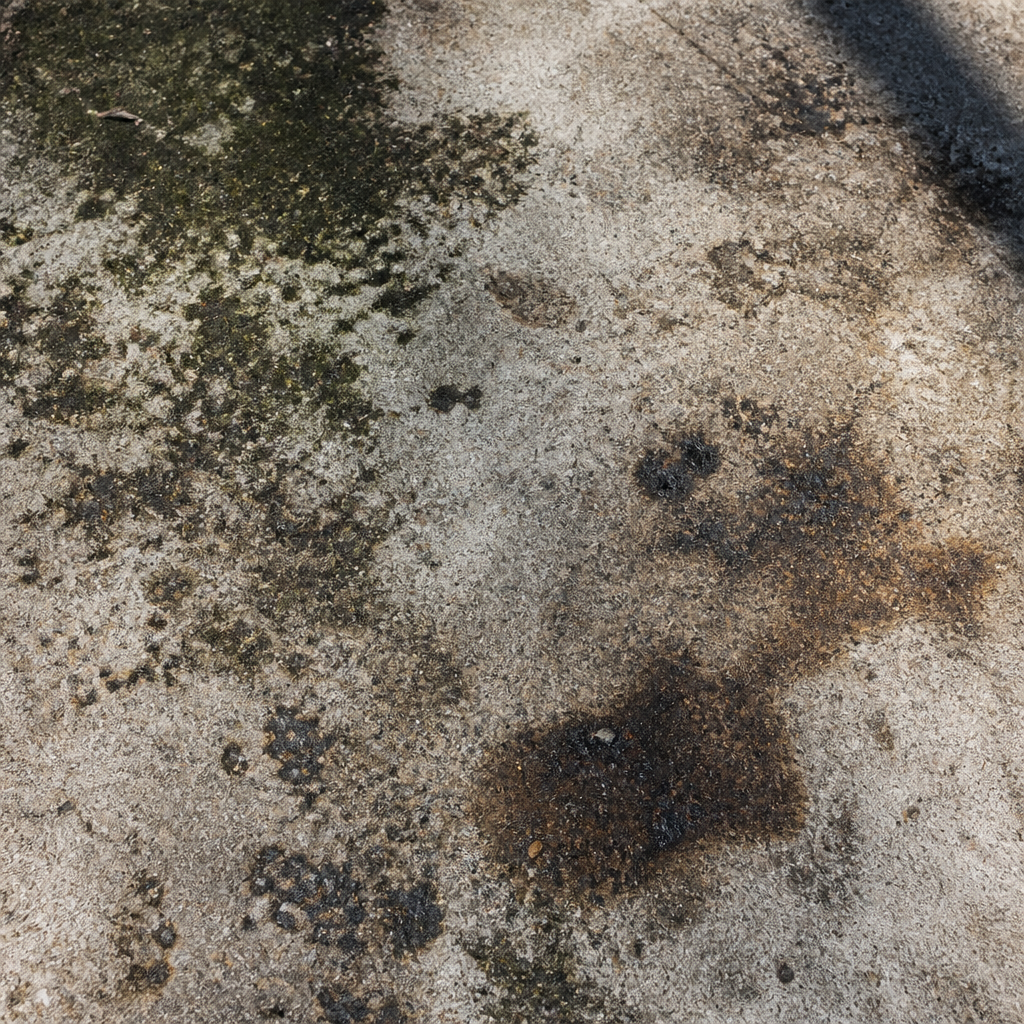
The short answer: do not wait until surfaces look obviously dirty. By the time mould, algae, or embedded grease is visible to a casual observer, the contamination has already reached a level that requires more time and higher chemical pre-treatment to remove. Proactive scheduling is always more cost-effective than reactive cleaning.
Seasonal timing for Melbourne properties
Melbourne’s autumn and spring periods are the optimal scheduling windows. Autumn cleaning removes the biological growth that builds up over summer humidity. Spring cleaning addresses the mould and moss accumulation that results from Melbourne’s wet winters. Scheduling in these two windows covers roughly 80 percent of exterior surface maintenance needs for most commercial properties.
For childcare centres and aged care facilities, the standards are higher and the schedule tighter. These environments require cleaning before and after each school term in the case of childcare, and on a quarterly cycle for aged care pathways, entry areas, and outdoor activity zones. This is not just about appearance. It is about meeting infection control obligations.
Trigger events that require immediate cleaning
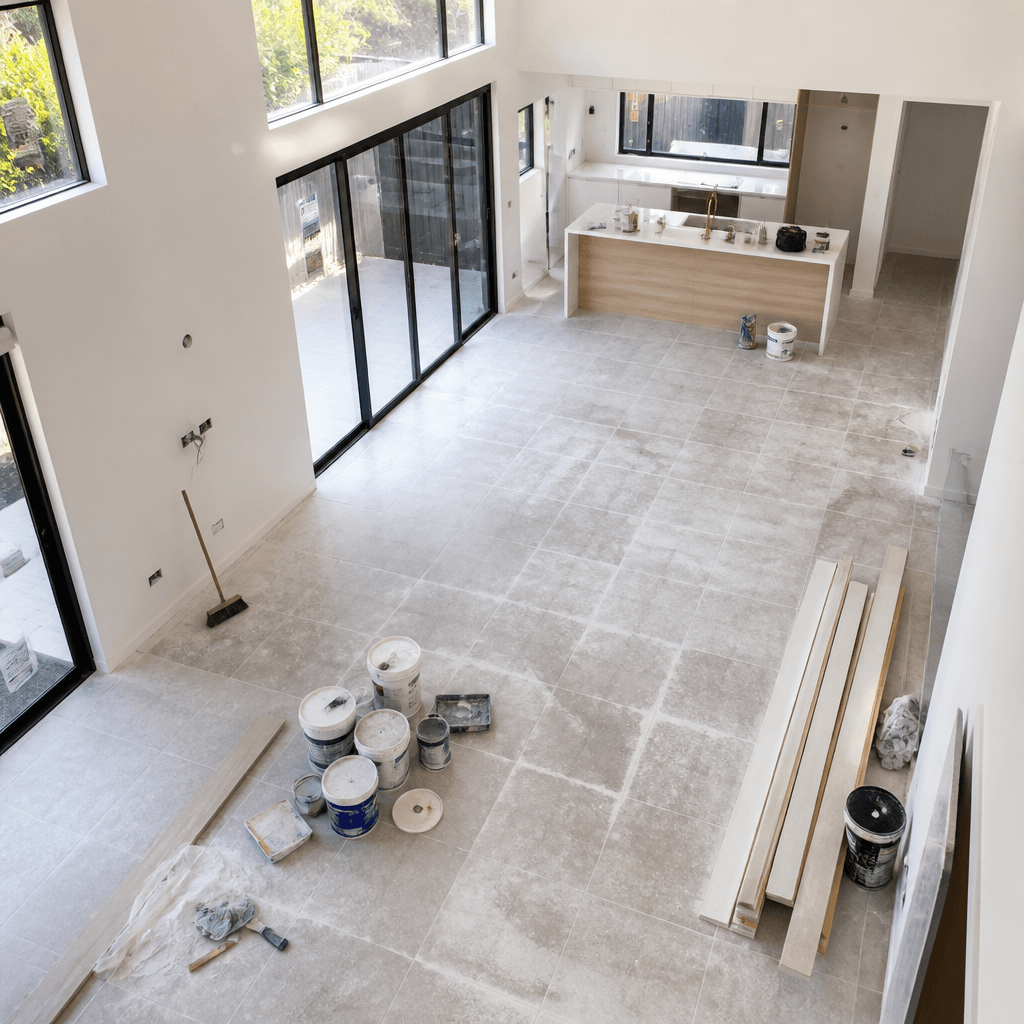
Certain events demand high pressure cleaning regardless of where you are in the calendar. These include post-construction cleanup, graffiti removal, after major events held on your property, after flooding or storm damage, and after a significant oil or chemical spill. Waiting for the next scheduled window in these situations allows contamination to bond more permanently to the surface.
Pro tip: Book your post-construction high pressure clean before final property inspection. Builder’s residue including concrete splatter, paint overspray, and adhesive are far easier and cheaper to remove within four weeks of application than after they have cured for months.
Where High Pressure Cleaning Works Best
High pressure cleaning is not a one-size-fits-all service. Different surface types and environments require different pressure settings, nozzle configurations, and chemical treatments. The following breakdown reflects real-world application across Melbourne commercial and residential properties.
Commercial car parks and loading docks
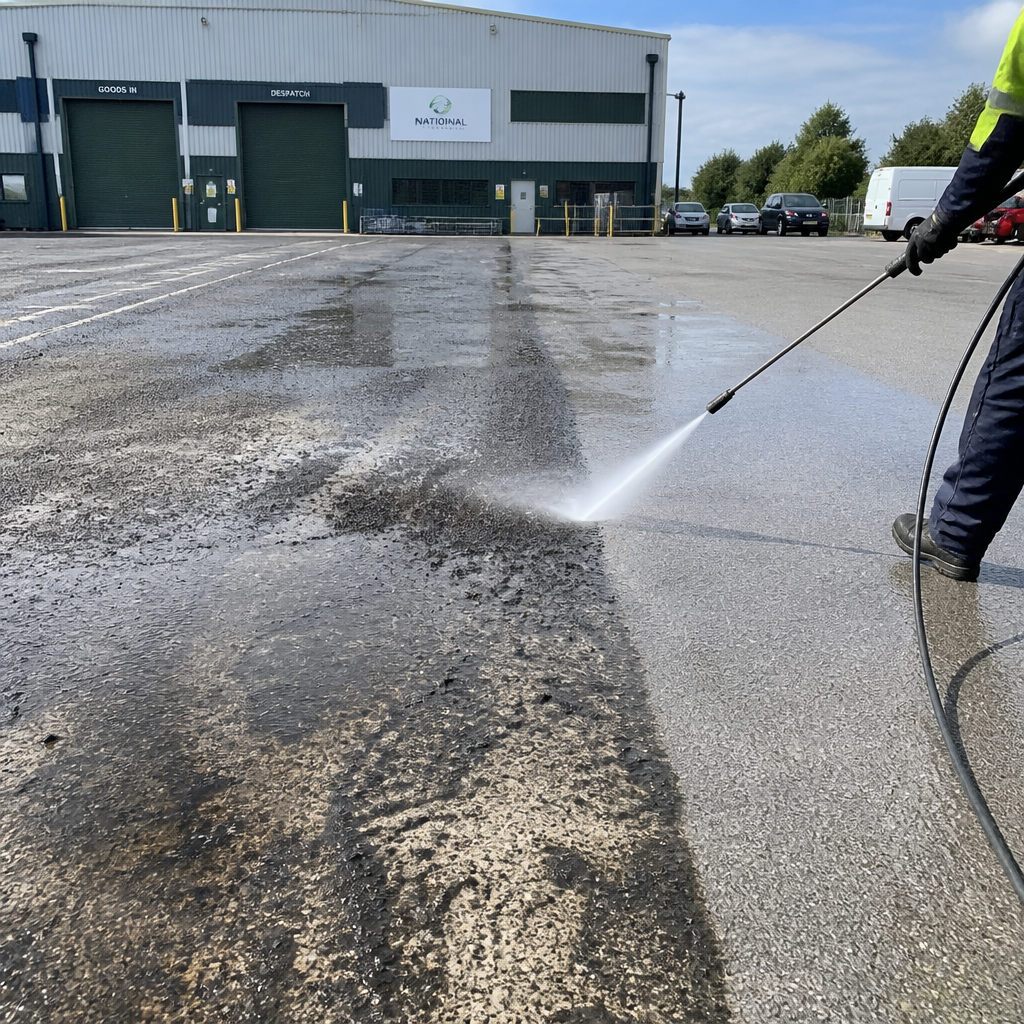
These are the highest-priority surfaces for any commercial property manager. Car parks accumulate oil, fuel residue, tyre rubber, and organic matter continuously. Loading docks add food waste, cardboard decomposition, and chemical spills. Both surfaces become slip hazards quickly. Pressure washing Melbourne car parks at 3,500 to 5,000 PSI with a hot water system and degreaser pre-treatment is the only method that genuinely restores the surface to a safe condition.
Building facades, walls, and rendered surfaces
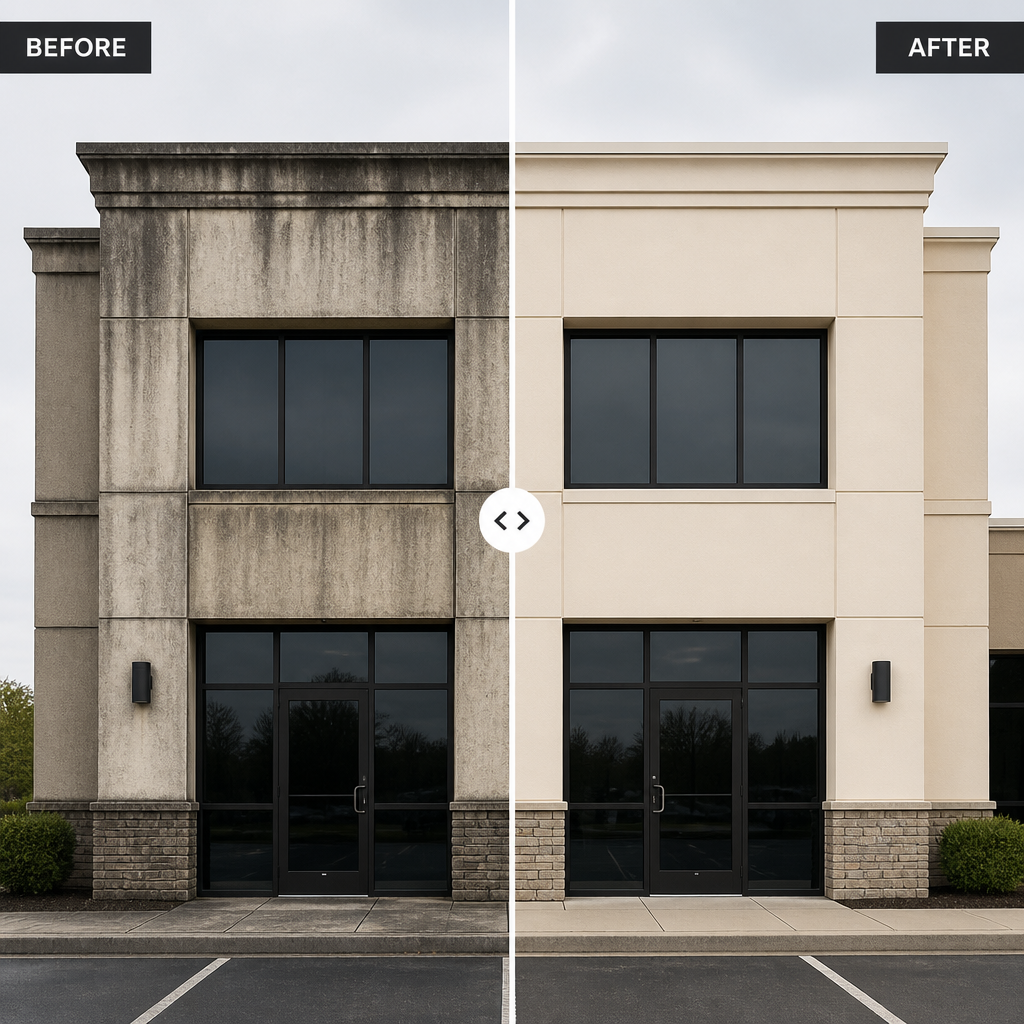
Mould and atmospheric pollution deposits on building exteriors are a chronic issue in Melbourne’s urban and inner-suburban areas. Rendered surfaces and brick facades respond well to medium-pressure washing at 1,500 to 2,500 PSI combined with a surface-appropriate biocide treatment. The key is not using maximum pressure on these surfaces. Excessive pressure on render causes micro-fractures that accelerate future water ingress and deterioration.
Pathways, courtyards, and entry areas
For schools, childcare centres, hotels, and retail premises, the entry area is the first impression. Algae and mould on paving create a slip risk and signal poor maintenance to visitors. Concrete and paved pathways handle higher pressure well and generally require cleaning twice yearly in Melbourne’s climate.
Residential driveways and outdoor entertaining areas
Homeowners typically underestimate how much surface staining accumulates on driveways and alfresco areas between cleans. Rust staining from garden furniture, leaf tannin staining, and tyre marks on concrete are all addressable with professional pressure cleaning. A single professional clean restores a driveway surface more effectively than three years of intermittent garden-hose rinsing.
Commercial vs Residential Pressure Washing Melbourne
The core difference is not just scale. It is equipment grade, chemical protocols, and compliance requirements. Commercial pressure washing Melbourne involves industrial-grade machines, documented cleaning schedules, and in regulated environments like medical facilities or childcare centres, it involves compliance with specific hygiene standards. Residential pressure washing is more straightforward, but it still benefits significantly from professional-grade equipment versus domestic hire units.
“Surface cleaning is maintenance, not cosmetics. The businesses that treat it as maintenance schedule it. The ones that treat it as cosmetics wait until it becomes a problem.” – Vibrant Property Services, Melbourne, 15 years of commercial cleaning experience.
Commercial operators face an additional consideration that residential owners do not: waste water management. High-pressure washing on commercial sites produces contaminated wastewater containing oil, grease, and chemicals. Melbourne Water and EPA Victoria guidelines require that this wastewater is not allowed to enter stormwater drains. A professional exterior cleaning services provider manages wastewater containment and disposal as part of the job. A DIY approach on a commercial site can result in an EPA infringement.
Pro tip: When requesting a quote for commercial pressure washing, ask the provider directly how they handle wastewater on your site. If they cannot give you a clear answer, they are not the right contractor for a regulated commercial environment.
Pressure Washing Methods Compared
Choosing the right method for your specific surface and contamination type matters more than most property managers realise. The table below compares the three primary approaches used by professional exterior cleaning services in Melbourne.
Method | Best Applications | Key Limitations |
|---|---|---|
Cold Water High Pressure Cleaning | General dirt, mud, dust, leaf staining, light algae on driveways, pathways, and building walls. Suitable for most residential applications and light commercial surfaces. | Less effective on oil, heavy grease, or deep biological contamination. Requires longer dwell time with chemical pre-treatment on stubborn stains. |
Hot Water High Pressure Cleaning | Oil and grease on loading docks, commercial kitchens, car parks, and industrial floors. Also preferred for heavy mould on aged care and medical facility exteriors. | Equipment is heavier, more expensive to operate, and requires trained operators. Not necessary for standard residential or light commercial surfaces. |
Soft Wash (Low Pressure with Chemical Treatment) | Rendered walls, painted surfaces, roofs, and heritage materials where high PSI would cause physical damage. Relies on chemical action rather than mechanical force. | Slower process with longer dwell times. Requires careful chemical selection to avoid surface or vegetation damage. Not effective for oil or grease removal. |
Common Mistakes Property Managers Make
In practice, the same errors come up repeatedly when commercial property managers and business owners approach high pressure cleaning. Identifying them early saves money and avoids surface damage.
Using the wrong pressure for the surface
A common mistake is applying maximum PSI to every surface regardless of material. Aged render, soft sandstone, and timber decking are all vulnerable to surface damage at pressures above 2,000 PSI. Operators who do not adjust for surface type either leave residual contamination by using too little pressure, or cause physical damage by using too much. Always confirm surface suitability before cleaning begins.
Skipping chemical pre-treatment
Running a pressure washer over a grease-contaminated surface without pre-treatment does not clean it. It spreads the contamination. Degreasers and biocides need dwell time, typically five to fifteen minutes depending on the product, before the pressure wash begins. Skipping this step is the primary reason property managers feel their car park or loading dock never quite looks clean even after a wash.
Choosing the cheapest quote without verifying compliance
Melbourne has no shortage of operators offering cheap pressure washing services. The risk is not just inferior results. It is the absence of public liability insurance, no wastewater management protocol, and no documentation for facilities that require cleaning records. For aged care operators and childcare centre managers, cleaning documentation is part of compliance audits. A contractor who cannot provide a signed service record is a liability, not a saving.
Exterior Cleaning Services: What to Expect from a Professional Team
A professional exterior cleaning services provider in Melbourne does not just arrive with a pressure washer and start. The process begins with a site inspection to assess surface types, contamination levels, drainage layout, and any areas requiring protection such as garden beds, electrical boxes, or recently painted surfaces.
The standard professional workflow for a commercial site includes: surface assessment and pre-treatment chemical application, pressure washing in methodical overlapping passes to ensure complete coverage, a post-wash inspection to identify any areas requiring a second pass, and wastewater containment and disposal where required. For residential jobs, the process is similar but scaled appropriately, and the emphasis shifts toward protecting garden beds and surrounding landscaping during the wash.
Vibrant Property Services operates across Melbourne and surrounding suburbs with over 15 years of experience in high pressure cleaning for commercial environments including childcare centres, aged care facilities, schools, warehouses, and supermarkets, as well as residential properties. Their team understands that different client environments require different compliance standards and cleaning protocols, not a one-pressure-fits-all approach.
When evaluating exterior cleaning services providers in Melbourne, ask three specific questions. First, what PSI range does their equipment operate at, and do they have variable pressure capability. Second, how do they manage wastewater on commercial sites. Third, can they provide a written service record for compliance documentation purposes. These three questions will immediately separate professional operators from those running domestic-grade equipment with no formal process.
Frequently Asked Questions
How often should a commercial property in Melbourne schedule high pressure cleaning?
For most commercial properties in Melbourne, a minimum of twice per year is appropriate, typically in autumn and spring. High-traffic areas like loading docks, car parks, and entry pathways at supermarkets, warehouses, or childcare centres benefit from quarterly cleaning. The correct frequency depends on surface type, foot traffic volume, and the specific industry’s hygiene obligations.
Is high pressure cleaning safe for all exterior surfaces?
No. Soft materials including aged render, heritage sandstone, painted timber, and some types of roof tiles require a low-pressure soft wash approach rather than high PSI treatment. A professional assessment before any cleaning job identifies which surfaces require modified techniques. Applying incorrect pressure to vulnerable surfaces causes physical damage that is expensive to repair.
What is the difference between high pressure cleaning and soft washing?
High pressure cleaning relies primarily on mechanical force from water pressure to remove contamination. Soft washing uses low water pressure combined with chemical treatments that break down mould, algae, and staining at a molecular level before rinsing. Soft washing is preferred for surfaces that cannot withstand high PSI. Both methods are legitimate professional techniques used for different applications.
Can high pressure cleaning remove oil stains from concrete?
Yes, but not with cold water alone. Oil stains on concrete require a degreaser pre-treatment applied with adequate dwell time before hot water high pressure cleaning. Fresh oil stains respond well to this process. Very old, cured oil stains may require multiple treatment cycles. In some cases, deeply embedded oil staining may require concrete grinding or resurfacing as a final step after cleaning.
Do I need a professional for residential pressure washing, or can I hire equipment and DIY?
Hire equipment is available and suitable for simple jobs like rinsing a small patio or garden path. However, professional results on driveways, alfresco areas, or any surface with embedded staining, mould, or oil contamination require professional-grade equipment, correct chemical pre-treatment, and operator experience with pressure settings. A professional clean on a standard residential driveway typically takes one to two hours and produces results that DIY hire equipment cannot match.
Are there environmental regulations around pressure washing wastewater in Melbourne?
Yes. EPA Victoria and Melbourne Water guidelines prohibit contaminated wastewater from commercial pressure washing operations entering stormwater drains. This includes water contaminated with oil, grease, detergents, or biocides. Professional commercial pressure washing operators are required to contain and dispose of wastewater appropriately. Residential properties have more flexibility, but best practice still avoids directing chemical-laden runoff into stormwater systems.
Have you recently had a property cleaned or are you assessing whether high pressure cleaning is the right solution for your Melbourne site? Share your experience or questions below so others in similar situations can benefit from the discussion.